Award-Winning AP Chinese Language and Culture Tutors
serving Honolulu, HI
AP Chinese Language and Culture
Tutors in Honolulu
Private 1-on-1 tutoring, weekly live classes for academic support, test prep & enrichment, practice tests and diagnostics, and more to elevate grades and test scores.
Based on 3.4M Learner Ratings
UniversitiesSchools & Universities
DeliveredHours Delivered
ProficiencyGrowth in Proficiency
Who needs tutoring?
No obligation. Takes ~1 minute.
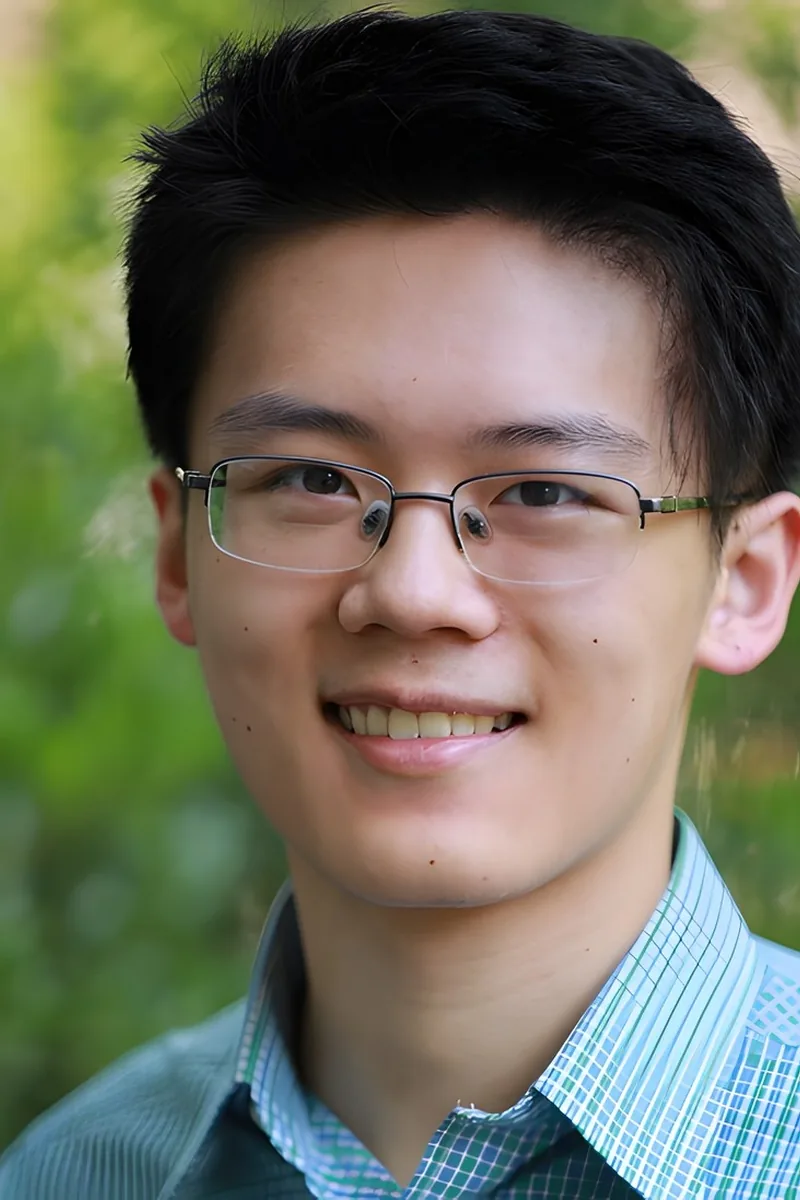
Fluent in Mandarin and experienced with the AP Chinese exam format, JF tackles the presentational writing and interpersonal speaking components that trip up even heritage speakers. He digs into the cultural comparison prompts specifically, showing students how to structure responses that hit every rubric criterion.

Melody teaches Mandarin Chinese and is currently studying at Columbia, where her coursework in AP Chinese Language and Culture aligns closely with the exam's cultural comparison prompts — the section where students need to articulate specific, nuanced differences between Chinese and American practices rather than recite generalities. Her 4.9 rating from students speaks to her ability to break down both the interpretive listening tasks and the presentational speaking prompts, where tonal clarity and organized delivery under timed pressure make the difference.
Eileen scored well enough on the SAT Subject Test in Chinese with Listening to understand both the language mechanics and the test strategy behind AP Chinese. She tackles the interpersonal and presentational communication tasks by drilling real conversational patterns and teaching students how to structure spoken and written responses under timed conditions.
The AP Chinese Language and Culture exam tests listening, reading, speaking, and writing in a single sitting, which means students need more than vocabulary drills — they need fluency under pressure. Nova's real-world Mandarin teaching experience and her SAT Subject Test preparation in Chinese with Listening give her a sharp sense of where American-educated students typically lose points. She zeroes in on the story narration and cultural comparison sections that carry heavy weight on exam day.
Most AP Chinese prep zeroes in on language mechanics, but the exam's interpersonal speaking prompts also reward the kind of natural conversational flow that comes from genuine cultural immersion — something Yuyi brings as a native Mandarin speaker who also studied English and psychology at the university level. That dual-language academic background makes her especially effective at coaching students through the interpretive reading section, where parsing formal written Mandarin requires more than character recognition.
Paul is one of those rare tutors who operates at an advanced level in both Mandarin Chinese and a second foreign language, giving him unusual insight into how tonal languages, character-based writing systems, and cultural frameworks interact on the AP exam. He zeroes in on the interpersonal and presentational communication tasks, coaching students through the real-time speaking and writing prompts that carry the most weight.
Having tutored the SAT Subject Test in Chinese with Listening and spent time working in Hong Kong, Asta understands both the linguistic and cultural dimensions the AP Chinese exam tests. She digs into the presentational writing and interpersonal speaking tasks that trip up even heritage speakers, breaking down how to structure responses that earn top marks on the rubric.
Jason is a Mandarin speaker who understands both the linguistic and cultural dimensions the AP Chinese exam tests — from formal vs. informal register in presentational writing to the cultural comparisons required in the free-response section. He walks students through listening comprehension strategies and character recognition alongside the cultural knowledge that earns top scores.
The cultural presentation component of AP Chinese Language and Culture catches many students off guard because it requires genuine knowledge of Chinese traditions, geography, and social customs — not just language proficiency. Christine grew up in Shanghai and brings firsthand cultural context to topics like festival traditions, family structures, and regional differences that students need for both the exam and the interpersonal tasks. Her native fluency means she can coach pronunciation and tonal accuracy in real time.
As a native Mandarin speaker who taught a beginning Chinese course at the Wheeler School in Providence, Jennifer knows exactly where English-speaking learners stumble — tonal accuracy, measure words, and the leap from textbook dialogue to real conversation. She covers all four AP exam skills (interpersonal and presentational speaking, listening, and reading) with particular attention to the cultural comparison essay, where strong structure can make or break a score.
The cultural component of AP Chinese Language and Culture trips up students who only study vocabulary lists — the exam expects nuanced comparisons between Chinese and American cultural practices, from family structures to educational values. Li connects language instruction to these cultural contexts, drawing on her own bicultural academic experience across speech science and medicine.
The AP Chinese Language and Culture exam tests far more than vocabulary — it demands cultural fluency, the ability to compare perspectives, and comfort producing spoken and written Mandarin under timed pressure. Hannah holds a master's degree in Chinese Studies and is fully fluent in reading, writing, and spoken Mandarin, so she can prepare students for every section of the exam with real cultural context behind each response.
Testimonials
Because the right AP Chinese Language and Culture tutor makes all the difference.
Average Session Rating – Based on 3.4M Learner Ratings
Other Honolulu Tutors
Related Languages Tutors in Honolulu
Frequently Asked Questions
The AP Chinese Language and Culture exam assesses proficiency across listening, reading, writing, and speaking skills at the intermediate-high level. The exam includes multiple-choice sections for listening and reading comprehension, a free-response writing section, and a speaking component with interpersonal and presentational tasks. Students are expected to demonstrate cultural knowledge alongside language skills, making this one of the more comprehensive AP exams.
Score improvement depends on your starting level and consistency with practice. Students who work with tutors typically see meaningful gains by focusing on their weakest areas—whether that's tonal accuracy in speaking, recognizing characters in reading, or organizing thoughts for the writing section. Most students benefit from 8-12 weeks of focused preparation, with noticeable improvements in specific skills within 4-6 weeks of regular practice.
The speaking section intimidates many students because it requires real-time language production without time to plan. The reading section challenges students with unfamiliar characters and cultural context they may not have encountered. Time management is also critical—students often struggle to complete all sections within the exam window. Personalized tutoring helps address these specific pain points through targeted practice and confidence building.
The FSI (Foreign Service Institute) estimates that achieving professional-level proficiency in Mandarin Chinese requires approximately 2,200 hours of study. For AP Chinese specifically, students typically benefit from 3-6 months of focused preparation leading up to the exam in May, with 5-10 hours of study per week. If you're starting from a lower proficiency level, beginning preparation earlier in the school year gives you more time to build foundational skills.
Work with a tutor to identify your weakest section—many students need the most help with speaking fluency or character recognition in reading. Practice exam-format questions under timed conditions to build pacing skills, and use practice tests to pinpoint specific grammar patterns or vocabulary gaps. Your tutor can also help you develop strategies for the interpersonal and presentational speaking tasks, which are unique to this exam.
Varsity Tutors connects students in Honolulu with expert tutors who specialize in AP Chinese Language and Culture. When getting matched with a tutor, look for someone with experience preparing students for the AP exam specifically, not just general Chinese instruction. Your tutor should be able to guide you through practice tests, help with pronunciation and tonal accuracy, and provide feedback on your speaking and writing samples.
Practice tests help you become familiar with the exam format, timing, and question types so there are no surprises on test day. Taking full-length practice tests under timed conditions reveals which sections need the most work and helps you develop a pacing strategy. Reviewing your practice test results with a tutor allows you to identify patterns in your mistakes and adjust your study plan accordingly.
Your first session is an opportunity for your tutor to assess your current proficiency level, understand your goals, and identify your strongest and weakest areas. You'll likely discuss your previous Chinese language experience, any sections of the AP exam that concern you, and create a personalized study plan leading up to the May exam. This foundation helps ensure that every tutoring session after that is focused on your specific needs.
Let’s find your perfect tutor
Answer a few quick questions. We’ll recommend the right plan and match you with a top 5% tutor.