Award-Winning Anatomy Tutors
serving Palm Bay, FL
Anatomy
Tutors in Palm Bay
Private 1-on-1 tutoring, weekly live classes for academic support, test prep & enrichment, practice tests and diagnostics, and more to elevate grades and test scores.
Based on 3.4M Learner Ratings
UniversitiesSchools & Universities
DeliveredHours Delivered
ProficiencyGrowth in Proficiency
Who needs tutoring?
No obligation. Takes ~1 minute.
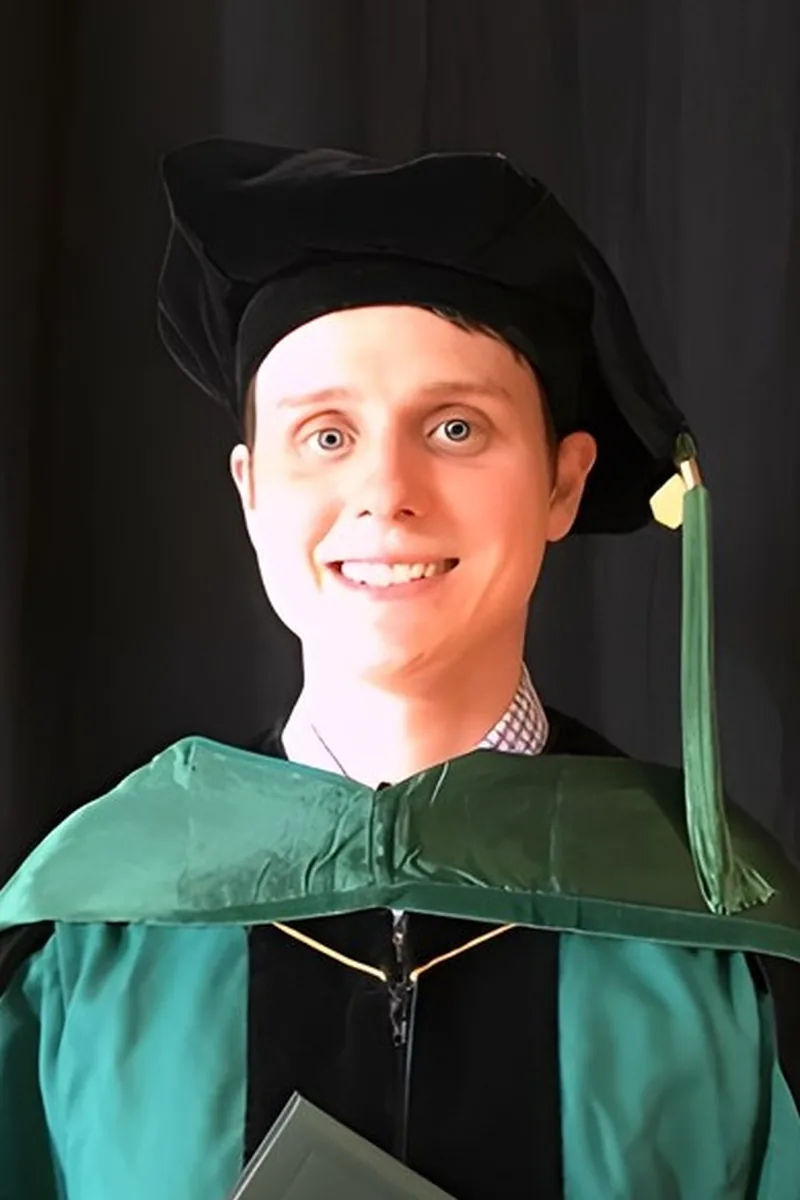
As a doctoral physical therapy student at Washington University, James studies human anatomy with a level of detail that goes well beyond introductory courses — from musculoskeletal origins and insertions to the brachial plexus and cranial nerves. He teaches anatomy by organizing structures into functional groups rather than isolated facts, which makes large volumes of material far more manageable. His 4.9 rating speaks to how well that approach lands with students.
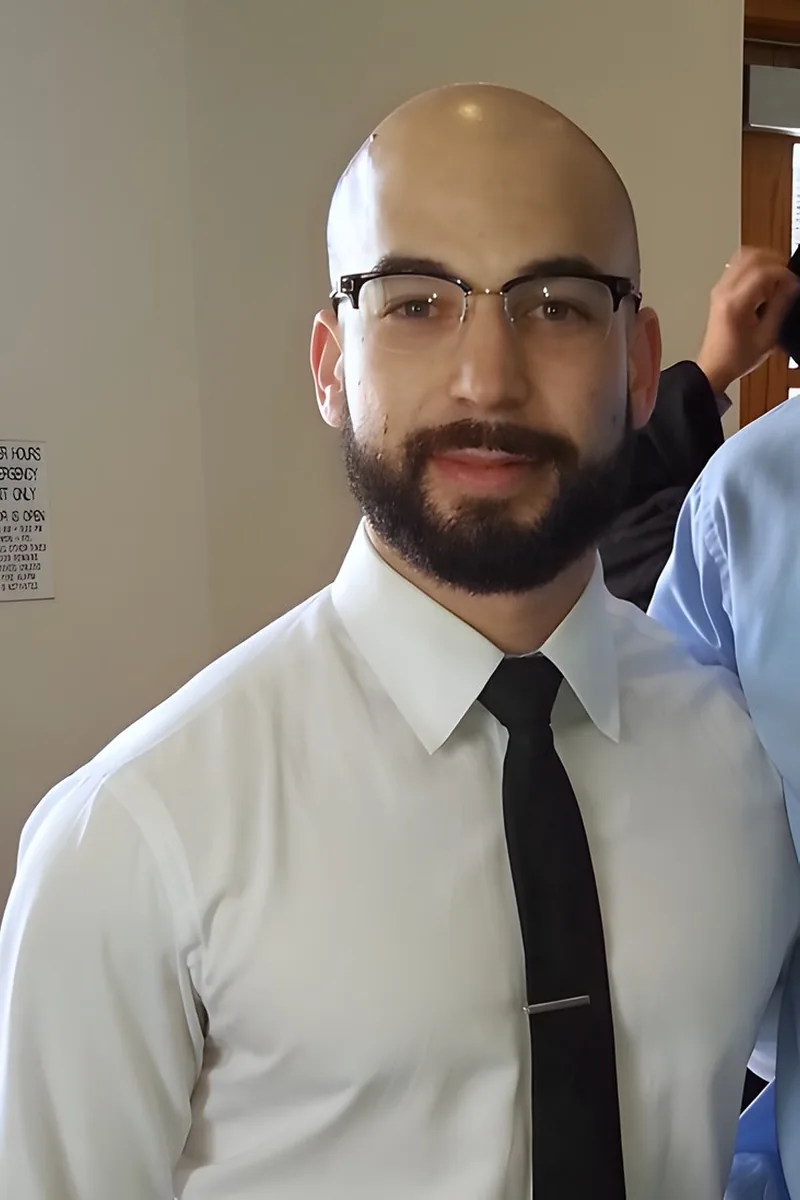
Medical school anatomy is relentless — cadaver labs, spatial reasoning, thousands of structures with Latin names. Felix went through that gauntlet and developed memorization strategies tied to clinical relevance: knowing the brachial plexus not just as a diagram but as the reason a patient can't extend their wrist. He walks students through regional and systems-based anatomy with that same emphasis on function over rote labeling.
Memorizing every muscle origin, insertion, and nerve innervation can feel overwhelming without a framework. Brett tackles anatomy by teaching structures in functional groups — explaining how the brachial plexus organizes upper-limb movement, for instance — so that students build a mental map instead of a disconnected list. His graduate biology training gives him the depth to answer the 'why' behind every structure.
I am passionate about learning and assisting others with the intention of becoming an excellent physician in the future. I am eager to apply the knowledge and skills that I have learned along the way to improve the lives of those looking to better themselves.
Currently in medical school at UCF, Kevin teaches anatomy the way he learned it — by connecting structures to clinical function, so terms like "brachial plexus" and "foramen magnum" stop being random vocabulary and start telling a story about the body. His human biology degree from UCSD and his ongoing cadaver-based coursework give him a layered understanding of musculoskeletal, nervous, and organ system anatomy. Rated 4.9 by students.
I am a law student, but I took an unusual route to get there. I used to attend medical school but had a change of heart in my career path. Part of this was due to my political science major (double major with biology) in college as well as a number of Spanish and other courses that I took. Tutoring is something, I feel, that has come naturally to me, even back to my high school days. My goal is to help you learn as much as you can and reach your true potential. I will work hard to make sure that this happens, as long as you put in the work, too! We will work together to tailor your learning experience to your needs.
Genetics research at the PhD level requires knowing exactly which tissues express which genes — so Nicholas built his anatomy knowledge not from flashcards but from tracing gene expression patterns across organ systems and developmental stages. That molecular-to-macro perspective is especially useful for students struggling with histology or embryological origins, where understanding why a tissue looks and behaves the way it does makes the structural details far easier to retain. Rated 4.8 by students.
I am currently studying Medicinal and Biological Chemistry at Palm Beach Atlantic University in West Palm Beach, Florida, where I have just finished my sophomore year. After graduation, I hope to attend medical school, and one day become a physician. For over a year, I have been tutoring my peers in chemistry and anatomy & physiology through a peer tutoring program at my university. My favorite subject to tutor is by far chemistry, because it is extremely rewarding to help a student understand a difficult concept and then watch them be able to work though problems and apply those concepts on their own. I believe that students can only succeed if they understand the purpose of what they are learning, so I always make it a point to explain the "why" behind important concepts and ideas. This way, the student can develop a strong foundation of knowledge and can become more confident in their understanding of the subject. In my free time, I enjoy working out, reading exciting novels, and exploring my home city of Miami, Florida.
I am very interested in a career in the medical field, so I am apart of some pre-medical organizations. I really enjoy playing all different sports, from soccer to volleyball to tennis.
I am now pursuing a B.S. in computer science as well as a B.A. in studio art, with minors in mathematics and public health. I feel that my artistic practice has shaped my teaching, pushing me to take a creative, non-rigid approach to education -- I believe in working closely with my students to create individualized plans that cater to their specific learning needs.
I'm currently an undergraduate student at Nova Southeastern University and will be starting medical school next year. My two all time favorite subjects are math and science. Not only do I enjoy learning about those subjects, but I also love helping others understand and find their own passion for learning those kinds of subjects. I also love working with kids and helping them in areas in which they may struggle in. I look forward to working with you in the near future! :)
I am currently a senior in the Honors program, on track to graduate summa cum laude, and approaching completion of an undergraduate thesis on my work in the university's nanotechnology lab.
Having studied anatomy through her nursing education, Sarah knows the subject from the inside — not just labeling structures on a diagram but understanding how organ systems interact functionally. She tackles tough topics like the brachial plexus or cardiac conduction pathways by linking structure to clinical purpose, which makes dense material far easier to retain.
Preparing for medical school meant Enstin had to internalize body systems, organ relationships, and musculoskeletal structures at a level that went well beyond introductory coursework — and his psychology training adds a practical edge when it comes to teaching effective study and retention strategies for terminology-heavy material. He breaks anatomy down by connecting Latin and Greek roots to the structures they describe, so students can reason through unfamiliar terms instead of memorizing each one cold.
Medical school at the doctoral level means learning anatomy twice — once from textbooks and once from the body itself, where the relationship between a nerve's path and the tissue it innervates becomes tangible. Daniel's training gave him that layered understanding, and he teaches structures like organ systems and musculoskeletal attachments by connecting them to the physiological roles students encounter in his physiology and biology sessions. That cross-subject fluency means students leave with more than labeled diagrams — they understand how the parts actually work together.
Learning anatomy means building a mental map of the body where every structure has a reason for its location and shape. Nicholas's biology degree gave him deep exposure to human systems, and he teaches anatomical relationships — like why the recurrent laryngeal nerve takes its peculiar path — in ways that make spatial memorization far more intuitive.
Fourth-year medical students don't just memorize anatomy — they use it daily in clinical rotations, which is exactly where Michael is right now at Albert Einstein College of Medicine. He teaches structures like nerve plexuses and organ relationships by grounding them in the clinical cases he's actively encountering, giving students a functional hook for material that otherwise feels like pure memorization.
Jacob doesn't just know anatomy from a textbook — he's worked hands-on with the skeletal archives at the American Museum of Natural History, cataloging and studying actual specimens. That experience makes him especially effective at teaching musculoskeletal structures, bone landmarks, and organ systems in a way that connects memorization to real physical context.
Memorizing every muscle origin and insertion or cranial nerve pathway can feel impossible without a system. Nishad, currently in medical school where anatomy is a cornerstone of the curriculum, teaches structural relationships and functional groupings that turn rote memorization into something closer to storytelling — following a nerve from the brainstem to the tissue it innervates, for example.
Memorizing every bone, muscle, and nerve insertion point feels overwhelming until someone shows you the organizational logic underneath it all. Nathan's nursing education required him to master anatomy in a clinical context — identifying structures not just on diagrams but in terms of what happens when something goes wrong — and he brings that same practical framework to his teaching.
Medical school gave Marc a clinical lens on anatomy that most tutors don't have — he connects each muscle origin, nerve pathway, or organ relationship to how it actually matters in a living body. He also teaches efficient memorization strategies for the sheer volume of structures students need to retain.
Studying anatomy means memorizing hundreds of structures, but retention depends on understanding how those structures function together. Gita's background in biology and physiology means she can explain why the brachial plexus is organized the way it is, or how the nephron's architecture drives filtration — turning rote memorization into something that actually sticks.
Memorizing every muscle origin, insertion, and nerve innervation can feel endless without a framework to organize it all. Aamod's neuroscience and pre-med training means he learned anatomy in clinical context — connecting structure to function, grouping muscles by action and compartment, and using spatial reasoning to make sense of the skeletal, muscular, and nervous systems as integrated units rather than isolated facts.
Prateek's medical training at Drexel built on a neuroscience foundation at Johns Hopkins, which means he learned anatomy twice — first as undergraduate neuroanatomy, then as the full-body systems approach required for clinical medicine. That double exposure is especially useful for topics like cranial nerve pathways and CNS structures, where understanding the neuroscience behind the anatomy makes spatial relationships click instead of requiring brute memorization.
Testimonials
Because the right Anatomy tutor makes all the difference.
Average Session Rating – Based on 3.4M Learner Ratings
Practice Anatomy
Free practice tests, flashcards, and AI tutoring for Anatomy
Nearby Anatomy Tutors
Other Palm Bay Tutors
Related Science Tutors in Palm Bay
Frequently Asked Questions
While memorization is part of anatomy, true mastery requires understanding how structures relate to function. Expert tutors help students move beyond rote learning by connecting anatomical concepts to real-world applications—like how muscle groups work together during movement or how organ systems depend on each other. This deeper understanding not only improves test performance but also builds the scientific reasoning skills you'll need in advanced courses.
Many students struggle with visualizing internal structures from 2D textbook diagrams. Tutors use multiple strategies—including interactive models, drawing techniques, and spatial reasoning exercises—to help you mentally construct 3D anatomical relationships. Regular practice with these visualization tools makes it easier to understand how different body systems fit together and function as an integrated whole.
Anatomy lab can feel overwhelming when you're learning to identify structures on specimens or models for the first time. Tutors help you prepare by reviewing key structures beforehand, teaching you how to use dissection guides effectively, and practicing the identification skills you'll need during lab sessions. This preparation builds confidence and helps you make the most of your limited lab time.
For students in Palm Bay, the biggest hurdles are typically managing the sheer volume of terminology, connecting anatomical structures to their functions, and translating 2D images into 3D understanding. Many students also struggle with the pace of anatomy courses, which move quickly through complex systems. Personalized tutoring addresses these challenges by breaking content into manageable pieces and focusing on the concepts giving you the most trouble.
Your first session focuses on understanding your current level, identifying specific challenges (whether it's terminology, lab skills, or system integration), and establishing a personalized learning plan. Tutors will likely review your course materials, discuss what's coming up, and start working on one or two concepts to show you how personalized instruction can help. This gives you a clear sense of how tutoring will support your anatomy success.
Systems anatomy is challenging because you need to see connections between separate structures and processes. Tutors help by teaching you to trace pathways (like how the nervous system controls muscle contraction) and showing you how disruptions in one system affect others. Building these mental maps of system integration transforms anatomy from isolated facts into a coherent, interconnected picture of how your body functions.
Look for tutors with strong backgrounds in human anatomy, biology, or related health sciences—ideally with experience teaching or tutoring anatomy specifically. Tutors who have worked in healthcare, completed advanced coursework in anatomy, or taught lab sections bring valuable perspective. Varsity Tutors connects you with expert tutors who understand both the content deeply and how to teach it effectively to students at your level.
Effective exam prep goes beyond cramming facts—it requires understanding concepts well enough to apply them to new scenarios. Tutors help by identifying which topics you've truly mastered and which need more work, teaching you test-taking strategies specific to anatomy (like how to approach labeling questions), and using practice problems to build confidence. This targeted preparation typically leads to stronger exam performance and better long-term retention.
Let’s find your perfect tutor
Answer a few quick questions. We’ll recommend the right plan and match you with a top 5% tutor.