Award-Winning AP Computer Science Principles Tutors
serving Orlando, FL
AP Computer Science Principles
Tutors in Orlando
Private 1-on-1 tutoring, weekly live classes for academic support, test prep & enrichment, practice tests and diagnostics, and more to elevate grades and test scores.
Based on 3.4M Learner Ratings
UniversitiesSchools & Universities
DeliveredHours Delivered
ProficiencyGrowth in Proficiency
Who needs tutoring?
No obligation. Takes ~1 minute.
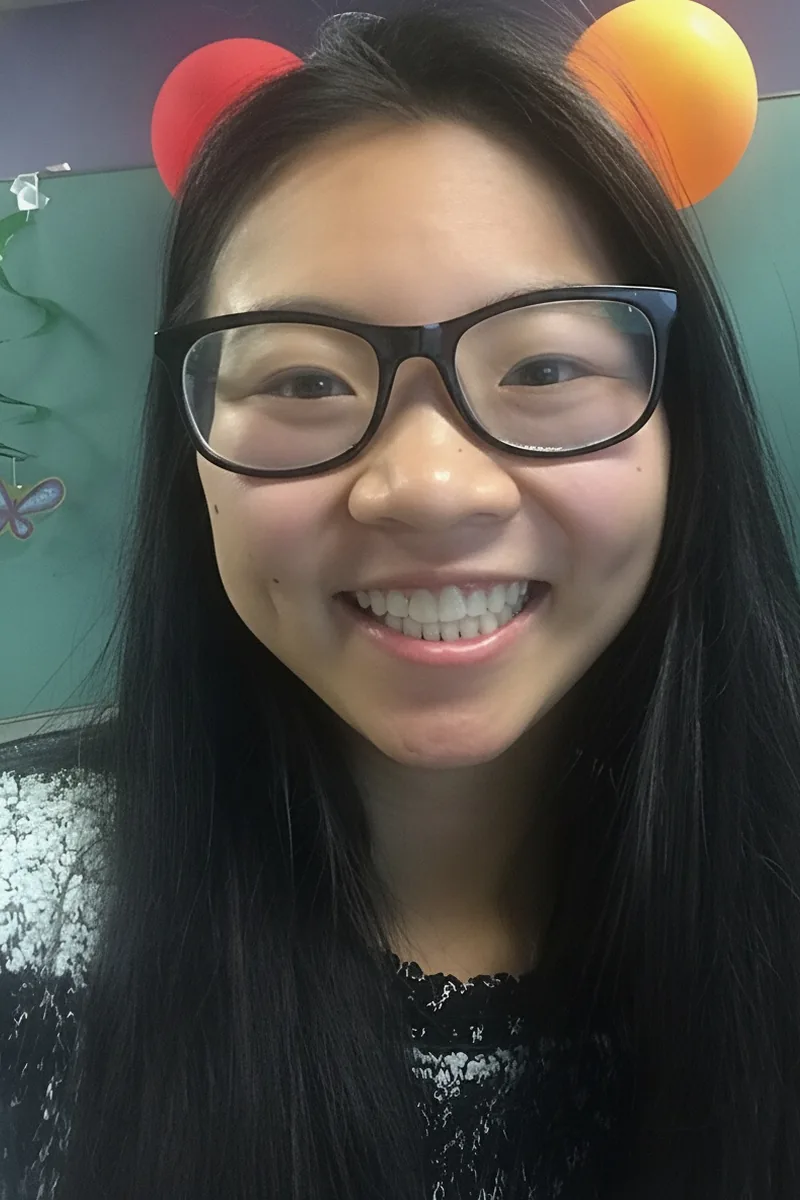
I am graduated from Penn State University in Industrial Engineering in 2017. I've tutored ever since I was in high school, and I love helping people! I like to help my students understand math (and other topics) instead of just doing it blindly. My goal is to help my students improve their math (and other topics) and build skills that will help them find learning easier in the future! Fun fact, I used to work for Disney and I like to salsa dance!
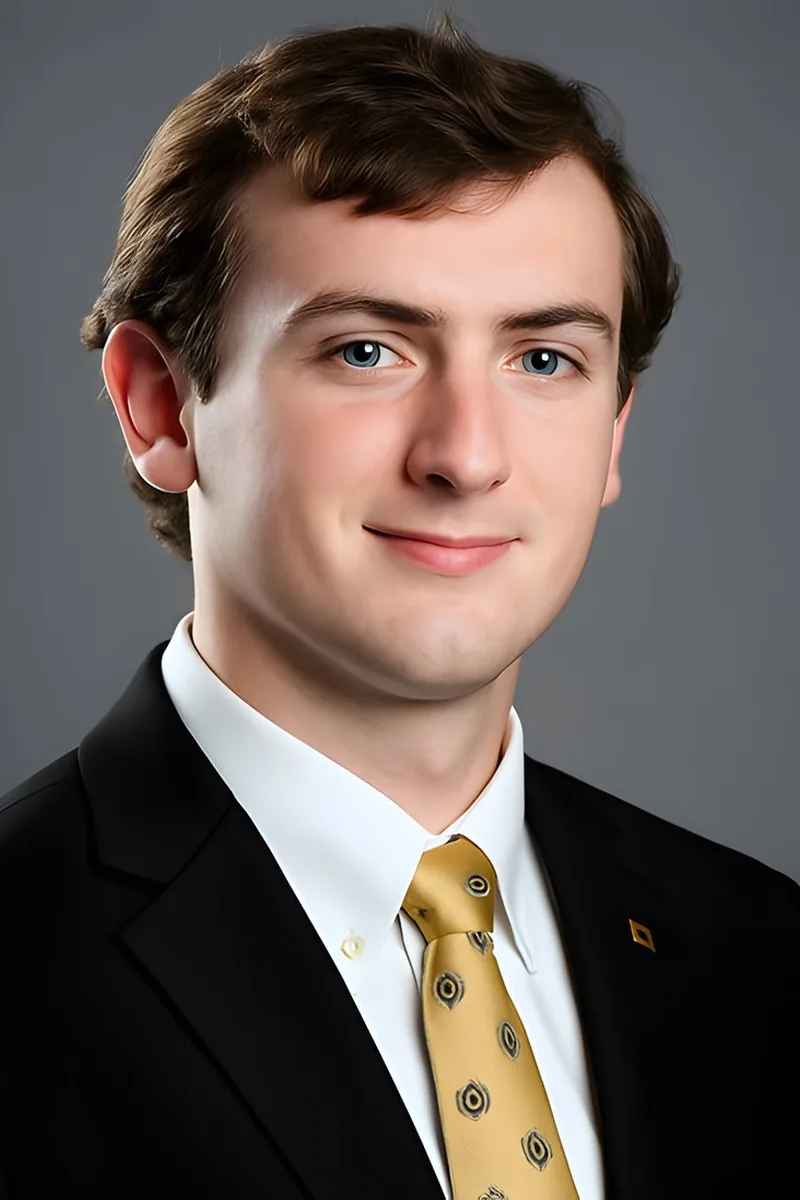
Harrison's interdisciplinary science background — spanning biochemistry, physics, and nanotechnology research — gives him an unusual entry point into computational thinking: he's used algorithms and data analysis to solve real laboratory problems. For AP CSP, he unpacks how concepts like data representation and abstraction apply outside of traditional coding, which clicks for students who think of themselves as scientists rather than programmers.
Derek scored 5s on both AP Computer Science A and AP Physics C while taking 16 APs at the high school level, so he knows how to manage the breadth of a course like AP CSP without letting any Big Idea slip through the cracks. Now studying CS at Harvard with an applied math minor, he digs into the algorithmic thinking and pseudocode reasoning that drive the multiple-choice section — and coaches students through the Create Task with the structured planning habits that come from building real software projects.
Dalila's math degree gives her a sharper lens on the algorithmic and data-representation units that carry the most weight in AP CSP — she can explain why a particular sorting approach scales better than another or how abstraction layers simplify a complex problem. For the Create Performance Task, she emphasizes building clean pseudocode logic first, then translating it into a written response that hits every rubric point without overcomplicating the code.
Studying both neuroscience and computer science at Duke means Ankit lives at the intersection AP CSP actually tests — how computing shapes real-world systems, from brain imaging pipelines to cybersecurity ethics. He digs into the algorithmic thinking and data representation questions that trip students up on the multiple-choice section, and coaches the Create Task from initial planning through the written response. Rated 4.8 by students.
Two years working in AI and machine learning gave Brandon a firsthand sense of how the Big Ideas in AP CSP — data representation, algorithmic efficiency, the societal implications of computing — play out in industry, especially around bias in datasets and the ethics of automation. He teaches the Internet and cybersecurity portions of the course through the lens of systems he's actually built, and his CS master's work at RIT keeps him sharp on the pseudocode reasoning the exam demands. Rated 4.9 by students.
Lance studied both theoretical mathematics and computer science as an undergraduate before entering medical school, which means he's written real code in Java, C, and SQL — not just traced pseudocode on a worksheet. That practical depth lets him teach AP CSP's algorithmic thinking and abstraction concepts through actual programming logic, giving students a clearer mental model when they hit the Create Task or encounter unfamiliar algorithm-tracing questions on the exam.
Daniel writes production software for a living and is pursuing a PhD in Computer Science, which means he can show students exactly how concepts like abstraction, algorithms, and data representation play out in real codebases — not just on slides. He's particularly effective at coaching the Create Task, walking students through project planning and the written responses that separate a 3 from a 5. Rated 5.0 by students.
Computer engineering at Georgia Tech means Yash lives in the space where hardware meets software — exactly the kind of systems-level thinking that makes AP CSP's Big Ideas about the internet, abstraction, and data representation feel intuitive rather than abstract. He teaches students to trace pseudocode and reason through algorithm questions the way an engineer debugs a circuit: step by step, with nothing assumed. Rated 5.0 by students.
AP CSP covers a surprisingly wide range — the internet, data analysis, cybersecurity, and the societal impacts of computing — without going deep into any single programming language. Samuel connects these broad topics back to concrete examples from his own CS studies at Florida Tech, making the create task and multiple-choice exam feel far more manageable. Rated 5.0 by students.
Parker's dual focus on computer science and studio art gives him an unusual lens for AP CSP — a course where creativity and computational thinking intersect directly in the Create Task. He teaches students to approach abstraction and algorithm design the way a designer approaches a project: define the problem, sketch the logic, then build and refine. Perfect scores on both the SAT and ACT back up the analytical rigor behind that creative process.
Biology majors don't usually stand out for AP CSP — but the course's data analysis and impact-of-computing questions reward exactly the kind of scientific reasoning Liraz practices daily at Vanderbilt, where interpreting datasets and evaluating research methods is core to her coursework. She also brings MATLAB programming experience to the table, which grounds pseudocode logic in real coding habits rather than abstract exam drills.
I am a game designer, and tutor. I love teaching topics related to my skillset as well as other topics that I often use within my job. Very good with MATH as a passion. Helped so many students in Math
As a passionate educator with a Master's degree in Computer Science from Florida Atlantic University, I am dedicated to fostering a deep understanding of computational concepts in my students. With over 2 years of experience tutoring AP Computer Science A, AP Computer Science Principles, Python, and Java, I adopt a hands-on approach that emphasizes real-world problem-solving. My teaching philosophy revolves around creating a supportive environment where students feel encouraged to ask questions and actively engage with the material. I am motivated by the belief that every student has the potential to excel in technology, and I strive to guide them on their academic journeys. In my free time, I enjoy developing personal coding projects and exploring the latest technological advancements, sharing these insights with my students to spark their curiosity and enhance their learning experience. I am also a Software Engineer, and happy to discuss career development. Excited to work with you!
Studying computational science at Stanford while coming from a creative arts background at Juilliard's Pre-College program, Julia brings an unusual lens to AP CSP — she naturally bridges the course's technical units on algorithms and data representation with its emphasis on the societal and creative dimensions of computing. Her 1560 SAT and 5.0 tutoring rating back up the analytical chops, but it's that crossover between engineering and the arts that makes her especially effective at coaching the Create Task, where students need both programming logic and clear written explanation.
JF studies mathematical and computational science at Stanford, which means the algorithmic thinking and data representation ideas in AP CSP are woven into his daily coursework — not abstract exam topics. He teaches students to reason through pseudocode problems and structure their Create Task projects so every rubric criterion is addressed with clarity. Rated 5.0 by students.
I am a recent graduate with a master's in electrical engineering from Case Western Reserve University. I won the Bill and Melinda Gates Millennium Scholarship which covers full tuition up to Ph.D. I was on the Dean's List for three consecutive years. Additionally, I won the OZY Media Genius Award in 2015 to work on high-temperature superconductors. I currently work as a Technology Analyst at Accenture. I am also seriously considering whether I should go for a Ph.D. or not.
Jackson studies computer science at Haverford and codes in both Java and Python, which means he can walk students through the Create Task in whichever language their class uses — and explain the pseudocode logic the exam actually tests. His 5.0 rating comes from making the non-coding half of AP CSP click too, connecting topics like data compression and internet protocols to real programming decisions rather than leaving them as abstract vocabulary to memorize.
Teaching discrete math at Penn means Keenan spends his weeks translating abstract computational thinking into language undergraduates actually absorb — a skill that maps directly onto AP CSP's pseudocode reasoning and algorithm analysis questions. His philosophy degree also gives him an unusual edge on the exam's societal-impact questions, where students need to construct clear written arguments about data privacy, bias in algorithms, and computing ethics. Rated 5.0 by students.
Adel's PhD in mechanical engineering required extensive work in Java and computational modeling — skills that translate directly to the algorithmic thinking and pseudocode analysis at the heart of AP CSP. He unpacks topics like data representation and abstraction by tying them to engineering simulations where those concepts have real consequences. Rated 4.8 by students.
Payton is a Computer Science major at Texas A&M who codes in Python, C++, and Haskell — but AP CSP's exam cares more about pseudocode reasoning and explaining computational ideas in plain English than writing compilable programs. She teaches students to bridge that gap, translating real programming instincts into the kind of clear, structured responses the Create Task and multiple-choice questions actually reward. Rated 4.9 by students.
Manideep's day-to-day at Northwestern splits between biology coursework and programming in Python for data analysis, which maps directly onto AP CSP's emphasis on how computing intersects with other fields. He teaches the algorithmic thinking and data representation concepts by tying them to problems he's actually solved — like modeling biological datasets — so the exam's Big Ideas feel grounded rather than abstract. Rated 5.0 by students.
Bryan codes in Java, C++, Python, and JavaScript daily as a CS major at Penn, which means the programming and algorithm design portions of AP CSP come naturally — but he's equally sharp on the conceptual side, like explaining how data travels across the internet or why abstraction matters in system design. He scored a 35 ACT and holds a 5.0 tutoring rating, and he's particularly effective at coaching students through the written response component of the Create Task, where clear technical communication counts as much as the code itself.
Biomedical engineering at Cornell means Annie writes Python and MATLAB to process real research data — skills that map directly onto AP CSP's emphasis on programming, data analysis, and algorithmic thinking. She teaches the Create Task as a scaled-down version of the same design process she uses in lab: define the problem, plan the logic, build iteratively, then explain your choices clearly. Rated 4.9 by students.
Victoria's CS coursework at Washington University in St. Louis means she can ground AP CSP's abstract Big Ideas — like how abstraction layers simplify complex systems or why algorithms have different efficiencies — in actual programming experience across Java, Python, and C++. That real coding fluency is especially useful when students need to move from pseudocode on the exam to functional code in the Create Task. Rated 5.0 by students.
Having TA'd computer science courses at MIT and now pursuing a PhD in Operations Research at Georgia Tech, Isabella brings real programming fluency — particularly in Python — to the algorithmic thinking and data analysis threads that run through AP CSP. She digs into how pseudocode on the exam maps to actual code students write for the Create Task, making the connection between abstract logic and working programs click. Rated 5.0 by students.
Testimonials
Because the right AP Computer Science Principles tutor makes all the difference.
Average Session Rating – Based on 3.4M Learner Ratings
Nearby AP Computer Science Principles Tutors
Other Orlando Tutors
Related Technology and Coding Tutors in Orlando
Frequently Asked Questions
AP Computer Science Principles covers five big ideas: creative development, data, algorithms, programming, and computing innovations. The course emphasizes computational thinking and real-world applications rather than heavy programming syntax. For students in Orlando preparing for the AP exam, you'll work through unit-based content including variables, control structures, functions, and the impact of computing on society—all designed to develop practical problem-solving skills.
The AP CSP exam consists of two parts: a multiple-choice section (80 questions, 120 minutes) and a Create Performance Task (completed during the school year, submitted digitally). The multiple-choice section tests conceptual understanding across all five big ideas, while the Create Task requires you to design, implement, and document a computing innovation. Success requires both solid conceptual knowledge and the ability to articulate your thinking clearly in written form.
Many students struggle with translating conceptual understanding into the Create Performance Task—knowing the theory is different from designing and documenting a project effectively. Others find the breadth of topics (from algorithms to societal impact) challenging to organize mentally. Time management during the multiple-choice section can also be tricky, as questions often require careful reading and analysis. Personalized tutoring helps you identify which areas need reinforcement and develop strategies to tackle the Create Task with confidence.
Score improvement depends on your starting point and how consistently you engage with tutoring. Students who work through practice problems, review past exams, and get feedback on their Create Task typically see meaningful gains—often 1-2 score points over a semester. The key is identifying your specific weak areas (whether that's algorithm design, data representation, or written communication) and targeting those systematically. Varsity Tutors connects you with expert tutors who can create a focused study plan tailored to your needs.
Yes. Tutors can help you brainstorm project ideas, understand the task requirements, and develop your computational thinking process—but the actual creation and documentation must be your own work. A tutor can guide you through planning, help you think through algorithms and data structures, review your written explanations for clarity, and suggest ways to strengthen your documentation. This support is invaluable for turning a good project into one that earns a strong score.
Most students benefit from starting tutoring review 2-3 months before the AP exam in May, though this depends on your comfort level with the material. If you're struggling with specific concepts, starting earlier (even in the fall) gives you time to build a solid foundation. A typical study schedule includes weekly tutoring sessions, regular practice with multiple-choice questions, and dedicated time working on your Create Task. Spacing out your study over time is more effective than cramming, and tutors can help you pace your preparation strategically.
The College Board provides official AP CSP practice materials, including sample multiple-choice questions and Create Task exemplars that show what high-scoring projects look like. Beyond that, your course materials and any practice exams your school provides are valuable. Tutors often recommend working through practice questions under timed conditions to build pacing skills and identify weak areas. Using a mix of official resources and targeted practice on your specific challenge areas will give you the best preparation.
Look for tutors with strong computer science backgrounds, ideally with experience teaching or tutoring AP CSP specifically. They should understand both the technical content and the exam format, including how the Create Task is scored. For students in Orlando, Varsity Tutors connects you with tutors who have demonstrated expertise in AP Computer Science Principles and can explain complex concepts clearly. During your first session, you can discuss their experience and make sure their teaching style matches how you learn best.
Let’s find your perfect tutor
Answer a few quick questions. We’ll recommend the right plan and match you with a top 5% tutor.