Award-Winning AP Computer Science Principles Tutors
serving Miami, FL
AP Computer Science Principles
Tutors in Miami
Private 1-on-1 tutoring, weekly live classes for academic support, test prep & enrichment, practice tests and diagnostics, and more to elevate grades and test scores.
Based on 3.4M Learner Ratings
UniversitiesSchools & Universities
DeliveredHours Delivered
ProficiencyGrowth in Proficiency
Who needs tutoring?
No obligation. Takes ~1 minute.
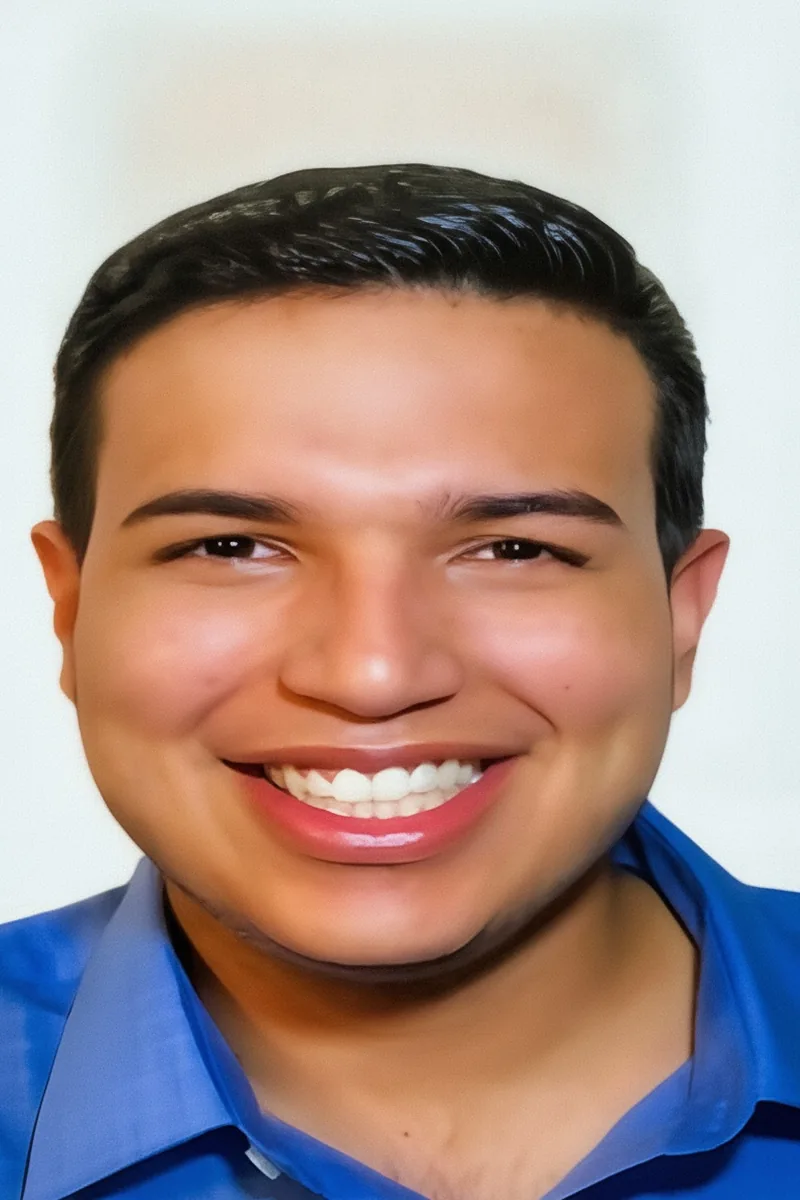
Derek scored 5s on both AP Computer Science A and AP Physics C while taking 16 APs at the high school level, so he knows how to manage the breadth of a course like AP CSP without letting any Big Idea slip through the cracks. Now studying CS at Harvard with an applied math minor, he digs into the algorithmic thinking and pseudocode reasoning that drive the multiple-choice section — and coaches students through the Create Task with the structured planning habits that come from building real software projects.
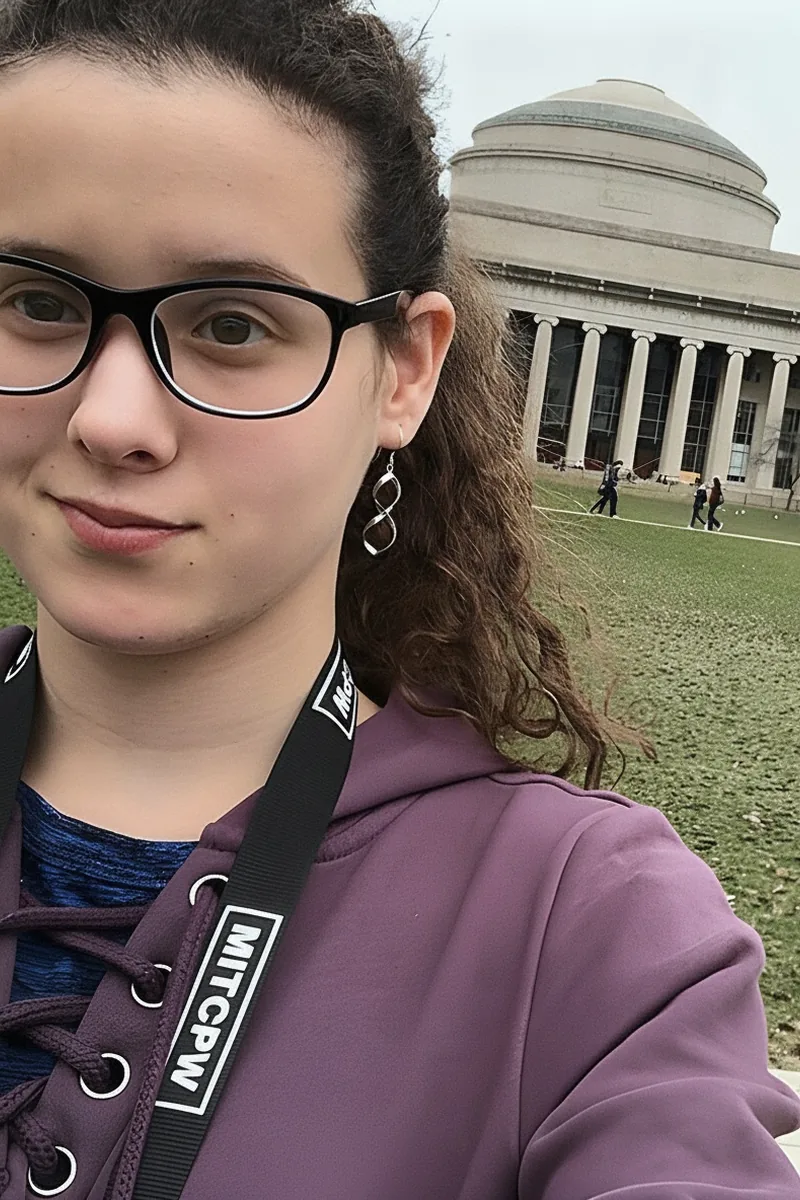
Dalila's math degree gives her a sharper lens on the algorithmic and data-representation units that carry the most weight in AP CSP — she can explain why a particular sorting approach scales better than another or how abstraction layers simplify a complex problem. For the Create Performance Task, she emphasizes building clean pseudocode logic first, then translating it into a written response that hits every rubric point without overcomplicating the code.
Lance studied both theoretical mathematics and computer science as an undergraduate before entering medical school, which means he's written real code in Java, C, and SQL — not just traced pseudocode on a worksheet. That practical depth lets him teach AP CSP's algorithmic thinking and abstraction concepts through actual programming logic, giving students a clearer mental model when they hit the Create Task or encounter unfamiliar algorithm-tracing questions on the exam.
I am graduated from Penn State University in Industrial Engineering in 2017. I've tutored ever since I was in high school, and I love helping people! I like to help my students understand math (and other topics) instead of just doing it blindly. My goal is to help my students improve their math (and other topics) and build skills that will help them find learning easier in the future! Fun fact, I used to work for Disney and I like to salsa dance!
Two years working in AI and machine learning gave Brandon a firsthand sense of how the Big Ideas in AP CSP — data representation, algorithmic efficiency, the societal implications of computing — play out in industry, especially around bias in datasets and the ethics of automation. He teaches the Internet and cybersecurity portions of the course through the lens of systems he's actually built, and his CS master's work at RIT keeps him sharp on the pseudocode reasoning the exam demands. Rated 4.9 by students.
Studying both neuroscience and computer science at Duke means Ankit lives at the intersection AP CSP actually tests — how computing shapes real-world systems, from brain imaging pipelines to cybersecurity ethics. He digs into the algorithmic thinking and data representation questions that trip students up on the multiple-choice section, and coaches the Create Task from initial planning through the written response. Rated 4.8 by students.
Daniel writes production software for a living and is pursuing a PhD in Computer Science, which means he can show students exactly how concepts like abstraction, algorithms, and data representation play out in real codebases — not just on slides. He's particularly effective at coaching the Create Task, walking students through project planning and the written responses that separate a 3 from a 5. Rated 5.0 by students.
Computer engineering at Georgia Tech means Yash lives in the space where hardware meets software — exactly the kind of systems-level thinking that makes AP CSP's Big Ideas about the internet, abstraction, and data representation feel intuitive rather than abstract. He teaches students to trace pseudocode and reason through algorithm questions the way an engineer debugs a circuit: step by step, with nothing assumed. Rated 5.0 by students.
AP CSP covers a surprisingly wide range — the internet, data analysis, cybersecurity, and the societal impacts of computing — without going deep into any single programming language. Samuel connects these broad topics back to concrete examples from his own CS studies at Florida Tech, making the create task and multiple-choice exam feel far more manageable. Rated 5.0 by students.
Parker's dual focus on computer science and studio art gives him an unusual lens for AP CSP — a course where creativity and computational thinking intersect directly in the Create Task. He teaches students to approach abstraction and algorithm design the way a designer approaches a project: define the problem, sketch the logic, then build and refine. Perfect scores on both the SAT and ACT back up the analytical rigor behind that creative process.
Harrison's interdisciplinary science background — spanning biochemistry, physics, and nanotechnology research — gives him an unusual entry point into computational thinking: he's used algorithms and data analysis to solve real laboratory problems. For AP CSP, he unpacks how concepts like data representation and abstraction apply outside of traditional coding, which clicks for students who think of themselves as scientists rather than programmers.
Biology majors don't usually stand out for AP CSP — but the course's data analysis and impact-of-computing questions reward exactly the kind of scientific reasoning Liraz practices daily at Vanderbilt, where interpreting datasets and evaluating research methods is core to her coursework. She also brings MATLAB programming experience to the table, which grounds pseudocode logic in real coding habits rather than abstract exam drills.
I am a game designer, and tutor. I love teaching topics related to my skillset as well as other topics that I often use within my job. Very good with MATH as a passion. Helped so many students in Math
As a passionate educator with a Master's degree in Computer Science from Florida Atlantic University, I am dedicated to fostering a deep understanding of computational concepts in my students. With over 2 years of experience tutoring AP Computer Science A, AP Computer Science Principles, Python, and Java, I adopt a hands-on approach that emphasizes real-world problem-solving. My teaching philosophy revolves around creating a supportive environment where students feel encouraged to ask questions and actively engage with the material. I am motivated by the belief that every student has the potential to excel in technology, and I strive to guide them on their academic journeys. In my free time, I enjoy developing personal coding projects and exploring the latest technological advancements, sharing these insights with my students to spark their curiosity and enhance their learning experience. I am also a Software Engineer, and happy to discuss career development. Excited to work with you!
Studying computational science at Stanford while coming from a creative arts background at Juilliard's Pre-College program, Julia brings an unusual lens to AP CSP — she naturally bridges the course's technical units on algorithms and data representation with its emphasis on the societal and creative dimensions of computing. Her 1560 SAT and 5.0 tutoring rating back up the analytical chops, but it's that crossover between engineering and the arts that makes her especially effective at coaching the Create Task, where students need both programming logic and clear written explanation.
Computer engineering majors live inside the concepts AP CSP tests — binary representation, how the internet's layers talk to each other, the way abstraction turns messy problems into clean designs. Alfred studies exactly this at URI, so he can ground pseudocode questions and Create Task planning in the real engineering systems he's building in his own coursework. Rated 5.0 by students.
Sasha's computer engineering degree means the hardware side of AP CSP — binary encoding, logic gates, how data physically moves through networks — isn't abstract theory but something she's built circuits around. She uses that hands-on perspective to make the course's Big Ideas feel grounded, especially when students hit the units on data representation and internet protocols that tend to blur together without a concrete mental model. Rated 4.9 by students.
Samuel's applied math training at Caltech intersects directly with AP CSP's algorithm and data units — he can trace how a sorting algorithm's efficiency scales or why lossy compression works because he uses that math daily. He also taught a discrete mathematics course through PACT, which means pseudocode logic and combinatorial reasoning come naturally when prepping students for both the multiple-choice exam and the Create Task.
Stanford's economics curriculum leans heavily on data analysis and programming — skills that map directly onto AP CSP's units on data representation, algorithms, and computational thinking. Julia applies that quantitative training to demystify pseudocode logic and the Create Task's written responses, where clearly explaining your program matters as much as building it. Rated 4.8 by students.
With a strong background in STEM education and administration, I am passionate about helping students achieve academic success through personalized learning. My experience as a high school STEM teacher has allowed me to guide students in subjects such as artificial intelligence, machine learning, renewable energy technology, supply chain management, and manufacturing systems. Additionally, my administrative expertise has honed my ability to provide structured and efficient support to learners of all levels. I have earned certifications from the Massachusetts Institute of Technology, International Business Machines (IBM), and the New York Institute of Finance, dedicating years to making complex concepts more engaging and accessible. My tutoring style is adaptive, ensuring that each student's unique learning needs are met with patience and clarity. I believe in creating a supportive learning environment where students feel confident in tackling challenges and mastering new skills. While I tutor a broad range of subjects, I am particularly passionate about STEM-related fields, as they shape the future of technology and innovation. Beyond academics, I enjoy exploring advancements in artificial intelligence, renewable energy solutions, and automotive technology. My goal is to inspire curiosity, critical thinking, and a lifelong love of learning in every student I work with.
Currently studying Computer Science at UCLA's Engineering School with a software engineering internship at Adobe under his belt, David knows how the abstractions taught in AP CSP — algorithms, data representation, internet protocols — actually play out in production code. He uses that industry context to make pseudocode tracing and the Create Task feel purposeful rather than academic. Rated 4.8 by students.
Bryan codes in Java, C++, Python, and JavaScript daily as a CS major at Penn, which means the programming and algorithm design portions of AP CSP come naturally — but he's equally sharp on the conceptual side, like explaining how data travels across the internet or why abstraction matters in system design. He scored a 35 ACT and holds a 5.0 tutoring rating, and he's particularly effective at coaching students through the written response component of the Create Task, where clear technical communication counts as much as the code itself.
Adel's PhD in mechanical engineering required extensive work in Java and computational modeling — skills that translate directly to the algorithmic thinking and pseudocode analysis at the heart of AP CSP. He unpacks topics like data representation and abstraction by tying them to engineering simulations where those concepts have real consequences. Rated 4.8 by students.
Most AP CSP students get tripped up not by the technical content but by the exam's pseudocode — reading and tracing algorithms written in a language nobody actually codes in. Maxwell's math and physics training means he thinks naturally in abstractions and logical structures, so he can teach students to parse those pseudocode questions the way he'd parse a proof: step by step, tracking what changes and why. Rated 5.0 by students.
Benjamin's finance and economics training at Notre Dame meant constant work with data modeling, algorithmic thinking, and spreadsheet automation — skills that map directly onto AP CSP's units on data analysis, abstraction, and the impact of computing. He approaches the Create Task like a business case: define the problem, plan the logic in pseudocode, build it, then write it up so a non-technical audience gets it. Rated 5.0 by students.
Kevin's Stanford Biocomputation research sits at the intersection of CS and biology, which means he can teach AP CSP's algorithmic thinking and data analysis concepts through real examples — like how machine learning models process biological datasets or how compression algorithms handle genomic sequences. He also brings hands-on Python and C++ fluency to the Create Task, coaching students through both the programming and the written explanation that the rubric demands. Rated 5.0 by students.
Testimonials
Because the right AP Computer Science Principles tutor makes all the difference.
Average Session Rating – Based on 3.4M Learner Ratings
Nearby AP Computer Science Principles Tutors
Other Miami Tutors
Related Technology and Coding Tutors in Miami
Frequently Asked Questions
AP Computer Science Principles focuses on computational thinking and real-world applications of computer science rather than heavy programming. The course covers five big ideas: creative development, data, algorithms, programming, and the internet. Students learn to design apps, analyze data, understand how the internet works, and explore the societal impacts of computing—making it accessible for students without prior coding experience.
The AP CSP exam has two components: a multiple-choice section (worth 70% of your score) with about 70 questions covering all five big ideas, and a Create Performance Task (worth 30%) where you design and code a program outside of the exam. The multiple-choice section tests conceptual understanding and problem-solving, while the Create Task assesses your ability to design, implement, and document a real application.
Many students struggle with translating abstract computational thinking concepts into practical code, especially if they're new to programming. Others find the Create Performance Task overwhelming because it requires planning, coding, testing, and writing detailed documentation—all within strict guidelines. Understanding algorithm design and tracing code logic also trips up students who haven't built strong problem-solving foundations yet.
Expert tutors can break down complex computational concepts into digestible pieces, help you practice the specific question formats on the multiple-choice section, and guide you through the Create Performance Task step-by-step. They'll identify your weak areas—whether that's algorithm design, data interpretation, or coding syntax—and create a targeted study plan. With personalized 1-on-1 instruction, you'll also build confidence tackling unfamiliar problems, which directly impacts test day performance.
Most students benefit from starting test prep 2-3 months before the exam, dedicating 5-7 hours per week to studying and practice. If you're new to programming or computational thinking, starting earlier (4-5 months out) gives you time to build foundational skills without rushing. Consistent, focused practice with real AP questions and working through the Create Task requirements is more effective than cramming last-minute.
Practice tests help you get comfortable with the exam's question formats, pacing, and the types of scenarios the College Board tests. They reveal which topics need more work—like data analysis, algorithm tracing, or internet concepts—so you can focus your studying efficiently. Taking full-length practice tests under timed conditions also builds stamina and reduces test anxiety by making the real exam feel familiar.
Start by choosing a program idea you're genuinely interested in—you'll spend weeks on it, so motivation matters. Plan your program design before coding, document your process as you go, and test thoroughly. Tutors can help you understand the rubric requirements (program purpose, design decisions, algorithm complexity, and written reflection) and ensure your documentation clearly demonstrates your computational thinking, which is what the College Board is really evaluating.
A score of 3 or higher is considered passing and earns college credit at most institutions. However, aiming for a 4 or 5 (especially if you're applying to competitive colleges) shows strong mastery of computational thinking and programming concepts. With focused preparation and personalized tutoring, most students can improve their performance by identifying knowledge gaps early and practicing consistently.
Let’s find your perfect tutor
Answer a few quick questions. We’ll recommend the right plan and match you with a top 5% tutor.