Award-Winning AP Computer Science Principles Tutors
serving Sarasota, FL
Award-Winning
AP Computer Science Principles
Tutors in Sarasota
Private 1-on-1 tutoring, weekly live classes for academic support, test prep & enrichment, practice tests and diagnostics, and more to elevate grades and test scores.
Based on 3.4M Learner Ratings
UniversitiesSchools & Universities
DeliveredHours Delivered
ProficiencyGrowth in Proficiency
Who needs tutoring?
No obligation. Takes ~1 minute.
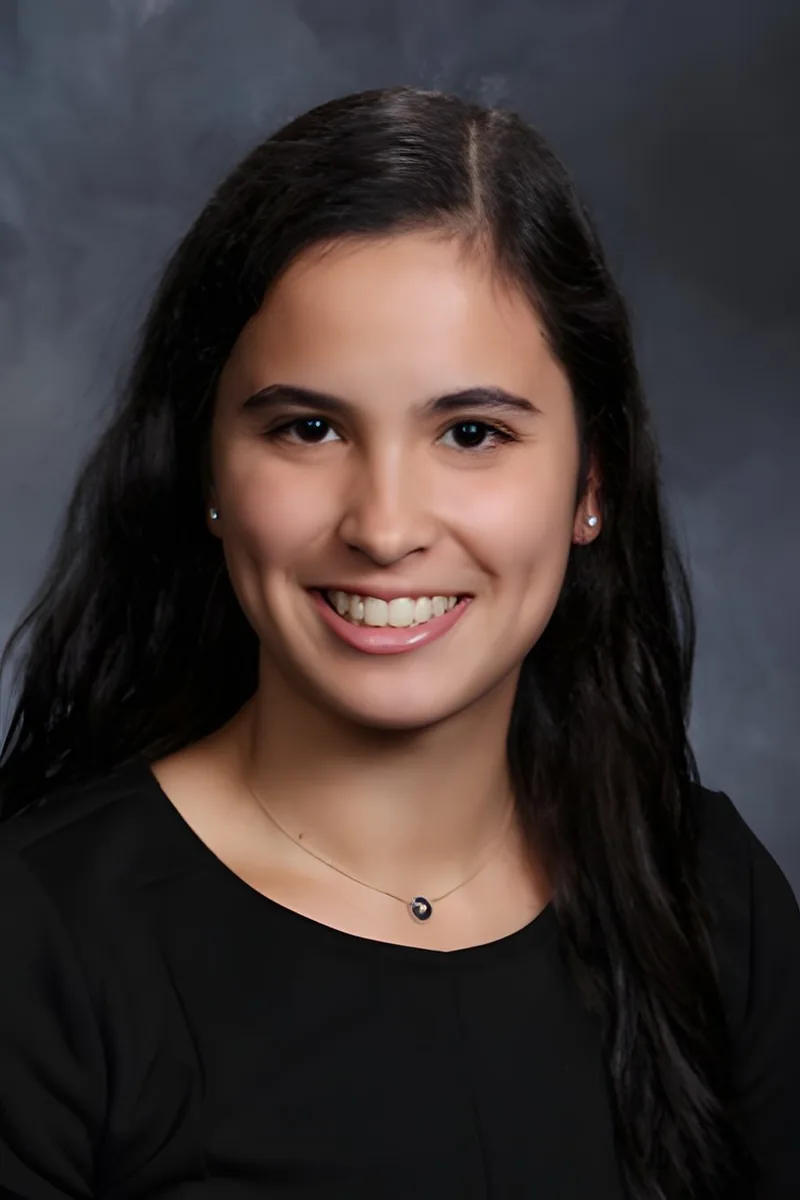
Having TA'd computer science courses at MIT and now pursuing a PhD in Operations Research at Georgia Tech, Isabella brings real programming fluency — particularly in Python — to the algorithmic thinking and data analysis threads that run through AP CSP. She digs into how pseudocode on the exam maps to actual code students write for the Create Task, making the connection between abstract logic and working programs click. Rated 5.0 by students.
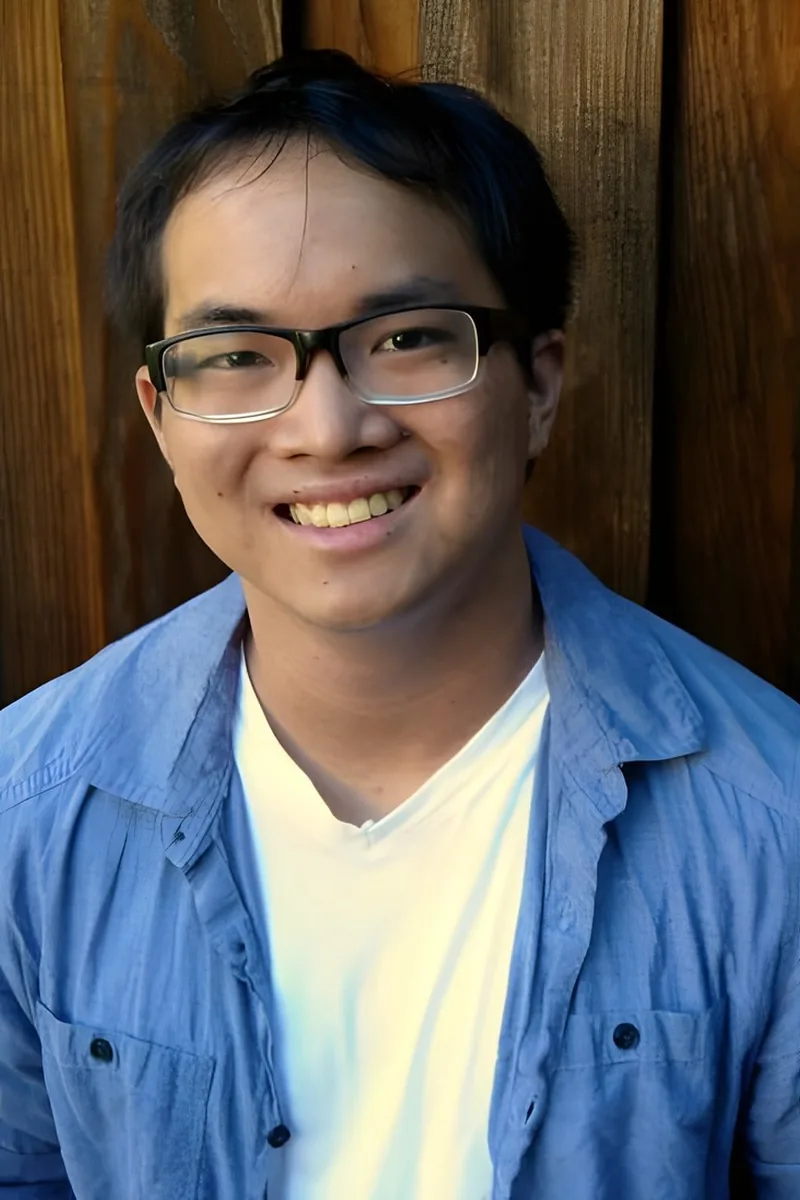
Cognitive science training at Stanford gave David an unusual lens for AP CSP — he studied how humans process information before studying how computers do, which means he can explain abstraction, algorithms, and data representation in terms that actually click. His experience teaching web and app development to high schoolers abroad sharpened his ability to walk students through the Create Task from planning to polished written response.
Caltech's CS curriculum drills computational thinking at a level that makes AP CSP's big ideas — abstraction, algorithm design, data representation — feel like familiar territory for Brian. He teaches students to reason through pseudocode and explain their design choices in plain language, which is exactly what the Create Task and the multiple-choice exam reward. His 1580 SAT speaks to the kind of precise, analytical communication that carries across disciplines.
JF studies mathematical and computational science at Stanford, which means the algorithmic thinking and data representation ideas in AP CSP are woven into his daily coursework — not abstract exam topics. He teaches students to reason through pseudocode problems and structure their Create Task projects so every rubric criterion is addressed with clarity. Rated 5.0 by students.
Samuel's applied math training at Caltech intersects directly with AP CSP's algorithm and data units — he can trace how a sorting algorithm's efficiency scales or why lossy compression works because he uses that math daily. He also taught a discrete mathematics course through PACT, which means pseudocode logic and combinatorial reasoning come naturally when prepping students for both the multiple-choice exam and the Create Task.
Ronit studies computer science at Yale and knows AP CSP's curriculum from the student side — which Big Ideas actually trip people up on the multiple-choice and where the Create Task rubric quietly punishes vague written responses. He digs into the explanatory writing piece that most students underestimate, teaching how to describe an algorithm's purpose and trace through pseudocode with the precision the exam expects. Rated 5.0 by students.
Kevin's Stanford Biocomputation research sits at the intersection of CS and biology, which means he can teach AP CSP's algorithmic thinking and data analysis concepts through real examples — like how machine learning models process biological datasets or how compression algorithms handle genomic sequences. He also brings hands-on Python and C++ fluency to the Create Task, coaching students through both the programming and the written explanation that the rubric demands. Rated 5.0 by students.
Stanford's economics curriculum leans heavily on data analysis and programming — skills that map directly onto AP CSP's units on data representation, algorithms, and computational thinking. Julia applies that quantitative training to demystify pseudocode logic and the Create Task's written responses, where clearly explaining your program matters as much as building it. Rated 4.8 by students.
Biomedical engineering at Cornell means Annie writes Python and MATLAB to process real research data — skills that map directly onto AP CSP's emphasis on programming, data analysis, and algorithmic thinking. She teaches the Create Task as a scaled-down version of the same design process she uses in lab: define the problem, plan the logic, build iteratively, then explain your choices clearly. Rated 4.9 by students.
Derek scored 5s on both AP Computer Science A and AP Physics C while taking 16 APs at the high school level, so he knows how to manage the breadth of a course like AP CSP without letting any Big Idea slip through the cracks. Now studying CS at Harvard with an applied math minor, he digs into the algorithmic thinking and pseudocode reasoning that drive the multiple-choice section — and coaches students through the Create Task with the structured planning habits that come from building real software projects.
Benjamin's finance and economics training at Notre Dame meant constant work with data modeling, algorithmic thinking, and spreadsheet automation — skills that map directly onto AP CSP's units on data analysis, abstraction, and the impact of computing. He approaches the Create Task like a business case: define the problem, plan the logic in pseudocode, build it, then write it up so a non-technical audience gets it. Rated 5.0 by students.
Kerr is currently building iOS apps and games as a CS major at Vanderbilt, which means the programming and design thinking in AP CSP's Create Task mirrors what he does every week. He teaches pseudocode logic and algorithm design by connecting them to real development decisions — like why a particular data structure speeds up a game or how abstraction keeps an app's codebase manageable. Rated 4.9 by students.
Testimonials
Because the right AP Computer Science Principles tutor makes all the difference.
Average Session Rating – Based on 3.4M Learner Ratings
Nearby AP Computer Science Principles Tutors
Other Sarasota Tutors
Related Technology and Coding Tutors in Sarasota
Frequently Asked Questions
AP Computer Science Principles covers five big ideas: creative development, data, algorithms, programming, and impact of computing. Students learn computational thinking, design processes, and how to create applications using block-based or text-based languages. The course emphasizes real-world applications and problem-solving rather than deep programming syntax, making it accessible to students with varying technical backgrounds.
The AP CSP exam consists of two components: a Create Performance Task (30% of score) completed during the school year where students design and code a program, and the End-of-Course Exam (70% of score) with multiple-choice and short-answer questions taken in May. The exam assesses both conceptual understanding and practical application, so success requires preparation across coding, design thinking, and test-taking strategies.
A score of 3 or higher is considered "passing" and typically earns college credit, though requirements vary by institution. Most competitive colleges prefer scores of 4 or 5. With focused preparation starting several months before the May exam, students can realistically improve their performance by understanding the Create Task requirements and mastering the multiple-choice question formats through practice tests.
Students often struggle with the Create Performance Task, which requires documenting their design process and explaining their code's functionality—not just writing working code. The exam's emphasis on computational thinking and algorithms can be challenging for students without prior programming experience. Additionally, managing the balance between the year-long project and exam preparation while juggling other AP courses is a common pain point.
Varsity Tutors connects you with expert tutors who can break down complex programming concepts, guide you through the Create Task documentation process, and help you develop strong test-taking strategies for the multiple-choice section. Tutors can identify your weak areas through practice exams, teach you how to approach algorithm questions efficiently, and build your confidence with timed practice under exam conditions.
The Create Task requires you to design a program, code it, and document your process thoroughly—the written explanation is just as important as the code itself. Start by choosing a problem you're genuinely interested in solving, plan your program's logic before coding, and leave time to write clear documentation of your design decisions and how your code works. A tutor can help you organize your work, review your documentation for clarity, and ensure you're meeting all the College Board's requirements.
Ideally, begin focused exam preparation 2-3 months before the May test while simultaneously working on your Create Task. This timeline allows you to take multiple practice tests, identify weak areas in algorithms and data concepts, and refine your test-taking pacing. If you're struggling earlier in the year, connecting with a tutor sooner can help you build foundational skills and reduce stress as exam day approaches.
Varsity Tutors connects you with expert tutors for students in Sarasota who specialize in AP Computer Science Principles and understand both the technical content and the exam format. You can get matched with a tutor who fits your schedule and learning style, whether you need help with specific coding concepts, the Create Task, or comprehensive exam preparation. Most students see the best results when they start with a tutor early enough to build strong fundamentals before high-pressure test prep begins.
Let’s find your perfect tutor
Answer a few quick questions. We’ll recommend the right plan and match you with a top 5% tutor.