Award-Winning AP Computer Science Principles Tutors
serving Bridgeport, CT
AP Computer Science Principles
Tutors in Bridgeport
Private 1-on-1 tutoring, weekly live classes for academic support, test prep & enrichment, practice tests and diagnostics, and more to elevate grades and test scores.
Based on 3.4M Learner Ratings
UniversitiesSchools & Universities
DeliveredHours Delivered
ProficiencyGrowth in Proficiency
Who needs tutoring?
No obligation. Takes ~1 minute.
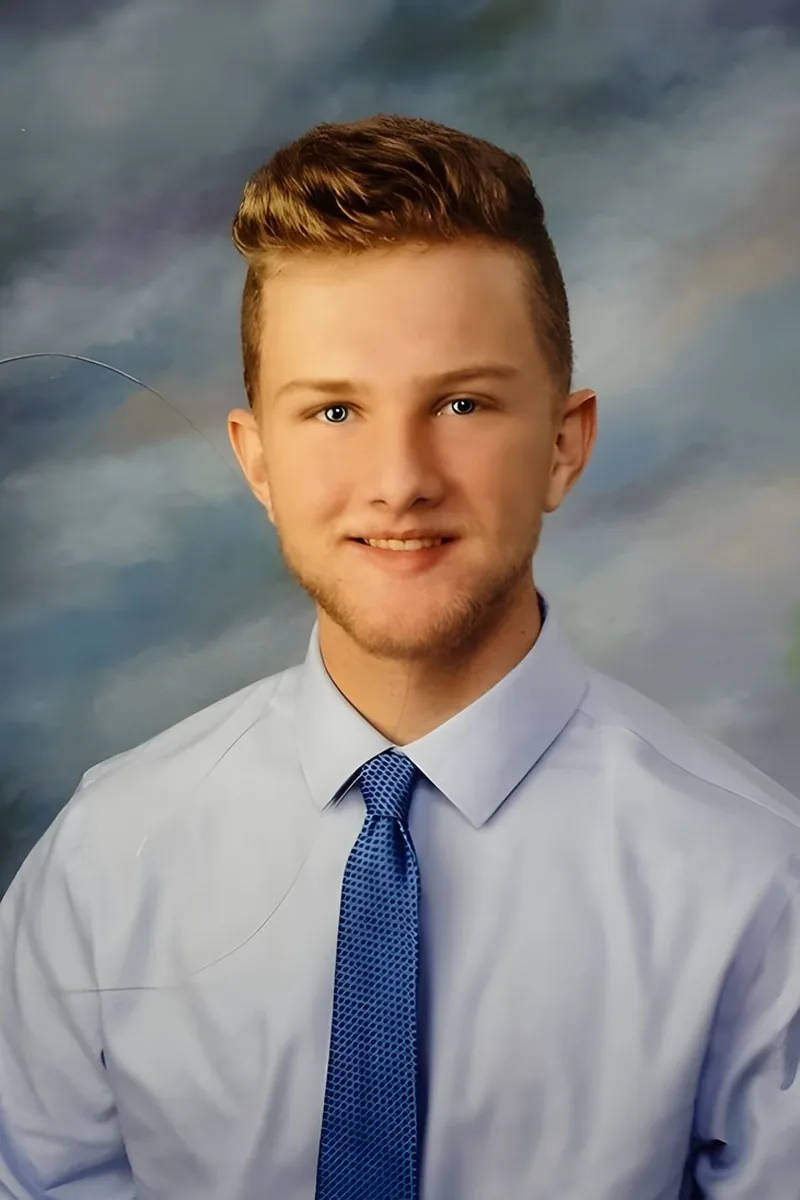
Computer engineering majors live inside the concepts AP CSP tests — binary representation, how the internet's layers talk to each other, the way abstraction turns messy problems into clean designs. Alfred studies exactly this at URI, so he can ground pseudocode questions and Create Task planning in the real engineering systems he's building in his own coursework. Rated 5.0 by students.
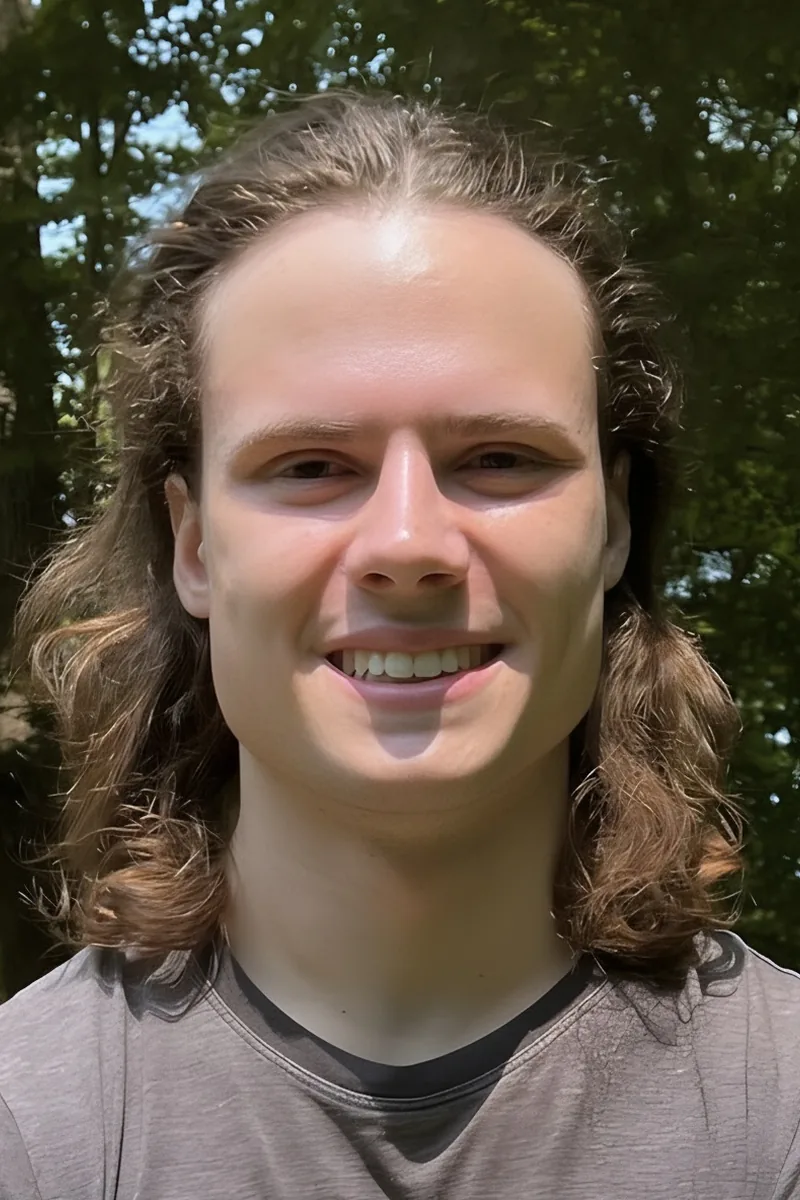
Evan's game development work in Unity — building systems that rely on abstraction layers, event-driven logic, and efficient data handling — maps directly onto the computational thinking AP CSP tests. He uses his own projects to show students how pseudocode translates into real design decisions, which makes the Create Task feel like building something instead of checking rubric boxes. His 34 ACT reflects the kind of cross-disciplinary reasoning this exam rewards.
Software engineering internships at Apple and Microsoft gave Jerry a firsthand view of how the concepts in AP CSP — abstraction, algorithm design, data representation — actually play out in production code. He uses that industry context to make the Create Performance Task feel like a real development project rather than a classroom exercise, which sharpens both the programming and the written-response components. Rated 4.9 by students.
Intensely curious, I am interested in STEM subjects and the liberal arts. I tutor to help you reach your educational goals and because it's immensely gratifying to see my students succeed.
Matthew codes in Java, C++, Python, and JavaScript — so when AP CSP asks students to reason about algorithms or explain how a program works in pseudocode, he can ground those abstractions in actual programming logic most students haven't seen yet. His Harvard math and CS coursework also means he's sharp on the data analysis and binary representation questions that trip up students who only studied the vocabulary. Rated 4.9 by students.
John's CS degree plus years coding in Java, C++, and SQL means he can ground AP CSP's more abstract units — like how the internet actually moves data or why abstraction matters in program design — in real programming experience. He also brings a finance MBA perspective to the data analysis and societal impact questions, giving students a practical lens that makes exam responses sharper and more specific.
Studying neuroscience at Rice means Brett regularly writes code to analyze brain imaging data and model biological systems — practical computing experience that maps directly onto AP CSP's emphasis on data analysis, algorithms, and the real-world impact of technology. He teaches the pseudocode logic and abstraction concepts the exam tests by grounding them in problems students can actually picture. Rated 5.0 by students.
Derek scored 5s on both AP Computer Science A and AP Physics C while taking 16 APs at the high school level, so he knows how to manage the breadth of a course like AP CSP without letting any Big Idea slip through the cracks. Now studying CS at Harvard with an applied math minor, he digs into the algorithmic thinking and pseudocode reasoning that drive the multiple-choice section — and coaches students through the Create Task with the structured planning habits that come from building real software projects.
Stanford's economics curriculum leans heavily on data analysis and programming — skills that map directly onto AP CSP's units on data representation, algorithms, and computational thinking. Julia applies that quantitative training to demystify pseudocode logic and the Create Task's written responses, where clearly explaining your program matters as much as building it. Rated 4.8 by students.
Ronit studies computer science at Yale and knows AP CSP's curriculum from the student side — which Big Ideas actually trip people up on the multiple-choice and where the Create Task rubric quietly punishes vague written responses. He digs into the explanatory writing piece that most students underestimate, teaching how to describe an algorithm's purpose and trace through pseudocode with the precision the exam expects. Rated 5.0 by students.
AP CSP's exam leans heavily on the impact-of-computing and internet-infrastructure Big Ideas that many tutors rush past in favor of pseudocode drills. Alston's CS coursework at UVA gives him the technical grounding to teach those systems-level topics thoroughly, while his background in writing and essay editing makes him a strong coach for the Create Task's written response — the piece most students underestimate until it costs them points.
Sasha's computer engineering degree means the hardware side of AP CSP — binary encoding, logic gates, how data physically moves through networks — isn't abstract theory but something she's built circuits around. She uses that hands-on perspective to make the course's Big Ideas feel grounded, especially when students hit the units on data representation and internet protocols that tend to blur together without a concrete mental model. Rated 4.9 by students.
Testimonials
Because the right AP Computer Science Principles tutor makes all the difference.
Average Session Rating – Based on 3.4M Learner Ratings
Nearby AP Computer Science Principles Tutors
Other Bridgeport Tutors
Related Technology and Coding Tutors in Bridgeport
Frequently Asked Questions
AP Computer Science Principles focuses on computational thinking, programming, algorithms, and data representation rather than just coding syntax. The course emphasizes how computing impacts society, cybersecurity, and real-world applications. Students learn through hands-on projects and create a portfolio piece (the Create Task) that demonstrates their understanding—this portfolio submission counts toward 30% of the final AP exam score.
Score improvement depends on your starting point and consistency with tutoring, but students typically see measurable gains within 4-6 weeks of focused preparation. Many students improve by 1-2 score points (on the 1-5 scale) by strengthening weak areas like algorithm design, data analysis, or the Create Task portfolio piece. A tutor can help you identify which concepts are holding you back and create a targeted study plan.
Students often struggle with understanding algorithms and tracing code logic, translating real-world problems into computational solutions, and managing the Create Task portfolio project alongside exam prep. The multiple-choice section also trips up students who rush through questions without carefully reading what's being asked. A tutor can break down these concepts step-by-step and teach you strategies to slow down and avoid careless mistakes.
Yes—the Create Task is a significant part of your AP score, and tutors can guide you through planning, coding, and documenting your project to meet College Board requirements. They'll help you choose a feasible idea, debug your code, and write clear explanations of your computational thinking process. Having expert feedback on your portfolio before submission can make a real difference in your performance.
The exam is 120 minutes with 70 multiple-choice questions and 5 free-response questions. A smart strategy is to spend about 60-70 minutes on multiple-choice (roughly 50 seconds per question) and reserve 40-50 minutes for free-response. A tutor can help you practice pacing with full-length practice tests and teach you which questions to tackle first based on difficulty and your strengths.
Aim for at least 3-4 full-length practice tests in the final 4-6 weeks before the exam. The first practice test helps identify your weak areas, and subsequent tests let you track improvement and refine your test-taking strategy. Between practice tests, focus tutoring sessions on the specific concepts where you're losing points.
Varsity Tutors connects you with expert tutors who specialize in AP Computer Science Principles and understand the curriculum inside and out. You can get matched with a tutor who fits your schedule and learning style, and many tutors offer flexible session formats to work around your school day. Start by telling us your goals and availability, and we'll find the right fit.
Your first session is typically an assessment and planning meeting. The tutor will review your current understanding of AP Computer Science Principles concepts, discuss your goals (score target, areas of concern), and create a personalized study plan. This might include identifying whether you need help with coding fundamentals, algorithm design, the Create Task, or test-taking strategy—so your tutoring is focused on what matters most for your success.
Let’s find your perfect tutor
Answer a few quick questions. We’ll recommend the right plan and match you with a top 5% tutor.