Award-Winning AP Chemistry Tutors
serving Colorado Springs, CO
AP Chemistry
Tutors in Colorado Springs
Private 1-on-1 tutoring, weekly live classes for academic support, test prep & enrichment, practice tests and diagnostics, and more to elevate grades and test scores.
Based on 3.4M Learner Ratings
UniversitiesSchools & Universities
DeliveredHours Delivered
ProficiencyGrowth in Proficiency
Who needs tutoring?
No obligation. Takes ~1 minute.

Biomedical engineering at UVA required Colton to master chemistry at a level where thermodynamics, reaction kinetics, and electrochemistry weren't standalone topics — they were tools for understanding how materials interact with biological systems. He brings that applied perspective to AP Chemistry, particularly when unpacking free-response problems where students need to connect multiple concepts rather than recall isolated formulas. Rated 4.7 by students.
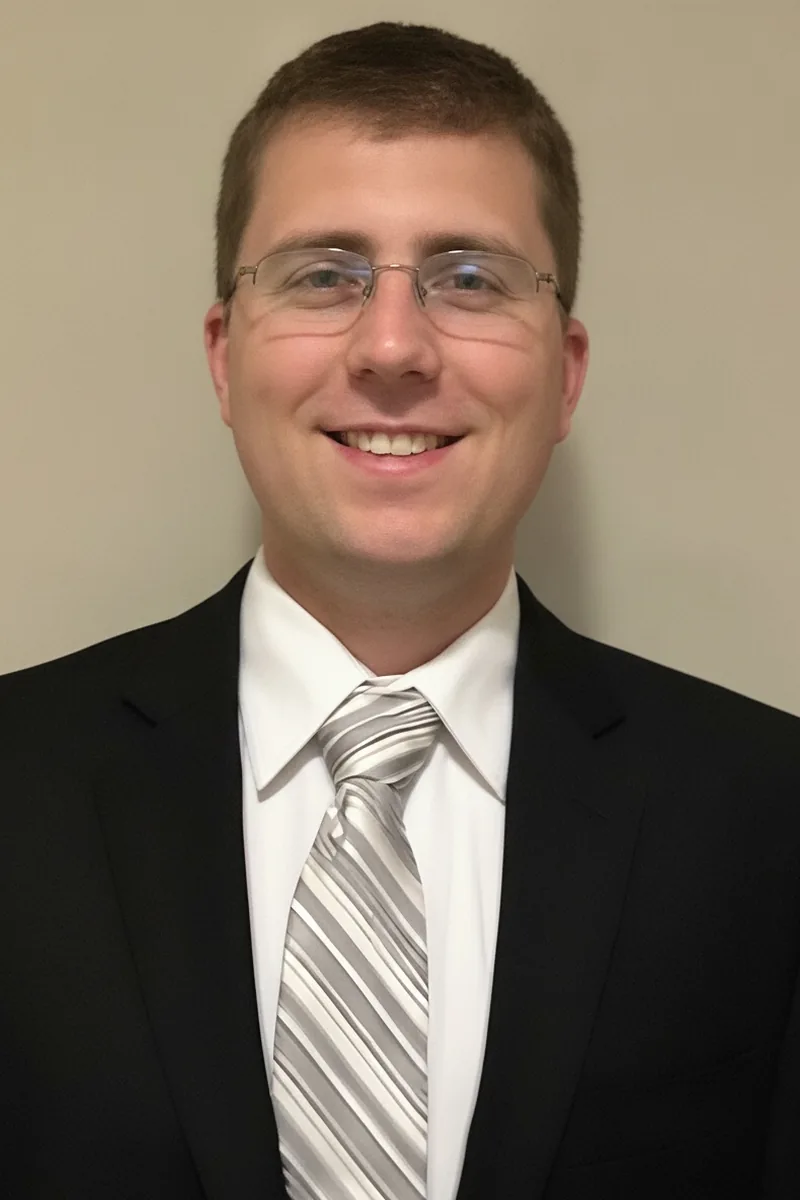
Eric earned his master's in inorganic chemistry and scored a 1500 on the SAT, so he knows both the content depth and the test-taking stamina that AP Chemistry demands. He digs into the trickiest parts of the exam — equilibrium calculations, electrochemistry, and thermodynamic reasoning — with the kind of precision that turns 3s into 5s. His 5.0 client rating speaks to how well that approach lands.
Rice University's biology curriculum gave Perry a college chemistry foundation built around real applications — understanding how Le Chatelier's principle governs physiological buffering, or why Gibbs free energy determines whether a metabolic pathway runs forward. He brings that applied lens to AP Chemistry's free-response questions, teaching students to reason through problems rather than pattern-match from practice sets. Rated 5.0 by students.
AP Chemistry's toughest stretch for most students is the leap from stoichiometry into equilibrium, thermodynamics, and electrochemistry, where conceptual reasoning matters as much as calculation. Jhonatan's extensive lab science background in biological sciences means he thinks about chemical principles in applied contexts — reaction kinetics, buffer systems, Gibbs free energy — and explains them with that same concreteness.
AP Chemistry's toughest questions — equilibrium calculations, electrochemistry, thermodynamic spontaneity — demand both math fluency and chemical intuition. Rithi's neuroscience and biotechnology training means she's applied these principles in real research contexts, not just on paper. Her 4.9 rating speaks to how clearly she breaks down even the most abstract reaction dynamics.
Thermodynamics, equilibrium, and electrochemistry are where most AP Chemistry students start losing their footing. Sharon tackles these topics by connecting abstract concepts to biological systems she knows inside out from medical school — like why buffer systems matter in blood pH regulation. That cross-disciplinary lens makes the toughest AP Chem material more intuitive.
Few AP Chemistry tutors have actually written and graded college chemistry exams for years. Jeremy, a Yale-trained Ph.D. who has taught General Chemistry at the college level many times, knows precisely how equilibrium, thermodynamics, and kinetics questions are designed to test conceptual understanding versus rote calculation. He breaks down free-response strategies and teaches students to connect the big ideas the exam rewards.
Neuroscience at Duke required Ankit to master chemistry at the molecular level — understanding how ions cross membranes, how neurotransmitters bind receptors, and how electrochemical gradients drive cellular processes. That gives him a concrete, biology-rooted way to teach AP Chemistry topics like oxidation-reduction reactions and intermolecular forces, where seeing the real-world consequences makes the theory click. His 1580 SAT and 4.8 rating back up the depth he brings to exam preparation.
Teaching 12th grade Chemistry at a high-performing Philadelphia magnet school means Kathleen sees exactly which AP Chemistry concepts — from equilibrium reasoning to periodic trends — trip students up on exams, and she's built classroom-tested strategies for each one. Her Penn M.S.Ed in Secondary Science Education and her chemistry degree give her both the content depth and the pedagogical training to explain why a reaction proceeds the way it does, not just how to get the right answer. Rated 5.0 by students.
Cornell's biology curriculum required Viraj to work through college-level chemistry — from reaction energetics to molecular interactions — in courses where chemical reasoning underpins everything from cellular metabolism to pharmacology. He applies that cross-disciplinary perspective to AP Chemistry topics like intermolecular forces and solution chemistry, teaching students to predict behavior at the molecular level instead of memorizing isolated rules. Rated 5.0 by students.
As adjunct faculty teaching chemistry at VCU and a former bioinorganic researcher, Joel knows the AP Chemistry curriculum from both the teaching side and the lab bench. He digs into the toughest exam topics — equilibrium calculations, electrochemistry, and thermodynamic spontaneity — with the kind of conceptual depth that earns 5s, not just memorized formulas. Rated 5.0 by his students.
AP Chemistry's toughest problems — multi-step equilibrium calculations, thermodynamic predictions, electrochemistry — demand the kind of quantitative fluency that comes naturally to a physics major. Nima walks through these concepts by building from first principles, connecting Le Chatelier's principle or Gibbs free energy to the underlying logic rather than a memorized rule set. His 1580 SAT speaks to the precision he brings to problem-solving.
Studying cellular and molecular biology at Yale on the pre-med track, Shreya has gone deep into the chemistry that underpins life at the molecular level — making topics like intermolecular forces, Lewis structures, and VSEPR geometry feel less like abstract rules and more like tools for understanding how molecules actually behave. She teaches AP Chemistry's conceptual questions by grounding them in the molecular reasoning she uses daily in her own coursework. Rated 5.0 by students with a 36 ACT.
Testimonials
Because the right AP Chemistry tutor makes all the difference.
Average Session Rating – Based on 3.4M Learner Ratings
Practice AP Chemistry
Free practice tests, flashcards, and AI tutoring for AP Chemistry
Nearby AP Chemistry Tutors
Other Colorado Springs Tutors
Related Science Tutors in Colorado Springs
Frequently Asked Questions
Score improvement depends on your starting point and commitment level, but students typically see meaningful gains within 8-12 weeks of consistent tutoring. A tutor can help you identify which units (like equilibrium, thermodynamics, or organic chemistry) are holding back your score, then focus practice on those weak areas. Many students jump from a 2 or 3 to a 4 or 5 by mastering test-taking strategies and working through released AP exams under timed conditions.
Your first session is all about assessment and planning. A tutor will review your current understanding of key AP Chemistry concepts, discuss your target score, and identify which topics need the most work—whether that's stoichiometry, redox reactions, or free response strategies. You'll leave with a personalized study plan and clear next steps, so you know exactly what to focus on before your next session.
The most common struggles are conceptual understanding of equilibrium and acid-base chemistry, managing the heavy calculation load on the multiple-choice section, and writing clear free response answers that earn full credit. Many students also underestimate the importance of lab skills and quantitative reasoning—topics that appear frequently on the exam. A tutor can break down these tricky concepts and teach you how to organize your work so you don't lose points on careless mistakes.
Tutors teach you how to approach both sections strategically: on the multiple-choice section, they help you manage pacing (roughly 1.3 minutes per question) and recognize common wrong-answer traps; on the free response section, they show you how to structure answers to maximize points and what graders are actually looking for. Working through released AP exams under timed conditions with a tutor is one of the most effective ways to build confidence and catch timing issues before test day.
Most students benefit from starting tutoring 3-4 months before the exam, with 2-3 sessions per week combined with independent practice. If you're starting later or have significant gaps, more frequent sessions can help you catch up. The key is consistent, focused practice on weak areas rather than passive review—a tutor helps you use your study time efficiently so you're not spinning your wheels on topics you already understand.
Look for tutors with strong chemistry backgrounds—ideally a degree in chemistry or a related field, plus proven experience teaching AP Chemistry. It's helpful if they've scored well on the AP exam themselves and understand the exact format and grading rubric. Varsity Tutors connects you with expert tutors who know the AP Chemistry curriculum inside and out and can teach both the content and test-taking strategies that lead to higher scores.
Practice tests are essential—they're the best way to identify weak topics, get comfortable with the exam format, and build stamina for the 3-hour exam. Taking full-length released AP exams under timed conditions every 2-3 weeks gives you concrete data about where you stand and what to focus on next. A tutor can review your practice test results with you, explain why you missed questions, and adjust your study plan based on patterns they notice.
Yes, Varsity Tutors connects students in Colorado Springs with expert AP Chemistry tutors who understand the curriculum and can help you prepare for the exam. With Colorado Springs' strong academic community and 18 school districts across the area, there's plenty of demand for quality AP Chemistry instruction, and tutors are available to work with your schedule and learning style.
Let’s find your perfect tutor
Answer a few quick questions. We’ll recommend the right plan and match you with a top 5% tutor.