Award-Winning AP US History Tutors
serving Colorado Springs, CO
AP US History
Tutors in Colorado Springs
Private 1-on-1 tutoring, weekly live classes for academic support, test prep & enrichment, practice tests and diagnostics, and more to elevate grades and test scores.
Based on 3.4M Learner Ratings
UniversitiesSchools & Universities
DeliveredHours Delivered
ProficiencyGrowth in Proficiency
Who needs tutoring?
No obligation. Takes ~1 minute.

A political science degree from Arizona State means Marcus spent years studying the institutional conflicts, constitutional questions, and policy debates that APUSH tests most heavily — from federalism disputes through Civil Rights-era legislation. His biology background in animal behavior also gives him an unusual angle on social movement questions, where understanding group dynamics and environmental pressures adds depth to the causation arguments the DBQ and LEQ actually score for.
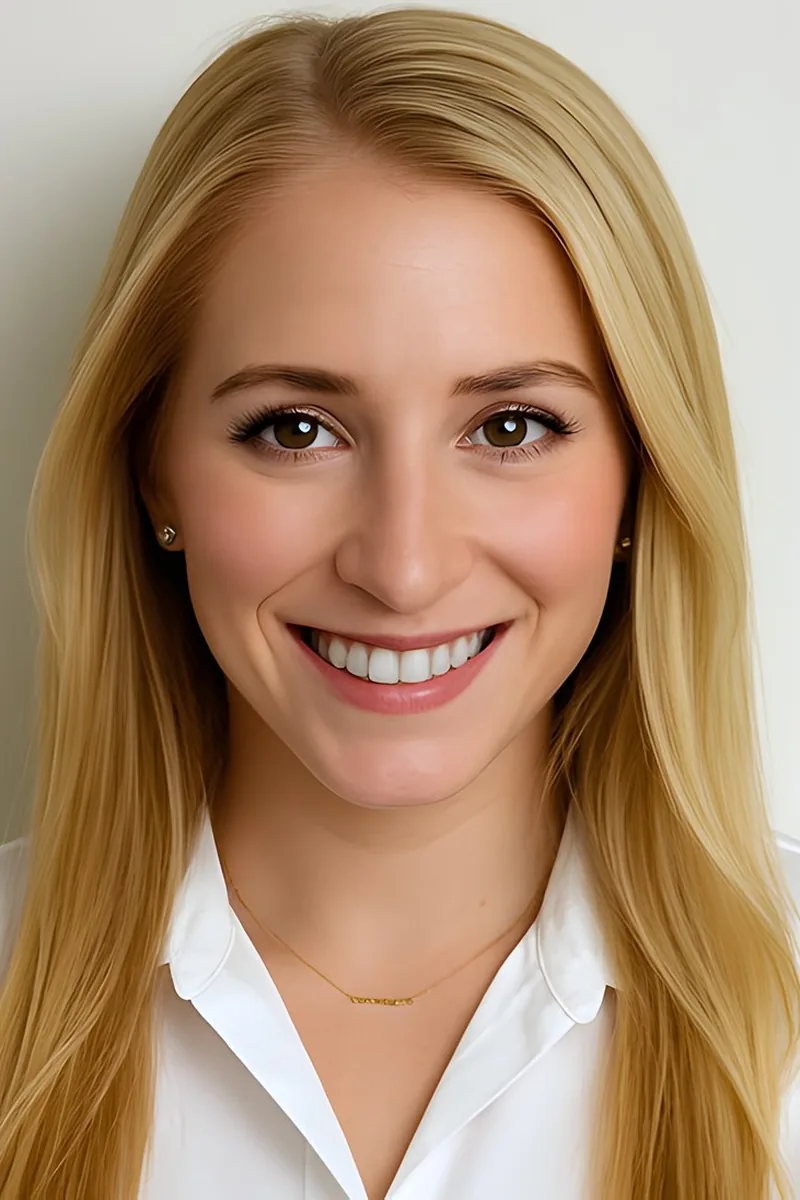
Molly's Columbia University history degree means she studied the same primary source debates and historiographical arguments that APUSH condenses into a single exam — from constitutional crises to westward expansion to twentieth-century reform. Her classroom teaching experience across elementary grades sharpened her ability to break complex ideas into clear, layered explanations, which pays off when walking students through the periodization and causation reasoning that separates a 3 from a 5. Rated 5.0 by students.
Studying health policy at Stanford means Jake spends his coursework tracing how government decisions — from Progressive-era public health campaigns to the ACA — reshape American life, which is exactly the kind of policy-to-impact reasoning APUSH essays reward. His 34 ACT and dual background in SAT US History and Spanish give him both the timed analytical speed and the multicultural lens that strengthen document analysis on topics like immigration, expansion, and reform. Rated 5.0 by students.
Evaluating hundreds of fellowship candidates' writing and academic work at a nonprofit gave Will a finely tuned sense for what makes a historical argument land — clear thesis, precise evidence, purposeful structure — which is exactly what APUSH's DBQ and LEQ score for. His humanities and political science degree from Villanova, plus coursework at Cambridge, means he can connect American political development to broader intellectual currents in ways that strengthen periodization and contextualization essays. Holds a 5.0 rating.
Studying government at Harvard means Priscilla lives inside the institutional frameworks — federalism, separation of powers, constitutional interpretation — that APUSH tests as recurring themes from the founding through the modern era. She's also currently teaching a civics course to younger students, which sharpened her ability to break down complex political developments into clear cause-and-effect narratives, exactly the kind of reasoning the DBQ and LEQ reward. Her 1540 SAT reflects the timed reading and analytical writing chops the exam demands.
Scoring a 4 or 5 on the AP US History exam comes down to writing sharp DBQs and LEQs under time pressure — not just knowing the content. Alex breaks down the rubric so students understand exactly how to contextualize documents, build a defensible claim, and earn synthesis points. His deep knowledge of American religious and social history adds particular depth to periods like the Great Awakenings and the Civil Rights movement.
The AP US History exam rewards students who can construct a defensible thesis under time pressure — not just recall facts but deploy them as evidence in a DBQ or LEQ. Aaron unpacks primary documents with students, teaching them to identify point of view, purpose, and historical context before writing a single sentence. His interdisciplinary background in geology and biochemistry also brings an unusual lens to topics like industrialization and environmental policy.
A semester at Madrid's top-ranked university taking upper-level history courses alongside Spanish students gave Meghan something unusual for APUSH prep — the habit of examining American events through an outsider's lens, which is exactly the kind of contextualization and perspective-shifting the DBQ rewards. Her journalism training at Northwestern also means she treats every primary source like a reporter would, interrogating authorship, audience, and purpose before folding it into a thesis-driven argument. Rated 5.0 by students.
Economics majors spend their time tracing how incentive structures, trade policy, and financial systems reshape societies — which means Ryan already thinks in the cause-and-effect chains that APUSH essays reward, especially for periods like the Market Revolution, Gilded Age industrialization, and New Deal economic reform. His 1590 SAT signals serious reading and analytical chops, the kind that make timed document analysis feel manageable rather than frantic. Rated 5.0 by students.
Before medical school, Jessica earned her history degree at Penn — meaning she studied American political and constitutional development at a university where those debates literally happened, steps from Independence Hall and the National Constitution Center. That immersion in primary-source-rich coursework carries over to APUSH's document-based questions, where she teaches students to read for authorial intent and historical context before building their thesis. Rated 4.8 by students.
Studying molecular biology at Yale might seem unrelated to APUSH, but Maxwell's scientific training sharpens exactly the kind of evidence-based reasoning the exam demands — evaluating sources, identifying patterns across data, and defending a thesis. He applies that analytical rigor to helping students dissect documents for context and purpose, particularly in periods where science, policy, and society collide, like industrialization or Cold War-era politics. Rated 5.0 by students.
Teaching in the US Peace Corps means explaining American institutions and historical turning points to audiences with no built-in assumptions about them — a skill that translates directly to APUSH's contextualization and causation demands, where students can't just name events but must explain why they mattered. Chris's International Relations master's degree adds the policy and diplomacy framework that sharpens analysis of everything from the Treaty of Versailles to containment strategy. Rated 4.8 by students.
Anthropology trains you to analyze how cultures construct meaning — the same interpretive muscle APUSH flexes when students must contextualize a Reconstruction-era political cartoon or explain why Progressive reformers framed their arguments the way they did. Samantha's anthropology degree from Northwestern gives her a knack for unpacking the cultural assumptions embedded in primary sources, which is where most students lose points on the DBQ. Her 33 ACT and 1490 SAT back up the timed analytical performance the exam demands.
Testimonials
Because the right AP US History tutor makes all the difference.
Average Session Rating – Based on 3.4M Learner Ratings
Practice AP US History
Free practice tests, flashcards, and AI tutoring for AP US History
Nearby AP US History Tutors
Other Colorado Springs Tutors
Related Social Studies Tutors in Colorado Springs
Frequently Asked Questions
AP US History spans from pre-Columbian times through the present day, organized into nine thematic units. The course emphasizes historical thinking skills like analyzing primary sources, understanding causation, and evaluating multiple perspectives—not just memorizing dates and facts. You'll study major periods including colonization, the Revolutionary era, westward expansion, Civil War and Reconstruction, industrialization, progressivism, foreign policy, and modern America. A tutor can help you master both the content and the analytical skills the AP exam requires.
The AP US History exam has two sections: a multiple-choice and short-answer section (95 minutes), and a free-response section with document-based questions and long essays (100 minutes). You'll need to analyze sources, construct arguments with evidence, and demonstrate historical reasoning under time pressure. Many students struggle with pacing and organizing their thoughts quickly—personalized tutoring can help you develop strategies for each question type and practice under timed conditions so you feel confident on test day.
Students often struggle with three main areas: managing the sheer volume of content across 400+ years of history, analyzing primary and secondary sources effectively, and writing clear, evidence-based arguments under time constraints. Many also find it difficult to see connections between events or to avoid simply listing facts rather than explaining historical causation. Varsity Tutors connects you with tutors who can help you develop a study system that prioritizes key themes, teaches source analysis strategies, and builds your essay-writing skills through targeted practice.
Score improvement depends on where you're starting and how consistently you engage with tutoring. Students who work with a tutor typically see gains of 1-2 points on the 1-5 scale, though some improve more with focused effort on weak areas. The key is identifying your specific challenges—whether that's source analysis, essay structure, or content gaps—and addressing them systematically. A personalized approach helps you spend study time efficiently rather than reviewing material you already know.
Effective AP US History preparation typically spans 3-4 months and includes regular content review, consistent practice with multiple-choice questions, and frequent essay writing. Spaced repetition—reviewing material at increasing intervals—helps information stick better than cramming. Most students benefit from dedicating 5-7 hours per week to AP US History prep, including tutoring sessions, independent reading, and practice tests. A tutor can help you create a realistic timeline, identify which units need the most focus, and adjust your plan based on practice test results.
Test anxiety often stems from feeling unprepared or unfamiliar with the exam format. The best antidote is practice: taking full-length practice tests under timed conditions builds familiarity and confidence so the real exam feels manageable. Tutors can also teach you strategies like breaking essays into steps, managing your time across sections, and staying focused when you encounter difficult questions. Building a strong foundation of content knowledge and test-taking skills reduces anxiety significantly because you know you're prepared.
Source analysis is a core AP US History skill that requires you to identify the author's perspective, purpose, audience, and historical context—not just summarize what the source says. Many students rush through sources or miss subtle biases and assumptions. Tutors teach systematic frameworks for approaching sources, help you practice identifying patterns across multiple documents, and show you how to use sources as evidence in essays. With guided practice, source analysis becomes a strength rather than a source of stress.
Ideally, start tutoring early in the school year so you can build content knowledge and skills gradually rather than cramming before the May exam. If you're already mid-year, starting now is still valuable—tutors can help you catch up on earlier units while keeping pace with current material. For students retaking the exam, summer tutoring allows focused review without the pressure of concurrent coursework. Varsity Tutors connects you with tutors who can work around your schedule and adjust their approach based on when you start.
Let’s find your perfect tutor
Answer a few quick questions. We’ll recommend the right plan and match you with a top 5% tutor.