Award-Winning AP Computer Science Tutors
serving San Jose, CA
AP Computer Science
Tutors in San Jose
Private 1-on-1 tutoring, weekly live classes for academic support, test prep & enrichment, practice tests and diagnostics, and more to elevate grades and test scores.
Based on 3.4M Learner Ratings
UniversitiesSchools & Universities
DeliveredHours Delivered
ProficiencyGrowth in Proficiency
Who needs tutoring?
No obligation. Takes ~1 minute.
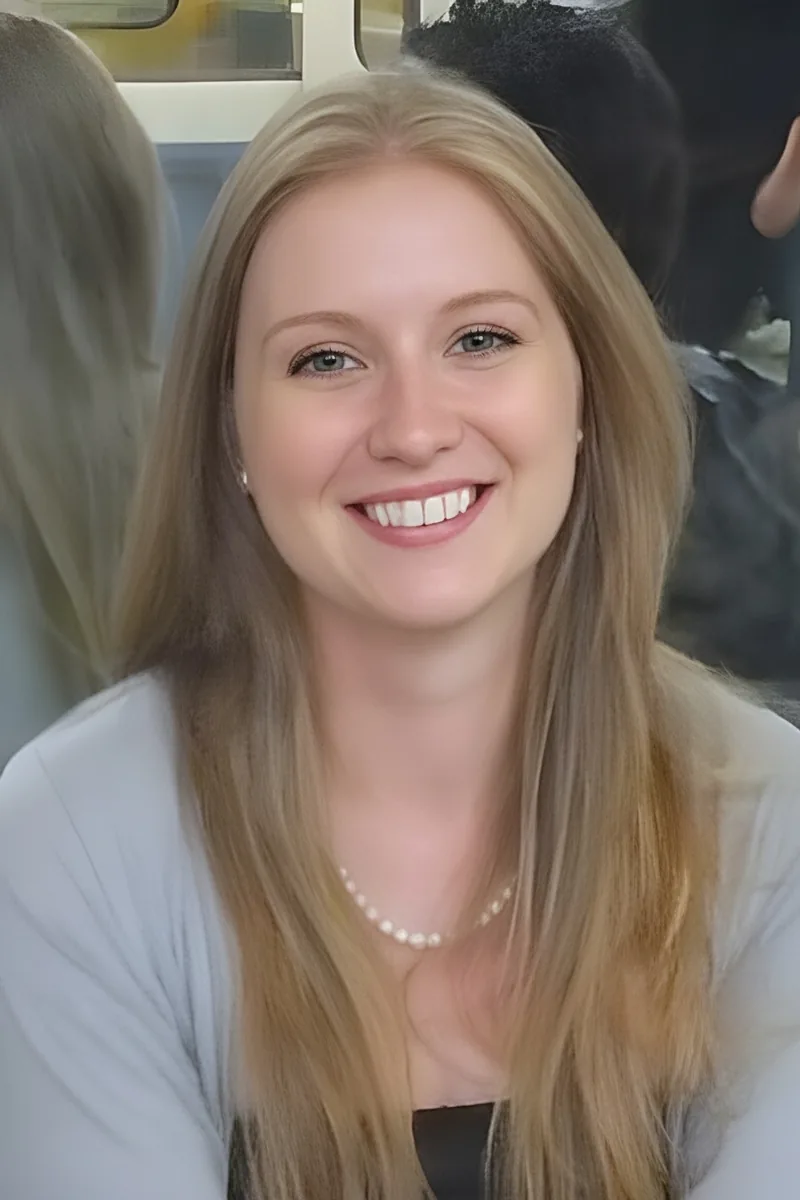
Christina's CS degree means she's written enough Java to know exactly where AP Computer Science A gets tricky — the leap from writing simple methods to designing full classes with inheritance, or the moment recursion stops feeling like magic and starts making sense. She teaches students to trace through code systematically, building the kind of debugging instinct that pays off on both multiple-choice and free-response sections.

Double-majoring in computer science and English gives Milan an unusual edge when it comes to AP Computer Science A — he writes Java with technical precision but also explains it in plain language, which matters when students are stuck on why a recursive call unwinds the way it does or how inheritance actually changes method behavior. His CS coursework means topics like array traversal, class design, and algorithm tracing are daily practice, not distant exam material.
Most AP Computer Science A students get tripped up not on syntax but on thinking through what their code actually does — tracing a loop iteration by iteration or figuring out why a method returns the wrong value. Dennis teaches across Java, JavaScript, and web development, which means he can explain object-oriented concepts from multiple angles and show students how the same logical patterns appear across languages. Rated 5.0 by students.
I'm a recent graduate of the California Institute of Technology in Economics and Computer Science. I was also accepted at Harvard, Princeton, MIT, and Stanford. I have a broad range of interests spanning science, math, engineering, social science, the humanities, the arts, and athletics (I also played on the Caltech basketball team). My background allows me to tutor general college prep, especially the SAT, ACT and the GRE. I love to teach analytical thinking, ranging from advanced Math and Physics to strategies for understanding literature and developing arguments.
Sandra's CS degree means she didn't just learn Java for a single course — she built with it across semesters of data structures, algorithms, and software design, giving her a deep understanding of the object-oriented concepts AP Computer Science A hammers on free-response questions. She also scored a perfect 1600 on the SAT, which speaks to the kind of precise, methodical reasoning that translates directly to tracing through recursive calls and debugging logic errors. Rated 5.0 by students.
Brian owns a web design business alongside his CS studies at Case Western Reserve, so he's not just learning Java in a classroom — he's shipping real code and debugging real problems on a regular basis. That practical loop of building, breaking, and fixing software gives him a concrete way to teach AP Computer Science A topics like object-oriented design and algorithm tracing through actual examples rather than abstract diagrams. Rated 5.0 by students.
I'm a coterminal master's student at Stanford University in California majoring in Computer Science (Biocomputation). Throughout high school and college, I've taken many courses in computer science, the life sciences (biology and chemistry), and math; and I've been through a lot of standardized tests. For computer science in particular, I have a lot of experience writing software in Python and C++ for AI and systems classes, and I'll be interning as a software engineer at Facebook this summer. I got a lot of great tips and mentorship from tutors along the way, and would love to pass along what I know!
Studying computer science at UCF while also tutoring Java and C++ means Hassan is actively writing the same kind of code AP Computer Science A tests — from designing classes to tracing through recursive methods — on a near-daily basis. He's especially strong at walking through the logic of free-response problems step by step, making sure students understand how each line executes before moving on. Rated 5.0 by students.
Computer science isn't Zain's primary academic background, but his interdisciplinary training at Wesleyan sharpened the logical and analytical thinking that underpins AP Computer Science concepts like algorithm design and object-oriented programming. He's particularly effective at walking through the exam's free-response questions, where clear reasoning matters as much as correct syntax.
I am a master's student studying computer science at the University of Pennsylvania. I have been working as a private tutor for two years now, and I am currently a teaching assistant for an introductory course in discrete math at Penn. I love helping students conquer their fears of math and computer science, and I hope to dispel the myth that success in these areas requires special talent.
I'm a freshman at Stanford University pursuing a degree in mathematical and computational science. I've been tutoring students from grades 3-12 throughout high school, and I look forward to continue in college. Nothing excites me more than learning something new, and I strive to share my excitement with my tutees.
Robotics engineering at Penn means Mohamed writes code daily to solve real problems — sensor integration, control systems, data processing. He brings that applied perspective to AP Computer Science, teaching algorithmic thinking and program design principles through problems that show students why the concepts matter beyond the exam.
The AP Computer Science exam tests more than just writing code — it demands quick reasoning about recursion, sorting algorithms, and array manipulation under time pressure. Kirollos, a CS major at NYU, unpacks each of these topics by having students trace through code by hand before ever touching a keyboard, building the kind of fluency the exam rewards.
Northeastern's co-op model means Charles isn't just learning computer science in a classroom — he's cycling between coursework and real-world application, which keeps AP Computer Science A topics like object-oriented design and algorithm tracing grounded in how software actually gets built. His 1580 SAT speaks to the kind of precise, methodical reasoning that makes the difference on Java free-response questions, where one misplaced semicolon or off-by-one error can unravel an otherwise solid solution.
The AP Computer Science exam tests both conceptual understanding and the ability to trace through code under time pressure — two skills that require different preparation strategies. Sam's electrical and computer engineering background means he can walk students through recursion, object-oriented design, and array manipulation with the kind of precision that turns confusing exam questions into recognizable patterns.
I am currently a senior at Stony Brook University, and a physics and computer science double-major. I hail from the town of Clarence, New York, a suburb of Buffalo. I enjoy tutoring in part because of my affinity for the subjects that I'll be teaching, but the primary reason is that I like working with people and forming interpersonal connections.
Testimonials
Because the right AP Computer Science tutor makes all the difference.
Average Session Rating – Based on 3.4M Learner Ratings
Nearby AP Computer Science Tutors
Other San Jose Tutors
Related Technology and Coding Tutors in San Jose
Frequently Asked Questions
AP Computer Science covers two main areas: AP Computer Science Principles (CSP) and AP Computer Science A (CSA). CSP focuses on broad computational thinking, data representation, algorithms, programming, and the internet, while CSA dives deeper into object-oriented programming in Java, data structures, and algorithms. Both exams test your ability to write code, trace through programs, and solve computational problems. The curriculum builds progressively, so strong foundational understanding early in the course makes later topics much more manageable.
Score improvement depends on your starting point and how consistently you work with a tutor. Students who struggle with specific concepts—like object-oriented programming, recursion, or algorithm analysis—often see the biggest gains by getting personalized explanations and targeted practice. Many students improve 1-2 score points (on the 1-5 scale) by focusing on weak areas and building confidence in problem-solving. The key is identifying exactly where you're getting stuck and working through those challenges systematically rather than trying to study everything at once.
The biggest hurdles are typically understanding object-oriented programming concepts (classes, inheritance, polymorphism), mastering recursion and complex algorithms, and managing time during the exam. Many students also struggle with translating real-world problems into code or understanding why certain approaches are more efficient than others. Additionally, the free-response section requires not just correct code but also clear explanations of your logic—something that trips up students who can code but struggle to articulate their thinking.
Most students benefit from starting serious exam prep 8-12 weeks before the May exam, though this varies based on your comfort level with the material. If you're taking the course for the first time, consistent weekly tutoring sessions starting in January or February can help solidify concepts before exam crunch time. For students retaking the exam or needing intensive help, 3-4 months of focused preparation with personalized instruction typically allows enough time to address weak areas and build test-taking confidence without burning out.
Practice tests are essential—they reveal exactly which topics you need to focus on and help you get comfortable with the exam format and pacing. Taking full-length practice exams under timed conditions shows you whether you can finish the multiple-choice section in 90 minutes and complete the free-response questions thoughtfully. A tutor can review your practice test results with you to identify patterns in your mistakes, whether they're conceptual misunderstandings or careless errors, so you don't repeat them on test day.
Look for tutors with strong computer science backgrounds—ideally someone who has scored well on the AP exam, has professional programming experience, or teaches AP CS. They should be able to explain complex concepts like data structures and algorithms clearly, help you debug code, and understand the specific format and expectations of the AP exam. It's also valuable if they've worked with other students preparing for this exam and can share strategies for managing the free-response section and avoiding common pitfalls.
San Jose has a strong tech community with 58 school districts serving over 160,000 students, many of whom are taking AP Computer Science. Beyond your school's resources, Varsity Tutors connects students with expert tutors for personalized 1-on-1 instruction tailored to your learning pace and specific challenges. Whether you need help understanding a tricky concept, working through practice problems, or building test-taking strategies, personalized tutoring fills gaps that classroom instruction alone might leave.
Your first session is typically a diagnostic—your tutor will assess your current understanding of key concepts, identify which topics feel solid and which need work, and learn your learning style. You might work through a sample problem together, discuss your goals for the exam, and create a study plan tailored to your needs. This foundation helps your tutor design focused sessions that address your specific weak areas rather than reviewing material you already know well.
Let’s find your perfect tutor
Answer a few quick questions. We’ll recommend the right plan and match you with a top 5% tutor.