Award-Winning Creative Writing Tutors
serving San Francisco, CA
Creative Writing
Tutors in San Francisco
Private 1-on-1 tutoring, weekly live classes for academic support, test prep & enrichment, practice tests and diagnostics, and more to elevate grades and test scores.
Based on 3.4M Learner Ratings
UniversitiesSchools & Universities
DeliveredHours Delivered
ProficiencyGrowth in Proficiency
Who needs tutoring?
No obligation. Takes ~1 minute.

Someone who went from hating reading to devouring books understands the moment when language clicks — and that's the energy Aaron brings to creative writing. He digs into craft elements like voice, pacing, and scene construction, encouraging students to experiment on the page and then revise with intention. His conversational teaching style makes workshopping feel collaborative rather than intimidating.
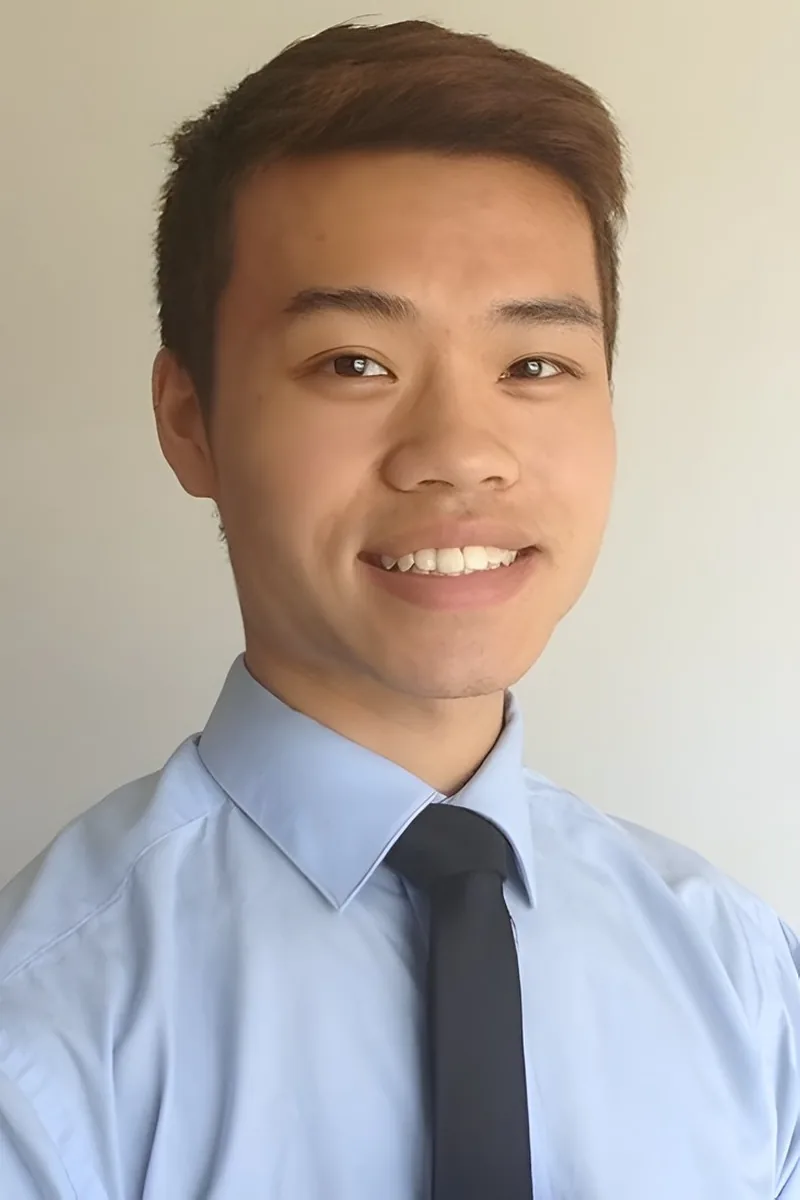
A writer himself, Justin digs into the craft elements that make fiction and poetry land — voice, pacing, imagery, and the deliberate choices behind sentence structure. He treats each student's draft as a conversation, identifying what's already working before pushing the piece further. Rated 4.8 by students.
Most creative writing feedback stays vague — 'show don't tell,' 'find your voice' — without explaining how. Patrick earned his MFA in Creative Writing at the University of Miami, where workshop culture taught him to give line-level, craft-specific feedback on everything from narrative structure to sentence rhythm. He approaches each student's project on its own terms, whether that's a personal essay, a short story, or an experimental piece that doesn't fit neatly into a genre.
Studying child development at Yale taught Arielle something most writing tutors learn the hard way — that the stories kids want to tell and the language they have to tell them are two very different things, and the gap between them is where creative writing instruction actually lives. She uses that developmental lens to meet each writer's imagination with the right scaffolding, whether that means building a picture book narrative with a first grader or helping an older student craft a short story with real scene structure and dialogue. Rated 5.0 by students.
A published author with work in Poets & Writers, Longreads, and New Orleans Review, Thea knows what it takes to move a piece from rough idea to polished submission. She digs into the specific craft elements — scene construction, image, rhythm, revision strategy — that turn competent writing into memorable writing.
Rachel's background spans research, editing, and persuasive writing — which means when she sits down with a creative writing draft, she spots structural problems fast and knows how to talk a student through fixing them without flattening their voice. Her own reading life is wide-ranging, and she draws on that to match students with mentor texts that illuminate whatever craft element they're wrestling with, whether it's building tension in a short story or finding the right register for a personal essay. Rated 5.0 by students.
The hardest part of creative writing isn't generating ideas — it's revising them into something that actually lands on the page. David approaches each session as a workshop, reading student drafts closely and pinpointing where voice falters, where a scene needs grounding detail, or where cutting a paragraph makes the whole piece stronger. His English background gives him a deep library of published examples to draw from during those conversations.
Spending years in research labs taught Emmanuel something unexpected about creative writing: the best ideas emerge from disciplined process, not inspiration alone. He walks writers through generating material, experimenting with form and voice, and revising with intention — whether the project is poetry, personal essay, or short fiction.
Living in France and England didn't just give Heather conversational French — it gave her a writer's habit of noticing the small, strange details that make a place or a person feel real on the page. She brings that observational instinct into drafting and revision, especially when students need to move past generic description and find the specific image or moment that gives a piece its voice. Her quantitative methods background also makes her unusually good at talking about structure — why a scene works where it's placed, how pacing builds, what a piece gains or loses from a different order.
A blank page is less intimidating when a writer has concrete tools: a compelling opening image, a character with a specific want, a sense of where tension lives in a scene. Victoria teaches these craft elements explicitly, drawing on her own background in essay writing and her humanities-intensive education at The Brearley School and Carleton College. She's particularly skilled at helping students find their own voice rather than imitating someone else's.
A math major who writes creatively might sound unusual, but Samuel sees storytelling and problem-solving as the same skill: both require setting up a structure, building tension, and delivering a payoff. He digs into craft elements like voice, pacing, and scene construction, pushing students to revise with intention rather than just adding more words.
A creative writing tutor who only praises a student's work isn't much use — real improvement comes from learning craft techniques like controlling pacing, writing believable dialogue, and choosing concrete details over vague abstractions. Karen writes herself and studied literature at Vanderbilt, so she gives the kind of specific, constructive feedback that sharpens a draft from rough idea to polished piece.
Four years in Boston elementary and middle school classrooms taught Yan how to get reluctant writers past the blank page — using prompts, visual cues, and structured brainstorming that turn scattered ideas into stories with real shape. Her curriculum design background means she builds each session around where a student actually is as a writer, whether that's a second grader dictating their first narrative or a middle schooler learning to revise for stronger dialogue and pacing.
Most creative writing feedback is either too vague ('make it more vivid') or too prescriptive. Karishma takes a workshop-style approach, walking through specific choices in a student's draft — why this metaphor lands, why that paragraph loses momentum — so writers develop their own editorial instincts over time. She holds a 5.0 rating from students.
Before she was a Managing Editor at a tech company, Clare was a history major learning to build arguments from evidence and tell stories that make readers care about people long dead — skills that map directly onto crafting fiction and poetry with real stakes and specificity. She brings an editor's ruthlessness to revision, cutting the vague and sentimental to surface the concrete details and sharper sentences hiding underneath a student's draft.
Testimonials
Because the right Creative Writing tutor makes all the difference.
Average Session Rating – Based on 3.4M Learner Ratings
Nearby Creative Writing Tutors
Other San Francisco Tutors
Related English Tutors in San Francisco
Frequently Asked Questions
Creative writing tutoring helps students develop their unique voice, master storytelling techniques, and overcome common writing challenges like writer's block and self-criticism. Tutors work with students on character development, dialogue, plot structure, and descriptive writing—whether they're working on short stories, poetry, novels, or other creative projects.
Beyond technique, personalized tutoring provides direct feedback on student writing, helping them understand how readers experience their work and how to revise effectively. This one-on-one attention is especially valuable in creative writing, where developing a personal voice requires individualized guidance.
Writer's block is one of the most common challenges creative writers face, and tutors help students work through it by identifying root causes—whether that's perfectionism, lack of direction, or fear of judgment. They use targeted strategies like freewriting, prompt-based exercises, brainstorming sessions, and low-pressure drafting techniques to get words flowing again.
A tutor also helps students build sustainable writing habits and understand that rough first drafts are a normal part of the creative process. Having someone to accountability to and bounce ideas off of can make a huge difference in breaking through stuck points.
Creative writing prioritizes storytelling, voice, and emotional impact—the writer's goal is to engage readers through imagination and artistry. Academic essays focus on argumentation, evidence, and clear thesis-driven reasoning. While creative writing values vivid description and showing over telling, academic writing values clarity and direct support for claims.
Many young writers benefit from tutoring in both: creative writing tutors help develop voice and narrative craft, while essay tutors focus on structure and persuasion. Both skills are valuable, and understanding the distinction helps students apply the right techniques in the right context.
Varsity Tutors connects you with expert tutors who specialize in creative writing and understand what resonates with San Francisco students. The matching process considers your student's writing goals—whether they're working on a specific project, preparing for a creative writing class, or developing their craft—and pairs them with a tutor whose expertise and style align.
You can get started by describing your student's needs and what they're hoping to achieve. Tutors work with students at all levels, from beginners exploring creative writing for the first time to advanced writers refining their manuscripts.
Absolutely. Revision is where much of the real writing work happens, and personalized tutoring is particularly effective for this stage. Tutors help students develop a revision strategy—identifying what's working, what needs clarification, where pacing drags, and how to strengthen dialogue or description.
Rather than just pointing out problems, tutors teach students how to read their own work with a critical eye and make intentional choices about every element. This skill transfers to future projects and builds confidence in the revision process itself.
Creative writing encompasses many genres—fiction, poetry, memoir, screenwriting, fantasy, romance, and more—each with its own conventions and techniques. Varsity Tutors connects you with tutors who have expertise in your student's area of interest, whether that's helping a poet master meter and imagery or guiding a young novelist through plot development.
Genre-specific tutoring is especially valuable because each form has unique challenges. A tutor familiar with screenwriting knows about formatting and visual storytelling; a poetry tutor understands line breaks and compression of language. Matching with the right expertise makes the learning more targeted and relevant.
Frequency depends on your student's goals and current projects. Some students benefit from weekly sessions to maintain momentum, receive regular feedback, and build consistent writing habits. Others prefer bi-weekly or monthly check-ins to discuss completed work and get guidance between sessions.
If your student is working toward a specific deadline—finishing a story for a class, preparing for a creative writing competition, or revising a manuscript—more frequent sessions can be helpful. A tutor can help you determine the right schedule based on your student's needs and goals.
Let’s find your perfect tutor
Answer a few quick questions. We’ll recommend the right plan and match you with a top 5% tutor.