Award-Winning Creative Writing Tutors
serving Riverside, CA
Creative Writing
Tutors in Riverside
Private 1-on-1 tutoring, weekly live classes for academic support, test prep & enrichment, practice tests and diagnostics, and more to elevate grades and test scores.
Based on 3.4M Learner Ratings
UniversitiesSchools & Universities
DeliveredHours Delivered
ProficiencyGrowth in Proficiency
Who needs tutoring?
No obligation. Takes ~1 minute.
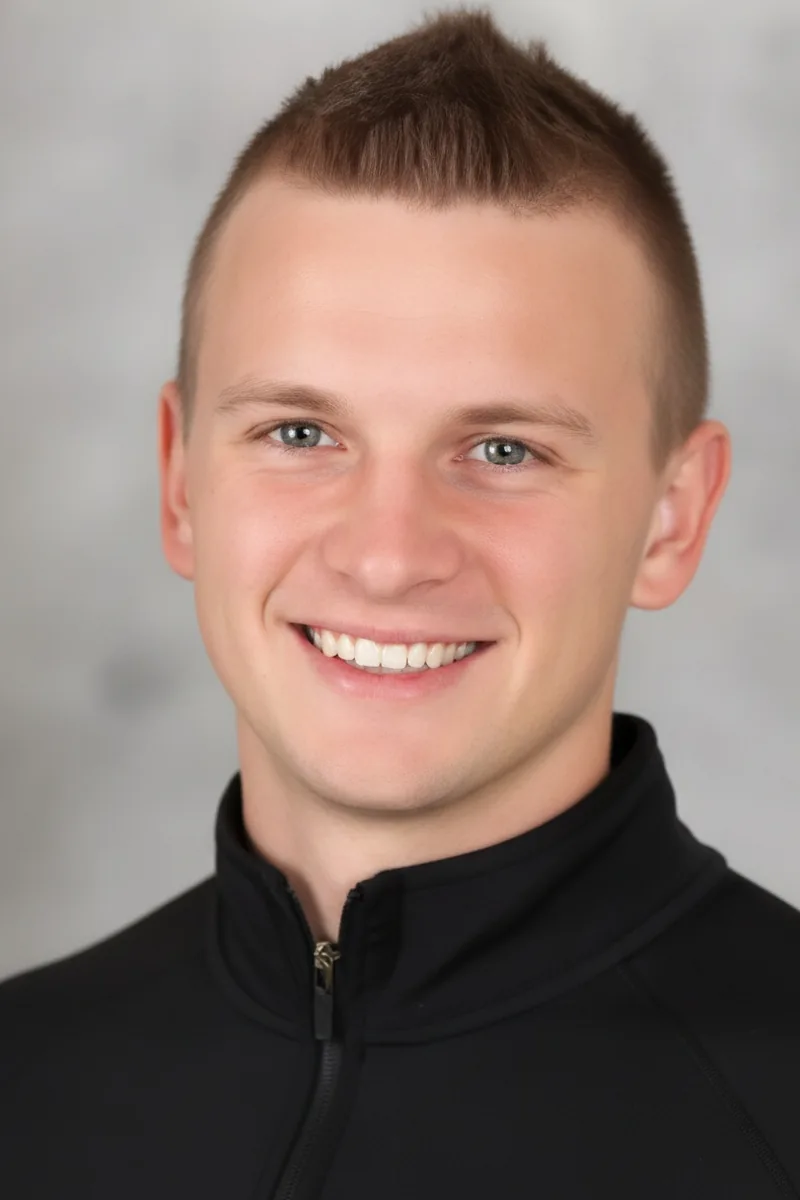
Someone who went from hating reading to devouring books understands the moment when language clicks — and that's the energy Aaron brings to creative writing. He digs into craft elements like voice, pacing, and scene construction, encouraging students to experiment on the page and then revise with intention. His conversational teaching style makes workshopping feel collaborative rather than intimidating.
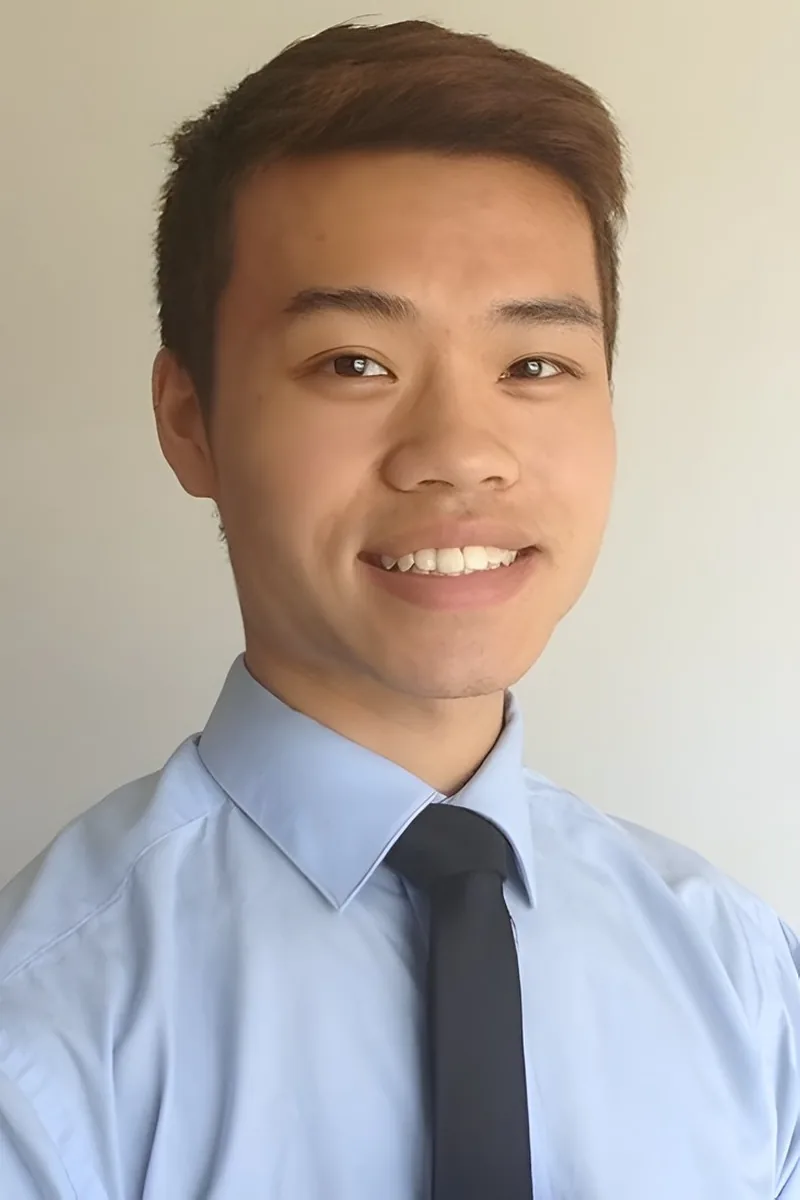
A writer himself, Justin digs into the craft elements that make fiction and poetry land — voice, pacing, imagery, and the deliberate choices behind sentence structure. He treats each student's draft as a conversation, identifying what's already working before pushing the piece further. Rated 4.8 by students.
Most creative writing feedback stays vague — 'show don't tell,' 'find your voice' — without explaining how. Patrick earned his MFA in Creative Writing at the University of Miami, where workshop culture taught him to give line-level, craft-specific feedback on everything from narrative structure to sentence rhythm. He approaches each student's project on its own terms, whether that's a personal essay, a short story, or an experimental piece that doesn't fit neatly into a genre.
Talia writes fiction and poetry in her own time, but her political science and activism background gives her creative work — and her tutoring — an unusual edge: she knows how to build an argument with scene and image instead of thesis statements, and she teaches students to do the same. She's particularly sharp at helping a draft find its voice, whether that means stripping away overwrought language or pushing a student to dig into the one honest detail they've been dancing around. Rated 5.0 by students.
Whether the project is a personal essay, a short story, or a poem, Henry approaches creative writing as craft that can be studied and sharpened. He breaks down elements like voice, structure, and imagery with the rigor of a PhD-trained reader, then applies that analysis to each student's own work-in-progress. His 5.0 rating speaks to the encouragement he brings alongside that critical eye.
A creative writing minor from Penn means Sarah has spent serious time in workshops getting and giving feedback on poetry, personal essays, and experimental prose. She walks students through the full arc of a piece — finding a voice, choosing concrete details over vague abstractions, and learning to revise ruthlessly.
A background in sacred music, fiction writing, and literature means Sarah approaches creative writing the way a composer approaches a score — every element of rhythm, tone, and structure serves the whole piece. She's particularly sharp at showing students how to revise for voice and musicality in their prose, catching the flat sentence or the clunky transition that breaks a reader's spell. Rated 4.8 by students.
Getting words on the page is often the hardest part of creative writing, and Sarah tackles that blank-page paralysis with structured brainstorming techniques and revision exercises that build momentum. As an English major at Dartmouth, she digs into craft elements like voice, dialogue, and narrative pacing — giving students concrete tools instead of vague advice to "just be creative."
Good creative writing isn't just inspiration — it's craft decisions about voice, pacing, point of view, and when to break the rules you've learned. Mollie has worked as both a content writer and a game designer, two fields where storytelling meets structure and every word has to earn its place. She digs into drafts with students to sharpen dialogue, tighten scenes, and find the story underneath the first attempt.
Working across audio documentary, performance, and media literacy gave Sarah a storyteller's instinct for how different forms shape the same raw material — a skill she brings into creative writing when students need to figure out whether an idea wants to be a poem, a personal essay, or a short story. Her anthropology training adds an unusual depth to character and setting work, pushing writers to observe the specific cultural details and human behaviors that make fictional worlds feel inhabited rather than invented. Rated 5.0 by students.
An acting student in New York City, Marc knows what it takes to build a scene from the inside — finding a character's voice, raising the stakes in a moment, making dialogue land with real emotional weight. He brings that performer's instinct for dramatic tension and authentic voice into creative writing sessions, especially when students are drafting fiction or monologues that need to feel alive rather than just read well on paper.
A blank page is less intimidating when a writer has concrete tools: a compelling opening image, a character with a specific want, a sense of where tension lives in a scene. Victoria teaches these craft elements explicitly, drawing on her own background in essay writing and her humanities-intensive education at The Brearley School and Carleton College. She's particularly skilled at helping students find their own voice rather than imitating someone else's.
Before she was a Managing Editor at a tech company, Clare was a history major learning to build arguments from evidence and tell stories that make readers care about people long dead — skills that map directly onto crafting fiction and poetry with real stakes and specificity. She brings an editor's ruthlessness to revision, cutting the vague and sentimental to surface the concrete details and sharper sentences hiding underneath a student's draft.
Most creative writing advice is vague — 'show don't tell,' 'find your voice' — without explaining how to actually do it on the page. Marisa earned her writing degree at MIT through rigorous workshops that demanded craft-level revision, not just inspiration. She walks students through concrete techniques like sensory detail, narrative pacing, and point-of-view consistency to turn rough ideas into polished pieces.
Statistics might seem like an odd foundation for creative writing, but Dylan's training at the University of Chicago in finding patterns and building arguments from data translates into an unusual strength: helping writers tighten the logic of their narratives, spot where a story's internal structure breaks down, and make deliberate choices about what to include versus cut. He also writes across genres himself — from college essays to literary analysis — and brings that range to sessions where students are drafting fiction, poetry, or personal pieces that need both creative risk and disciplined revision.
Testimonials
Because the right Creative Writing tutor makes all the difference.
Average Session Rating – Based on 3.4M Learner Ratings
Nearby Creative Writing Tutors
Other Riverside Tutors
Related English Tutors in Riverside
Frequently Asked Questions
Your first session is a chance for a tutor to understand your writing goals, current skill level, and what you'd like to improve—whether that's developing stronger characters, crafting compelling dialogue, or finding your unique voice. The tutor will likely review some of your writing samples and discuss your challenges, then create a personalized plan to help you grow as a writer. This foundation helps ensure every session after builds on what matters most to you.
Writer's block often stems from perfectionism, unclear ideas, or not knowing where to start. A tutor can help you brainstorm, break projects into manageable steps, and use techniques like freewriting or outlining to get ideas flowing. They'll also help you separate the drafting process from editing—giving yourself permission to write imperfectly first, then refine later—which removes a lot of the pressure that causes blocks in the first place.
Varsity Tutors connects you with tutors who provide personalized, constructive feedback on everything from plot structure and character development to dialogue, pacing, and prose style. Rather than just marking errors, they'll help you understand why something isn't working and guide you through revisions. This kind of one-on-one feedback is invaluable for developing your voice and building confidence in your writing.
Yes. Whether you're interested in fiction, poetry, memoir, screenwriting, or other forms, tutors can work with your specific interests. Each genre has its own conventions and techniques—like how poetry uses imagery and line breaks, or how screenwriting relies on visual storytelling—and a good tutor will tailor their guidance to help you master the form you're passionate about.
Yes, they're quite different. Creative writing focuses on storytelling, character development, voice, and artistic expression, while academic writing emphasizes thesis statements, argumentation, and structured reasoning. That said, many skills overlap—like organizing ideas, revising effectively, and writing with clarity. If you need help with both, a tutor can address whichever you're working on at any given time.
Many schools in the Riverside area—across the district's seven school districts—offer creative writing courses, writing clubs, and literary magazines as part of their English curriculum or electives. However, class sizes (with an average student-teacher ratio of 22.8:1 across the district) mean students don't always get individualized feedback on their work. Personalized tutoring complements classroom instruction by giving you dedicated time to develop your craft and get detailed feedback on your writing.
Absolutely. Many colleges ask for personal essays or creative writing samples, and a tutor can help you craft compelling, authentic narratives that stand out. They'll work with you on voice, storytelling, and revision to ensure your application essays reflect your unique perspective and writing ability. This kind of personalized guidance can make a real difference in how admissions committees see you.
Varsity Tutors connects you with tutors based on your specific goals, availability, and learning style. Simply share what you're working on—whether it's a novel, short stories, poetry, or developing your writing skills overall—and we'll match you with someone who has expertise in that area. From there, you can schedule sessions that work with your schedule and start receiving personalized instruction right away.
Let’s find your perfect tutor
Answer a few quick questions. We’ll recommend the right plan and match you with a top 5% tutor.