Award-Winning Creative Writing Tutors
serving Bakersfield, CA
Creative Writing
Tutors in Bakersfield
Private 1-on-1 tutoring, weekly live classes for academic support, test prep & enrichment, practice tests and diagnostics, and more to elevate grades and test scores.
Based on 3.4M Learner Ratings
UniversitiesSchools & Universities
DeliveredHours Delivered
ProficiencyGrowth in Proficiency
Who needs tutoring?
No obligation. Takes ~1 minute.
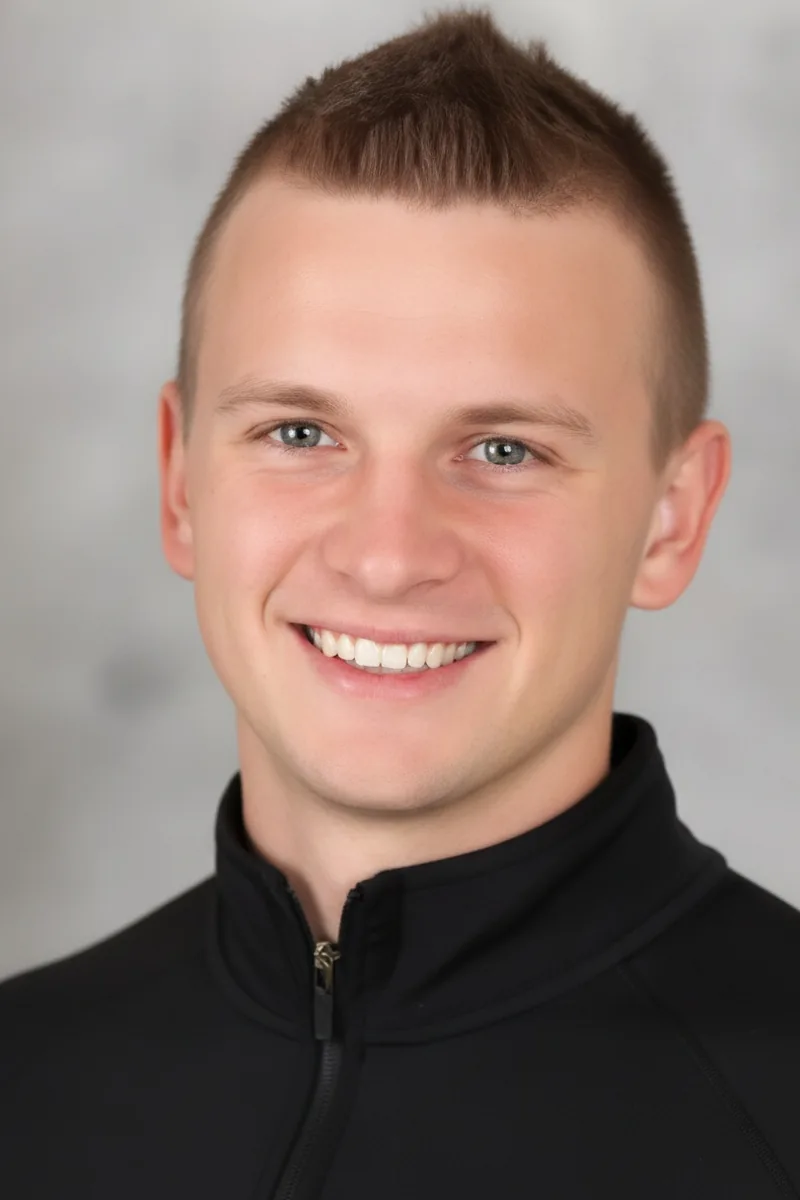
Someone who went from hating reading to devouring books understands the moment when language clicks — and that's the energy Aaron brings to creative writing. He digs into craft elements like voice, pacing, and scene construction, encouraging students to experiment on the page and then revise with intention. His conversational teaching style makes workshopping feel collaborative rather than intimidating.
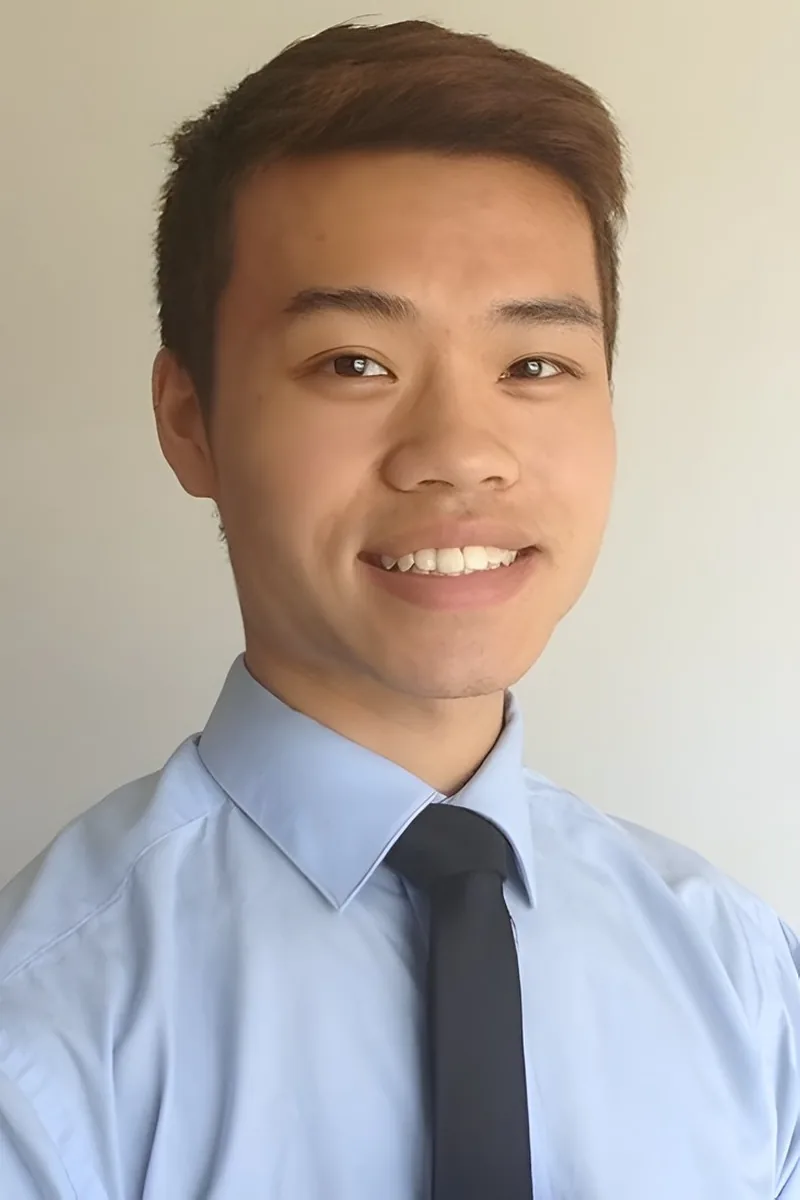
A writer himself, Justin digs into the craft elements that make fiction and poetry land — voice, pacing, imagery, and the deliberate choices behind sentence structure. He treats each student's draft as a conversation, identifying what's already working before pushing the piece further. Rated 4.8 by students.
Most creative writing feedback stays vague — 'show don't tell,' 'find your voice' — without explaining how. Patrick earned his MFA in Creative Writing at the University of Miami, where workshop culture taught him to give line-level, craft-specific feedback on everything from narrative structure to sentence rhythm. He approaches each student's project on its own terms, whether that's a personal essay, a short story, or an experimental piece that doesn't fit neatly into a genre.
Good creative writing isn't just inspiration — it's craft decisions about voice, pacing, point of view, and when to break the rules you've learned. Mollie has worked as both a content writer and a game designer, two fields where storytelling meets structure and every word has to earn its place. She digs into drafts with students to sharpen dialogue, tighten scenes, and find the story underneath the first attempt.
The blank page is less intimidating once a writer has real techniques to fall back on — sensory detail, voice, structure, revision strategies. Joanne earned her English BA at Santa Clara with a specialization in teaching and went on to complete a Master's in Educational Studies at Michigan, giving her both the literary knowledge and the pedagogical skill to coach writers across genres. Whether someone is drafting a personal essay, a short story, or an experimental piece, she knows how to push the work forward.
Few creative writing tutors have actually written and produced original plays — Maddy spent her time at Harvard doing exactly that, along with directing student theater productions. That background in dramatic writing gives her a sharp eye for dialogue, voice, pacing, and scene construction, whether a student is drafting fiction, poetry, or a personal narrative. She treats revision as a craft skill, not just proofreading.
Good creative writing isn't just inspiration — it's craft decisions about point of view, pacing, dialogue, and revision. Peter trained as a journalist before earning his master's in English Education, so he teaches students to treat their drafts as material to shape rather than precious first attempts. That combination of storytelling instinct and editorial discipline shows up in the fiction, poetry, and personal essays his students produce.
Policy analysis trains you to take a messy, tangled situation and find the story inside it — who's affected, what's at stake, why it matters — which is exactly the muscle Briana flexes when she sits down with a student's draft and asks where the real tension lives. Her own writing spans fiction, journalism, and expository work, so she can show students how techniques migrate across genres: how a journalist's eye for the telling detail sharpens a short story, or how an essayist's structural instincts give a poem unexpected shape.
Most creative writing advice is vague — 'show don't tell,' 'find your voice' — without explaining how to actually do it on the page. Marisa earned her writing degree at MIT through rigorous workshops that demanded craft-level revision, not just inspiration. She walks students through concrete techniques like sensory detail, narrative pacing, and point-of-view consistency to turn rough ideas into polished pieces.
Most creative writing feedback is either too vague ('nice imagery!') or too prescriptive ('rewrite this scene entirely'). Jennifer approaches workshop-style revision differently, asking pointed questions about voice, pacing, and point of view that let writers discover their own fixes. Her English background and NYU teaching residency give her a strong ear for both fiction and personal essay — two forms where finding an authentic voice matters most.
Getting words on the page is one challenge; shaping them into something compelling is another entirely. Robert tackles both sides of creative writing, from generating raw material through freewriting and prompts to revising for voice, imagery, and structural coherence across poetry, personal essays, and short fiction.
Most creative writing feedback is either too vague ('make it more vivid') or too prescriptive. Karishma takes a workshop-style approach, walking through specific choices in a student's draft — why this metaphor lands, why that paragraph loses momentum — so writers develop their own editorial instincts over time. She holds a 5.0 rating from students.
Whether the project is a personal essay, a short story, or a poem, Henry approaches creative writing as craft that can be studied and sharpened. He breaks down elements like voice, structure, and imagery with the rigor of a PhD-trained reader, then applies that analysis to each student's own work-in-progress. His 5.0 rating speaks to the encouragement he brings alongside that critical eye.
A theatre directing background means Jennifer thinks about creative writing the way a director thinks about a script — every scene needs tension, every character needs a want, and every word on the page should earn its place. She digs into craft elements like dialogue, point of view, and narrative pacing rather than just assigning prompts and marking errors. Rated 4.8 by students.
I am a graduate of the Master's program at the School of Education at St. John's University, and a graduate of the undergraduate English program at Washington University in St. Louis. I am currently eligible to teach 7th to 12th grade English in a New York City school under the Initial Certificate, and have a combined three years of experience in the Department of Education. I have a significant background in tutoring, including test prep, English, Mathematics, and Social Studies. My extensive background in education, coupled with my intense desire to bring about positive change in the lives of New York City school children and my belief in the importance of using emerging educational technologies to engage with and enrich the education of students, has made me both a successful teacher, and a popular tutor.
Testimonials
Because the right Creative Writing tutor makes all the difference.
Average Session Rating – Based on 3.4M Learner Ratings
Nearby Creative Writing Tutors
Other Bakersfield Tutors
Related English Tutors in Bakersfield
Frequently Asked Questions
During your first session, a tutor will get to know your writing goals, current skill level, and the types of creative writing you're interested in—whether that's fiction, poetry, memoir, or screenwriting. They'll review samples of your work if you have them, discuss what you find challenging (like plot development, character creation, or finding your voice), and create a personalized plan to help you grow as a writer. This foundation ensures every session after builds on what matters most to you.
Writer's block often stems from perfectionism, unclear ideas, or not knowing where to start. Tutors help by breaking down the writing process into manageable steps, using brainstorming techniques and prompts to spark ideas, and teaching you to separate drafting from editing. They'll also help you develop a sustainable writing routine and show you how to push through resistance by writing badly on purpose—sometimes the best way forward is just getting words on the page.
Tutors provide personalized, constructive feedback that goes beyond grammar corrections. They'll comment on your story structure, character development, dialogue authenticity, pacing, and voice—helping you understand not just what needs improvement, but why. They'll also celebrate what's working in your writing and guide you through revision strategies so you can strengthen your own instincts as a writer rather than just fixing surface-level issues.
Absolutely. Your voice is what makes your writing distinctly yours—it's the combination of word choice, sentence rhythm, perspective, and personality that comes through on the page. Tutors help you discover and strengthen your voice by analyzing what you naturally do well, experimenting with different styles and genres, reading widely to see how published writers craft their voices, and giving you permission to take risks. Over time, you'll write with more confidence and authenticity.
Rather than rigid formulas, tutors help you understand the core elements of compelling storytelling: clear conflict, meaningful character arcs, pacing that keeps readers engaged, and satisfying resolutions. They'll work with your specific story ideas, helping you identify plot holes, develop subplots, and create turning points that feel earned. Whether you're writing a short story, novel, or personal essay, they'll show you how structure serves your story's unique needs.
Varsity Tutors connects you with expert tutors who specialize in creative writing and understand how to help writers at every level grow. Once you're matched, you'll work with your tutor on a schedule that fits your life, focusing on the specific genres and challenges that matter to you. The process is straightforward—just tell us about your writing goals and we'll find the right fit.
Revision is where good writing becomes great, and tutors teach you a strategic approach: first, read for big-picture issues like plot and character consistency; then tackle paragraph-level concerns like flow and clarity; finally, polish grammar and word choice. Tutors help you learn to read your own work critically, ask the right revision questions, and know when you're done. Many writers find that stepping away between drafts and getting feedback from a tutor makes revision much more effective.
Yes. Whether you're passionate about fantasy worldbuilding, literary fiction, memoir, poetry, screenwriting, or any other genre, Varsity Tutors can connect you with tutors who have expertise in what you're writing. Specialized knowledge matters—a tutor familiar with your genre understands its conventions, can recommend craft books and published examples to learn from, and can give you feedback that's specific to what makes that type of writing work.
Let’s find your perfect tutor
Answer a few quick questions. We’ll recommend the right plan and match you with a top 5% tutor.