Award-Winning Creative Writing Tutors
serving Los Angeles, CA
Creative Writing
Tutors in Los Angeles
Private 1-on-1 tutoring, weekly live classes for academic support, test prep & enrichment, practice tests and diagnostics, and more to elevate grades and test scores.
Based on 3.4M Learner Ratings
UniversitiesSchools & Universities
DeliveredHours Delivered
ProficiencyGrowth in Proficiency
Who needs tutoring?
No obligation. Takes ~1 minute.
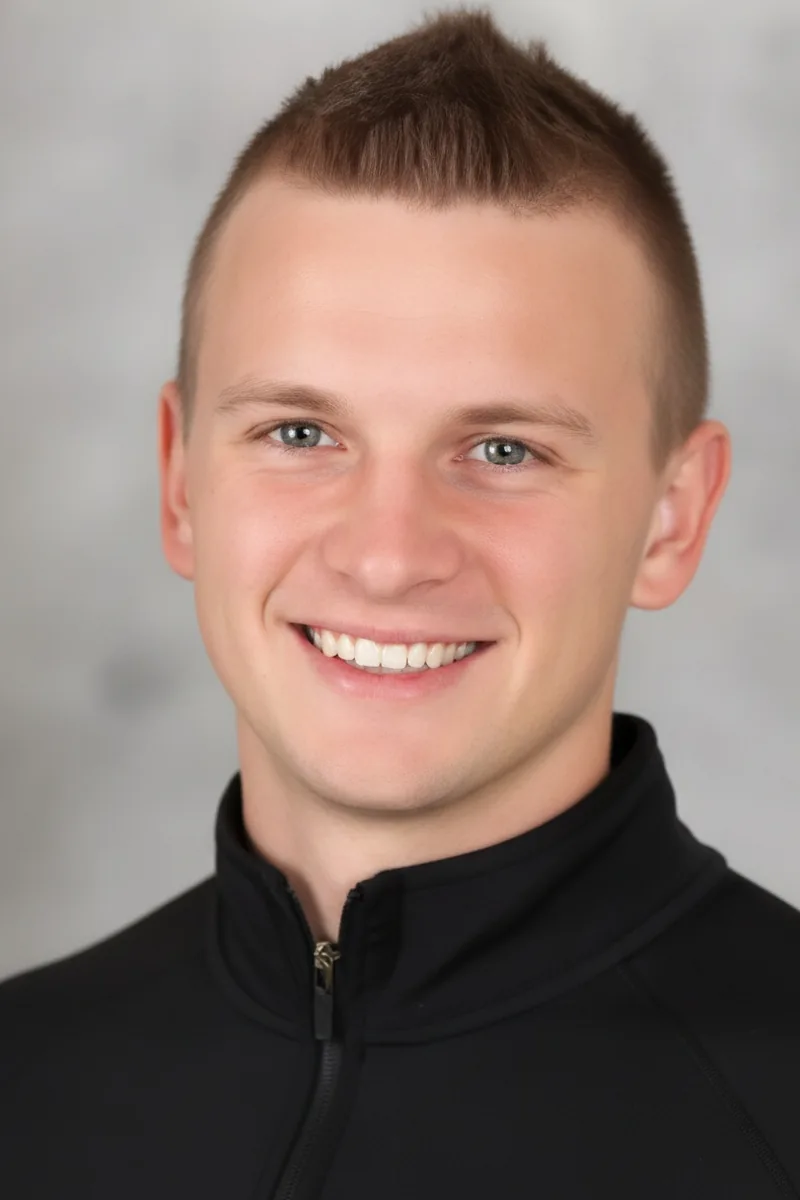
Someone who went from hating reading to devouring books understands the moment when language clicks — and that's the energy Aaron brings to creative writing. He digs into craft elements like voice, pacing, and scene construction, encouraging students to experiment on the page and then revise with intention. His conversational teaching style makes workshopping feel collaborative rather than intimidating.
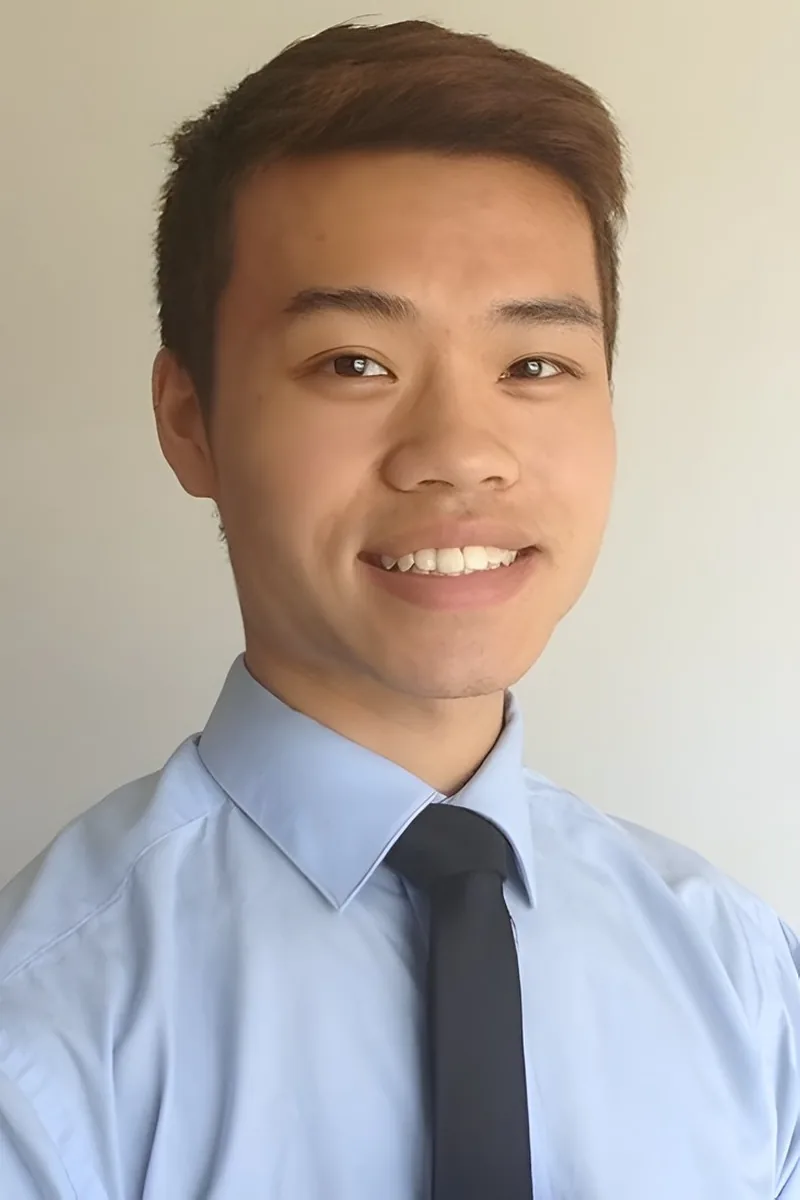
A writer himself, Justin digs into the craft elements that make fiction and poetry land — voice, pacing, imagery, and the deliberate choices behind sentence structure. He treats each student's draft as a conversation, identifying what's already working before pushing the piece further. Rated 4.8 by students.
Most creative writing feedback stays vague — 'show don't tell,' 'find your voice' — without explaining how. Patrick earned his MFA in Creative Writing at the University of Miami, where workshop culture taught him to give line-level, craft-specific feedback on everything from narrative structure to sentence rhythm. He approaches each student's project on its own terms, whether that's a personal essay, a short story, or an experimental piece that doesn't fit neatly into a genre.
An electrical engineering student at Duke might seem like an unlikely creative writing tutor, but Brooke's deep Latin studies — through AP level — trained her to obsess over how individual word choices carry weight, rhythm, and layered meaning in ways that map directly onto crafting strong prose and poetry. She also writes and edits across genres, from college application essays to literary analysis, giving her a practical sense of when a draft needs tighter structure versus more room to breathe. Rated 5.0 by students.
Living in France and England didn't just give Heather conversational French — it gave her a writer's habit of noticing the small, strange details that make a place or a person feel real on the page. She brings that observational instinct into drafting and revision, especially when students need to move past generic description and find the specific image or moment that gives a piece its voice. Her quantitative methods background also makes her unusually good at talking about structure — why a scene works where it's placed, how pacing builds, what a piece gains or loses from a different order.
A creative writing degree taught Mahalia something most writers learn the hard way: revision is where the real writing happens. She walks students through the full arc of a piece — from generating raw material through workshopping drafts — covering craft elements like voice, pacing, dialogue, and scene construction. Whether someone is writing poetry, short fiction, or personal essays, she treats each draft as a conversation about what the piece is trying to do.
Spending years in research labs taught Emmanuel something unexpected about creative writing: the best ideas emerge from disciplined process, not inspiration alone. He walks writers through generating material, experimenting with form and voice, and revising with intention — whether the project is poetry, personal essay, or short fiction.
Good creative writing instruction balances encouragement with honest craft feedback — knowing when to protect a writer's voice and when to push them on structure, imagery, or dialogue. Sarah's own writing practice spans multiple genres, and her graduate work in Asian languages and cultures gives her a cross-cultural lens that opens up storytelling possibilities most writers haven't considered.
Between a creative writing minor at Northwestern and years running a high school writing center, Nathaniel has logged serious time on both sides of the workshop table — producing his own fiction and non-academic work while coaching other writers through drafts. He's particularly sharp at helping students find the gap between what they meant to say and what's actually on the page, then working through revision at the sentence level until voice, pacing, and detail all land together.
Teaching Spanish in Baltimore City public schools and writing across multiple genres gave Michael a working sense of how language choices — verb tense, sentence rhythm, the weight of a single word — shape a reader's experience differently in fiction than in an essay or a lesson plan. He brings that bilingual awareness of how languages build meaning into creative writing sessions, especially when students are experimenting with voice, tone, or translating lived experience onto the page.
Getting words on the page is one challenge; shaping them into something compelling is another entirely. Robert tackles both sides of creative writing, from generating raw material through freewriting and prompts to revising for voice, imagery, and structural coherence across poetry, personal essays, and short fiction.
Psychology training at Colgate gave Suzanne something quietly useful for creative writing — a deep understanding of how people think, what motivates them, and why they behave in contradictory ways, which is exactly what makes fictional characters feel real rather than flat. She brings that behavioral insight into drafting sessions, especially when students are building characters or writing personal narratives that need emotional precision. Her research background also sharpens her revision instincts, catching where a piece makes claims about a character's feelings instead of showing them.
Talia writes fiction and poetry in her own time, but her political science and activism background gives her creative work — and her tutoring — an unusual edge: she knows how to build an argument with scene and image instead of thesis statements, and she teaches students to do the same. She's particularly sharp at helping a draft find its voice, whether that means stripping away overwrought language or pushing a student to dig into the one honest detail they've been dancing around. Rated 5.0 by students.
Studying both English and Film at Cornell gave Natalie a dual lens on storytelling — she understands how narrative tension, voice, and imagery work across mediums. She digs into the craft elements of each student's writing, whether that's sharpening dialogue, finding a more compelling point of view, or restructuring a draft so the pacing actually lands.
Studying child development at Yale taught Arielle something most writing tutors learn the hard way — that the stories kids want to tell and the language they have to tell them are two very different things, and the gap between them is where creative writing instruction actually lives. She uses that developmental lens to meet each writer's imagination with the right scaffolding, whether that means building a picture book narrative with a first grader or helping an older student craft a short story with real scene structure and dialogue. Rated 5.0 by students.
Testimonials
Because the right Creative Writing tutor makes all the difference.
Average Session Rating – Based on 3.4M Learner Ratings
Nearby Creative Writing Tutors
Other Los Angeles Tutors
Related English Tutors in Los Angeles
Frequently Asked Questions
Tutors work with students across all creative writing forms, including short stories, poetry, personal essays, screenplays, novel excerpts, and experimental fiction. Whether you're developing characters for a narrative, crafting vivid descriptions, working on dialogue, or exploring different literary voices, tutors provide personalized feedback and guidance tailored to your specific project and goals.
Writer's block often stems from perfectionism, unclear direction, or lack of structure. Tutors help by breaking down your writing goals into smaller, manageable steps, exploring different prewriting techniques (like freewriting, mind mapping, or brainstorming), and providing accountability and encouragement. With personalized 1-on-1 instruction, tutors can identify what's holding you back and develop strategies that work for your creative process.
Creative writing tutoring focuses on developing your unique voice, storytelling techniques, character development, and imaginative expression rather than academic essay structure and citations. While both involve writing craft, creative writing tutors emphasize showing versus telling, sensory details, dialogue, and narrative techniques that bring fiction and creative work to life. This specialized focus helps you develop as a writer in the genres and styles you're most interested in.
Revision is where good writing becomes great writing. Tutors help you approach revision strategically—first looking at big-picture elements like plot structure and pacing, then moving to sentence-level concerns like word choice and rhythm. Rather than just marking errors, tutors ask questions that help you discover your own solutions, provide specific feedback on what's working and what needs strengthening, and teach revision strategies you can apply independently to future projects.
Absolutely. Finding your authentic writing voice takes practice and guidance. Tutors help you explore different styles through reading and writing exercises, identify patterns in your work, experiment with word choice and sentence structure, and gradually strengthen the distinctive qualities that make your writing uniquely yours. With personalized instruction, you'll develop confidence in your voice while learning craft techniques that professional writers use.
Varsity Tutors connects you with tutors who have expertise in the specific creative writing areas you're interested in—whether that's fiction, poetry, screenwriting, memoir, or another genre. During the matching process, you can discuss your writing goals, the types of projects you're working on, and your preferred learning style. This personalized approach ensures you get instruction from someone who understands your creative vision.
Your first session is typically about getting to know each other and understanding your goals. The tutor will ask about your writing experience, what you want to improve, what projects you're currently working on, and how they can best support your growth. You might discuss your writing process, share samples of your work, or identify specific areas where you'd like personalized feedback. From there, the tutor will create a plan tailored to your needs and learning style.
Let’s find your perfect tutor
Answer a few quick questions. We’ll recommend the right plan and match you with a top 5% tutor.