Award-Winning German Tutors
serving Little Rock, AR
German
Tutors in Little Rock
Private 1-on-1 tutoring, weekly live classes for academic support, test prep & enrichment, practice tests and diagnostics, and more to elevate grades and test scores.
Based on 3.4M Learner Ratings
UniversitiesSchools & Universities
DeliveredHours Delivered
ProficiencyGrowth in Proficiency
Who needs tutoring?
No obligation. Takes ~1 minute.

Learning German grammar — cases, verb conjugation, word order — rewards the same kind of systematic pattern recognition that Eric uses in his science background. He tackles tricky concepts like accusative vs. dative case by connecting rules to practical usage, so the logic behind the language starts to feel intuitive rather than arbitrary.
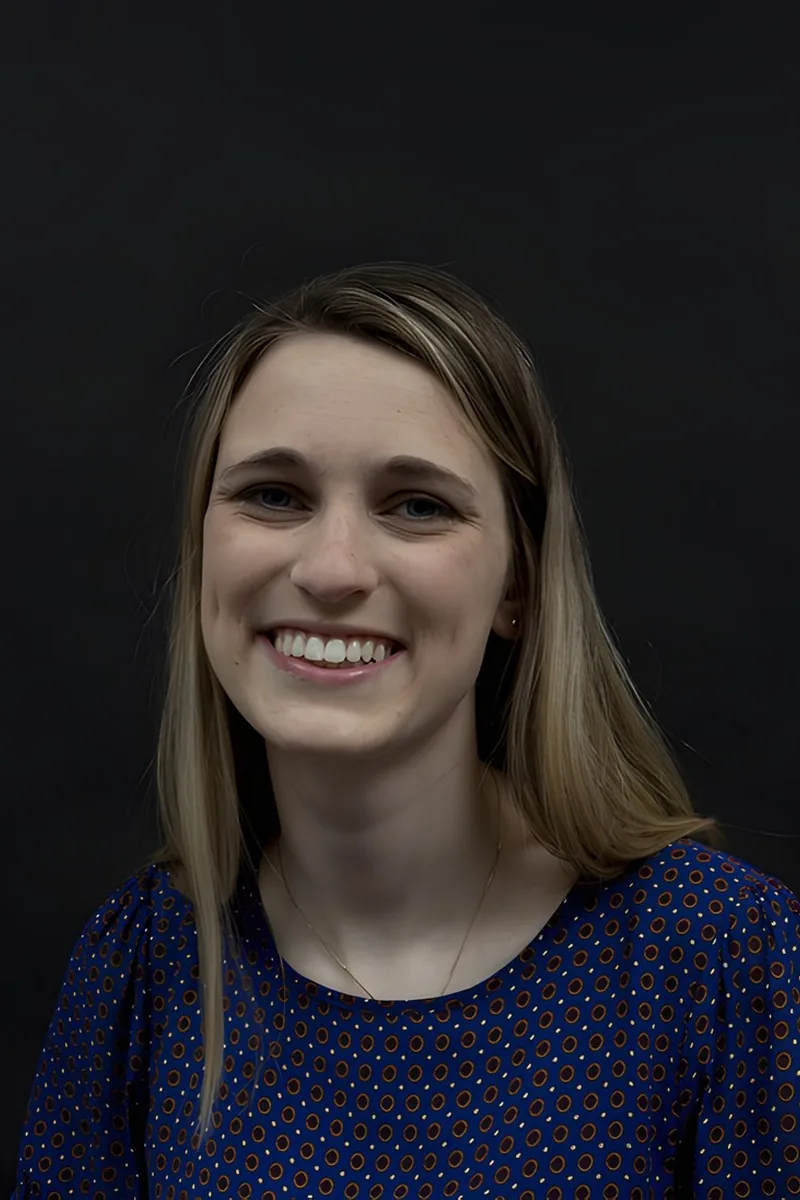
Amber majored in German at Northwestern, which means she didn't just study the language — she read novels, wrote research papers, and debated in it. She teaches grammar concepts like case endings and word order through pattern recognition, showing students the underlying logic so they can construct sentences on their own instead of relying on memorization tables.
Earning a PhD in German at Harvard means Zachary has spent years reading, writing, and thinking in the language — from Kant's dense philosophical prose to contemporary academic discourse. He teaches grammar not as a set of rules to memorize but as a system with its own internal logic, making case endings and word order click for students at every level. Whether the goal is passing a college course or reading Goethe in the original, he knows how to get there.
At UC Berkeley, Jacob earned an M.A. in German and received formal training in foreign language pedagogy while teaching college-level German courses. That combination of academic depth and classroom experience means he can explain tricky grammar — separable verbs, adjective endings, subjunctive mood — in ways that actually make structural sense rather than feeling like arbitrary rules.
Learning German means wrestling with case endings, separable verbs, and a sentence structure that puts the verb in places English speakers don't expect. Susie has studied German extensively and teaches grammar as a logical system — once students see the patterns behind accusative versus dative, for instance, the rules stop feeling arbitrary. She pairs structural drills with reading and listening practice to build real fluency.
Three levels of German instruction give Ben a clear picture of where students stumble — whether it's navigating noun cases, mastering separable verbs, or building confidence with spoken conversation. He approaches German grammar as a logical system with predictable patterns, which makes concepts like dative prepositions and adjective endings feel less arbitrary and more manageable.
Covering German 1 through German 4, Kristina pairs her language study with a Contemporary Studies background that naturally weaves in cultural literacy — giving students context for why Germans say things a certain way, not just how. Her 5.0 rating and pursuit of a Texas teaching certification in German signal someone who takes the language seriously enough to build a career around it.
Chris isn't a German specialist, but having studied German 1 through 3 alongside a demanding biomedical engineering courseload at UCLA, he knows what it takes to learn a language efficiently under pressure. He brings an engineer's structured thinking to grammar — breaking down case endings and verb placement into logical patterns that make sense to analytically minded students.
German's case system and verb placement rules trip up nearly every beginner, but they follow a logic that becomes intuitive with the right explanations. Alice teaches German at multiple levels and breaks down concepts like accusative vs. dative usage through pattern recognition rather than rote chart memorization. Her conversational teaching style means grammar drills feel more like a dialogue than a worksheet.
Lisa has studied German through an advanced level, covering everything from case declensions and subordinate clause word order to reading authentic texts. She approaches grammar as a logical system rather than a set of rules to memorize, which makes tricky concepts like dative prepositions and adjective endings feel more predictable. Her 5.0 rating speaks to how well that approach lands.
German's case system, separable prefixes, and word order rules intimidate a lot of learners, but Jamie tackles them through immersion in compelling, context-rich material rather than isolated grammar exercises. Students pick up Akkusativ and Dativ distinctions by hearing and reading them repeatedly in stories and cultural content that actually holds their attention. The result is German that sticks because it was acquired, not just memorized.
Evan studied German formally as part of his undergraduate degree, which means he knows the grammar inside out — case endings, separable verbs, subordinate clause word order, all of it. He connects each rule to how German actually sounds and reads in real texts, so students internalize patterns instead of just memorizing tables.
Testimonials
Because the right German tutor makes all the difference.
Average Session Rating – Based on 3.4M Learner Ratings
Nearby German Tutors
Other Little Rock Tutors
Related Languages Tutors in Little Rock
Frequently Asked Questions
Your first session is about understanding your current level, goals, and learning style. A tutor will assess your reading, writing, speaking, and listening skills, then work with you to create a personalized plan—whether you're building foundational vocabulary, preparing for AP German, or developing conversational fluency. This initial conversation ensures the tutoring matches exactly what you need.
In a typical classroom, students get limited opportunities to speak German aloud. With personalized 1-on-1 instruction, you practice speaking in every session with immediate feedback on pronunciation, grammar, and natural phrasing. Tutors can slow down, repeat, and help you build confidence in real conversation—skills that are difficult to develop in group settings.
German verbs conjugate differently based on person, tense, and mood, which can feel overwhelming without a clear system. Tutors break this down into manageable patterns, using practice and repetition to move conjugation from conscious effort to automatic recall. Rather than memorizing rules in isolation, you'll practice conjugations in context through conversation and writing, which builds deeper understanding.
Research on learning shows that spaced repetition and retrieval practice—revisiting words at increasing intervals—are far more effective than cramming. Tutors use these techniques by incorporating vocabulary into conversations, writing exercises, and real-world contexts rather than isolated lists. This approach helps words stick and makes them accessible when you need them in actual communication.
Yes. Varsity Tutors connects you with tutors who understand typical German curriculum progression and can support whatever level you're studying—from introductory German I through AP German Language and Culture. Whether you need help with specific units, test prep, or just want to strengthen skills alongside your coursework, personalized instruction fills gaps that classroom instruction alone may not address.
Absolutely. Language and culture are deeply connected—understanding German customs, media, history, and communication styles helps you use the language more naturally and authentically. Many tutors weave cultural context into lessons through German films, literature, news, and conversation about German-speaking countries, which makes learning more engaging and gives you real-world context for grammar and vocabulary.
The timeline depends on your starting point and how much you practice. The U.S. Foreign Service Institute estimates that English speakers need roughly 750-900 hours of study to reach professional working proficiency in German. With consistent personalized tutoring combined with your own practice, you can accelerate progress significantly—but fluency is a gradual process that benefits from regular exposure and active use.
Varsity Tutors connects you with expert tutors based on your specific needs—whether that's conversational fluency, academic support, or test preparation. You can discuss your goals, learning style, and schedule upfront to ensure a good match. The personalized approach means you're not locked into a one-size-fits-all program; your tutoring adapts as your skills develop.
Let’s find your perfect tutor
Answer a few quick questions. We’ll recommend the right plan and match you with a top 5% tutor.