Award-Winning Python Tutors
serving St. Louis, MO
Python
Tutors in St. Louis
Private 1-on-1 tutoring, weekly live classes for academic support, test prep & enrichment, practice tests and diagnostics, and more to elevate grades and test scores.
Based on 3.4M Learner Ratings
UniversitiesSchools & Universities
DeliveredHours Delivered
ProficiencyGrowth in Proficiency
Who needs tutoring?
No obligation. Takes ~1 minute.
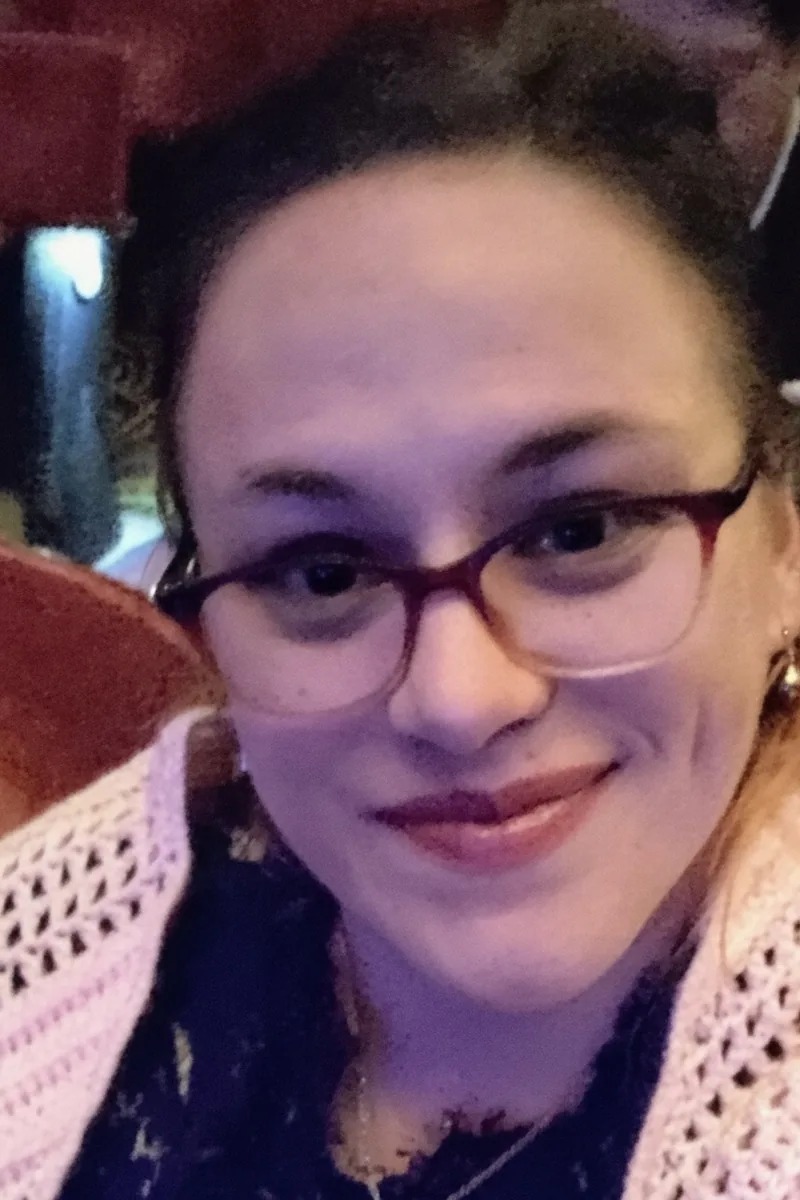
With a PhD in computer science, Samantha doesn't just teach Python syntax — she's spent years writing code for research, which means she understands how to structure programs that scale beyond a homework assignment. She's especially effective at walking through debugging strategies and helping students move from copying examples to designing their own solutions using classes, data structures, and clean modular logic. Rated 5.0 by students.
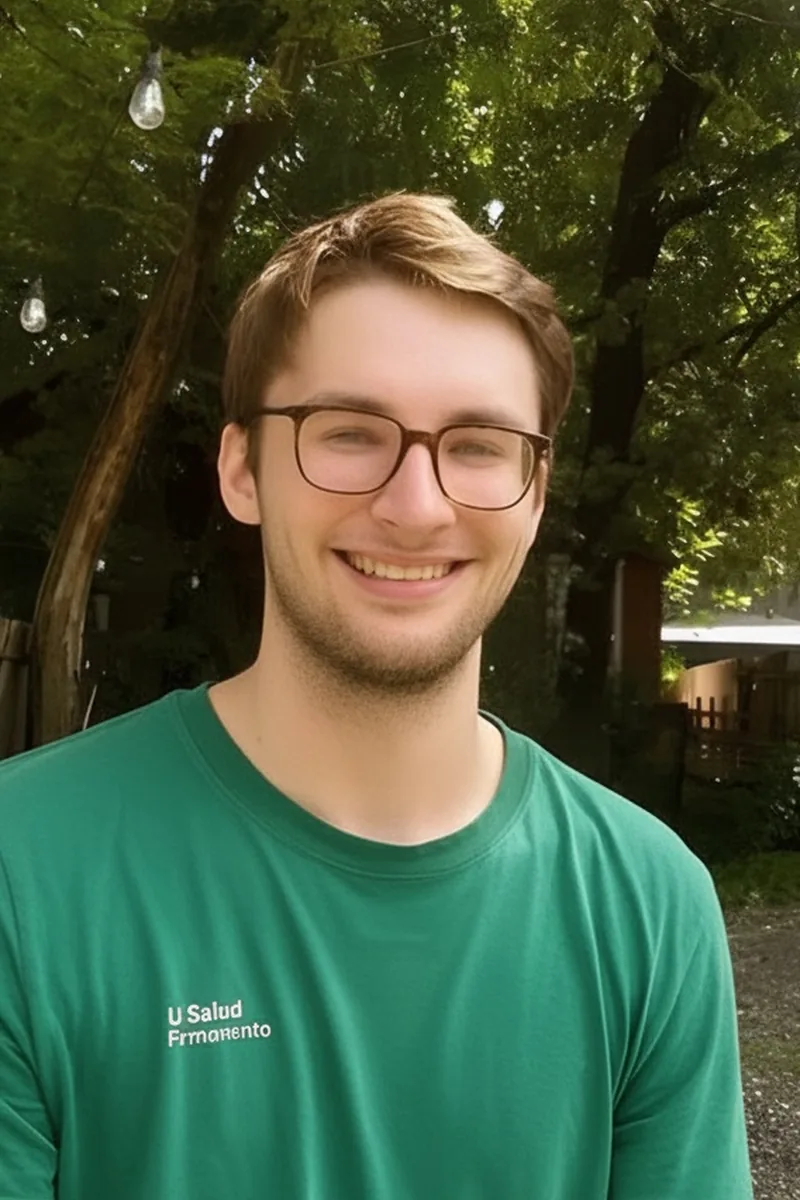
Python's readability makes it a popular first language, but students still hit walls on list comprehensions, class inheritance, and debugging logic errors they can't see. Milo teaches Python within a computer science framework — connecting syntax to the underlying concepts — drawing on both his CS master's work at UMass Amherst and years of tutoring experience. He's rated 5.0 by students.
Physics research at Carnegie Mellon means Madeline writes Python daily — from NumPy arrays for data analysis to matplotlib visualizations and automating lab simulations. She teaches scripting the way she learned it: by building real projects that make loops, functions, and debugging feel purposeful rather than abstract.
Whether it's scripting a data pipeline or implementing a sorting algorithm from scratch, Florence teaches Python with the pragmatism of someone who's used it across academic and industry settings — including software development at IBM. She walks through core concepts like list comprehensions, dictionary manipulation, and file I/O with clear explanations rooted in her Duke CS coursework and TA experience.
From list comprehensions to object-oriented class design, Brian teaches Python with an emphasis on writing clean, efficient code — not just code that runs. His Caltech CS background included heavy use of Python for data analysis and algorithm implementation, which means he can adapt sessions to whatever a student needs: introductory scripting, NumPy workflows, or preparing for technical interviews.
Stephanie's computer science degree from MIT means Python isn't just a language she picked up from a tutorial — she understands it from the ground up, from list comprehensions and dictionary manipulation to object-oriented design and algorithmic complexity. Whether a student is writing their first for-loop or debugging a recursive function, she explains the logic behind the syntax so concepts transfer to real projects.
Python's readability makes it a great first language, but students still hit walls with list comprehensions, dictionary manipulation, and debugging runtime errors. Clive tackles these sticking points by writing code live with students, explaining his reasoning at each step so they learn to think like a programmer. His experience spans multiple languages, which means he can contextualize Python's quirks — like dynamic typing and indentation-based scope — in ways that deepen understanding.
As a biomedical sciences PhD student, Maggie picked up Python the same way she picked up MATLAB — because her research demanded it, from scripting data pipelines to automating repetitive analysis tasks. Her TA experience in calculus and chemistry means she's practiced at breaking down logical sequences step by step, which translates naturally to teaching students how to structure code with conditionals, loops, and functions that actually run without cryptic error messages.
Tashina picked up Python as a research tool during her PhD in Psychological and Brain Sciences — writing scripts for data cleaning, statistical analysis with pandas and NumPy, and automating repetitive lab tasks. That practical origin means she teaches coding the way she learned it: by building something useful, not just running through syntax exercises.
Bioinformatics at Stanford meant writing Python daily — parsing genomic datasets, automating lab analyses, and building scripts to visualize biological data. Matthew teaches Python fundamentals like loops, functions, and data structures through real problem-solving rather than abstract exercises. Students who want to see what coding looks like in a scientific or data-driven context get a tutor who's lived that workflow.
Python's readability makes it a great first language, but students still stumble on list comprehensions, scope rules, and debugging recursive functions. Anna teaches Python by connecting each concept to a concrete use case — data manipulation with dictionaries, file I/O, or building small projects that make abstract syntax feel purposeful. Her interdisciplinary background in neuroscience and CS means she's comfortable whether the course leans scientific computing or software development.
Python's readability makes it a great first language, but students still hit walls around list comprehensions, recursion, and object-oriented design. Nicholas uses Python daily in his applied mathematics and engineering work at Johns Hopkins, so he teaches it as a practical tool — writing scripts that solve real problems rather than abstract exercises. He's especially effective at bridging the gap between introductory syntax and the algorithmic thinking needed for more advanced projects.
Annie uses Python daily in her biomedical engineering work at Cornell, from writing scripts to analyze immunotherapy research data to building computational models in MATLAB and Python side by side. She teaches core concepts like loops, functions, data structures, and libraries such as NumPy by connecting them to real problems — not just abstract exercises.
Testimonials
Because the right Python tutor makes all the difference.
Average Session Rating – Based on 3.4M Learner Ratings
Nearby Python Tutors
Other St. Louis Tutors
Related Technology and Coding Tutors in St. Louis
Frequently Asked Questions
Your first session focuses on understanding your goals—whether you're learning Python for a class, building web applications, or exploring data science. The tutor will assess your current coding level, identify specific challenges like debugging or understanding loops, and create a personalized plan. You'll likely work through a simple coding exercise together to establish a baseline and get comfortable with the tutoring process.
Many students struggle with the difference between knowing Python syntax (the rules of writing code) and understanding the logic (how to solve problems algorithmically). Tutors help by walking you through problem-solving approaches first, then showing how to express those solutions in Python. This means you'll learn to think like a programmer before perfecting your syntax, which builds stronger foundational skills.
Absolutely. Debugging is one of the most valuable skills a tutor can teach. Rather than just fixing errors for you, tutors guide you through reading error messages, tracing code execution, and identifying where logic breaks down. This hands-on code review process helps you develop independence in troubleshooting—a skill that transfers to every programming project you'll ever tackle.
Yes. Python is incredibly versatile, and tutors can tailor instruction to your interests. Whether you're building web applications with Django or Flask, analyzing data with pandas and NumPy, or creating games, your tutor can focus on the libraries, frameworks, and projects most relevant to your goals. This project-based approach keeps learning practical and motivating.
Data structures and algorithms are abstract concepts that benefit greatly from personalized explanation and practice. Tutors break down concepts like lists, dictionaries, and sorting algorithms into digestible pieces, then guide you through coding exercises that reinforce understanding. Regular practice with feedback helps these ideas click faster than self-study alone.
Yes. Varsity Tutors connects students across the St. Louis area—spanning all 9 school districts and 40+ schools—with expert Python tutors. Whether you're at a public or private school, or homeschooled, you can get matched with a tutor who understands your curriculum and learning style. Personalized 1-on-1 instruction adapts to your pace and goals.
Absolutely. Project-based learning is one of the most effective ways to solidify Python skills. Tutors can guide you through building real applications—whether that's a web scraper, a data analysis project, or a game—while teaching best practices like clean code and version control. Working on something meaningful keeps you engaged and builds a portfolio you can be proud of.
If you're taking a computer science or programming class at a St. Louis school, a tutor can help you understand assignments, prepare for tests, and develop stronger problem-solving skills. Tutors review your code, explain concepts your teacher covered, and help you move beyond just getting assignments done to truly understanding how Python works. This targeted support often leads to better grades and genuine confidence in coding.
Let’s find your perfect tutor
Answer a few quick questions. We’ll recommend the right plan and match you with a top 5% tutor.