Award-Winning Python Tutors
serving Seattle, WA
Python
Tutors in Seattle
Private 1-on-1 tutoring, weekly live classes for academic support, test prep & enrichment, practice tests and diagnostics, and more to elevate grades and test scores.
Based on 3.4M Learner Ratings
UniversitiesSchools & Universities
DeliveredHours Delivered
ProficiencyGrowth in Proficiency
Who needs tutoring?
No obligation. Takes ~1 minute.
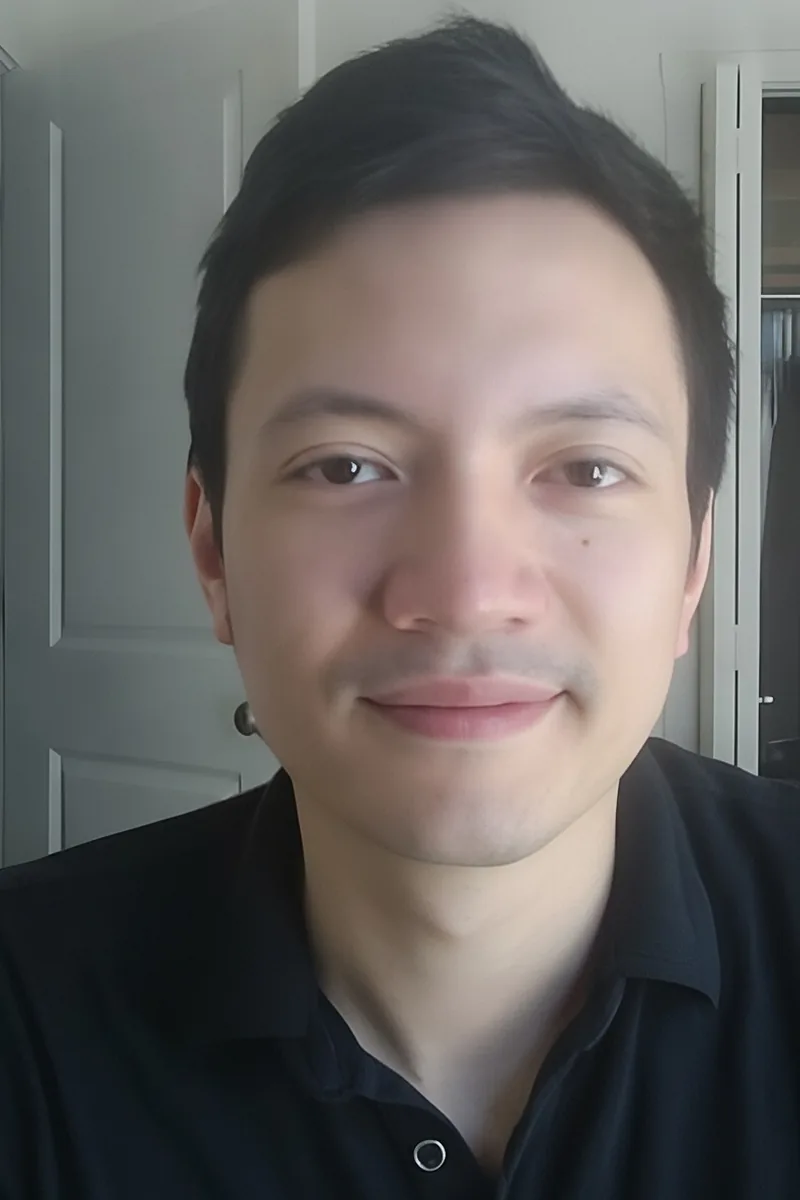
Physics research runs on Python — from numerical simulations to data visualization — and Cory learned the language by solving real computational problems, not just following tutorials. He walks students through core concepts like loops, functions, and libraries such as NumPy by tying each one to a concrete task the code actually accomplishes.

Before Daniel ever formally studied programming, he was the person friends called when their code wouldn't run — and his electrical engineering coursework at Stevens turned that instinct into real fluency, using Python to automate circuit analysis, process sensor data, and script lab workflows. He lists Python as one of his top three tutoring interests alongside calculus and high school math, which means he genuinely enjoys teaching it rather than just listing it as an afterthought. That enthusiasm shows up in how he breaks down debugging and logical flow for newer programmers, stripping away the intimidation the same way he does with math.
As a dedicated tutor with over 2 years of experience, I am passionate about fostering a supportive learning environment where students can thrive in subjects like Algebra, Business Analytics, and Data Science. Currently pursuing my Bachelor's in Informatics at the University of Washington, I incorporate real-world applications into my teaching to engage students and enhance their understanding of complex concepts. My approach emphasizes personalized learning, encouraging students to ask questions and develop critical thinking skills. I find great joy in witnessing my students' growth and success, and I strive to instill a love for learning that extends beyond the classroom.
Python's readability makes it a great first language, but students still stumble on list comprehensions, recursion, and knowing when to use a dictionary versus a list. Avram connects programming logic to the problem-solving mindset he developed in physics, teaching students to plan their code's structure before writing a single line.
Python's readability makes it a great first language, but students still hit walls with list comprehensions, dictionary manipulation, and debugging runtime errors. Clive tackles these sticking points by writing code live with students, explaining his reasoning at each step so they learn to think like a programmer. His experience spans multiple languages, which means he can contextualize Python's quirks — like dynamic typing and indentation-based scope — in ways that deepen understanding.
Learning Python at MIT's engineering program means Cori picked it up the way most students will use it — writing scripts to process data, automate calculations, and solve real problems. She breaks down core concepts like loops, functions, and data structures by connecting each one to a tangible task rather than abstract theory.
Python's readability makes it a great first language, but students still stumble on list comprehensions, dictionary manipulation, and debugging runtime errors they've never seen before. Ethan uses Python across his Vanderbilt engineering coursework and walks through each concept with real scripts — not just slides — so the logic becomes second nature.
From list comprehensions to class hierarchies to libraries like NumPy and pandas, Vincent covers Python at every level — whether a student is writing their first loop or building a machine learning pipeline. His computational science background at MIT means he doesn't just teach syntax; he connects each concept to practical problems in data analysis, automation, and algorithm design.
Having built projects in Java, JavaScript, C#, and Unity alongside his Penn State CS degree, Nicholas teaches Python with a polyglot programmer's perspective — he can pinpoint exactly where Python's syntax feels weird if you're coming from another language, and where its simplicity is a genuine superpower. He's especially sharp at debugging sessions, breaking down error messages and tracing logic step by step until students can diagnose their own code. Rated 5.0 by students.
Tashina picked up Python as a research tool during her PhD in Psychological and Brain Sciences — writing scripts for data cleaning, statistical analysis with pandas and NumPy, and automating repetitive lab tasks. That practical origin means she teaches coding the way she learned it: by building something useful, not just running through syntax exercises.
From list comprehensions to object-oriented class design, Brian teaches Python with an emphasis on writing clean, efficient code — not just code that runs. His Caltech CS background included heavy use of Python for data analysis and algorithm implementation, which means he can adapt sessions to whatever a student needs: introductory scripting, NumPy workflows, or preparing for technical interviews.
From writing your first for-loop to building out functions with libraries like NumPy or pandas, Python rewards clear logical thinking — which is exactly what a dual math-and-CS major trains for. Sabira breaks down concepts like list comprehensions, recursion, and file I/O so students understand the reasoning behind each line of code, not just the output.
Python's readability makes it a great first language, but students still get tripped up by list comprehensions, scope rules, and debugging logic errors they can't see. Joshua's application-oriented programming background means he teaches Python the way developers actually use it — writing clean, functional code and learning to read error messages like a roadmap.
Studying computer science at Rice, William writes Python not just for coursework but as his go-to tool for math-heavy projects — which means he can teach students to think algorithmically while picking up syntax along the way. He's especially good at bridging the gap for students who already think logically through math but freeze up when translating that logic into code with conditionals, loops, and functions.
Daria's electrical and computer engineering coursework at Cornell means Python isn't just a classroom exercise — she uses it to program microcontrollers, process signals, and automate hardware-level tasks. That hands-on engineering context lets her teach variables, loops, and functions through projects that interact with the physical world, giving students a tangible reason to care about clean code.
Testimonials
Because the right Python tutor makes all the difference.
Average Session Rating – Based on 3.4M Learner Ratings
Other Seattle Tutors
Related Technology and Coding Tutors in Seattle
Frequently Asked Questions
Your first session is all about understanding your goals and current level. A tutor will assess whether you're just starting out, learning Python for a specific project (like web development or data science), or working through a school curriculum. They'll discuss what you want to build or achieve, then create a personalized plan that matches your pace and learning style—whether that's working through syntax fundamentals, debugging existing code, or diving into more complex projects.
Both matter, but programming logic—understanding how to break problems into steps and think algorithmically—is the foundation. Syntax is just the language's grammar; logic is how you solve problems. A tutor will help you build logical thinking through hands-on coding practice, then show you how Python's syntax expresses those ideas. This approach means you'll write better code faster and adapt more easily if you learn another language later.
Error messages often feel cryptic at first, but they're actually helpful clues. A tutor teaches you how to read and interpret errors, trace through your code step-by-step, and use debugging tools effectively. Instead of just fixing the bug for you, they'll walk you through the process so you develop problem-solving skills that apply to any code you write. This hands-on approach builds confidence and independence much faster than trying to figure it out alone.
Absolutely—project-based learning is one of the most effective ways to solidify Python skills. Whether you want to build a web app, analyze data, create a game, or automate tasks, a tutor can guide you through the process. They'll help you break the project into manageable pieces, review your code, suggest improvements, and help you troubleshoot when you get stuck. This real-world approach keeps learning practical and motivating.
Data structures (lists, dictionaries, sets, tuples) are essential for writing efficient, clean code—they're not just abstract concepts. Tutors teach them by connecting them to real problems: using lists to store multiple items, dictionaries to organize related data, and so on. Through hands-on coding practice and code review, you'll develop intuition for when to use each structure, which makes your programs faster and easier to understand.
Many Seattle schools incorporate Python into computer science and STEM curricula. A tutor can align with your specific course, whether you're working through AP Computer Science Principles, a high school programming class, or a middle school introduction. They'll help you keep up with assignments, understand concepts from class, prepare for assessments, and go deeper into topics that interest you—all while reinforcing what you're learning in the classroom.
A tutor can help you explore your interests and match them to Python's strengths. If you love building things users interact with, web development (Django, Flask) might fit. If you're curious about data and patterns, data science (pandas, NumPy) could be your focus. Game development, automation, and machine learning are other popular paths. Your tutor will discuss your goals and guide you toward projects and skills that keep you motivated while building a solid Python foundation.
Self-paced tutorials are helpful for reference, but personalized tutoring accelerates learning significantly. A tutor provides immediate feedback on your code, helps you understand *why* something works (not just that it does), and adapts to your learning pace and questions. They catch misconceptions early, help you develop good coding habits, and keep you accountable—all things that are hard to do alone. Many students find tutoring cuts their learning time in half while building deeper understanding.
Let’s find your perfect tutor
Answer a few quick questions. We’ll recommend the right plan and match you with a top 5% tutor.