Award-Winning Mandarin Chinese Tutors
serving Jacksonville, FL
Mandarin Chinese
Tutors in Jacksonville
Private 1-on-1 tutoring, weekly live classes for academic support, test prep & enrichment, practice tests and diagnostics, and more to elevate grades and test scores.
Based on 3.4M Learner Ratings
UniversitiesSchools & Universities
DeliveredHours Delivered
ProficiencyGrowth in Proficiency
Who needs tutoring?
No obligation. Takes ~1 minute.
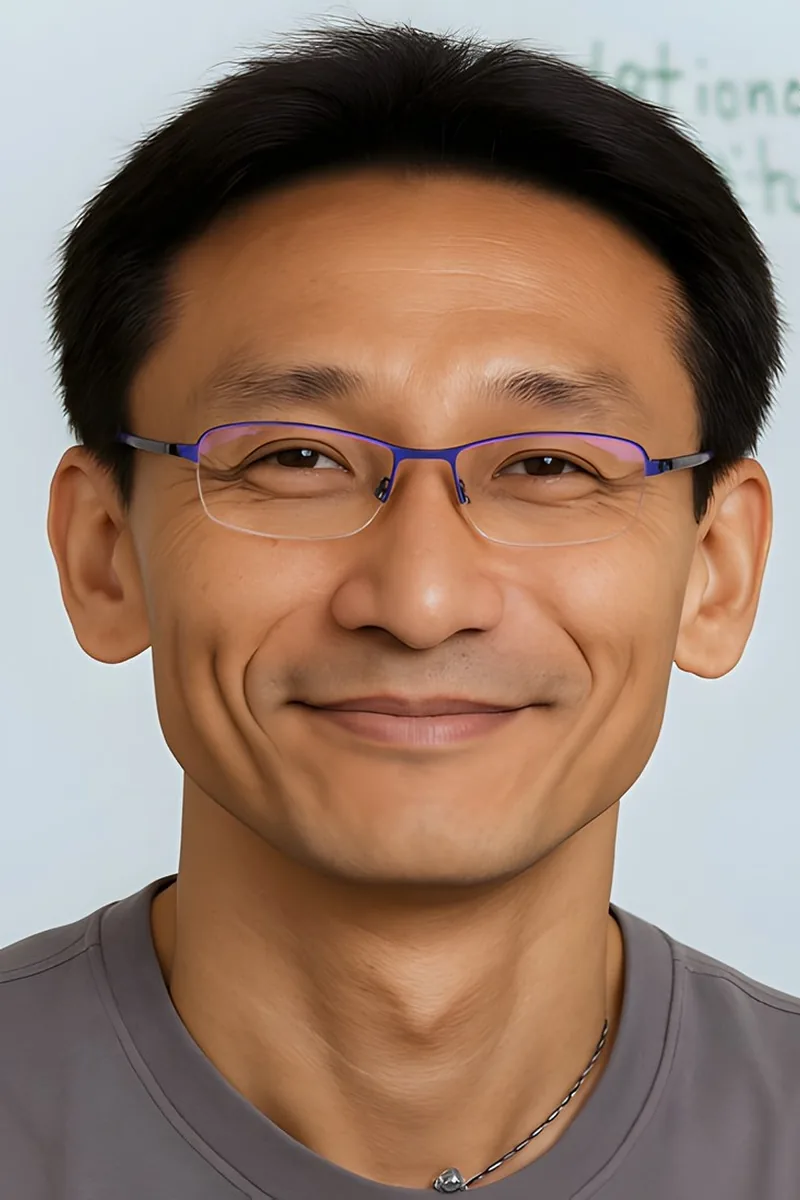
Learning Mandarin means juggling tones, character stroke order, and sentence structures that feel nothing like English — and Paulkey tackles each piece systematically. As a certified Mandarin teacher who has taught every level from beginner through AP, he sequences new vocabulary and grammar so each lesson builds naturally on the last. Rated 4.7 by students.

Tone pairs, radical recognition, stroke order — Mandarin has layers of complexity that intimidate most beginners, and Ashley breaks each one down systematically. Her international background and fluency across all four Mandarin course levels mean she can take a student from pinyin basics through reading simplified characters with real comprehension.
As a native-level Mandarin speaker, Qiwei understands the specific hurdles English speakers face with tones, character recognition, and measure words — challenges that a textbook alone can't solve. He builds conversational confidence alongside structured grammar practice, making the jump from pinyin to real Chinese communication feel far less intimidating.
Mandarin intimidates a lot of students because it layers tonal pronunciation, character writing, and a grammar system that works nothing like English. Michael has studied through Mandarin Chinese 4 and breaks the language into manageable pieces — drilling tone pairs for listening accuracy, teaching radical-based strategies for character memorization, and building sentence patterns from simple to complex.
Paul's unusual combination of advanced degrees in French literature and fluency in Mandarin means he understands language acquisition from multiple angles — he knows firsthand what it takes to internalize a tonal system, master character writing, and think in a completely different grammatical framework. He teaches conversational Mandarin at every level, drawing on that multilingual perspective to clarify the patterns and logic behind structures that feel opaque to English speakers. Rated 5.0 by students.
Brittaney teaches Mandarin Chinese across four proficiency levels, from character recognition and tonal pronunciation basics through more advanced reading and composition. She connects language learning to cultural context, which makes vocabulary and grammar patterns stick instead of feeling like rote memorization. Her 5.0 rating speaks to how well that approach works for students at every stage.
Henry is a fluent Mandarin Chinese speaker who teaches everything from tonal pronunciation and pinyin basics to more advanced character recognition and conversational fluency. His approach connects vocabulary to real-world usage — ordering food, navigating directions, discussing current events — so that new words stick in context rather than as isolated flashcard entries.
Cindy is a heritage Mandarin speaker who also passed the SAT Subject Test in Chinese with Listening, giving her both native fluency and an understanding of how the language looks from a learner's perspective. She tackles everything from tone drilling and character stroke order to reading comprehension of longer passages, adjusting her approach based on whether a student is building from scratch or refining existing skills.
Learning Mandarin Chinese requires consistent practice with tonal accuracy, character recognition, and sentence structure — skills that benefit from a patient, methodical tutor. Julie's background in philosophy and statistics at Princeton means she approaches language learning with the same logical rigor she applies to formal proofs, breaking grammar patterns into learnable systems rather than isolated rules.
Florence's Chinese proficiency is strong enough that she sat for the SAT Subject Test in Chinese with Listening, giving her real experience with the listening comprehension, reading, and writing skills that Mandarin learners need to develop. She tackles tricky areas like measure words, sentence-final particles, and character recognition with a methodical approach shaped by her computer science training at Duke.
Learning Mandarin means training your ear for four tones, memorizing character stroke order, and internalizing a grammar system that works nothing like English. Chang has taught Mandarin to everyone from high schoolers to intelligence agency professionals, adapting his methods to each learner's level and goals. His background in Chinese philosophy and culture adds depth that makes vocabulary and grammar stick in context rather than in isolation.
Learning Mandarin means juggling tones, character recognition, and a grammar structure that looks nothing like English — all at once. Andrew has studied Mandarin through multiple levels and tackles each of these layers separately before combining them, so students build real reading and speaking ability instead of just memorizing phrases.
Eight years of teaching Chinese language and culture across K-12 levels means Amanda has built curriculum for every stage — from introducing tones and pinyin to beginners through drilling stroke order, radicals, and reading comprehension for advanced learners. She developed a full K-12 Mandarin curriculum and knows exactly where students tend to stall, whether it's character recognition or navigating measure words. Rated 5.0 by students.
Kelly teaches Mandarin through all four levels, breaking down tonal pronunciation, character stroke order, and sentence structure in ways that build real fluency. Her approach connects vocabulary to practical contexts — ordering food, navigating directions, discussing current events — so grammar patterns stick through use rather than rote drills. Rated 5.0 by students.
Mia has studied Mandarin Chinese through advanced levels and brings a structured, patient approach to teaching tones, character recognition, and sentence construction. Whether a student is tackling measure words for the first time or working through reading comprehension passages, she breaks the language down into patterns that build on each other.
Cindy teaches Mandarin across four course levels, from introductory pinyin and tone work through more advanced reading and conversation — so she can match instruction to wherever a student currently stands. As a current Penn undergrad who balances Mandarin alongside her political science coursework, she brings a learner's perspective on what makes vocabulary and grammar patterns click. Rated 5.0 by students.
Testimonials
Because the right Mandarin Chinese tutor makes all the difference.
Average Session Rating – Based on 3.4M Learner Ratings
Nearby Mandarin Chinese Tutors
Other Jacksonville Tutors
Related Languages Tutors in Jacksonville
Frequently Asked Questions
Your first session is an opportunity for a tutor to understand your current level, learning goals, and preferred pace. Whether you're starting from zero or building on existing knowledge, the tutor will assess your strengths in reading, writing, speaking, and listening, then create a personalized plan tailored to your needs. This foundation ensures every session afterward builds on what works best for you.
Classroom settings often limit speaking time, but personalized 1-on-1 instruction gives you dedicated conversation practice every session. A tutor can correct your pronunciation and tones in real time, help you think through responses naturally, and gradually increase complexity as your confidence grows. This consistent, judgment-free speaking practice is one of the most effective ways to develop fluency and overcome hesitation.
Mandarin's four tones (plus neutral tone) are fundamentally different from English, and mispronouncing a tone can change a word's meaning entirely—a common source of frustration for learners. Expert tutors can model correct pronunciation, listen closely to your attempts, and provide immediate feedback on tone accuracy. With targeted practice and clear explanations of how tones work, you'll develop the ear and muscle memory needed to speak naturally.
Rather than memorizing characters in isolation, effective tutoring connects characters to meaning through radicals (building blocks) and stroke order patterns, making learning more logical and memorable. Tutors can also help you decide whether to focus on simplified or traditional characters based on your goals, and teach you strategies for retaining vocabulary long-term. Personalized instruction means you practice writing in contexts that matter to you, whether that's everyday conversations or academic texts.
The best approach combines both: understanding key grammar structures gives you a framework, but natural usage comes from exposure and practice. Expert tutors balance explicit grammar instruction with conversational practice, so you learn rules in context rather than as abstract concepts. This blend helps you avoid common mistakes while developing the intuition native speakers have about what sounds right.
Absolutely. Language and culture are inseparable, and tutors can weave cultural context into lessons through authentic materials, discussions about customs, and explanations of why certain phrases are used in specific situations. This approach not only makes learning more engaging but also helps you understand the reasoning behind the language, making it easier to remember and use appropriately in real conversations.
Spaced repetition—reviewing words at increasing intervals—is one of the most effective learning techniques, and tutors can build this into your sessions through strategic review and varied contexts. Rather than cramming vocabulary lists, you'll encounter words repeatedly across different topics and situations, which strengthens memory and helps you retrieve words naturally during conversation. A tutor can also teach you memory techniques tailored to how Chinese characters and pinyin work.
According to language learning research, reaching professional-level proficiency in Mandarin typically requires around 2,200 hours of study. However, conversational fluency—the ability to handle everyday situations—can develop much faster with consistent, focused practice, often within 6-12 months of regular tutoring combined with personal study. Your timeline depends on your starting level, how frequently you meet with a tutor, and how much you practice outside sessions, but personalized instruction accelerates progress significantly.
Let’s find your perfect tutor
Answer a few quick questions. We’ll recommend the right plan and match you with a top 5% tutor.