Award-Winning Japanese Tutors
serving Madison, WI
Japanese
Tutors in Madison
Private 1-on-1 tutoring, weekly live classes for academic support, test prep & enrichment, practice tests and diagnostics, and more to elevate grades and test scores.
Based on 3.4M Learner Ratings
UniversitiesSchools & Universities
DeliveredHours Delivered
ProficiencyGrowth in Proficiency
Who needs tutoring?
No obligation. Takes ~1 minute.
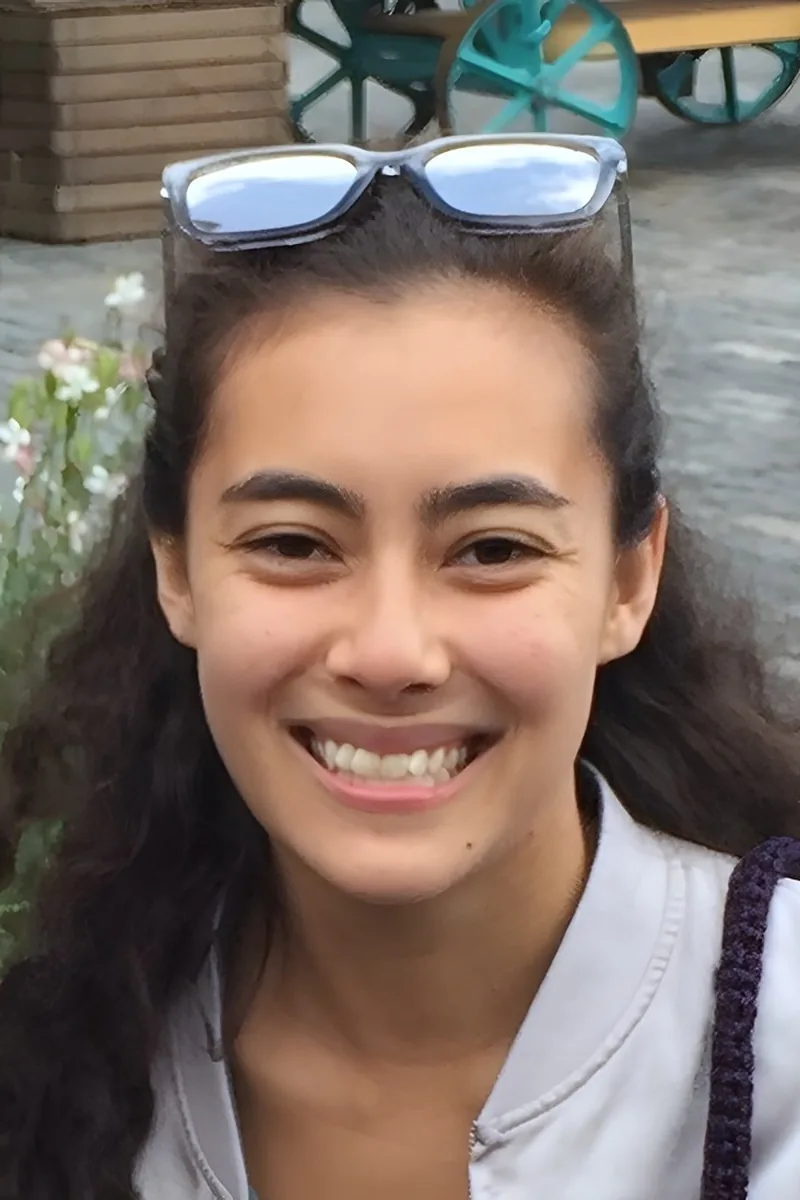
Shona's semester abroad in Seville proved that immersion reshapes how you learn any language — a lesson she carries into teaching Japanese, where she emphasizes building comfort with sentence patterns and particles through active use rather than translation drills. Her AP Japanese Language and Culture tutoring draws on both her structured math-trained thinking and her own experience navigating a second language in real-world settings. Rated 4.9 by students.
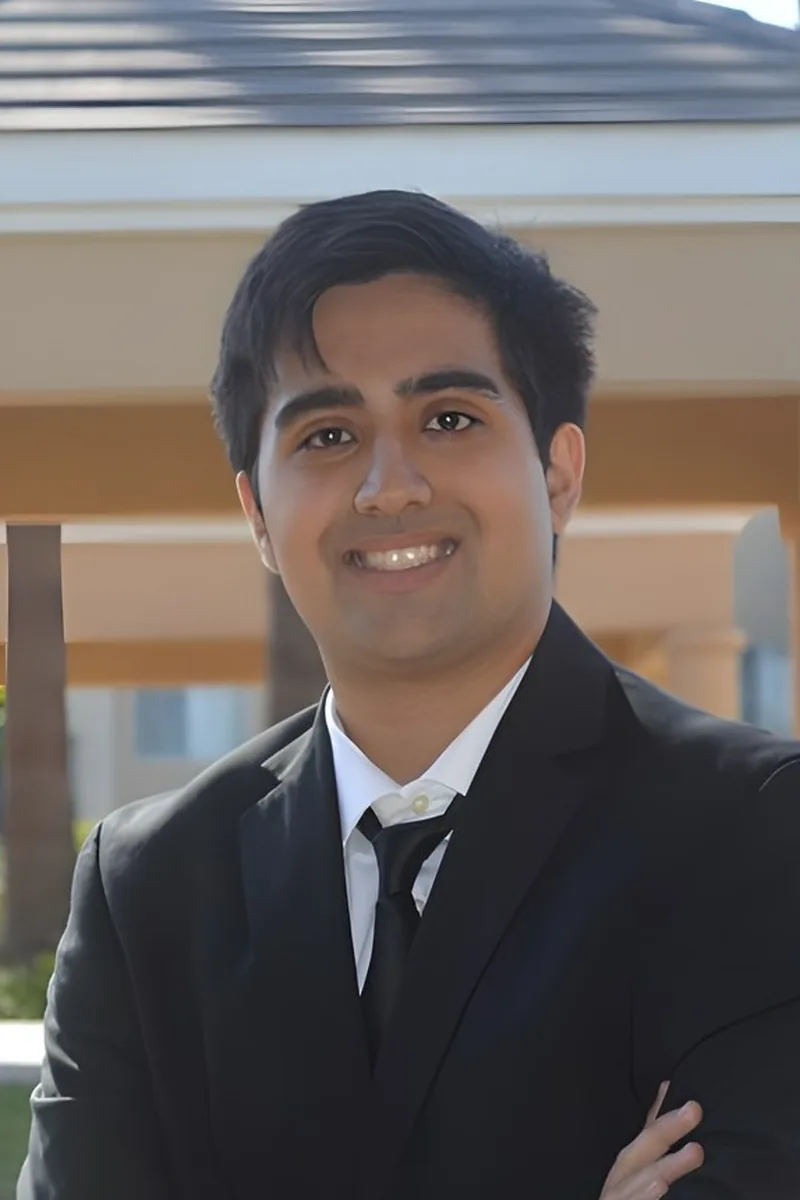
Having completed an Asian Languages minor at UCLA, Abrahim brings formal training in Japanese grammar, kanji acquisition, and reading comprehension to his tutoring. He approaches the language methodically — building from particle usage and verb conjugation patterns up to reading authentic texts — which works especially well for students who want structure rather than immersion-only learning.
Holding a degree in Japanese Studies, Andrew brings deep familiarity with not just hiragana, katakana, and kanji but also the cultural context that shapes how the language actually works — keigo politeness levels, sentence-ending particles, and the logic behind counter words. He connects grammar patterns to real conversation so students internalize structures instead of just drilling flashcards.
I'm a candidate for a B.S. in Business Administration at Northeastern University. In addition to tutoring, I enjoy playing the tuba and learning about transportation engineering/planning. I'm also fully Japanese and can read, write, and speak the language. As someone who scored 1530 on the SAT and 800 on the Math II subject test, I'd love to assist you in preparing for college!
I am studying Chemical Biology in UC Berkeley. One of my passions is Organic Chemistry, which I used to loath but now enjoys after taking a year of it. Also, because I like helping others, I enjoys tutoring/teaching students who are struggling. During high school, I have tutored other high students after school on various subjects such as Math, Physics, Chemistry, and Latin. During college, I have held informal review sessions for General Chemistry and Organic Chemistry for my underclassmen. I tutored my roommate and one of my underclassmen in Organic Chemistry. Finally, with a Graduate Student TA, I co-taught a Organic Chemistry Lab class section , where I answer questions regarding lab material and demonstrate lab techniques. Currently, I am interested in tutoring Organic Chemistry, General Chemistry, Biochemistry, Physics, and Calculus
Growing up attending the Japanese Weekend School of New Jersey while enrolled in American public schools, Hidefusa developed native-level fluency in both languages and a deep understanding of where English speakers stumble with Japanese. He teaches everything from hiragana and katakana basics to kanji recognition, particle usage, and keigo (formal speech) — drawing on the bilingual instincts of someone who has lived in both linguistic worlds.
I am currently finishing my thesis. For the past two years I was an adjunct instructor at The City College of New York, teaching statistics and introductory neuroscience, where I learned the importance of communicating complicated concepts clearly at an individualized level. All of my classes performed above average, and I discovered how satisfying it is to help people understand difficult ideas. I've found that by creating a good rapport with my students I am able to more effectively impart difficult concepts to them while causing them less stress. My passion is people, which first led me to study psychology, leading to my work in statistics, and later into teaching.
An Asian Studies degree gave Andrew sustained exposure to Japanese language and culture throughout his undergraduate work, and he pairs that academic grounding with fluency in Mandarin Chinese to bring a comparative lens to East Asian language learning. He's particularly good at creating a low-pressure environment for speaking and reading practice — the kind of space where students actually start producing sentences instead of freezing up over perfect particle placement.
Learning Japanese means juggling three writing systems, unfamiliar sentence structures, and layers of politeness that don't exist in English. Aki breaks down hiragana, katakana, and basic kanji recognition alongside grammar patterns like particle usage and verb conjugation, building reading and conversational skills in parallel.
Darin brings an analytical learner's perspective to Japanese, tackling the language's grammar patterns and writing systems with the same systematic approach he applied to his scientific training. For students working through hiragana, katakana, kanji recognition, or verb conjugation, he offers structured methods that make consistent progress feel achievable.
Jacob's degree in East Asian Languages and Civilizations from the University of Chicago means his Japanese instruction is rooted in deep study of the culture, history, and linguistic traditions behind the language. He connects vocabulary and grammar to their cultural logic — explaining why certain verb endings carry social weight or how kanji compounds reflect Chinese origins — giving students a richer understanding than drills alone provide. Rated 5.0 by students.
Earning a full bachelor's degree in Japanese — not just a minor or a few semesters — means Jina can teach well beyond survival phrases into kanji readings, grammar particles like は vs. が, and the nuances of keigo (formal speech). She brings the same analytical rigor from her science training to breaking down sentence structure and verb conjugation patterns.
I am a great tutor because not only are my fundamental verbal and quantitative skills strong, but I am able to communicate my reasoning and problem solving skills quickly and clearly.
Hi! It's Wataru. I am originally from Japan and have been living in New York since 2000. I had a career as an industrial newspaper pressman/editor in Tokyo so that I know newspaper level strict grammar and manner of business speech. I watch anime and I can talk about Japanese subculture with you if you like. I have been teaching Japanese language in person and online. I have taught from beginners to JLPT N3 certificate prep students. I've taught American, Canadian, English, Indian, German, Australian, Mexican, and so on. Teaching is one of my way to feel the joy of supporting people. I'll help you master the language and dive into Japanese culture and subculture. Once you start to think in Japanese, you will notice that your way of communication changes. English is good for business, law, and science while Japanese is more about sharing feelings. The waiters in Japan may be reluctant to serve your table, but my students prepare well to make them feel at ease and they have fantastic travel in Japan.
Though her degrees are in biology and science education, Sarah lists Japanese among her interests and brings a teacher's instinct for breaking complex systems into learnable parts — useful when students are wrestling with hiragana stroke order or the logic behind particle placement. Her 5.0 rating and four years of classroom teaching mean she knows how to pace a lesson and adjust when something isn't landing.
Testimonials
Because the right Japanese tutor makes all the difference.
Average Session Rating – Based on 3.4M Learner Ratings
Nearby Japanese Tutors
Other Madison Tutors
Related Languages Tutors in Madison
Frequently Asked Questions
Fluency depends on your starting level and study intensity. The Foreign Service Institute estimates roughly 2,200 hours of study to reach professional proficiency in Japanese—one of the more challenging languages for English speakers due to three writing systems (hiragana, katakana, and kanji) and complex grammar. With personalized 1-on-1 instruction, you can accelerate progress by focusing on your specific goals, whether that's conversational ability, business proficiency, or exam preparation. Most students see meaningful progress in speaking and listening within 3-6 months of consistent practice.
In a classroom setting, students often get limited speaking time—especially in larger Madison schools where teacher-to-student ratios average 11.7:1. Personalized tutoring gives you dedicated conversation practice every session, allowing tutors to correct pronunciation, model natural speech patterns, and respond to your specific questions in real time. This direct interaction is essential for building confidence and developing authentic communication skills that classroom instruction alone cannot provide.
Kanji mastery is one of the biggest challenges for Japanese learners, requiring both recognition and writing ability. Expert tutors use research-backed strategies like spaced repetition, contextual learning (learning kanji within sentences rather than in isolation), and mnemonic devices to make retention stick. Your tutor can customize a vocabulary plan based on your learning pace and goals—whether you're preparing for the JLPT (Japanese Language Proficiency Test) or building everyday conversational vocabulary.
Rather than drilling grammar rules in isolation, experienced tutors teach grammar through conversation and real-world context, helping you understand not just the 'why' behind structures like verb conjugation and particles, but how native speakers actually use them. This approach builds intuition faster than memorization alone. Your tutor can also address common pain points like the difference between similar particles or verb tenses by showing you how they function in authentic Japanese dialogue.
Your first session is an assessment and goal-setting conversation. Varsity Tutors connects you with a tutor who will evaluate your current level across all four skills—reading, writing, speaking, and listening—and learn about your specific objectives, whether that's passing the JLPT, preparing for a trip to Japan, or improving classroom performance. From there, your tutor creates a personalized plan tailored to your learning style and timeline.
Absolutely. Language and culture are deeply intertwined in Japanese—understanding honorifics (keigo), cultural references, and social context helps you communicate authentically and avoid misunderstandings. Expert tutors weave cultural insights into lessons, explaining not just what to say but when and why to say it. This immersion-style approach makes learning more meaningful and helps you develop genuine fluency rather than just textbook knowledge.
Pronunciation challenges in Japanese include pitch accent (which changes word meaning), vowel length distinctions, and sounds that don't exist in English. In personalized sessions, your tutor can model correct pronunciation, listen to your speech in real time, and give immediate feedback—something that's difficult to get in a classroom. Consistent practice with an expert tutor helps you develop native-like pronunciation and builds confidence in your spoken Japanese.
Yes. Tutors experienced with Japanese proficiency exams understand the specific skills and test formats required for the JLPT (levels N5 through N1) and can create a targeted study plan. They'll focus on your weak areas—whether that's kanji recognition, listening comprehension, or grammar accuracy—and use practice materials and strategies that align with the exam structure. Personalized instruction allows you to progress at your own pace rather than following a one-size-fits-all curriculum.
Let’s find your perfect tutor
Answer a few quick questions. We’ll recommend the right plan and match you with a top 5% tutor.