Award-Winning AP Chinese Language and Culture Tutors
serving Madison, WI
AP Chinese Language and Culture
Tutors in Madison
Private 1-on-1 tutoring, weekly live classes for academic support, test prep & enrichment, practice tests and diagnostics, and more to elevate grades and test scores.
Based on 3.4M Learner Ratings
UniversitiesSchools & Universities
DeliveredHours Delivered
ProficiencyGrowth in Proficiency
Who needs tutoring?
No obligation. Takes ~1 minute.

Having grown up in China and studied at both UW-Madison and Bonn University in Germany, Mingxi brings native Mandarin fluency and a multilingual learner's awareness of how language structures differ — an edge that's especially useful for the AP Chinese exam's interpersonal response tasks, where students must produce natural, register-appropriate Mandarin on the spot. She also teaches across three levels of Mandarin Chinese, so she can quickly diagnose whether a student's weak spots are tonal, grammatical, or rooted in limited exposure to formal written conventions. Rated 4.7 by students.
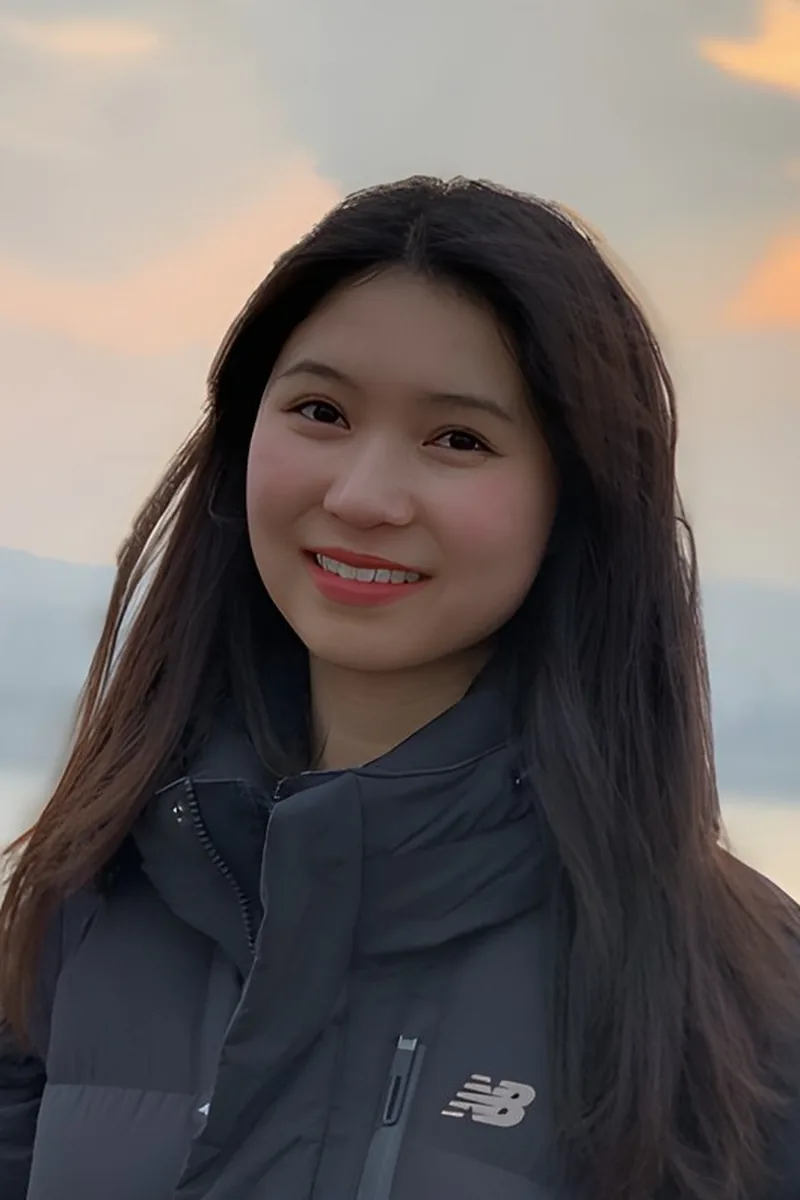
Most AP Chinese prep zeroes in on language mechanics, but the exam's interpersonal speaking prompts reward the kind of natural, idiomatic Mandarin that only comes from native fluency — and Tracy grew up speaking it at home. She also teaches across multiple Mandarin levels and competed in math competitions using bilingual problem-solving skills, so she understands how to bridge the gap between conversational comfort and the formal register the exam demands. Rated 4.9 by students.
Few AP Chinese tutors can match Chang's combination: he's a native-level Mandarin speaker who has taught the language professionally to Pentagon and State Department employees, university professors, and traditional students alike. He drills the presentational and interpersonal communication tasks the exam requires — story narration, cultural comparison essays, and conversation responses — with attention to the tonal precision and idiomatic phrasing that separate a 4 from a 5. His deep knowledge of Chinese culture also strengthens students' performance on the cultural awareness components.
The AP Chinese Language and Culture exam tests more than vocabulary — it requires students to compare cultural practices, narrate stories in real time, and write structured responses under pressure. Yiyu, educated in Beijing before earning her M.S. in Education, unpacks the cultural knowledge embedded in each task type and drills the specific speaking and writing patterns that earn top scores.
The cultural comparison essay on the AP Chinese Language and Culture exam trips up even strong speakers because it requires analytical writing, not just language proficiency. Julie's philosophy training at Princeton sharpens exactly that skill — breaking down a prompt, organizing a clear argument, and supporting it with specific cultural knowledge. She brings that structured thinking to every section of the exam.
Studying economics at Penn while teaching Mandarin Chinese across multiple levels, Mandy brings a practical, structured approach to AP Chinese prep — especially the cultural comparison essays, where her firsthand experience navigating both Chinese and American academic environments gives students concrete material to draw from. She's rated 5.0 by students and zeroes in on the interpretive reading and listening sections, training students to decode formal written Mandarin that goes well beyond conversational fluency.
Paul is one of those rare tutors who operates at an advanced level in both Mandarin Chinese and a second foreign language, giving him unusual insight into how tonal languages, character-based writing systems, and cultural frameworks interact on the AP exam. He zeroes in on the interpersonal and presentational communication tasks, coaching students through the real-time speaking and writing prompts that carry the most weight.
The AP Chinese Language and Culture exam tests more than vocabulary — it demands cultural literacy, formal register switching, and the ability to compare Chinese and American perspectives in real time. Ya grew up in Taiwan and earned her master's in Foreign Language Education (Chinese) at NYU, so she teaches students to navigate the interpersonal and presentational speaking tasks with native-level cultural nuance. She also drills the specific reading and listening strategies that trip up heritage and non-heritage speakers alike.
Eileen scored well enough on the SAT Subject Test in Chinese with Listening to understand both the language mechanics and the test strategy behind AP Chinese. She tackles the interpersonal and presentational communication tasks by drilling real conversational patterns and teaching students how to structure spoken and written responses under timed conditions.
The AP Chinese Language and Culture exam uniquely blends language proficiency with cultural comparison, asking students to present on practices and perspectives across Chinese-speaking communities. Christina's Mandarin instruction spans beginner through advanced levels, giving her a clear sense of where students' gaps tend to hide — whether it's measure words, aspect markers, or the formal tone the exam's interpersonal writing section expects. She builds targeted practice around the exam's six themes so students aren't just fluent but exam-ready.
A native Mandarin speaker with undergraduate roots at Wuhan University — one of China's top ten — Albert brings an insider's grasp of the idiomatic phrasing, formal registers, and cultural references that the AP Chinese exam's interpersonal speaking and listening sections demand. His dual MBA training at UCLA and London Business School also means he can coach the presentational writing tasks with the kind of structured argumentation that earns top rubric scores.
As a native Mandarin speaker who taught a beginning Chinese course at the Wheeler School in Providence, Jennifer knows exactly where English-speaking learners stumble — tonal accuracy, measure words, and the leap from textbook dialogue to real conversation. She covers all four AP exam skills (interpersonal and presentational speaking, listening, and reading) with particular attention to the cultural comparison essay, where strong structure can make or break a score.
A molecular biology degree from UC Berkeley might seem unrelated to AP Chinese, but Caroline's background teaching Mandarin across four levels — plus her fluency in the language — means she knows how to bridge the gap between conversational Mandarin and the formal, academic register the exam's interpretive reading and listening sections demand. She's particularly effective at coaching students through the exam's interpersonal tasks, where her experience mentoring K-12 students in Oakland translates into patient, structured practice that builds confidence under timed conditions. Rated 5.0 by students.
Having studied French through level 4 and Mandarin Chinese across multiple levels, Noah approaches AP Chinese prep as someone who understands the mechanics of learning tonal languages from the inside — particularly the listening comprehension sections where untrained ears miss contextual shifts in rapid spoken Mandarin. His actuarial science training also lends an unusually methodical structure to exam prep, breaking the cultural comparison essays into scoreable components so students know exactly what earns points.
Testimonials
Because the right AP Chinese Language and Culture tutor makes all the difference.
Average Session Rating – Based on 3.4M Learner Ratings
Nearby AP Chinese Language and Culture Tutors
Other Madison Tutors
Related Languages Tutors in Madison
Frequently Asked Questions
The AP Chinese Language and Culture exam tests proficiency across five key areas: interpretive listening, interpretive reading, interpersonal speaking, presentational speaking, and presentational writing. The exam lasts about 3 hours and includes multiple-choice sections, free-response questions, and conversation simulations. Students need to demonstrate cultural understanding alongside language skills, so preparation involves both grammar/vocabulary and knowledge of Chinese-speaking cultures.
Score gains depend on your starting level and study timeline, but focused preparation typically helps students improve by 1-3 points on the 5-point AP scale. Students who work consistently with a tutor on weak areas—whether that's listening comprehension, speaking fluency, or essay structure—often see the most significant improvements. The key is identifying your specific challenges early and targeting them with deliberate practice over several months.
Many students struggle most with the listening section, where native-speed audio and unfamiliar accents can make comprehension difficult. The presentational writing task also challenges students who haven't practiced organizing complex thoughts in Chinese. Additionally, the cultural component requires familiarity with current events and traditions in Chinese-speaking regions—something that goes beyond textbook vocabulary. Time management during the speaking sections is another common pain point, as students must respond quickly without preparation time.
Most students benefit from starting tutoring 3-6 months before the exam, meeting 1-2 times per week for focused practice. However, if you're starting from a weaker foundation or aiming for a 4 or 5, beginning earlier (6-9 months out) allows time to build listening skills and speaking confidence gradually. Consistent practice between sessions—using practice tests, listening materials, and writing exercises—is just as important as tutoring time itself.
Tutors can conduct conversation simulations that mirror the actual exam format, giving you real-time feedback on pronunciation, grammar, and fluency in low-pressure settings. For listening, they can work with you on strategies like identifying key vocabulary before you hear the audio and practicing with authentic materials at native speed. Regular speaking practice with a tutor builds confidence and helps you internalize natural phrasing, which is critical since you can't pause or repeat during the exam.
Varsity Tutors connects students in Madison with tutors who have expertise in AP Chinese Language and Culture and understand the specific demands of the exam. When you get matched with a tutor, they can assess your current level, identify weak areas, and create a personalized study plan targeting the sections where you need the most help. Many tutors have experience helping students move from conversational ability to exam-ready proficiency.
The AP Chinese exam explicitly tests cultural understanding as part of the language assessment—roughly 25% of the exam involves cultural references, current events, and traditions in Chinese-speaking regions. Questions may reference holidays, historical figures, contemporary issues, or social customs, so you need exposure beyond grammar and vocabulary. A tutor can help you build cultural literacy alongside language skills, ensuring you understand context clues and references that appear in reading and listening passages.
Practice tests are essential because they help you understand the exam format, build pacing skills, and identify specific weak areas before test day. Taking full-length practice tests under timed conditions also builds test-taking stamina and reduces anxiety. A tutor can review your practice test results with you, pinpoint patterns in your mistakes, and adjust your study plan accordingly—whether you need more work on listening comprehension, writing organization, or speaking fluency.
Let’s find your perfect tutor
Answer a few quick questions. We’ll recommend the right plan and match you with a top 5% tutor.