Award-Winning History
Tutors
History
Tutors
Private 1-on-1 tutoring, weekly live classes for academic support, test prep & enrichment, practice tests and diagnostics, and more to elevate grades and test scores.
Based on 3.4M Learner Ratings
UniversitiesSchools & Universities
DeliveredHours Delivered
ProficiencyGrowth in Proficiency
Who needs tutoring?
No obligation. Takes ~1 minute.
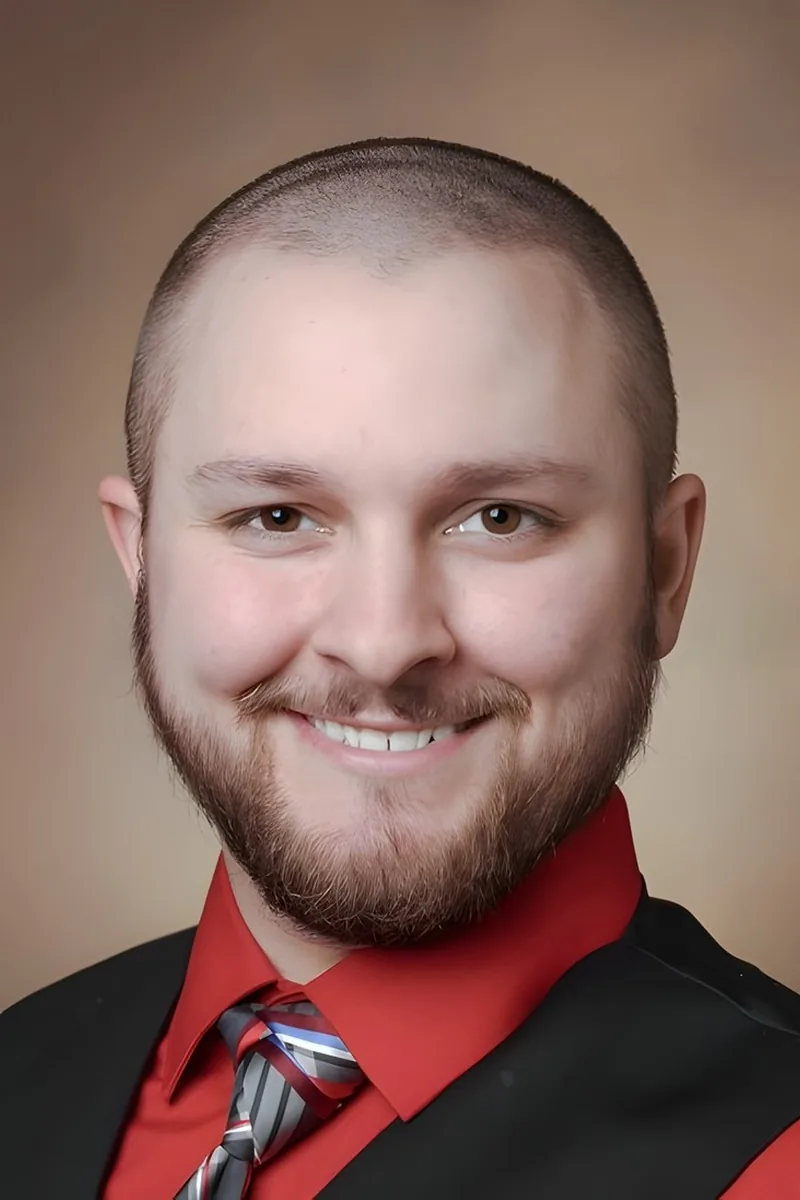
A PhD in Biomedical Engineering might seem unrelated to history, but Andrew's dissertation work required him to trace how scientific ideas evolved across decades — understanding the political, economic, and cultural contexts that shaped research priorities. He applies that same contextual thinking to history tutoring, teaching students to build thesis-driven arguments grounded in specific evidence. Rated 4.9 by students.

Neurobiology training at Northwestern taught Nina to read research through layers of context — why a study was funded, which assumptions shaped its design, which cultural forces made certain questions worth asking. That same instinct for interrogating the *why behind the what* translates directly to history, where she teaches students to dig into the motivations and conditions behind events rather than summarizing outcomes. Rated 5.0 by students.
Studying philosophy at Chicago meant immersing in intellectual history — tracing how Enlightenment ideas shaped revolutions, or how economic theories drove policy shifts across centuries. Justin teaches students to read historical sources as arguments with premises and conclusions, which transforms how they write document-based essays and analyze cause-and-effect relationships.
A sociology degree from Wesleyan and a PhD in Education mean Reid reads history the way a sociologist does — tracing how institutions, class structures, and cultural norms shaped the events that textbooks often present as inevitable. That lens is particularly effective for teaching students to write essays that explain social movements, policy shifts, and political upheavals through systemic causes rather than just individual actors. His 32 ACT reflects the kind of analytical reading and argumentation that history coursework consistently rewards.
Elena's Religious Studies degree from McGill and Biblical Studies master's from Edinburgh mean she spent years doing exactly what history demands — interpreting ancient texts, reconstructing cultural contexts, and arguing about what sources actually reveal versus what later generations assumed. She brings that training to topics like world civilizations, religious conflicts, and cross-cultural exchange, where understanding belief systems and institutions is half the battle. Named Scotland's International Young Thinker of the Year in 2014, she has a knack for making even dense historical material feel lively and accessible.
Keith studied political science and history at Williams College, where he learned to treat history as an ongoing argument rather than a fixed set of dates. He teaches students to analyze causation, trace how events connect across periods, and build the kind of evidence-based reasoning that turns a B essay into an A.
Most people don't associate an MIT math degree with history, but Isabella's minor in Ancient and Medieval Studies involved rigorous work with primary sources, historiographical debates, and constructing arguments from fragmentary evidence. She teaches students to read historical texts critically and write essays that do more than summarize — they analyze cause, context, and consequence.
A master's in social sciences and a bachelor's in French means Lauren spent years doing exactly what history courses demand — reading primary sources in their cultural context and building arguments about how societies change over time. She's particularly sharp on topics where French and European history overlap with broader social forces, like revolution, colonialism, and cultural exchange. Rated 5.0 by students.
Pre-health coursework at Penn means Shayan spends most of his time in the sciences, but that training sharpened a skill history courses quietly demand: reading a dense, unfamiliar text and extracting the argument buried inside it. He applies that to teaching students how to tackle document-based questions — breaking down a source's purpose, audience, and context before jumping to conclusions. Rated 5.0 by students.
Renee approaches history the way she approaches literature: as a discipline built on interpreting sources, weighing competing narratives, and constructing evidence-based arguments. Her doctoral training sharpened those analytical skills, and she applies them to everything from essay-based exams to document analysis assignments where students need to do more than summarize dates and events.
A sociology degree is essentially a history degree with a different question — not just *what* happened, but *why* social structures made it likely. Solange uses that training to teach students how to read primary sources critically, connect events to broader patterns of migration, inequality, or governance, and build arguments that go beyond surface-level timelines. She's especially strong on American social history and modern global movements.
Studying abroad in South Korea as a Gilman Scholar and pursuing Asian Languages and Cultures alongside biomedical engineering gave Ingrid firsthand exposure to how cultural, political, and technological forces interact across time — exactly the kind of cross-disciplinary thinking that history coursework rewards. She's especially strong at teaching students to analyze how societies responded to scientific and industrial change, connecting the material to broader patterns rather than treating each era in isolation.
Christopher's engineering training at Harvard might seem unrelated to history, but mechanical engineering is built on understanding how systems evolve — and that same thinking applies to tracing how wars, revolutions, and policy decisions ripple through societies. He pairs that analytical instinct with a genuine love of reading classics, which makes him especially effective at teaching students to pull meaning from dense historical texts and turn their analysis into structured, thesis-driven essays.
Succeeding in history requires more than memorizing dates — it demands reading dense primary sources, constructing document-based arguments, and connecting causes to consequences across time periods. Sherry's UChicago education emphasized exactly this kind of analytical writing and close reading, and her experience teaching language arts at every level means she can coach students through the writing-heavy demands of history coursework.
An engineer who reads history for fun brings a different toolkit to the subject — Aaron instinctively looks for systems and mechanisms behind events, asking how technological change, resource constraints, and infrastructure shaped outcomes from the Industrial Revolution to the Space Race. That mechanical-engineer's habit of tracing how parts interact makes him especially effective at teaching students to write causal arguments rather than chronological summaries. Rated 5.0 by students.
Mimi's art history training at Dartmouth taught her to read history through objects — a propaganda poster, a cathedral floor plan, a photograph's framing — which makes her approach to the subject unusually vivid. She teaches students to analyze primary sources the way a museum educator would: examining context, audience, and purpose before drawing conclusions. This builds the kind of evidence-based reasoning that shows up in strong DBQ essays and class discussions alike.
Medical school at Baylor means Michelle spends her days parsing case studies — weighing evidence, identifying what led to what, and building an argument for a diagnosis. That same diagnostic thinking applies directly to history essays and DBQs, where she teaches students to trace causal chains through primary sources rather than summarize events in order. Her biochemistry background at Rice also built the kind of close-reading stamina that dense historical texts demand.
Engineering coursework at Yale means Charles spends most of his time solving real-world application problems — figuring out why systems behave the way they do under specific conditions. That same cause-and-effect reasoning carries into history, where he teaches students to treat events like engineering failures: trace the forces, identify the breaking points, and explain the outcome with evidence rather than summary. His writing and literature background rounds out the analytical side with the essay-crafting skills history courses actually grade on.
Running a charter middle school's tutoring program in Boston — and earning a master's in special education along the way — gave Liz years of practice adapting how she teaches the same historical material to students who process information very differently. Her History degree from Washington University in St. Louis means the content knowledge runs deep, especially around primary source analysis and constructing document-based arguments. That combination of subject expertise and individualized instructional strategy is particularly useful for students who've struggled with history's heavy reading and writing demands.
A PhD program at the University of Chicago immersed Justin in an intellectual culture where historical context matters — understanding how ideas developed over time and why certain arguments won out over others. He applies that same rigor to history tutoring, teaching students to evaluate sources critically and construct essays that do more than recite facts.
Henry earned his history degree from Harvard, where his senior thesis explored John Dewey's philosophy of education and its social impact. He approaches history as an exercise in argument and evidence — teaching students to analyze primary sources, evaluate competing interpretations, and write the kind of document-based essays that AP and college courses demand.
A sociology degree means Daniel sees history through the lens of social structures, movements, and power dynamics rather than just names and dates. He teaches students to analyze primary sources and build cause-and-effect arguments, skills that transfer directly to document-based questions and research essays. His 5.0 rating speaks to how well that analytical approach lands.
Treating history as a discipline of argument rather than memorization changes everything for students who feel buried under names and dates. Asta's political science work at the University of Chicago trained her to analyze primary sources, trace cause and effect across decades, and construct evidence-based narratives — exactly the skills that make history click.
While history isn't his core subject, James's Harvard education required rigorous engagement with primary sources and argumentative writing across disciplines. He approaches history the way he approaches science — by teaching students to evaluate evidence, identify cause-and-effect relationships, and build claims that hold up under scrutiny. That analytical framework translates especially well to document-based questions and essay exams.
Years of reading and writing across genres — Sabira lists books, writing, and art among her core interests — gave her a habit of close reading that pays off when students need to analyze primary sources or craft thesis-driven historical arguments. Her applied math training at Johns Hopkins adds an unexpected edge: she's comfortable with data-heavy history topics like demographic shifts, economic causes of conflict, and interpreting statistical evidence in document-based questions. Rated 5.0 by students.
Epidemiology is essentially detective work through history — tracing how wars, famines, trade routes, and political decisions created the conditions for pandemics and public health crises. Emily's MPH work at Yale in epidemiology and global health means she teaches history through those causal chains, showing students how to connect social, economic, and political forces into the kind of argument that earns top marks on essays and DBQs. Rated 5.0 by students.
Shelley approaches history the way her psychology program approaches research: by interrogating sources for bias, context, and competing interpretations rather than treating any single account as settled fact. She's especially sharp at teaching students to write document-based essays that weave primary evidence into a clear analytical argument.
Sung's chemistry training built a habit of asking what's actually driving a reaction — a skill that transfers surprisingly well to historical analysis, where the question is what's driving an event. He teaches students to identify the underlying political, economic, and social pressures behind key turning points rather than treating history as a sequence to memorize. Rated 5.0 by students.
Biomedical engineering and a PhD in statistics trained Sam to do something history students often struggle with: sift through massive amounts of information, identify what's actually driving an outcome, and present that reasoning clearly. He brings that data-driven mindset to document analysis and essay writing, teaching students to treat historical causes like variables — isolating which factors mattered most and building arguments around them. Rated 4.9 by students.
Too many students treat history as a list of dates and names to memorize, then struggle when an exam asks them to explain *why* something happened. Ben flips that around, teaching cause-and-effect reasoning and evidence-based argumentation so students can tackle document-based questions and analytical essays with confidence. His Penn education and love of reading give him a broad base to draw from across eras and regions.
Brittney approaches history the way a literature scholar would: by teaching students to read primary sources critically, identify rhetorical strategies in historical documents, and construct arguments grounded in evidence. Her Comparative Literature background at Princeton required deep engagement with historical and cultural contexts across multiple traditions. That cross-disciplinary lens makes her especially effective for document-based questions and historiographical essays.
Three finance degrees mean Matt instinctively reads history through the lens of money — who controlled it, how it moved, and what happened when it dried up. That financial literacy is particularly useful when students need to explain the economic pressures behind events like mercantilism, industrialization, or the 2008 crisis in essay form. His 1530 SAT underscores the analytical reading and writing skills that make historical arguments land.
Kathy's master's work in Modern and Contemporary Asian Art at Sotheby's Institute gives her an unusual lens on history — she connects political movements, trade routes, and cultural shifts to the visual and material evidence they left behind. That approach makes historical periods feel concrete and interconnected, especially for students who struggle to see why events unfolded the way they did.
Studying history well means learning to think like a historian: evaluating sources, understanding causation versus correlation, and constructing arguments from evidence. Yu's political science degree from Penn gave her deep experience with exactly this kind of analytical reasoning. She teaches students to move beyond memorizing dates and instead build the interpretive skills that make history exams and essays far more manageable.
Philosophy and law school both train you to read history as argument — who held power, why institutions changed, and what evidence supports competing narratives. Emily brings that lens to everything from analyzing primary-source documents to constructing thesis-driven essays for AP or college-level history courses. Her Northwestern philosophy background means she treats historical events as case studies in reasoning, not just dates to memorize.
A psychology degree from Duke reshapes how you approach history — Frances reads political movements, revolutions, and policy debates through the question of what people feared, wanted, and believed at the time, which is exactly the kind of analysis that earns high marks on essays and DBQs. Her magna cum laude honors and professional writing background mean she's equally sharp on the craft side, coaching students to build tight, thesis-driven arguments from primary source evidence.
Reading history well means evaluating competing narratives, not just memorizing dates — a skill Elena sharpened through her government major and continues to use daily in law school. She teaches students to treat primary sources like evidence in a case, weighing context, bias, and intent to build arguments that go beyond surface-level summary.
Psychology and history overlap more than most students realize — understanding human motivation, group behavior, and decision-making under pressure is exactly what makes historical events make sense. Sydny's psychology degree and medical training give her a sharp read on why leaders, movements, and populations acted the way they did, which she uses to teach students how to build arguments grounded in context rather than just chronology.
Josef's undergraduate work at Cornell sat at the intersection of life sciences and social studies, so he's practiced at reading historical sources through an analytical, evidence-driven lens. He teaches students to build arguments from primary documents and trace cause-and-effect relationships across political, economic, and social contexts.
Serving on admissions committees at both Rice and Baylor College of Medicine trained Sugi to evaluate how people construct narratives from evidence — the same skill that separates strong history students from ones who just recite facts. Her cognitive science background adds a layer most history tutors lack: she teaches students to recognize how memory, perception, and bias shaped the way historical actors interpreted their own moments. Rated 5.0 by students.
Testimonials
Because the right History tutor makes all the difference.
Average Session Rating – Based on 3.4M Learner Ratings
Top 20 Social Studies Subjects


Top 20 Subjects
Frequently Asked Questions
Students often find it challenging to synthesize broad historical periods—like understanding the causes and consequences of major revolutions or wars—rather than just memorizing dates and events. Many also struggle with historiography: understanding that historical interpretations change based on new evidence and scholarly perspective. Additionally, students frequently find it difficult to analyze primary sources critically, distinguishing between a document's historical context, the author's bias, and its reliability as evidence. Tutors help students move beyond surface-level facts to develop the analytical frameworks historians actually use.
History essays require more than restating facts—they demand evidence-based arguments with clear thesis statements and supporting documentation. A tutor helps you learn to construct arguments by selecting relevant primary and secondary sources, evaluating their credibility, and using them to support your interpretation rather than just filling space. They'll also help you avoid common pitfalls like confusing correlation with causation (e.g., assuming one event caused another simply because it happened first) and teach you how to acknowledge counterarguments. This approach builds the critical thinking skills needed for AP History exams and college-level history courses.
Primary sources—letters, speeches, government documents, photographs—are the raw material historians use to construct arguments about the past. However, reading them effectively requires asking specific questions: Who created this? When and why? What was their perspective or bias? What does it reveal about the time period, and what doesn't it tell us? Tutors teach you a systematic approach to source analysis that goes beyond simple comprehension, helping you evaluate reliability, identify bias, and use sources as evidence in your own arguments. This skill is essential for history research papers and standardized exams like AP US History, AP European History, and AP World History.
Historical causation is rarely simple—most major events result from multiple, interconnected causes operating over time (economic conditions, political decisions, social movements, technological changes). Students often fall into the trap of identifying a single cause or assuming that because Event A happened before Event B, it caused it. A tutor helps you develop a more sophisticated approach: identifying primary and secondary causes, understanding how different factors interact, and recognizing that historians may disagree about causation based on which evidence they emphasize. This nuanced thinking is what distinguishes strong history work from surface-level analysis.
AP History exams (US, European, World, or African) test not just content knowledge but your ability to analyze sources, construct arguments, and make historical connections under time pressure. The document-based question (DBQ) and long essay questions require you to synthesize multiple perspectives and evidence into a coherent argument—skills that go well beyond memorization. Tutors help you practice these specific exam skills: quickly analyzing unfamiliar documents, identifying relevant historical examples, organizing complex arguments, and managing time across multiple question types. They can also help you identify gaps in your content knowledge and teach you efficient strategies for retaining the breadth of material these exams cover.
At the middle school level, tutors focus on building foundational chronology, understanding cause-and-effect relationships, and developing basic source analysis skills. In high school, the emphasis shifts to constructing evidence-based arguments, understanding historiography, and analyzing competing interpretations of events. For AP-level students, tutors help refine exam-specific skills like rapid document analysis, synthesizing multiple sources into coherent arguments, and making sophisticated historical connections. At all levels, effective tutoring moves students from passive memorization toward active historical thinking—asking why events happened, whose perspectives are represented or missing, and how we know what we know about the past.
Beyond finding sources, History research requires you to evaluate their credibility and relevance to your argument. You need to understand the difference between primary sources (firsthand accounts from the period) and secondary sources (modern historians' interpretations), and know when each is appropriate to use. Strong History writing also demands that you integrate sources smoothly into your own analysis—using quotations and paraphrasing strategically to support your points, not just to fill space. A tutor can teach you how to construct a thesis that's specific and arguable, organize evidence logically, and revise your work to strengthen your argument. These skills transfer across all your academic writing.
Every historical source reflects the perspective of its creator—their time period, social position, political beliefs, and what they had access to. Learning to identify and account for bias doesn't mean dismissing a source; it means understanding how perspective shapes what information is included, emphasized, or omitted. Similarly, modern historians' interpretations are influenced by the questions they ask and the evidence available to them, which is why historical understanding evolves over time. A tutor helps you develop a critical eye for these layers of perspective, teaching you to ask: Whose voice is heard here? Whose is missing? How does that shape what we can conclude? This analytical approach is central to thinking like a historian.
Let’s find your perfect tutor
Answer a few quick questions. We’ll recommend the right plan and match you with a top 5% tutor.