Award-Winning History Tutors
serving Rochester, NY
History
Tutors in Rochester
Private 1-on-1 tutoring, weekly live classes for academic support, test prep & enrichment, practice tests and diagnostics, and more to elevate grades and test scores.
Based on 3.4M Learner Ratings
UniversitiesSchools & Universities
DeliveredHours Delivered
ProficiencyGrowth in Proficiency
Who needs tutoring?
No obligation. Takes ~1 minute.
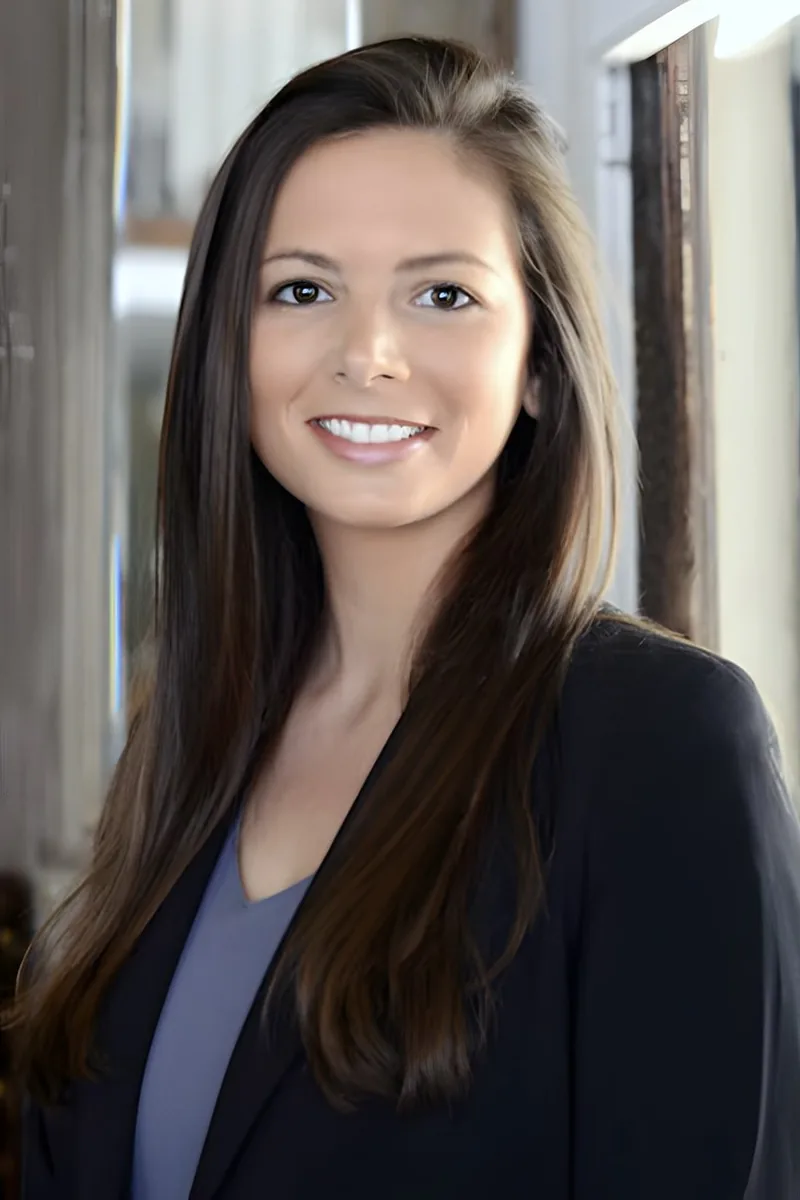
Mica's dual Stanford degrees in Science, Technology, and Society and Anthropology trained her to analyze historical events through multiple lenses — political, technological, and cultural. She teaches students to build arguments from primary sources and trace cause-and-effect across eras, whether they're writing a DBQ on industrialization or unpacking Cold War policy decisions.
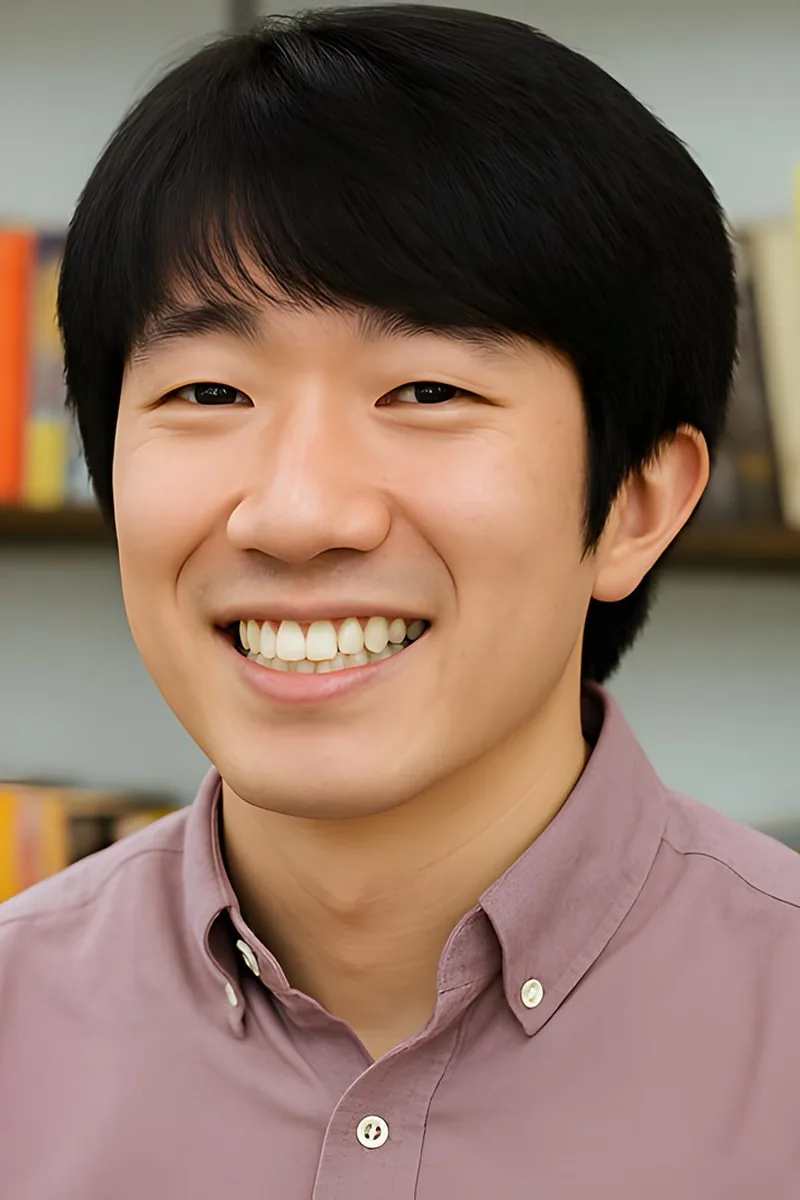
Anthropology and history share a core skill: interpreting human behavior through evidence. Andrew's anthropology background means he teaches history not as a list of dates but as a series of cause-and-effect chains — why the Industrial Revolution reshaped class structures, or how colonial economies created lasting political patterns — and coaches students to build document-based arguments around those connections.
Engineering coursework at UC Irvine trained Wesley to dissect complex systems by mapping how individual components interact — a habit that translates directly to tracing how political, economic, and technological forces converge to produce historical turning points. His biophysical chemistry research at Rochester adds another layer, since understanding the history of scientific discovery requires situating breakthroughs within their social and institutional contexts. He's especially effective at coaching students through thesis construction and evidence-based writing on DBQs.
Pre-dental students read a surprising amount of history — Ben's coursework at the University of Rochester means he's regularly synthesizing research across disciplines, a skill that translates directly to pulling arguments out of primary sources and document-based questions. His writing chops (1510 SAT, plus he tutors college essays and essay editing) show up in how he teaches students to build thesis-driven responses rather than just retelling what happened.
Sophia earned her Bachelor's in History from Vanderbilt and is currently pursuing her Master's, so historical thinking isn't a sideline — it's her primary discipline. She teaches students to evaluate primary sources, construct evidence-driven arguments, and recognize how historiography shapes the narratives they read in textbooks. Whether the topic is the French Revolution or the Cold War, she emphasizes causation and context over rote memorization of dates.
Too many students think history is a subject you memorize rather than one you argue. Isabel approaches it the other way around — teaching students to read sources critically, identify bias, and build evidence-based narratives about cause and consequence. Studying international developmental relations at McGill keeps her immersed in how historical forces shape the present, which makes her explanations feel relevant rather than dusty.
Mimi's art history training at Dartmouth taught her to read history through objects — a propaganda poster, a cathedral floor plan, a photograph's framing — which makes her approach to the subject unusually vivid. She teaches students to analyze primary sources the way a museum educator would: examining context, audience, and purpose before drawing conclusions. This builds the kind of evidence-based reasoning that shows up in strong DBQ essays and class discussions alike.
Neurobiology training at Northwestern taught Nina to read research through layers of context — why a study was funded, which assumptions shaped its design, which cultural forces made certain questions worth asking. That same instinct for interrogating the *why behind the what* translates directly to history, where she teaches students to dig into the motivations and conditions behind events rather than summarizing outcomes. Rated 5.0 by students.
A sociology degree from Wesleyan and a PhD in Education mean Reid reads history the way a sociologist does — tracing how institutions, class structures, and cultural norms shaped the events that textbooks often present as inevitable. That lens is particularly effective for teaching students to write essays that explain social movements, policy shifts, and political upheavals through systemic causes rather than just individual actors. His 32 ACT reflects the kind of analytical reading and argumentation that history coursework consistently rewards.
Running a charter middle school's tutoring program in Boston — and earning a master's in special education along the way — gave Liz years of practice adapting how she teaches the same historical material to students who process information very differently. Her History degree from Washington University in St. Louis means the content knowledge runs deep, especially around primary source analysis and constructing document-based arguments. That combination of subject expertise and individualized instructional strategy is particularly useful for students who've struggled with history's heavy reading and writing demands.
A sociology degree is essentially a history degree with a different question — not just *what* happened, but *why* social structures made it likely. Solange uses that training to teach students how to read primary sources critically, connect events to broader patterns of migration, inequality, or governance, and build arguments that go beyond surface-level timelines. She's especially strong on American social history and modern global movements.
A PhD program at the University of Chicago immersed Justin in an intellectual culture where historical context matters — understanding how ideas developed over time and why certain arguments won out over others. He applies that same rigor to history tutoring, teaching students to evaluate sources critically and construct essays that do more than recite facts.
While history isn't his core subject, James's Harvard education required rigorous engagement with primary sources and argumentative writing across disciplines. He approaches history the way he approaches science — by teaching students to evaluate evidence, identify cause-and-effect relationships, and build claims that hold up under scrutiny. That analytical framework translates especially well to document-based questions and essay exams.
A sociology degree means Daniel sees history through the lens of social structures, movements, and power dynamics rather than just names and dates. He teaches students to analyze primary sources and build cause-and-effect arguments, skills that transfer directly to document-based questions and research essays. His 5.0 rating speaks to how well that analytical approach lands.
Years of reading and writing across genres — Sabira lists books, writing, and art among her core interests — gave her a habit of close reading that pays off when students need to analyze primary sources or craft thesis-driven historical arguments. Her applied math training at Johns Hopkins adds an unexpected edge: she's comfortable with data-heavy history topics like demographic shifts, economic causes of conflict, and interpreting statistical evidence in document-based questions. Rated 5.0 by students.
Succeeding in history requires more than memorizing dates — it demands reading dense primary sources, constructing document-based arguments, and connecting causes to consequences across time periods. Sherry's UChicago education emphasized exactly this kind of analytical writing and close reading, and her experience teaching language arts at every level means she can coach students through the writing-heavy demands of history coursework.
Sung's chemistry training built a habit of asking what's actually driving a reaction — a skill that transfers surprisingly well to historical analysis, where the question is what's driving an event. He teaches students to identify the underlying political, economic, and social pressures behind key turning points rather than treating history as a sequence to memorize. Rated 5.0 by students.
Comparative literature training sharpens a specific skill that transfers directly to history: reading primary sources critically and situating them within larger cultural movements. Sash applies this lens to help students build arguments from documents rather than simply memorizing dates, making essay-based assessments and DBQs far more manageable.
While history isn't Jai's core academic background, his consulting career trained him to build evidence-based arguments quickly — a skill that translates directly to writing strong DBQs and analytical essays. He teaches students to treat historical sources like data: identify what they prove, what they leave out, and how to weave them into a coherent thesis.
Philosophy majors at Princeton spend their time doing exactly what history essays require: dismantling arguments, weighing competing interpretations of a text, and defending a thesis against objections. Julie brings that training to historical analysis, particularly when students need to evaluate conflicting primary sources or construct a nuanced argument about causation rather than just summarizing events. Rated 4.9 by students.
Engineering majors at Princeton don't just solve equations — they study how technological breakthroughs, resource constraints, and industrial revolutions reshaped entire civilizations, which gives Matthew a practical lens for understanding historical cause and effect. He's strongest at teaching students to build structured arguments for essays and exams, approaching a history prompt the way an engineer approaches a design problem: define the question, gather evidence, and construct a logical case.
Religious studies at Yale means Maya spent years doing exactly what strong history students need to do: reading primary texts from unfamiliar contexts, reconstructing how people in different eras actually understood their world, and building arguments about why belief systems drove political and social change. That training makes her especially sharp on topics where religion and history intertwine — the Reformation, colonial missionary movements, civil rights activism rooted in the Black church. Rated 5.0 by students.
An ELA teacher in training at NYU's Accelerated MAT program, Jennifer brings the close-reading and argument-building skills of an English specialist directly into historical analysis — picking apart speeches, letters, and political documents for rhetorical strategy and authorial intent. Her English degree and language arts focus mean she's especially sharp on the writing side of history, coaching students through thesis construction and evidence integration in DBQs and essay prompts.
A good history student doesn't just memorize dates — they read like a detective, asking who wrote a source, why, and what it leaves out. Meghan spent her Northwestern journalism career doing exactly that kind of critical analysis, and she now applies it to teaching students how to evaluate primary sources, trace cause-and-effect chains, and write evidence-based historical arguments.
Josef's undergraduate work at Cornell sat at the intersection of life sciences and social studies, so he's practiced at reading historical sources through an analytical, evidence-driven lens. He teaches students to build arguments from primary documents and trace cause-and-effect relationships across political, economic, and social contexts.
A chemistry degree from Yale builds an underappreciated skill for history: reading complex material with an eye toward evidence and causation, then constructing a precise argument from it. Zosia brings that scientific rigor to document analysis and essay writing, teaching students to treat a DBQ prompt the way a chemist treats a lab report — claim first, then evidence, then reasoning that ties it all together. Rated 4.9 by students.
A government major at Harvard, Richard studies how political institutions, constitutional frameworks, and policy debates have shaped American and global history — making him especially sharp on topics where politics and history overlap. He teaches students to trace how decisions made in one era ripple forward into the next, turning a timeline of events into a coherent argument. His 36 ACT includes the kind of close reading and analytical reasoning that history coursework demands.
Too many students think history is about memorizing dates and names, then wonder why they can't answer questions that ask "why" or "so what." Vivian, who holds a history degree, teaches cause-and-effect reasoning and source analysis — the thinking skills that actually drive success in history courses. She's particularly strong at showing students how to turn a pile of facts into a clear, well-supported argument.
Garrett approaches history as an exercise in argument-building: identifying a claim, weighing competing sources, and constructing a narrative that accounts for complexity. His broad liberal arts education gave him practice synthesizing information across fields, which translates directly into skills like document-based essay writing and evaluating cause-and-effect relationships in historical events.
Studying economics at UChicago means constantly engaging with historical context — trade policy, institutional development, the political forces behind economic shifts. Brian treats history not as a list of dates but as a set of cause-and-effect chains that become easier to remember once you understand the underlying logic. His background in argumentative writing also translates directly to document-based and essay questions.
Philosophy training sharpens a particular skill that transfers directly to history: the ability to reconstruct why people believed what they believed and acted accordingly. Moon applies that lens to everything from Enlightenment political thought to Cold War foreign policy, teaching students to analyze causes and consequences rather than just memorize dates. Rated 5.0 by students.
At Northwestern, Evan's most formative academic experience was conducting independent research, writing it up, and then teaching the material to peers — a process that mirrors exactly what history coursework asks students to do with primary sources and argumentative essays. His film and English training sharpened his ability to read texts for subtext, framing, and narrative choices, skills he now brings to analyzing political speeches, wartime propaganda, and the storytelling embedded in historical documents.
Tony treats history less as a set of facts to memorize and more as a series of arguments to evaluate — who wrote this source, what did they want, and what does the evidence actually support? As a freshman counselor at Yale, he coached students across disciplines on constructing evidence-based academic arguments, a skill that sits at the center of any history course. He's especially comfortable with world history and the intersections of science, society, and policy.
An interdisciplinary degree in Ethics, Politics, and Economics from Yale trained Allen to read historical events through overlapping lenses — asking how moral arguments, power structures, and material conditions combined to produce outcomes like the New Deal or the Civil Rights Act. That cross-disciplinary instinct is exactly what AP and college-level history essays reward, since the strongest answers weave together political, economic, and ideological causation rather than treating them separately. Rated 5.0 by students.
Religious studies coursework trains you to sit with competing narratives — different cultures interpreting the same events through entirely different moral and political frameworks. Michelle brings that interpretive habit to history, teaching students to analyze primary sources by asking whose perspective is represented and what's being left out. Rated 4.9 by students.
Finance training is essentially applied history — understanding market crashes, banking regulations, and monetary policy means tracing the political and economic decisions that created them. Vansh brings that cause-and-consequence instinct from his finance coursework to teaching students how to build arguments around historical turning points, whether it's Reconstruction-era policy or the origins of globalization. Rated 4.8 by students.
Studying African and African American Studies at Duke meant building arguments from primary sources — slave narratives, legislative records, oral histories — and situating them within broader political and social contexts. Camille applies that same source-driven approach to history tutoring, teaching students to read documents critically and construct evidence-based claims rather than just memorize dates.
A philosophy background turns out to be surprisingly useful for history — both disciplines require evaluating sources, identifying assumptions, and constructing arguments from evidence. Noah approaches historical topics by teaching students to read primary documents critically and write essays that argue a position rather than just narrate events.
An economics major at Stanford, Julia naturally gravitates toward the quantitative side of history — interpreting census data, tracking inflation's role in political upheaval, or unpacking how tax policy sparked revolution. But her real edge is on the writing side: years of essay tutoring and a 1590 SAT mean she can coach students through crafting the kind of tight, thesis-driven arguments that AP and college history courses actually grade on. Rated 4.8 by students.
Strong historical thinking starts with asking better questions about a source: who wrote it, why, and what they left out. MaryAnn's training in both English and psychology sharpens that skill, since she teaches students to read documents for rhetorical strategy and human motivation. Whether the assignment involves essay-based exams or research papers, she connects analytical reading directly to persuasive historical writing.
Testimonials
Because the right History tutor makes all the difference.
Average Session Rating – Based on 3.4M Learner Ratings
Other Rochester Tutors
Related Social Studies Tutors in Rochester
Frequently Asked Questions
During your first session, a tutor will assess your current understanding of history concepts, identify specific areas where you're struggling (like essay writing, timeline comprehension, or historical analysis), and learn about your learning style. This helps create a personalized plan tailored to your needs, whether you're preparing for a test, improving grades, or deepening your understanding of a particular era or topic.
Many students struggle with connecting isolated facts into a coherent narrative, understanding cause-and-effect relationships between historical events, or analyzing primary sources critically. Others find it difficult to write strong history essays that go beyond summarizing facts to making meaningful arguments. Personalized tutoring addresses these specific challenges through targeted practice and direct feedback that classroom instruction often can't provide.
Tutors work with students across Rochester's 25 school districts and understand the progression from elementary social studies through high school AP History courses. They're familiar with New York State standards and can support you whether you're studying local Rochester history, U.S. history, world history, or AP-level courses like AP U.S. History or AP World History.
Yes—history essay writing is one of the most common areas tutors help with. A tutor can teach you how to develop a strong thesis, organize evidence effectively, analyze sources rather than just summarize them, and structure arguments that demonstrate historical thinking. With personalized feedback on your drafts, you'll see measurable improvement in both your writing and your grades.
Tutors use targeted strategies like spaced repetition to help you retain key dates, events, and concepts, and practice testing to strengthen your recall and analytical skills. They can help you understand what your specific test will emphasize—whether it's multiple choice, essays, or document-based questions—and practice those exact formats so you feel confident on test day.
In a classroom with a 12.8:1 student-teacher ratio, teachers must move at one pace for everyone. With personalized tutoring, a tutor can slow down on concepts you find confusing, skip material you've already mastered, and use teaching methods that match how you learn best. This flexibility means you spend time where you actually need it, rather than on material you already understand.
Varsity Tutors connects students with tutors across all grade levels—from elementary social studies and middle school world history to high school AP U.S. History, AP World History, and AP European History. Tutors also support college-level history courses and standardized test history sections like the SAT and ACT.
When you connect with Varsity Tutors, you'll be matched with a tutor who has expertise in your specific history course or topic and understands your learning goals. You can discuss your challenges—whether that's understanding primary sources, writing essays, or memorizing timelines—and your tutor will create a plan that addresses exactly what you need to succeed.
Let’s find your perfect tutor
Answer a few quick questions. We’ll recommend the right plan and match you with a top 5% tutor.