Award-Winning German Tutors
serving Manhattan, NY
German
Tutors in Manhattan
Private 1-on-1 tutoring, weekly live classes for academic support, test prep & enrichment, practice tests and diagnostics, and more to elevate grades and test scores.
Based on 3.4M Learner Ratings
UniversitiesSchools & Universities
DeliveredHours Delivered
ProficiencyGrowth in Proficiency
Who needs tutoring?
No obligation. Takes ~1 minute.

Philipp grew up in Germany and spoke the language natively before moving to the U.S. at age eleven, so his grasp of German grammar — case systems, verb placement, gendered articles — comes from lived fluency rather than textbook study. He covers everything from beginner declension tables to advanced reading comprehension, adjusting to whatever level a student needs.
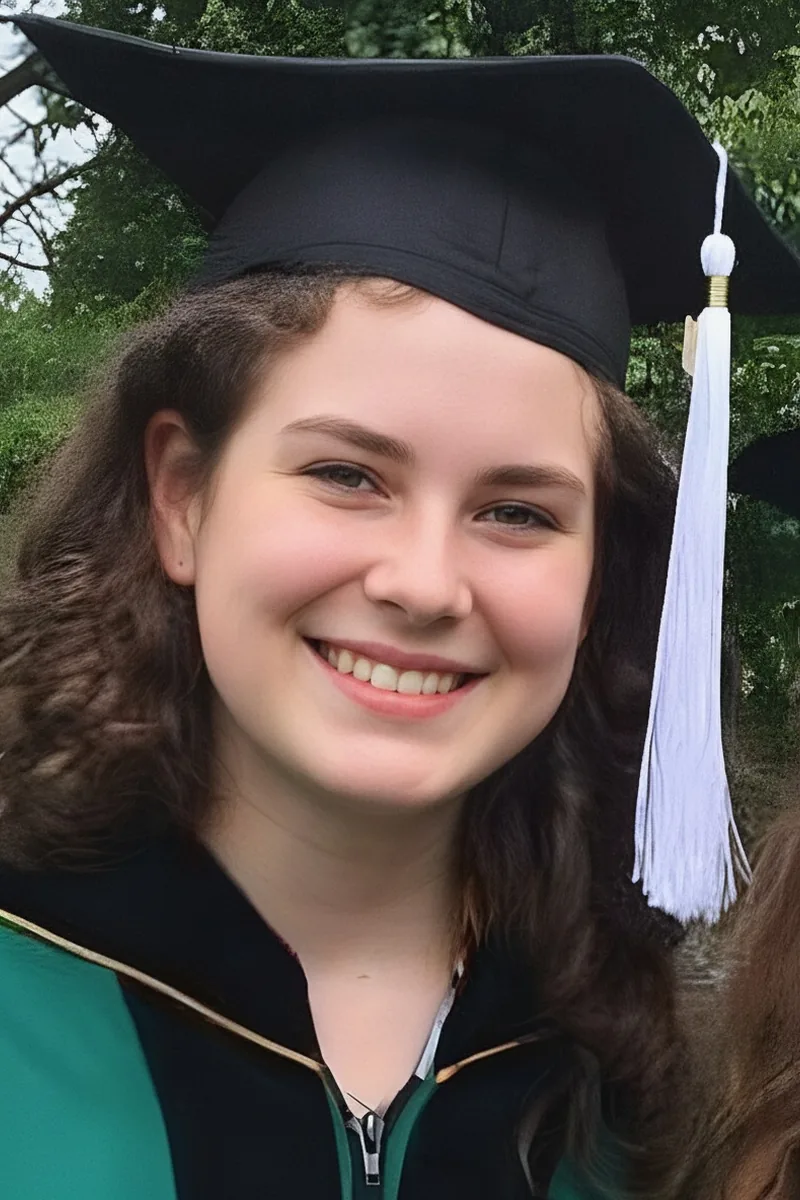
Lisa has studied German through an advanced level, covering everything from case declensions and subordinate clause word order to reading authentic texts. She approaches grammar as a logical system rather than a set of rules to memorize, which makes tricky concepts like dative prepositions and adjective endings feel more predictable. Her 5.0 rating speaks to how well that approach lands.
Learning German grammar — cases, verb conjugation, word order — rewards the same kind of systematic pattern recognition that Eric uses in his science background. He tackles tricky concepts like accusative vs. dative case by connecting rules to practical usage, so the logic behind the language starts to feel intuitive rather than arbitrary.
Willow didn't just study German in a classroom — she earned departmental honors in German Studies at UCLA and spent time at Humboldt Universität Berlin immersed in the language. She tackles grammar concepts like case endings, subordinate clause word order, and verb conjugation patterns by connecting them to how native speakers actually think about sentence structure. That academic depth paired with real immersion experience makes a difference for students at any level.
Learning German means wrestling with case endings, separable verbs, and a sentence structure that puts the verb in places English speakers don't expect. Dan teaches German at multiple levels and brings a literary scholar's sensitivity to how the language actually works — not just memorizing der/die/das tables, but understanding the patterns behind them. He's rated 5.0 and is comfortable with everything from basic conversation to reading German-language texts.
Morgan speaks three languages — Russian, Spanish, and German — which means she's internalized the process of learning a new grammar system from scratch more than once. That multilingual perspective is especially useful for German, where she can draw parallels between Russian's case system and German's four cases to make declensions feel less arbitrary. Rated 4.7 by students.
German's case system, separable prefixes, and word order rules intimidate a lot of learners, but Jamie tackles them through immersion in compelling, context-rich material rather than isolated grammar exercises. Students pick up Akkusativ and Dativ distinctions by hearing and reading them repeatedly in stories and cultural content that actually holds their attention. The result is German that sticks because it was acquired, not just memorized.
I am most passionate about helping people learn history, social sciences, and mathematics. I also assist with standardized test prep, primarily with the Reading and Writing sections of the exams. In my spare time, I enjoy photography, hiking and other outdoor activities, and reading about philosophy, evolutionary biology, and human history.
Three levels of German instruction give Ben a clear picture of where students stumble — whether it's navigating noun cases, mastering separable verbs, or building confidence with spoken conversation. He approaches German grammar as a logical system with predictable patterns, which makes concepts like dative prepositions and adjective endings feel less arbitrary and more manageable.
A Master's degree in Germanic Languages from Columbia, combined with years living and teaching in Austria, means Jacquelyn doesn't just know textbook German — she knows how dative prepositions sound in a Salzburg café and why Konjunktiv II matters in real conversation. She scored highly enough on the SAT Subject Test in German with Listening to tutor it, and she tackles everything from case endings to advanced reading comprehension.
Being fluent in German and studying it through the lens of computational linguistics gives Justin an unusual ability to explain the language's trickiest features — case endings, separable verbs, subordinate clause word order — as logical systems rather than arbitrary rules. He walks students through German sentence structure the way a programmer would debug code: piece by piece, until the pattern is clear.
Learning German means wrestling with case endings, separable verbs, and word order rules that feel completely alien to English speakers. Corinna teaches German from beginner through advanced levels and approaches grammar as a logical system to decode rather than a set of rules to memorize. Her experience as a classroom teacher in NYC means she's skilled at adjusting explanations on the fly when something isn't landing.
German's case system, separable prefixes, and sentence-final verb placement can feel like a puzzle with no picture on the box. Ethan studied linguistics and has taught German from beginner through advanced levels, so he can explain *why* the dative case exists and how word order rules actually follow predictable patterns. That structural understanding turns grammar from rote memorization into something that makes intuitive sense.
Studying dramatic writing at NYU means Jamie spends every day crafting dialogue, building voice, and thinking about how people actually speak — skills that translate directly into learning a living language like German. Covering German 1 through AP German Language and Culture, Jamie uses that playwright's ear to teach conversational rhythm, natural phrasing, and the sentence structures that make spoken German sound fluent rather than textbook-stiff.
Timothy's German proficiency goes beyond classroom study — he's taken the CLEP German exam and engages with the language across academic and cultural contexts. He tackles tricky areas like case declensions, separable verbs, and subordinate clause word order with the same systematic precision he brings to his physics coursework.
Joseph studied German across multiple levels and brings a linguist's perspective to the language — his NYU degree in Language & Mind means he understands how German grammar actually works structurally, from case systems to word order rules, not just as a set of tables to memorize. He connects each grammatical concept to the underlying logic so that accusative versus dative, for instance, starts to feel intuitive rather than arbitrary.
I am a recent graduate of Brown University. I received my Bachelor of the Arts with honors in Literary Arts. As an undergraduate, I tutored foreign graduate students in order to improve their English and bolster their familiarity with American culture and history. I also served as a teaching assistant and worked one-on-one with elementary school students at Camp Invention, a summer camp providing instruction in math and science. In my experience, the greatest strides for teaching a struggling student are made when the process of learning occurs as a product of conversation rather than rigid instruction and rote memorization. Though I tutor across a variety of subjects my passions are English, Literature, and History. Education, I believe, is a process of empowerment and helping students reach their potential through an engaged and productive pedagogy is something I highly value. In my spare time I enjoy reading, writing, traveling, playing soccer, and learning new languages.
I am a current senior at Davidson College, working towards my B.A. in German Studies and Arab Studies. I have spent many hours tutoring the German and Arabic language to college students. I have spent time abroad in Germany, studying German as a second language with AATG (American Association of Teachers of German). My years of being a camp counselor and babysitter have translated into my teaching methods and style. I encourage young learners to approach problems in multiple ways by retesting previously learned material and encouraging independent thinking. I am a huge believer in discovering answers instead of being told them. I look forward to working with you!
Between her Northwestern coursework and studies in German-language opera repertoire — from Mozart to Strauss — Ilana developed a working fluency that goes beyond classroom German. She tackles tricky grammar concepts like case endings and separable verbs by connecting them to patterns students already recognize, making the logic of German sentence structure feel less foreign. Rated 5.0 by students.
Evan studied German formally as part of his undergraduate degree, which means he knows the grammar inside out — case endings, separable verbs, subordinate clause word order, all of it. He connects each rule to how German actually sounds and reads in real texts, so students internalize patterns instead of just memorizing tables.
Four years teaching German at Ruhr Universität in Bochum gave Elias a deep understanding of where learners stumble — case endings, separable verbs, and the dreaded adjective declension tables. He tackles grammar systematically but always ties it back to real usage, drawing on the fact that he lived and studied in Germany for years and speaks the language fluently.
Chris isn't a German specialist, but having studied German 1 through 3 alongside a demanding biomedical engineering courseload at UCLA, he knows what it takes to learn a language efficiently under pressure. He brings an engineer's structured thinking to grammar — breaking down case endings and verb placement into logical patterns that make sense to analytically minded students.
Back in high school, Kollin didn't just study German — he co-designed a full curriculum to teach it to first graders, building original lesson plans and materials from scratch. That experience creating age-appropriate lessons for everything from basic noun genders to simple sentence construction carries directly into how he breaks down German grammar, vocabulary, and reading for learners at any level. He's studied through German 4 and AP German Language and Culture.
Jay minored in German at Penn State and has studied the language across all four levels, from foundational grammar and case systems to advanced literary and academic texts. He breaks down tricky concepts like adjective endings, subordinate clause word order, and the subjunctive mood in ways that make German's structural logic click rather than feel like arbitrary rules.
Sabrina minors in German studies at Princeton and has done physics research at a Max Planck Institute in Germany, so her command of the language extends well beyond the classroom. She tackles everything from case endings and verb conjugation patterns to reading comprehension of authentic German texts.
Two years of teaching German as a camp counselor gave Adam something most language tutors lack: practice explaining grammar concepts like case endings and separable-prefix verbs to students who've never encountered them before. He's completing a German certificate at UW-Madison and knows how to break down everything from der/die/das confusion to subordinate clause word order.
Philosophy majors spend their days untangling dense, precisely structured arguments — a habit that translates surprisingly well to parsing German syntax, where verb placement and subordinate clauses follow their own strict internal logic. Henry pairs that analytical training with hands-on study of the language itself, building all four skills (reading, listening, writing, speaking) into each session so students aren't just diagramming sentences but actually communicating in them. Rated 5.0 by students.
Stephen teaches German at multiple levels — from mastering case endings and der/die/das patterns to navigating subordinate clause word order that trips up so many English speakers. His coursework through German 4 means he can bridge the gap between textbook grammar drills and actually understanding how the language fits together.
Learning German means wrestling with case endings, separable verbs, and sentence structures that put the verb in unexpected places. Anuj breaks these grammar puzzles into logical patterns, drawing on his CLEP German background and his psychology training to tailor explanations to how each student actually processes new language. He pairs grammar drills with reading and listening practice so the rules stick in context.
Testimonials
Because the right German tutor makes all the difference.
Average Session Rating – Based on 3.4M Learner Ratings
Other Manhattan Tutors
Related Languages Tutors in Manhattan
Frequently Asked Questions
Your first session is an opportunity for a tutor to assess your current level across reading, writing, speaking, and listening skills. The tutor will ask about your goals—whether you're preparing for the AP German exam, building conversational fluency, or strengthening grammar fundamentals—and discuss which areas need the most focus. This conversation helps create a personalized learning plan tailored to your needs.
One-on-one instruction provides consistent speaking practice that's difficult to get in classroom settings. Tutors can correct your pronunciation in real time, model natural German speech patterns, and create low-pressure environments where you can practice without worrying about peer judgment. Regular conversation practice with immediate feedback accelerates fluency development and builds confidence in real-world speaking situations.
German verb conjugation and case systems challenge many learners because they require both memorization and contextual understanding. Tutors break these concepts into manageable pieces, use spaced repetition to reinforce patterns, and connect grammar rules to real sentences so you understand when and why to apply them. Rather than drilling rules in isolation, effective tutoring shows how grammar functions in actual communication.
Tutors employ research-backed techniques like spaced repetition, contextual learning (learning words through sentences and themes rather than lists), and retrieval practice to strengthen long-term retention. They also help you build vocabulary around topics relevant to your goals—whether that's business German, travel conversations, or academic writing—so words stick because you're using them meaningfully.
Yes. Understanding German culture, regional differences, and communication styles deepens language learning beyond grammar and vocabulary. Tutors incorporate authentic materials like German news, literature, films, and current events to expose you to how the language is actually used. This immersion-style approach helps you develop cultural awareness alongside linguistic skills, making your German more natural and contextually appropriate.
A personalized tutoring plan addresses all four skills based on your goals and current strengths. If you're preparing for the AP German exam, tutors emphasize reading comprehension and written expression. For conversational fluency, they prioritize speaking and listening. Tutors integrate skills naturally—for example, listening to authentic German audio, discussing it in conversation, then writing about it—so you develop balanced proficiency.
Yes. Tutors familiar with AP German understand the exam format, scoring rubrics, and content requirements across all skill areas. They can help you develop strategies for the multiple-choice section, strengthen your free-response writing, and practice the speaking portion. With personalized instruction, you can focus on your specific weak areas and build the confidence needed to perform well on test day.
Conversational fluency depends on your starting level, study intensity, and practice frequency. Research suggests that reaching professional-level proficiency in German typically requires around 900 hours of study for English speakers. With consistent 1-on-1 tutoring combined with independent practice, many students achieve conversational comfort within 6-12 months, though this varies based on your goals and commitment level.
Let’s find your perfect tutor
Answer a few quick questions. We’ll recommend the right plan and match you with a top 5% tutor.