Award-Winning Elementary Math Tutors
serving Portland, OR
Elementary Math
Tutors in Portland
Private 1-on-1 tutoring, weekly live classes for academic support, test prep & enrichment, practice tests and diagnostics, and more to elevate grades and test scores.
Based on 3.4M Learner Ratings
UniversitiesSchools & Universities
DeliveredHours Delivered
ProficiencyGrowth in Proficiency
Who needs tutoring?
No obligation. Takes ~1 minute.
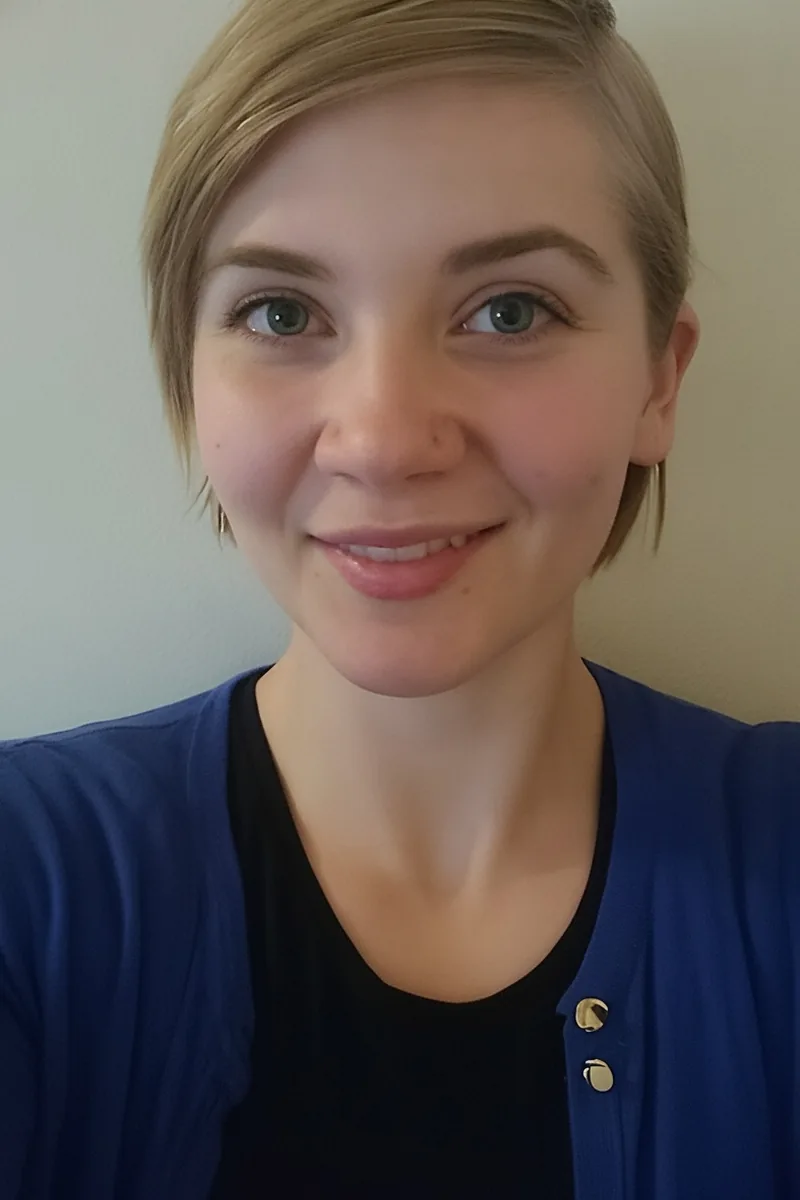
Building number sense early — understanding place value, basic fractions, and how multiplication relates to repeated addition — sets up everything that comes later in math. Caitlyn teaches these foundational ideas with humor and patience, adjusting her explanations based on what clicks for each student. She's rated 5.0 and keeps younger learners engaged by making sessions feel more like a conversation than a lecture.

Building number sense early — really understanding place value, fractions as parts of wholes, and what multiplication actually means — shapes how a student thinks about math for years. Danny brings patience and a structured approach honed over a decade of tutoring across every math level from arithmetic through graduate-level statistics. He makes elementary concepts tangible with visual models and real-world counting so young learners develop genuine confidence with numbers.
Early math concepts like place value, multi-digit multiplication, and fraction foundations shape everything a student will do in math for years to come. Tyler's MN Math Corps training gave him research-based techniques for making these ideas tangible — using visual models, number lines, and real-world contexts that make sense to younger learners. He's patient, creative, and rated 5.0 by the families he works with.
Building number sense early changes everything about how a student experiences math later on. Shannon tackles elementary math concepts like place value, basic fractions, and multi-digit operations by turning them into puzzles and patterns, keeping younger learners curious instead of anxious.
Multiplication tables and long division aren't just rote skills — they're the mental scaffolding for every math course that follows. Tim approaches elementary math by making sure students understand place value and number relationships deeply enough to reason through problems on their own. His patience and ability to reframe a concept a dozen different ways make him especially effective with younger learners.
An MFA in Creative Writing might seem like an unlikely fit for elementary math, but Aaron's knack for storytelling turns word problems into narratives kids actually want to solve — figuring out who has more apples or how to split something fairly becomes a story with stakes. He brings the same clear, methodical breakdown he uses for essay structure to walking through multi-step addition or early fraction reasoning. Rated 4.8 by students.
Patience matters more than speed when a young learner is first making sense of addition, subtraction, and place value. Amy breaks these early concepts into concrete, step-by-step explanations and checks for real understanding before moving on — building the kind of number confidence that carries into later math.
Multiplication strategies, place value, and early fraction work are part of Rosanne's daily classroom routine — she currently teaches math to 3rd through 6th graders at a small elementary school. That hands-on experience means she recognizes when a student has memorized a procedure without understanding it and can quickly reroute to a method that actually makes sense to them.
Getting multiplication facts, place value, and basic fractions right in elementary math sets up everything that comes later. Alicia is studying bilingual elementary education, so teaching these foundational number concepts to young learners isn't a side project — it's the core of her professional training.
Building number sense early — really understanding what multiplication means, or why fractions represent parts of a whole — changes everything about how a child approaches math later. Laura uses concrete examples and visual strategies to make those foundational ideas click rather than just drilling procedures.
Early math is about much more than getting the right answer — it's about developing number sense, the intuitive feel for how quantities relate to each other. Karl teaches concepts like place value, basic fractions, and multi-digit operations using strategies that make the logic visible, so young learners understand why borrowing works or what multiplication actually represents.
Fractions, place value, and multi-digit multiplication aren't just procedures to memorize — they're the conceptual bedrock for every math class that follows. Vinay teaches elementary math by making sure students understand *why* borrowing works or *what* a fraction actually represents, not just how to get the right answer. His patient, structured approach has earned him a 5.0 rating across years of working with younger learners.
Victoria taught first, second, and third graders for three years through Teach for America, building lessons around place value, basic operations, and early problem-solving every single day. That classroom experience — not just tutoring, but full-time teaching — means she knows how young learners develop number sense and where common misconceptions around regrouping or fractions tend to take root.
Multiplication strategies, place value, and early fraction concepts all click faster when a student understands the 'why' behind each step. Jessi's psychology background gives her insight into how younger learners process new information, and she uses that to tailor explanations — whether a kid needs manipulatives, drawings, or word-problem storytelling to make a concept stick.
Building number sense early — understanding place value, basic operations, and simple word problems — sets the trajectory for everything that comes after in math. Lauren studied education at Northwestern and has experience tutoring young learners in after-school programs, so she knows how to keep lessons structured without losing a child's attention.
Place value, basic fractions, and multi-digit multiplication all click faster when a student understands *why* the steps work, not just what to do next. Kenan breaks these building-block concepts into visual, concrete explanations that give younger learners real number sense they can carry forward.
Getting number sense right early — place value, basic fractions, the logic behind multiplication — shapes how a child thinks about math for years. Vy taught first graders at a Sunday School program and worked with deaf preschoolers at Vanderbilt Medical Center's Mama Lere Hearing School, so she's practiced at making abstract ideas tangible for young learners. She holds a 5.0 rating from her students.
Long division, fractions, and place value might seem simple, but the way a student first learns these ideas shapes how they think about math for years. Kristi brings nearly a decade of experience teaching across every math level, which means she understands exactly which foundational skills matter most and how to make them stick. She's rated 5.0 by her students.
Getting multiplication tables and place value to click for a younger learner takes more than repetition — it takes someone who genuinely enjoys being in the room. Marc's training as an actor gives him an unusual ability to make a lesson on fractions or basic geometry feel like a conversation rather than a lecture. He matches each student's energy level and finds the examples that make numbers intuitive.
Early math confidence matters more than early math speed, and Amber structures her sessions around making sure a student genuinely understands place value, basic operations, or simple fractions before racing ahead. She uses hands-on strategies and real-world examples — counting money, measuring ingredients — to make abstract numbers tangible. Rated 5.0 by families she's worked with.
Getting multiplication facts and place value right early on shapes how a student handles every math class that follows. Neha has tutored kids as young as kindergarten across Chicago and knows how to make concepts like fractions and basic division click through hands-on, visual strategies rather than rote repetition.
Getting multiplication tables and place value to truly click early on makes every math class that follows easier. Rashana uses real-world examples like money and measurement to teach elementary concepts, making abstract number sense feel concrete and intuitive for younger learners.
Building number sense early — really understanding place value, basic operations, and how fractions relate to division — changes a student's entire math trajectory. Vania has tutored across every level from elementary through college at MIT, so she knows where young learners' misconceptions tend to hide and how to address them before they compound. She makes math feel like a puzzle worth solving, not a chore.
Testimonials
Because the right Elementary Math tutor makes all the difference.
Average Session Rating – Based on 3.4M Learner Ratings
Nearby Elementary Math Tutors
Other Portland Tutors
Related Math Tutors in Portland
Frequently Asked Questions
Many Portland students struggle with the transition from memorizing math facts to understanding why those facts work. Word problems are another frequent challenge—students may understand individual concepts but get stuck applying them to real-world scenarios. Multi-step problems and explaining their reasoning (showing work) also trip up students who've relied on getting quick answers rather than understanding the process. Personalized tutoring helps students build confidence by breaking down these concepts into manageable pieces and connecting them to what they already know.
The first session is about getting to know your student and identifying their specific strengths and gaps. A tutor will work through a few problems together to see where understanding breaks down—whether it's foundational concepts, procedural fluency, or applying skills to new situations. This helps create a personalized plan focused on what matters most for your child's progress. You'll leave with a clear picture of next steps and how tutoring will support their growth.
Portland's six school districts use different approaches—some emphasize problem-solving and conceptual understanding, while others focus more on procedural fluency. Tutors working with students in Portland are familiar with these varied approaches and can adapt their instruction to match what your child is learning in class. Whether your student uses Eureka Math, Everyday Mathematics, or another program, tutors help bridge any gaps between classroom instruction and individual learning needs.
Absolutely. Math anxiety often stems from past struggles or feeling rushed, and personalized 1-on-1 instruction creates a safe space to slow down and rebuild confidence. When students experience success on manageable problems and see patterns they can understand, their mindset shifts from "I'm bad at math" to "I can figure this out." Tutors celebrate progress and help students recognize their own problem-solving abilities, which naturally reduces anxiety over time.
Showing work isn't just about getting credit—it's how students develop mathematical thinking and catch their own mistakes. When students write out their steps, they're externalizing their reasoning, which helps them see patterns and connections they might miss in their heads. Tutors model clear strategies for organizing work, ask students to explain their thinking, and gradually build the habit of writing out steps in a way that makes sense. This skill becomes increasingly important as math gets more complex.
Tutors break word problems into manageable steps: reading carefully, identifying what's being asked, deciding which operations to use, and checking if the answer makes sense. Rather than jumping to an answer, students learn to draw pictures, use manipulatives, or act out the problem to understand what's happening. Over time, students build a toolkit of strategies and gain confidence recognizing which approach works for different problem types.
Most students benefit from consistent, regular sessions—typically once or twice per week—to build momentum and reinforce learning between sessions. The exact frequency depends on your child's specific challenges and goals. Even one session per week can make a meaningful difference when paired with practice at home, while more frequent sessions help accelerate progress on foundational gaps. Your tutor can recommend a schedule that works best for your student's needs.
Varsity Tutors connects you with expert tutors who have experience teaching elementary math and understand Portland's school environment. You'll share details about your child's grade level, specific challenges, and learning style, and we'll match them with a tutor who's a great fit. The process is straightforward—you can get started quickly and adjust your tutoring plan as your student progresses.
Let’s find your perfect tutor
Answer a few quick questions. We’ll recommend the right plan and match you with a top 5% tutor.