Award-Winning College Essays Tutors
serving Olympia, WA
College Essays
Tutors in Olympia
Private 1-on-1 tutoring, weekly live classes for academic support, test prep & enrichment, practice tests and diagnostics, and more to elevate grades and test scores.
Based on 3.4M Learner Ratings
UniversitiesSchools & Universities
DeliveredHours Delivered
ProficiencyGrowth in Proficiency
Who needs tutoring?
No obligation. Takes ~1 minute.
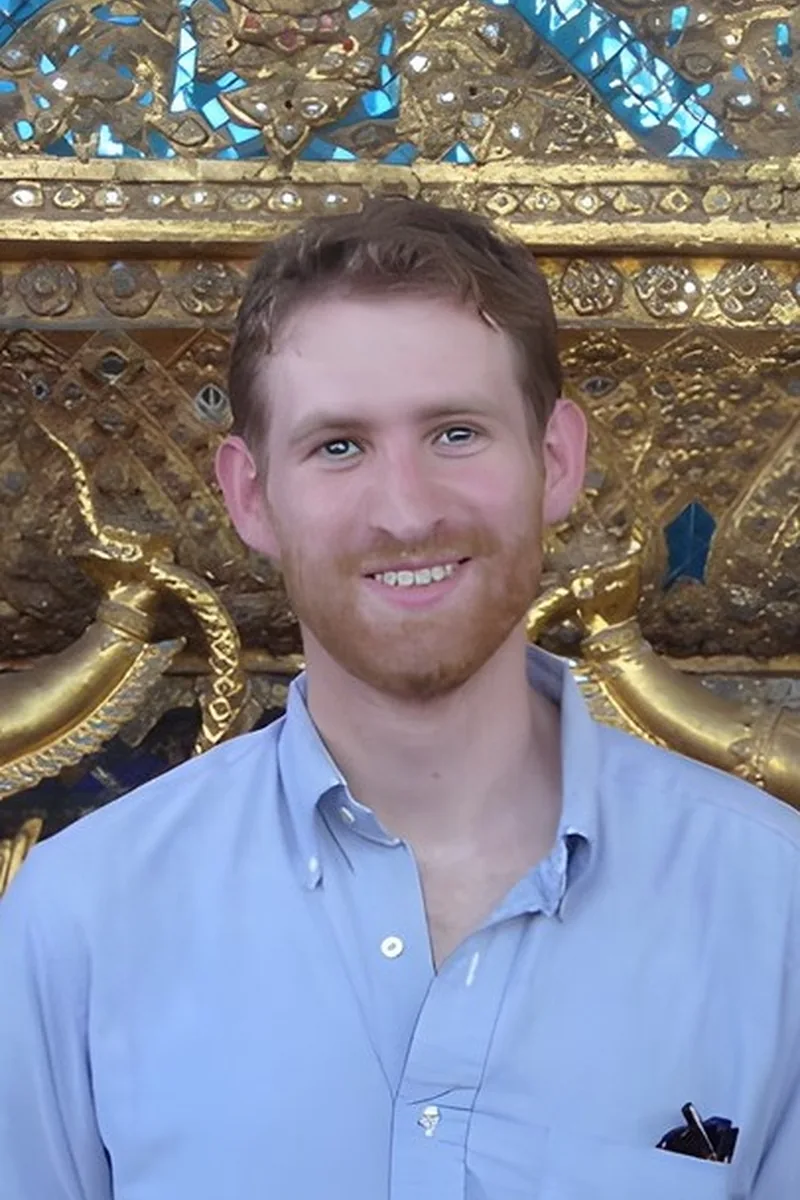
A college essay lives or dies on voice — admissions readers can tell immediately whether a student is performing or being genuine. Alex, who is completing a PhD in English, approaches essay drafting as a process of discovering what a student actually wants to say, then sharpening the structure and language to make it land. He's especially skilled at helping students move from a vague topic idea to a specific, compelling narrative arc.

Teaching university-level math and statistics means Moayad spends most of his time in proofs and equations — but that precision translates surprisingly well to college essays, where a bloated draft needs the same ruthless editing a sloppy proof does. He's particularly effective with applicants who want to write about their love of STEM but keep producing essays that read like course descriptions instead of personal stories, and he knows how to restructure a draft around one concrete moment that actually reveals something.
Applying to college while completing a PhD in history at the University of Washington, Najja knows firsthand how to craft a personal narrative that stands out in a competitive admissions pool. He breaks down the college essay into manageable decisions — choosing a specific moment over a broad theme, finding an authentic voice, and structuring a draft that actually answers the prompt.
A strong college essay doesn't summarize a résumé — it reveals how a student thinks. Helen went through the admissions process at Johns Hopkins and understands what selective schools look for: a genuine voice, a specific story, and a clear sense of self-awareness. She digs into brainstorming and structural revision to help each essay land with authenticity rather than polish alone.
Over a year of editing college admissions essays has given Alice a sharp eye for what admissions readers actually respond to — she's edited pieces for students accepted to CalTech, Northwestern, and Northeastern. Rather than rewriting a student's voice, she pinpoints where a draft's narrative loses momentum or where a generic claim could become a vivid, specific moment. She's happy to share editing samples so students can see her process firsthand.
A strong college essay needs a clear, specific story — not a résumé in paragraph form. Cory's approach is conversational: he talks through a student's experiences to find the one concrete moment or idea worth building an essay around, then coaches the drafting process from there. It's a different muscle than physics, but the same emphasis on clarity and logical structure applies.
A Yale graduate who built a career partly on crafting compelling narratives in professional contexts, Moses knows that a great college essay isn't about listing achievements — it's about revealing how you think. He digs into brainstorming, voice, and structural choices to help applicants turn a rough idea into a personal statement that admissions officers remember.
Having read thousands of student essays across grades 6 through AP, Marie knows the difference between a personal statement that blends in and one that makes an admissions reader pause. She digs into voice and structure first — helping students figure out which story to tell and how to shape it — before polishing at the sentence level. Her MA in Teaching and English BA give her both the editorial eye and the coaching instincts the process demands.
A strong college essay isn't about listing accomplishments — it's about finding the one specific story that reveals how a student thinks. Maria went through the UC application process herself and knows how to help a writer identify that angle, then shape messy drafts into a narrative with a clear arc and authentic voice.
A compelling college essay isn't a résumé in paragraph form — it's a single, specific moment that reveals how a student thinks. Clare's MPhil in Philosophy trained her to construct tight, original arguments, and she brings that same eye for clarity and voice to personal statements. She walks through every stage from brainstorming a genuine topic to cutting the filler that admissions readers skim past.
A compelling college essay doesn't summarize a résumé — it reveals a single moment or idea that admissions officers can't forget. Xiansheng digs into brainstorming sessions to uncover the story only that student can tell, then shapes drafts until the voice on the page sounds authentic rather than rehearsed. His experience with a wide range of applicants, including international students, sharpens his eye for what stands out.
A compelling college essay isn't about listing accomplishments — it's about revealing how you think. Chica, who went through the admissions process as an economics student, digs into brainstorming and narrative structure to help applicants find the one story that admissions officers will actually remember. She's rated 5.0 by students.
As a senior English major who reads and writes analytically every day, Elizabeth understands what admissions readers are actually looking for: a specific voice telling a specific story. She digs into brainstorming and drafting with students, pushing past generic "overcoming adversity" narratives to find the personal details that make an essay memorable.
The hardest part of a college essay isn't the writing — it's figuring out which story to tell and why it matters. Kourtney, who recently navigated graduate admissions herself, walks students through brainstorming, drafting, and revising personal statements until the essay sounds unmistakably like them. Her 5.0 rating speaks to how well that process works.
A college essay that actually lands doesn't summarize accomplishments — it reveals how a student thinks. Avalon went through USC's honors writing program and studied Political Economy, so she knows how to help applicants find the one story that makes an admissions reader pause. She digs into brainstorming, structural choices, and voice until the essay sounds unmistakably like the person writing it.
A strong college essay doesn't summarize a résumé — it reveals how a student thinks, and that's the distinction Angela pushes from the very first brainstorming session. She walks students through identifying a specific moment or tension worth exploring, then drafts and revises alongside them until the voice on the page sounds unmistakably theirs. Her own experience navigating the application process at Northeastern keeps her advice grounded and current.
Having gone through the medical school application cycle herself, Tsering knows what admissions readers are scanning for: a specific narrative arc, genuine self-reflection, and a voice that sounds like an actual person rather than a thesaurus. She's also conducted research at Emory, OHSU, and NIH, so she can help applicants frame academic and research experiences in a way that feels compelling without overselling. Her editing sharpens structure and tone while keeping the student's own story front and center.
The hardest part of a college essay isn't the writing — it's figuring out which story actually reveals something an admissions reader can't find anywhere else in the application. Grant digs into brainstorming sessions that surface unexpected angles, then shapes drafts around a single vivid thread rather than a résumé recap. His 5.0 rating speaks to how well that process clicks with students.
A strong college essay doesn't summarize a résumé — it reveals how a student thinks. Jon, who lists writing among his core interests, works through brainstorming, drafting, and revision with an eye toward voice and specificity, making sure each essay sounds like the student who wrote it rather than a generic personal statement.
Having navigated the college application process as a science student who also loves reading and writing, Madyson understands how to craft an essay that sounds like a real person, not a résumé. She walks students through brainstorming, structure, and revision with an editor's eye, plus experience from working in an ESL classroom that sharpened her ability to clarify voice and tone.
Daniel went through the college application process as an engineering student and knows how to help applicants translate technical interests, extracurriculars, and personal stories into essays that actually sound like them. He zeroes in on structure and voice — making sure each draft has a clear arc and doesn't read like a résumé in paragraph form.
Writing a college essay that actually sounds like you — not like a thesaurus exploded on a personal statement — is harder than it looks. Charles went through the process himself as a Yale admit and knows how to help a student find the one specific story that admissions officers will remember. He's also a writer and reader in his spare time, which means he edits for voice and narrative arc, not just grammar.
A journalism degree teaches you to find the story that matters and tell it fast — exactly what admissions officers want in a college essay. Shelley pairs that editorial instinct with her psychology training to help students identify the personal experiences that reveal genuine character, then shape those moments into tight, compelling narratives. She holds a 5.0 rating from students.
Admissions essays live or die on specificity — a vague paragraph about "overcoming challenges" reads the same as ten thousand others. Connor, who wrote his way into graduate programs at both Notre Dame and Loyola Chicago, digs into a student's actual experiences to find the one concrete story that makes a reader stop skimming. He then works through structure, voice, and word-level revision until the draft sounds unmistakably like the person who wrote it.
A Columbia comparative literature degree means Jacob spent years dissecting how writers across languages and traditions craft voice on the page — and that's exactly the muscle a college essay demands, distilling who you are into 650 words that sound unmistakably like you. He's especially sharp at the brainstorming phase, helping applicants move past the obvious topic choices and land on the unexpected detail or tension that admissions readers actually remember.
A strong college essay doesn't summarize a résumé — it reveals how a student thinks. Reid, who holds a PhD in Education from Harvard and a sociology degree from Wesleyan, knows how to draw out the specific personal narratives that admissions committees remember. He walks students through brainstorming, structural choices, and revision until every sentence earns its place.
As a certified writing tutor through Penn's Critical Writing Department — accepted into the program as a freshman, a first for that cohort — Jessica spent years giving detailed feedback on student writing at the university level. She now applies that same editorial eye to college application essays, digging into the brainstorming phase to find the specific story or angle that distinguishes one applicant from thousands. She's also assisted students with graduate program essays, so she understands how admissions readers think across different levels.
Having navigated the doctoral admissions process herself, Renee knows that a college essay lives or dies by its specificity — not grand claims, but one well-chosen moment that reveals character. She spent four years as a writing consultant during undergrad and brings that editorial instinct to brainstorming, drafting, and tightening personal statements that sound genuinely like the student writing them.
A strong college essay needs a genuine voice and a specific story — not a résumé rewrite or a thesaurus exercise. Justin went through the admissions process himself for the University of Chicago's PhD program and understands how to shape a personal narrative that stands out to selective readers. He works through brainstorming, structure, and revision with a methodical eye, making sure each draft gets sharper and more authentically the student's own.
College admissions readers spend roughly four minutes on an essay, which means the opening line, narrative arc, and voice all need to land fast. Keith approaches each draft by identifying the single most compelling thing about a student's story and cutting everything that doesn't serve it. His own writing background — political science and English coursework at Williams, plus admission to Cornell Law — means he understands what selective readers look for.
Perry wrote his way into the University of Miami Miller School of Medicine, so he understands what admissions readers look for: a specific, authentic voice and a narrative arc that reveals character rather than just listing accomplishments. He digs into brainstorming and structural revision, pushing drafts from generic to genuinely personal.
Having navigated the admissions process at Cornell, Josef understands what makes a personal statement land — specificity, genuine reflection, and a narrative arc that doesn't read like a résumé in paragraph form. He walks students through brainstorming, structural choices, and revision with an eye toward making each essay sound unmistakably like the person writing it.
Having gone through the admissions process at MIT and now Georgia Tech's PhD program, Isabella knows what makes a personal statement land with a committee — specificity, structure, and a voice that sounds like the person writing it. She walks students through brainstorming, drafting, and revising so the final essay reveals something a transcript can't.
Testimonials
Because the right College Essays tutor makes all the difference.
Average Session Rating – Based on 3.4M Learner Ratings
Other Olympia Tutors
Related English Tutors in Olympia
Frequently Asked Questions
Varsity Tutors matches Olympia students with expert College Essays tutors for 1-on-1 instruction. We pair each student with a tutor based on their specific needs, learning style, and goals.
Whether you need homework help, exam prep, or want to get ahead, our College Essays tutors are ready to help.
Common challenges include gaps from earlier material, difficulty with specific concepts, and trouble applying learning to new problems. These issues can snowball quickly in College Essays.
A tutor identifies where you're stuck, fills in gaps, and provides targeted practice. The 1-on-1 format means you get help exactly where you need it.
Tutors work with your student's actual coursework—homework assignments, class notes, and upcoming tests. This keeps tutoring directly relevant to what's happening in the classroom.
When you share information about your student's school and curriculum, we can match you with a tutor who has relevant experience.
All tutors complete background checks, credential verification, and teaching evaluation. Many of our College Essays tutors hold advanced degrees or have years of teaching experience.
You can review tutor profiles to find someone with the right background for your student's level and needs.
Many students see improved grades within a few weeks, along with better understanding of College Essays concepts and more confidence tackling challenging material.
Tutors track progress and adjust their approach to ensure continued improvement.
Most students benefit from 1-2 sessions per week. More frequent sessions help if your student is significantly behind or has an important exam coming up.
Your tutor can recommend a schedule based on your student's specific situation and goals.
Tutoring is purchased in packages of hours, with rates varying by tutor experience. Varsity Tutors offers several options to fit different budgets and needs.
You can discuss pricing during your consultation to find what works best.
Your tutor will assess where your student is, discuss goals, and start working on priority areas. Most students bring current homework or upcoming test material to focus on.
By the end, you'll have a clear sense of how the tutor can help and a plan for moving forward.
Let’s find your perfect tutor
Answer a few quick questions. We’ll recommend the right plan and match you with a top 5% tutor.