Award-Winning Biostatistics Tutors
serving Tucson, AZ
Biostatistics
Tutors in Tucson
Private 1-on-1 tutoring, weekly live classes for academic support, test prep & enrichment, practice tests and diagnostics, and more to elevate grades and test scores.
Based on 3.4M Learner Ratings
UniversitiesSchools & Universities
DeliveredHours Delivered
ProficiencyGrowth in Proficiency
Who needs tutoring?
No obligation. Takes ~1 minute.
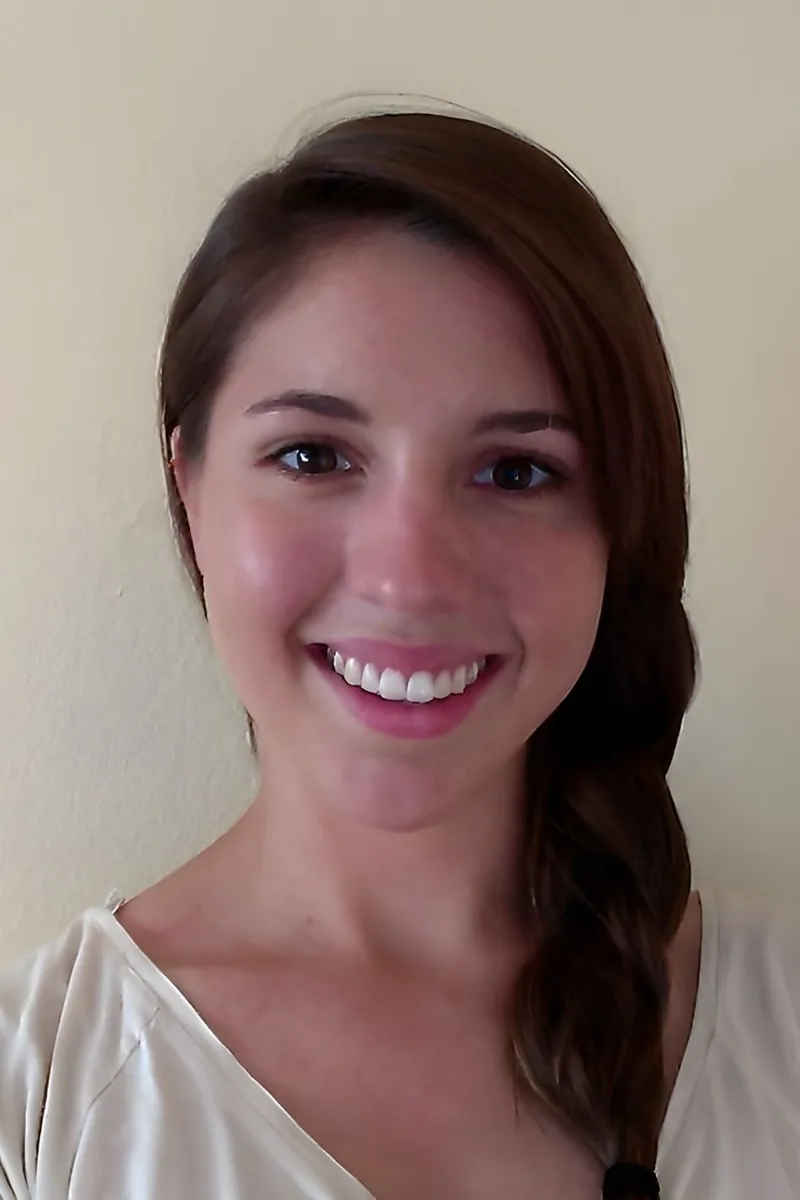
Courtney's graduate research in aquatic ecology means she's wrestled with the messy, real-world datasets that make biostatistics click — figuring out which test to run when sample sizes are uneven, or whether a correlation in field data actually holds up under regression. That experience analyzing ecological patterns, combined with her MS in Biology, grounds her teaching of concepts like experimental design, ANOVA, and data interpretation in the biological questions that give the numbers meaning. Rated 5.0 by students.
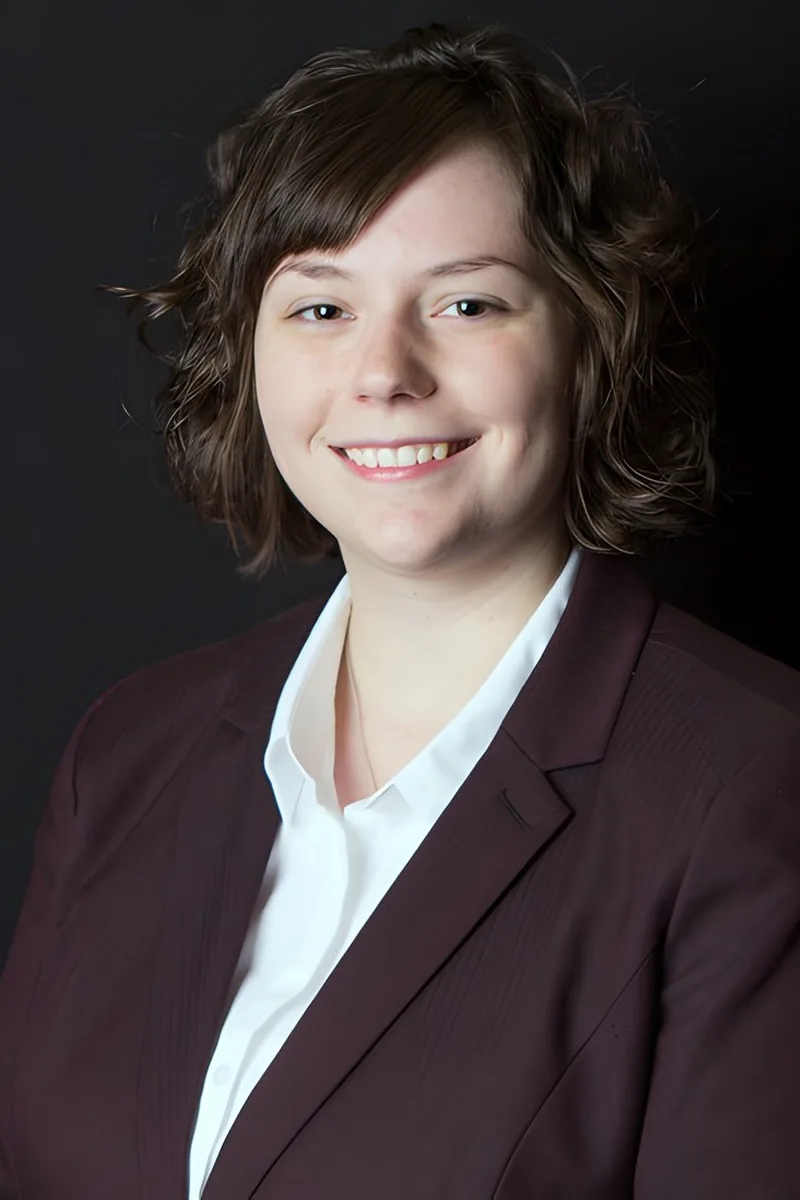
Lindsay's biology degree with a math minor means she's lived on both sides of biostatistics — understanding the experimental design behind biological research and the quantitative tools needed to draw valid conclusions from it. She digs into concepts like probability distributions, hypothesis testing, and regression by connecting each method to the kind of data a biologist would actually collect. Rated 4.9 by students.
A PhD in genetics means Cameron has spent years generating and analyzing the kinds of biological datasets where statistical decisions — choosing between parametric and nonparametric tests, interpreting p-values from gene expression data, modeling inheritance patterns with regression — directly shape research conclusions. That deep familiarity with experimental design from the genetics side makes the leap to teaching biostatistics concepts like variance, sampling distributions, and hypothesis testing feel grounded in real research rather than abstract formulas.
Alex's master's thesis at Rice centered on environmental statistics, giving him direct experience with the tools that define biostatistics: survival analysis, logistic regression, study design, and interpreting odds ratios in research contexts. He unpacks statistical software output and walks through the logic behind each test so students understand both the math and the methodology.
Biochemistry and molecular biology coursework means Aditya is constantly reading papers packed with survival curves, p-values, and confidence intervals — the kind of statistical literacy that comes from needing it to understand his own field, not just passing an exam. He breaks down concepts like probability distributions and measures of central tendency by walking through the biological data they're actually applied to, so the formulas feel purposeful rather than abstract.
Wall Street research demands a kind of statistical fluency that translates surprisingly well to biostatistics — Frank spent years dissecting datasets, evaluating risk models, and stress-testing assumptions before pivoting to teaching statistics at both the AP and college level. He breaks down concepts like hypothesis testing, probability distributions, and regression by emphasizing the logic behind choosing a method, drawing on the same analytical rigor he applied to financial research. His MBA and quantitative background give him a practical, numbers-first approach that cuts through the abstraction many students struggle with.
Gabriel has taught biostatistics at the undergraduate level, walking students through hypothesis testing, regression analysis, and experimental design with real biological datasets. His computational neuroscience research adds a practical dimension — he designs and analyzes electrophysiological experiments, so concepts like p-values and confidence intervals aren't abstract formulas but tools he uses weekly.
Engineering coursework at MIT forced Natasha to build statistical models from biological and chemical datasets — the kind where understanding variance, distributions, and experimental design isn't optional but essential to getting meaningful results. Her chemical and biomolecular engineering background means she teaches biostatistics concepts like regression and hypothesis testing through the lens of someone who's actually had to defend her statistical choices in lab reports and research. Rated 4.9 by students.
As a first-year med student at Pitt with a biology degree from Tufts, Danielle is encountering biostatistics exactly where it becomes unavoidable — interpreting clinical study results, calculating sensitivity and specificity, and evaluating whether a paper's p-value actually means what the authors claim. Her 36 ACT composite reflects the kind of precise analytical thinking she brings to breaking down concepts like confidence intervals, relative risk, and study design for students who find the statistical side of biology intimidating. Rated 5.0 by students.
Studying biology at Duke while conducting field research on Hawaiian monk seals meant Emma had to grapple with real ecological datasets — the kind where choosing between a t-test and a Mann-Whitney U actually changes your conclusions. That hands-on experience with biological data analysis, paired with her 4.9 rating from students, makes her especially effective at teaching the statistical reasoning behind study design and data interpretation.
Preparing for medical school means Serena has worked through the full gauntlet of premed coursework — and biostatistics sits right at the intersection of her biology degree and the quantitative reasoning she's built through years of tutoring math from algebra through calculus. She breaks down concepts like study design, measures of central tendency, and statistical significance by keeping the biological question front and center, so the formulas serve the science rather than the other way around. Holds a 5.0 rating from students.
Rachel's Master's in Environmental Health Sciences from Johns Hopkins required the same core biostatistics training that public health students dread — survival analysis, logistic regression, and interpreting epidemiological study results with real population data. Years of conservation fieldwork since then have kept her close to the kind of messy environmental datasets where picking the right statistical test actually shapes policy decisions. She connects methods like chi-square tests and confidence intervals back to the health and ecological questions they were built to answer.
Biology coursework generates the kind of data — population counts, gene expression levels, epidemiological surveys — where understanding which statistical test to run matters as much as understanding the biology itself. Ade's biology degree means he teaches concepts like probability distributions, measures of central tendency, and hypothesis testing by starting from the biological question rather than the formula sheet, so the reasoning behind each method clicks before the calculations begin.
Before medical school, Macklin struggled with coursework himself — which means he knows exactly where biostatistics concepts like sensitivity, specificity, and p-value interpretation trip students up, because they once tripped him up too. Now a dean's list third-year med student, he breaks down study design and statistical reasoning by walking through the clinical research papers he's actively reading. Rated 5.0 by students.
Most biostatistics struggles come down to not knowing which test to use or why — is this a chi-square situation or a t-test, and what does the p-value actually mean? Amanda's Master of Public Health training required heavy coursework in epidemiological statistics, so she teaches biostatistics with the kind of applied, research-oriented framing that makes concepts like confidence intervals and regression analysis click. She walks through real study designs to show how statistical choices shape conclusions.
Testimonials
Because the right Biostatistics tutor makes all the difference.
Average Session Rating – Based on 3.4M Learner Ratings
Other Tucson Tutors
Related Science Tutors in Tucson
Frequently Asked Questions
Biostatistics is the application of statistical methods to biological and health sciences data. It's essential for research, public health, pharmaceuticals, and clinical studies—helping professionals design experiments, analyze results, and draw meaningful conclusions from data. For students in Tucson pursuing healthcare, biology, or research careers, mastering biostatistics opens doors to graduate programs and professional opportunities in medicine, epidemiology, and life sciences.
Many students struggle with translating real-world biological problems into statistical frameworks, understanding probability distributions, and interpreting results in context. Additionally, biostatistics requires comfort with both conceptual reasoning and computational skills—students often get stuck on hypothesis testing, confidence intervals, or when to apply specific tests like t-tests versus ANOVA. Personalized tutoring helps bridge the gap between theory and application, showing you how statistical concepts connect to actual research scenarios.
Your first session focuses on understanding your current level, specific goals, and learning style. A tutor will assess which topics feel solid (maybe you're comfortable with descriptive statistics) and where you need support (perhaps hypothesis testing or software like R or SAS). From there, you'll build a personalized plan that targets your weak spots while reinforcing strengths, ensuring every session moves you closer to confidence and mastery.
Yes. Biostatistics relies heavily on tools like R, SAS, SPSS, and Excel—and tutors can help you learn the software alongside the statistical concepts. Rather than just memorizing formulas, you'll understand what each command does and why you're using it, making you proficient in both the theory and the practical application that employers and graduate programs expect.
Biostatistics courses vary—some emphasize frequentist methods, others introduce Bayesian approaches; some use applied examples, others focus on mathematical foundations. Expert tutors work with your specific course materials, textbook, and instructor's approach, ensuring explanations align with what you're learning in class. This customized alignment means you're not learning generic statistics—you're mastering the exact concepts your course requires.
Word problems in biostatistics require you to identify the study design, recognize which test applies, and interpret results in biological terms—skills that don't come naturally to everyone. Tutors teach you a systematic approach: breaking down the problem, identifying what you know and what you're solving for, and connecting the statistical answer back to the original research question. This builds pattern recognition so you approach unfamiliar problems with confidence.
Absolutely. Math anxiety is common, especially in statistics where abstract concepts meet real consequences (research decisions, grades). One-on-one tutoring creates a judgment-free space to ask questions, work through problems at your pace, and rebuild confidence. Many students find that seeing patterns emerge and understanding the 'why' behind formulas transforms anxiety into curiosity—and that shift is powerful for long-term success.
Results depend on your starting point and goals, but students typically see improved grades, deeper understanding of concepts, and greater confidence tackling exams and projects. More importantly, personalized instruction helps you move from memorizing procedures to truly understanding statistical reasoning—a skill that carries into graduate school, research, and professional work in healthcare and life sciences.
Let’s find your perfect tutor
Answer a few quick questions. We’ll recommend the right plan and match you with a top 5% tutor.