Award-Winning Statistics Graduate Level Tutors
serving Seattle, WA
Statistics Graduate Level
Tutors in Seattle
Private 1-on-1 tutoring, weekly live classes for academic support, test prep & enrichment, practice tests and diagnostics, and more to elevate grades and test scores.
Based on 3.4M Learner Ratings
UniversitiesSchools & Universities
DeliveredHours Delivered
ProficiencyGrowth in Proficiency
Who needs tutoring?
No obligation. Takes ~1 minute.
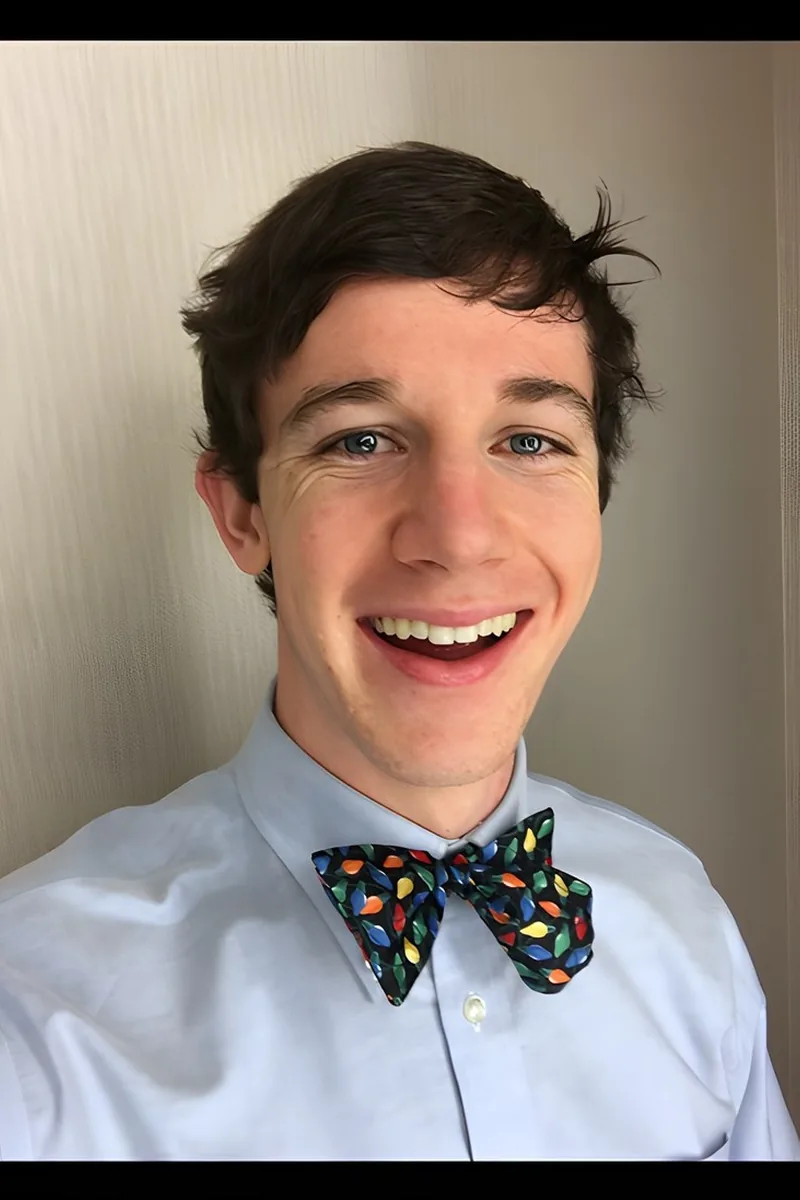
Graduate-level statistics throws students into the deep end — maximum likelihood estimation, Bayesian inference, multivariate regression diagnostics — and expects fluency, not just familiarity. Evan is currently completing his own graduate work in statistics, so he's actively immersed in the theory and computation these courses demand. He also codes in Python and SQL, which means he can walk through both the mathematical proofs and the applied implementation side.
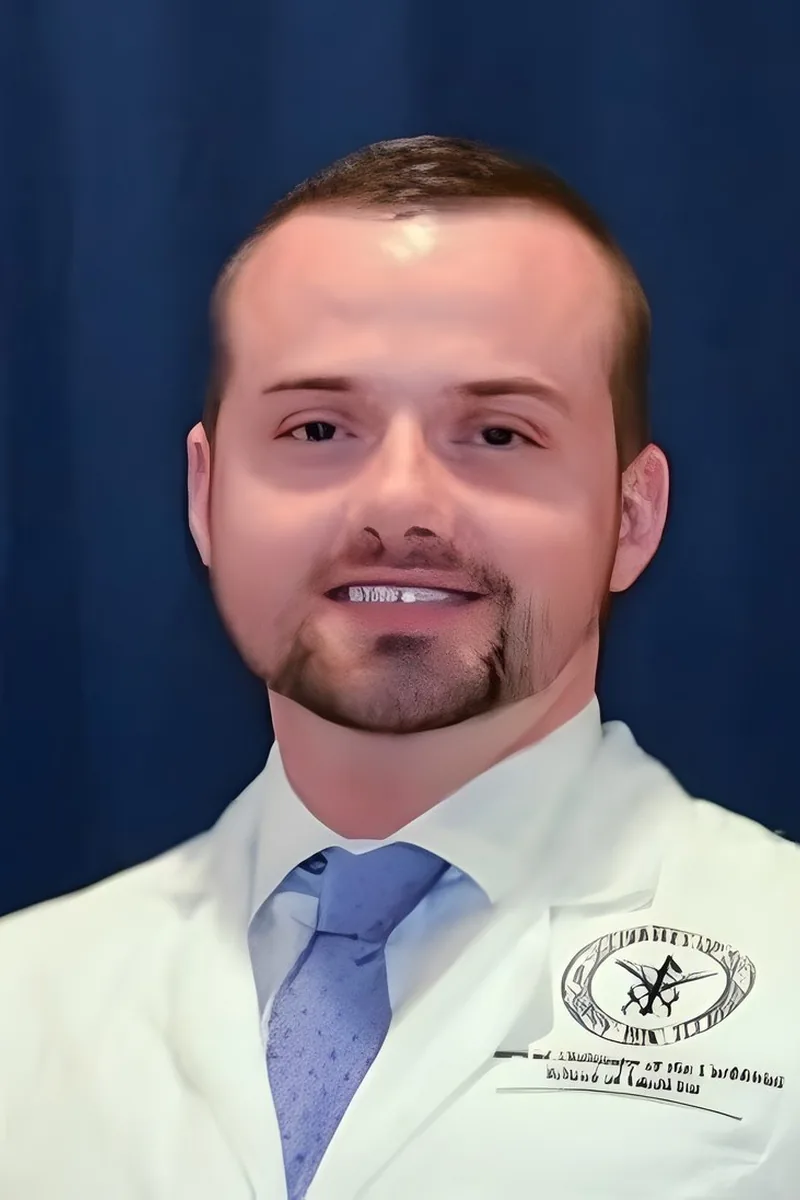
Graduate-level statistics throws students into multivariate analysis, ANOVA designs, and regression modeling where the intuition behind each test matters as much as running it. Macklin applies these methods daily as a medical student analyzing clinical research data, so he teaches the reasoning behind choosing a test — not just the formulas. Rated 5.0 by students.
Graduate-level statistics demands fluency with topics like maximum likelihood estimation, multivariate distributions, and regression diagnostics that go well beyond introductory coursework. Dana holds a degree in statistics and is pursuing PhD-level economics research involving econometrics, so she's actively working with these methods. She unpacks the mathematical theory behind statistical procedures while keeping the applied interpretation clear.
Hi! I'm Alexandre, I am a Machine Learning Engineer, so I write code to make AI do all sorts of stuff everyday. I have degrees in Applied Mathematics and Computer Science so if curious about how an area of math is useful in the real world I'd be happy to give a list of examples!
I am a Molecular Engineering major at the University of Chicago, I am currently taking time off to focus on other aspects of my career but I don't want to stop tutoring outside college campus!. I am a child of immigrants and have spent my life tutoring my siblings and younger students, and I loved working with them! See y'all in class!
Graduate-level statistics throws curators of data into the deep end — multivariate regression, ANOVA designs, Bayesian inference — and Daniel's accounting background means he approaches these tools with an eye toward real-world application. He unpacks the logic behind each test so students can select and defend the right method for their research questions, not just run software outputs blindly.
I am currently finishing my thesis. For the past two years I was an adjunct instructor at The City College of New York, teaching statistics and introductory neuroscience, where I learned the importance of communicating complicated concepts clearly at an individualized level. All of my classes performed above average, and I discovered how satisfying it is to help people understand difficult ideas. I've found that by creating a good rapport with my students I am able to more effectively impart difficult concepts to them while causing them less stress. My passion is people, which first led me to study psychology, leading to my work in statistics, and later into teaching.
Duncan's master's degree in statistics makes him a natural fit for graduate-level coursework in regression analysis, hypothesis testing, ANOVA, and Bayesian methods. He approaches each topic by connecting the mathematical theory to the practical decisions students need to make — choosing the right model, interpreting output, and defending assumptions. His 5.0 client rating speaks to how clearly he breaks down even the most notation-heavy material.
Graduate-level statistics pushes well beyond t-tests into maximum likelihood estimation, Bayesian inference, and multivariate regression diagnostics — territory where intuition from introductory courses often breaks down. Kathleen's experience across biostatistics and bioinformatics means she can ground abstract theory in real analytical workflows. Rated 4.9 by students, she brings both mathematical rigor and applied perspective to advanced coursework.
Graduate-level statistics throws students into the deep end — maximum likelihood estimation, mixed-effects models, Bayesian inference — and expects fluency, not just familiarity. Elliot's PhD in Neuroscience required designing and analyzing complex experimental datasets, so he teaches these methods as tools for answering real research questions. Rated 5.0 by students.
Graduate-level statistics demands comfort with proofs and derivations that most intro courses skip — maximum likelihood estimation, Bayesian inference, and the mathematical foundations behind common tests. Brian's Caltech background in economics and computer science gave him deep exposure to these methods in both theoretical and applied contexts, and he breaks down dense notation into intuitive steps.
Graduate-level statistics lives at the intersection of Laura's two degrees — her IT background covers the computational side (Python, data mining, regression modeling), while her MBA sharpened her ability to interpret results in a business context. She digs into topics like hypothesis testing, ANOVA, and multivariate analysis with an emphasis on knowing which test to run and why the output matters.
Testimonials
Because the right Statistics Graduate Level tutor makes all the difference.
Average Session Rating – Based on 3.4M Learner Ratings
Other Seattle Tutors
Related Math Tutors in Seattle
Frequently Asked Questions
Graduate statistics programs usually cover advanced probability theory, mathematical statistics, inference methods, experimental design, and specialized topics like Bayesian analysis, multivariate statistics, or time series analysis. The specific curriculum varies by program and focus area, so connecting with a tutor who understands your university's requirements ensures you're building the conceptual foundation needed for your coursework and research.
Many students struggle with the shift from computational statistics to theoretical foundations—understanding why methods work, not just how to apply them. Proofs, mathematical rigor, and connecting abstract concepts to practical applications are common pain points. Personalized tutoring helps you develop the conceptual understanding needed to move beyond memorization and truly grasp the underlying principles.
Proof writing requires recognizing patterns, understanding logical structure, and practicing different proof techniques (contradiction, induction, direct proof). A tutor can help you break down complex proofs into manageable steps, show you how to identify which approach fits a problem, and give you targeted feedback on your reasoning. Regular practice with guided feedback builds both confidence and skill.
Graduate statistics bridges abstract mathematical theory with real-world data analysis—understanding why certain estimators are consistent, how confidence intervals relate to probability theory, or why specific tests are optimal for particular hypotheses. Personalized instruction helps you see these connections by working through problems that illustrate how theory informs practice, making both more meaningful.
Your first session focuses on understanding your specific challenges, program requirements, and learning goals. A tutor will assess your current grasp of foundational concepts, identify gaps, and discuss which topics need the most support. This personalized approach ensures your tutoring plan directly targets your needs, whether that's mastering proofs, understanding theoretical foundations, or connecting concepts to applications.
Look for tutors with advanced training in statistics—ideally a master's degree or PhD in statistics, mathematics, or a related field, plus experience teaching or tutoring graduate-level material. Varsity Tutors connects you with expert tutors who understand both the mathematical rigor and practical applications of statistics, and can explain complex concepts clearly.
Seattle is home to strong graduate statistics and data science programs with rigorous coursework. Personalized tutoring fills gaps in foundational knowledge, helps you master theoretical concepts, and builds problem-solving strategies tailored to your program's approach. Whether you're preparing for qualifying exams, tackling challenging coursework, or strengthening your research foundation, expert tutors provide the focused support you need.
Yes. Tutors can help you systematically review core concepts, identify weak areas, practice problem-solving under time pressure, and develop strategies for different question types. They also help you understand the 'why' behind methods—crucial for exams that test conceptual understanding. Targeted exam preparation with personalized feedback significantly increases confidence and performance.
Let’s find your perfect tutor
Answer a few quick questions. We’ll recommend the right plan and match you with a top 5% tutor.