Award-Winning AP English Language and Composition Tutors
serving Virginia Beach, VA
AP English Language and Composition
Tutors in Virginia Beach
Private 1-on-1 tutoring, weekly live classes for academic support, test prep & enrichment, practice tests and diagnostics, and more to elevate grades and test scores.
Based on 3.4M Learner Ratings
UniversitiesSchools & Universities
DeliveredHours Delivered
ProficiencyGrowth in Proficiency
Who needs tutoring?
No obligation. Takes ~1 minute.
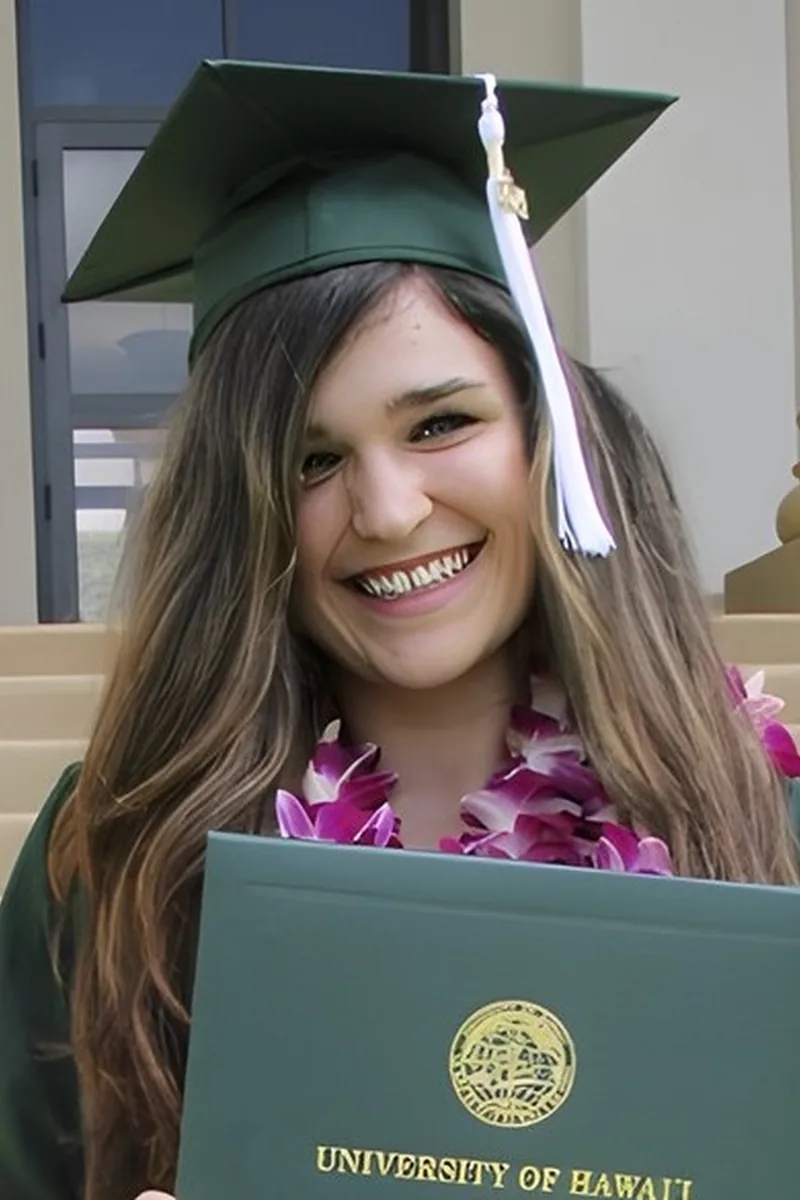
Rhetorical analysis is really about reverse-engineering a writer's choices — why this metaphor, why this structure, why this tone for this audience. Stephanie's English degree and deep background in linguistics give her a precise vocabulary for teaching students to dissect arguments and craft essays that earn high marks on the AP exam's synthesis and argument prompts.

A licensed English 6-12 teacher with a Vanderbilt degree in English Literature, Karen knows the AP Lang exam inside and out — from dissecting rhetorical strategies in nonfiction passages to crafting airtight synthesis and argument essays under time pressure. She teaches students to identify how authors use diction, tone, and structure as persuasive tools, which is the analytical muscle the exam actually tests.
The rhetorical analysis essay on AP Lang is where most students lose points, often because they summarize the author's argument instead of dissecting how it's constructed. Cassandra teaches students to spot specific persuasive moves — appeals to authority, strategic concessions, shifts in diction — and explain their effect on the audience. She's rated 4.9 across her subjects.
Rhetorical analysis is the backbone of AP Lang, and most students struggle not with identifying ethos or logos but with explaining *how* those strategies function in a specific argument. Michelle digs into the synthesis and argument essays as well, showing students how to weave source material into a thesis without letting it take over. Her writing background makes her especially sharp on voice and structure.
AP English Language is where Patrick's two degrees converge perfectly — English Literature gives him deep fluency with rhetorical analysis, while Linguistics gives him the technical vocabulary to explain how syntax, diction, and structure create persuasive effects. He has taught academic writing to students ranging from middle schoolers to university freshmen, so he knows how to build the kind of evidence-driven argumentation the AP exam's free-response questions demand.
Rhetoric is the backbone of AP English Language, and Amy teaches students to dissect how authors use appeals, structure, and diction to build persuasive arguments. Her college-level English training means she can model the kind of sophisticated synthesis and argumentation the exam's free-response questions demand. She also tackles the multiple-choice section by showing students how to read like a writer — noticing choices an author made and why.
AP Lang is ultimately about argument — dissecting how writers use evidence, tone, and structure to persuade, then doing it yourself under timed conditions. Molly's experience editing for newspapers sharpened her ability to evaluate rhetorical choices quickly, and she walks students through synthesis and argument essays with an emphasis on building claims that actually hold up to scrutiny.
AP Lang is fundamentally about rhetoric — how writers persuade, and how to do it yourself. Chang's philosophy training sharpened his ability to dissect argumentative strategies like appeals to ethos, logical concessions, and strategic counterarguments, and he brings that same analytical precision to teaching students how to write and analyze persuasive prose.
AP Lang is really a course in argument — identifying how writers use rhetorical strategies and then deploying those same moves in your own essays. Eric's combination of deep reading habits and formal writing experience means he can dissect a passage's use of ethos, logos, and tone shifts, then coach students through crafting synthesis and argument essays that score well.
A PhD candidate in Comparative Human Development at the University of Chicago, Gabriel reads nonfiction through an interdisciplinary lens — tracking how authors frame evidence, shift registers, and position themselves relative to competing claims. That training in analyzing how arguments actually function across disciplines translates directly to the AP Lang exam's synthesis and rhetorical analysis essays, where students need to explain an author's strategic choices rather than just paraphrase content. Rated 5.0 by students.
Medical anthropology trains you to read dense, argument-driven texts and extract how authors position evidence to support a claim — which is exactly what the AP Lang exam's multiple-choice and rhetorical analysis sections test. Katie applies that analytical rigor to teaching students how to unpack an author's strategic choices in nonfiction prose and then replicate those moves in their own timed essays. Rated 5.0 by students.
Rhetorical analysis is the backbone of AP Lang, and most students struggle not with identifying devices but with explaining *why* an author's choices work on a specific audience. Amanda approaches this through the lens of persuasion psychology — her graduate work in child development at University College London involved analyzing how language shapes perception, which maps directly onto the AP Lang skill set. She's especially sharp on the synthesis essay, where students must juggle multiple sources into a cohesive argument.
AP Lang is ultimately about argument — how writers build it, how readers evaluate it, and how students construct their own on exam day. Ariel unpacks rhetorical strategies like ethos, logos, and kairos in published essays, then applies those same principles when coaching students through synthesis, argument, and rhetorical analysis prompts. Her background in psychology at Brown gives her a sharp eye for how language persuades.
Testimonials
Because the right AP English Language and Composition tutor makes all the difference.
Average Session Rating – Based on 3.4M Learner Ratings
Practice AP English Language and Composition
Free practice tests, flashcards, and AI tutoring for AP English Language and Composition
Nearby AP English Language and Composition Tutors
Other Virginia Beach Tutors
Related English Tutors in Virginia Beach
Frequently Asked Questions
The AP English Language and Composition exam tests your ability to analyze rhetoric, understand argument structure, and write persuasive essays. The exam has three sections: a 1-hour multiple-choice section on reading passages, a 2-hour 40-minute free-response section with three essays (rhetorical analysis, argument, and synthesis), and timed writing under pressure. Success requires strong reading comprehension, analytical thinking, and the ability to construct evidence-based arguments quickly.
Score improvement depends on your starting point and how consistently you apply feedback. Many students see meaningful gains—often 1-2 score points—when they work with a tutor to strengthen specific skills like thesis development, evidence integration, or timed essay pacing. The key is identifying your weakest area (whether it's multiple-choice strategy, argument construction, or synthesis essay skills) and targeting that with focused practice and personalized feedback.
Students typically struggle with three main areas: managing time during the 2-hour 40-minute essay section, understanding the nuances of rhetorical analysis (identifying author's purpose and techniques), and constructing synthesis essays that incorporate multiple sources effectively. Additionally, many students find the multiple-choice section tricky because questions test deep comprehension rather than surface-level reading, requiring careful attention to author's tone and argument structure.
Varsity Tutors connects you with expert tutors who tailor instruction to your specific needs. A typical approach includes analyzing your practice test results to identify weak areas, working through released AP essays with detailed feedback, building time-management strategies for the exam, and practicing under timed conditions. Tutors help you understand the rhetorical analysis framework, strengthen argument construction, and develop confidence in all three essay types.
Practice tests are essential—they reveal your pacing challenges, show which question types trip you up, and help you understand the exam's specific format and expectations. Taking full-length, timed practice tests every 1-2 weeks allows you to build stamina and identify patterns in your errors. Your tutor can review your essays and multiple-choice responses to pinpoint whether you need work on comprehension, analysis, or writing mechanics.
Virginia Beach has 123 schools across 2 school districts, many of which offer AP English Language and Composition courses with strong college-prep traditions. While your school likely provides classroom instruction, personalized tutoring complements that by offering one-on-one feedback on essays, targeted strategy coaching, and flexible scheduling around your school's AP exam prep timeline. Tutors familiar with Virginia Beach's academic standards can help you excel beyond classroom expectations.
Each essay requires a different approach: for rhetorical analysis, focus on identifying the author's purpose and analyzing how specific techniques support that purpose; for the argument essay, develop a clear, defensible thesis and support it with relevant evidence and reasoning; for synthesis, weave multiple sources together to support your own argument rather than simply summarizing them. Practice outlining essays in 5-10 minutes so you can write confidently under time pressure.
Your first session typically focuses on assessment and goal-setting. You'll likely take a practice essay or multiple-choice section so your tutor can evaluate your current strengths and weaknesses, discuss your target score, and understand your timeline before the exam. From there, your tutor will create a personalized study plan that addresses your biggest challenges, whether that's time management, rhetorical analysis skills, or essay structure.
Let’s find your perfect tutor
Answer a few quick questions. We’ll recommend the right plan and match you with a top 5% tutor.