Award-Winning Psychology Tutors
serving Richmond, VA
Psychology
Tutors in Richmond
Private 1-on-1 tutoring, weekly live classes for academic support, test prep & enrichment, practice tests and diagnostics, and more to elevate grades and test scores.
Based on 3.4M Learner Ratings
UniversitiesSchools & Universities
DeliveredHours Delivered
ProficiencyGrowth in Proficiency
Who needs tutoring?
No obligation. Takes ~1 minute.
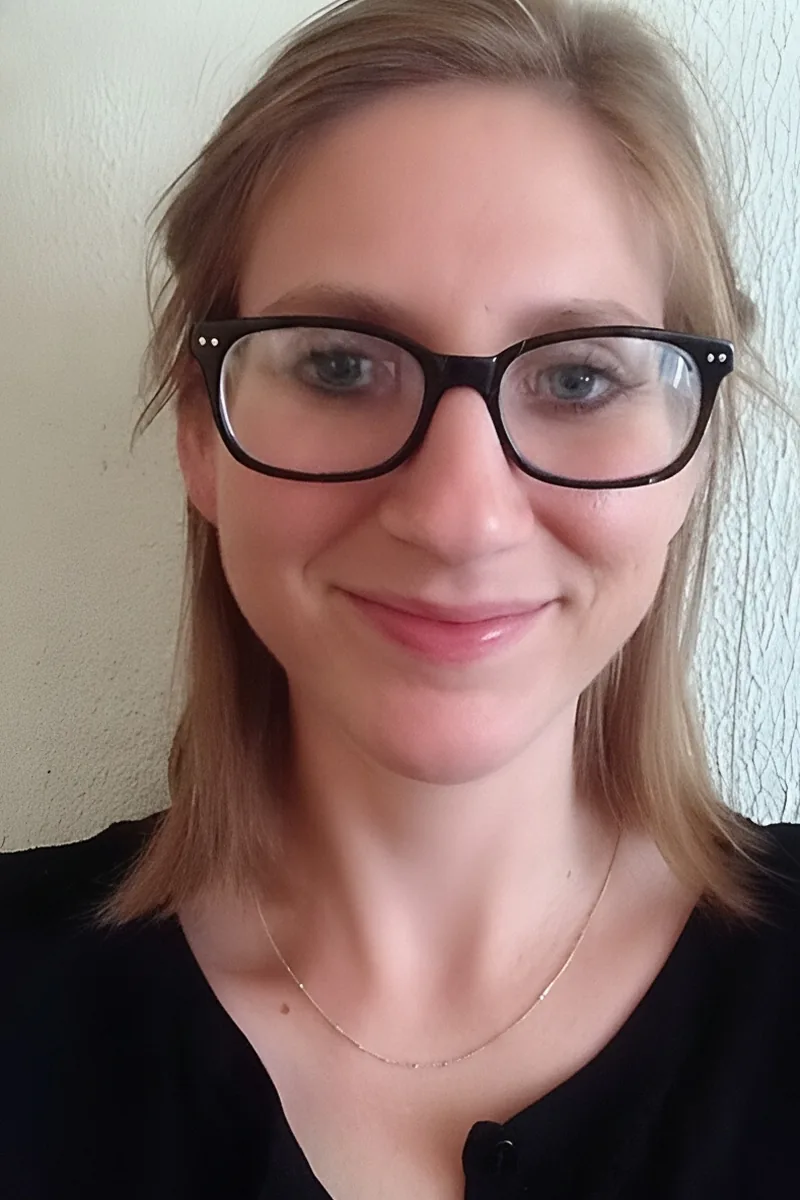
An undergraduate degree in cognitive science and psychology means Briana didn't just survey the field — she dug into research methods, cognitive development, abnormal psych, and the biological bases of behavior. She's especially sharp at breaking down experimental design and helping students interpret studies rather than just summarizing them. That research literacy translates directly into stronger lab reports and exam performance.
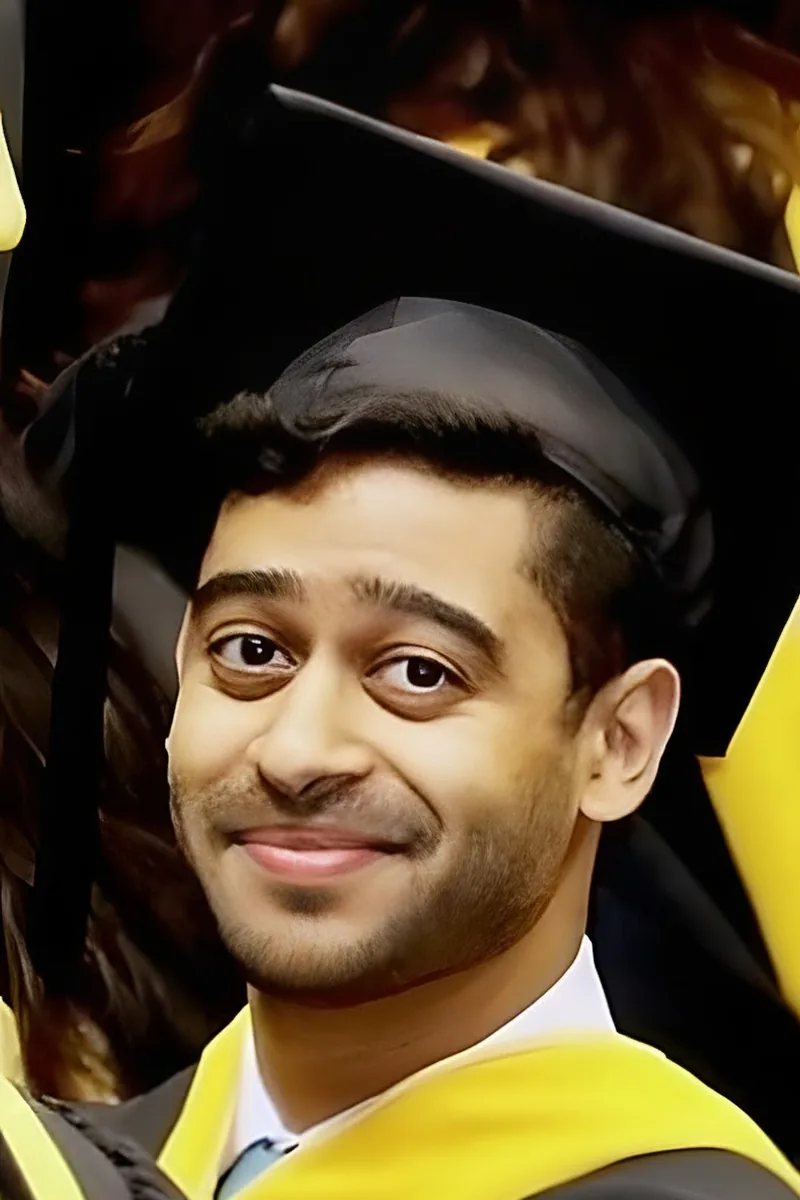
Pre-med coursework at VCU meant Anurag studied psychology alongside biology — covering topics like neurotransmitter pathways, conditioning models, and developmental theory with an eye toward how they connect to real clinical scenarios. His background as a medical scribe reinforces that link between psychological concepts and observable patient behavior, which makes abstract theories like Erikson's stages or the biopsychosocial model easier to internalize.
Having studied psychology as part of his interdisciplinary undergraduate degree, Kyle approaches the subject through the lens of its big questions — how cognition shapes behavior, where nature and nurture intersect, what drives social conformity. He's particularly sharp at breaking down research methodology and statistical reasoning, skills that trip up many psych students when they encounter experimental design and data interpretation for the first time.
Cognitive science and psychology share deep roots in perception, memory, and decision-making, so Megan doesn't just teach psych concepts — she's studied the underlying mechanisms at UVA. She's especially sharp on topics like classical conditioning, cognitive biases, and research methodology, and she tailors explanations to how each student best absorbs new information.
Andrea's literature background means she reads psychology the way it should be read — as an argument built on evidence, not just a set of terms to memorize. She breaks down key frameworks like classical conditioning, cognitive development stages, and social psychology experiments by connecting them to the original studies and their real-world implications. Her CLEP Introductory Psychology experience gives her a clear sense of what concepts students struggle with most.
I am a second-year student at Virginia Commonwealth University's Honors College. I am double majoring in Biology and Bioinformatics with a concentration in biological/genomic sciences and minoring in chemistry on the pre-medicine track.
Samantha earned her bachelor's degree in psychology, so she teaches the subject with the depth of someone who has studied it systematically — not just skimmed a textbook chapter. She digs into the major frameworks (behavioral, cognitive, psychodynamic) and shows how they apply to real experiments and case studies, from Milgram's obedience research to modern neuroscience findings. That conceptual grounding makes AP Psych free-response questions far more manageable.
Studying psychology as part of her major at the University of Pittsburgh, Raksha digs into the material daily — from classical conditioning and cognitive development to research methods and statistical design. She's especially good at explaining how psychological theories connect to the experiments that produced them, which makes both AP Psych and introductory college courses far easier to retain. Her biochemistry training also strengthens her coverage of biological bases of behavior.
Frances earned her bachelor's degree in psychology from Duke, which means she isn't just teaching vocabulary terms like "classical conditioning" or "cognitive dissonance" — she studied the research methods, statistical reasoning, and theoretical frameworks behind them. She connects textbook concepts to real experimental designs so students understand not just what psychologists found, but how they found it and why it matters.
Studying the biological basis of behavior at Penn means Natalie lives at the intersection of brain science and psychology every day. She unpacks topics like classical conditioning, cognitive development, and abnormal psychology by tying them back to the neural mechanisms that make behavior happen. That dual perspective — biological and psychological — makes abstract theories feel concrete and testable.
Studying psychology at Brown means Ariel isn't just teaching from a textbook — she's actively immersed in the discipline, from research methods and statistical analysis to theories of cognition and behavior. She breaks down dense concepts like operant conditioning paradigms or the biological bases of memory into concrete, testable ideas. Rated 5.0 by students.
Bidyut's biomedical engineering background at Johns Hopkins overlaps heavily with psychology's biological foundations — neurotransmitter pathways, brain anatomy, and the physiological basis of behavior. He unpacks concepts like classical conditioning, cognitive development stages, and research methodology by grounding them in the science behind how the brain actually works.
Rachel's public health training at Johns Hopkins required deep engagement with psychological research methods, behavioral theory, and how social environments shape cognition and decision-making. She unpacks concepts like operant conditioning, cognitive biases, and research design by tying them to real scenarios — the kind of everyday connections that make psychology's vocabulary and frameworks easier to retain.
An English major at Penn with a minor in art history, Amy approaches psychology's reading-heavy coursework — interpreting research studies, parsing theoretical arguments, building structured essay responses — with the same close-reading instincts she applies to literature. She's particularly effective at teaching students how to break down the language of psychological studies and translate dense findings into clear, well-organized written analysis.
Julie's neuroscience degree gives her a biological grounding that makes topics like memory formation, neural plasticity, and the mechanisms behind psychological disorders feel concrete rather than abstract. She connects the major theoretical frameworks — behavioral, cognitive, psychodynamic — to the underlying brain science, which tends to make the material stick. Rated 5.0 by students.
Understanding the difference between classical and operant conditioning sounds simple until an exam asks you to design an experiment using one of them. Ian digs into psychology's core theories and research methods with a scientist's precision, drawing on his premed training to make the biological and cognitive sides of the subject click. He holds a 5.0 rating from students.
Holding a master's degree in research and experimental psychology, Yi has firsthand experience designing studies, analyzing behavioral data, and navigating the theoretical frameworks — from cognitive to developmental — that underpin the field. She unpacks concepts like operant conditioning, statistical significance, and research ethics in ways that connect textbook definitions to how psychologists actually work.
Earning a degree in Brain, Behavior, and Cognitive Science from the University of Michigan means Corey didn't just study psychology — he lived in the research that underpins it, from neural mechanisms of learning to behavioral decision-making models. He unpacks topics like memory encoding, classical conditioning, and cognitive biases by tying textbook concepts back to the experimental evidence that produced them.
Holding a bachelor's degree in psychology, Niabari digs into the subject with real depth — whether that's distinguishing classical from operant conditioning, unpacking research methodology, or explaining the biological basis of memory. She connects textbook theories to recognizable, everyday examples that make concepts like cognitive dissonance or attachment styles genuinely stick.
Understanding psychology means seeing how biological processes, cognitive patterns, and social environments interact — and Todd has formal training in all three. His biology undergraduate work at UIUC grounds his teaching in neuroscience and research design, while his MSW from the University of Chicago deepens his explanations of topics like therapeutic modalities, personality theory, and psychopathology.
Testimonials
Because the right Psychology tutor makes all the difference.
Average Session Rating – Based on 3.4M Learner Ratings
Other Richmond Tutors
Related Social Sciences Tutors in Richmond
Frequently Asked Questions
Your first session is an opportunity to connect with a tutor and establish your learning goals. The tutor will assess your current understanding of psychology concepts, identify specific areas where you need support—whether that's understanding research methods, memorizing theories, or applying concepts to real-world scenarios—and create a personalized plan tailored to your needs. This foundation helps ensure every subsequent session builds directly on what matters most to your success.
Many psychology students struggle with three key areas: mastering the sheer volume of theories and theorists (Freud, Piaget, Bandura, etc.), understanding research methodology and statistics, and applying abstract psychological concepts to concrete situations. Additionally, students often find it challenging to distinguish between similar theories or to remember which psychologist proposed which idea. Personalized instruction helps you develop strategies to organize this information and connect concepts meaningfully rather than memorizing in isolation.
Tutors working with students in Richmond are familiar with Virginia Standards of Learning (SOL) requirements and the psychology courses offered across the city's 8 school districts. Whether you're in an introductory psychology class, AP Psychology, or a college-level course, tutors can align their instruction with your specific curriculum, textbook, and teacher's expectations. This ensures your tutoring directly supports your classroom success and test performance.
Yes. AP Psychology tutors focus on the College Board's curriculum framework, helping you master the 9 major units, understand research design and statistics, and practice with released exam questions. Tutors can help you develop efficient study strategies for the exam's mix of multiple-choice and free-response questions, and identify which content areas need the most attention based on your practice test performance.
In a typical Richmond classroom with a 14:1 student-teacher ratio, instruction moves at a pace designed for the average student. Personalized tutoring adapts entirely to your learning speed and style—if you need to spend three sessions on classical conditioning before moving forward, you can. Tutors can also use teaching methods that work best for you, whether that's visual diagrams for brain structures, discussion for ethical debates, or practice problems for research methods, rather than the one-size-fits-all approach of a classroom.
Research methods and statistics are abstract concepts that require you to understand experimental design, variables, sampling, and data interpretation—skills that aren't intuitive for most students. Many psychology courses compress this material quickly, leaving students confused about concepts like validity, reliability, and statistical significance. A tutor can break these ideas into manageable pieces, use concrete examples, and help you practice applying methods to real studies until they click.
Rather than memorizing theories in isolation, effective learning involves organizing them by theme—grouping theories about memory, development, or mental health so you understand how different psychologists approached similar questions. Tutors help you create mental frameworks, use comparison charts, and connect theories to real-world examples, making the material more meaningful and memorable. Spaced repetition and retrieval practice—reviewing material over time and testing yourself—also strengthen long-term retention far better than cramming.
Absolutely. College psychology courses move faster and expect deeper analysis than high school versions. Tutors can help you develop the critical thinking skills needed to evaluate research, understand complex theories, and write strong essays—skills that directly transfer to college success. Whether you're preparing for a college course or already enrolled, personalized instruction ensures you build a solid foundation and develop the independent learning strategies college demands.
Let’s find your perfect tutor
Answer a few quick questions. We’ll recommend the right plan and match you with a top 5% tutor.