Award-Winning Reading Tutors
serving McAllen, TX
Reading
Tutors in McAllen
Private 1-on-1 tutoring, weekly live classes for academic support, test prep & enrichment, practice tests and diagnostics, and more to elevate grades and test scores.
Based on 3.4M Learner Ratings
UniversitiesSchools & Universities
DeliveredHours Delivered
ProficiencyGrowth in Proficiency
Who needs tutoring?
No obligation. Takes ~1 minute.
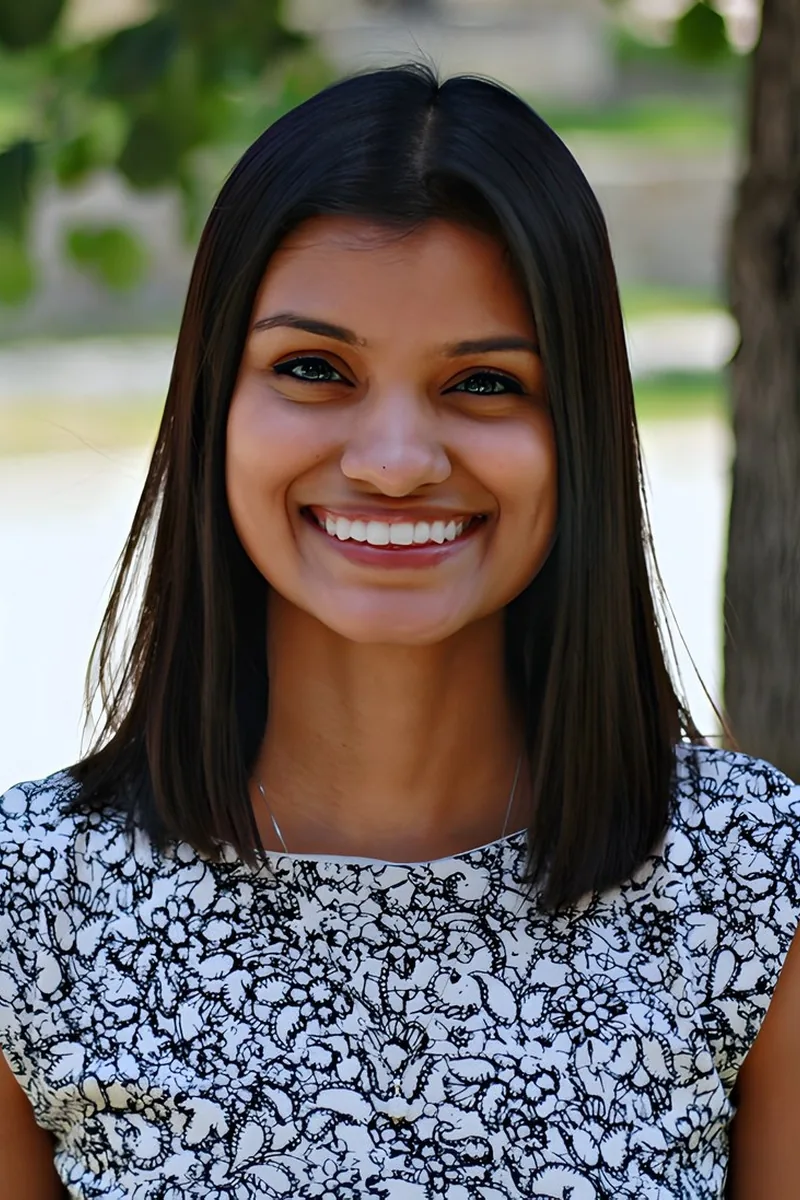
A background in cognitive science means Sugi understands how the brain processes text — why some students lose track of an author's argument mid-paragraph, and what strategies actually improve comprehension and retention. She teaches concrete techniques like annotation mapping and active questioning that turn passive reading into engaged analysis. Her perfect ACT score confirms she practices what she teaches.
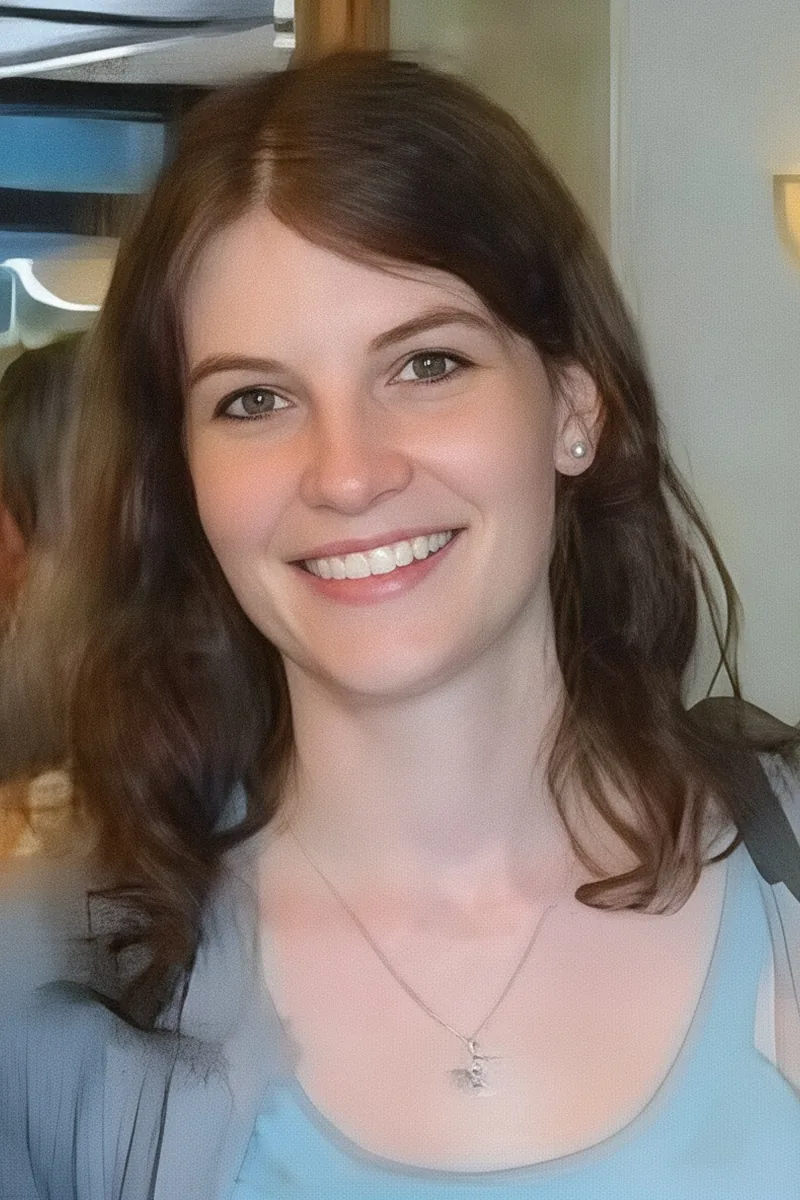
Years of analyzing dense academic texts in art history and archaeology trained Elena to extract key arguments quickly, distinguish main ideas from supporting detail, and recognize how authors structure their reasoning. She applies those same active-reading strategies to students working on comprehension — teaching them to annotate effectively, identify context clues for unfamiliar vocabulary, and summarize passages in their own words before answering questions.
Strong reading comprehension isn't just decoding words — it's learning to track an author's argument, distinguish main claims from supporting details, and make inferences from context. Chloe's linguistics minor trained her to analyze how language works at a structural level, which she translates into practical strategies for annotating, summarizing, and engaging with complex texts.
Strong reading comprehension comes down to active engagement — knowing how to identify an author's purpose, track key details, and make inferences without overthinking. Aditi teaches specific annotation strategies and question-attack techniques that give students a repeatable system for understanding both fiction and nonfiction passages.
Building real reading skill means going beyond decoding words to understanding how sentences connect into arguments, how paragraphs build on each other, and how context clues unlock unfamiliar vocabulary. Iselee uses active reading strategies — predicting, summarizing, questioning — that turn passive page-scanning into genuine comprehension. She's rated 4.8 across the subjects she teaches.
I am an Atlanta native. I hold an undergraduate degree in Business from Tennessee State University and graduated degree in Education from Cambridge College. I am a Georgia and Texas certified teacher. I have always enjoyed working with kids. I have taught kindergarten, first, second and fourth grade. I am a hard-worker, team player and passionate about my students succeeding in whatever they set their minds too. I currently hold endorsements in K-5 Mathematics, Teacher Support Specialist, and ESOL (English for Speakers of Other Languages). I am able to provide instruction that meets the needs of all students. I have the ability to differentiate instruction so that I cater to all learning styles and levels.
A Classics degree with a Greek focus and a master's in Ancient History means Emily has spent years decoding texts where a single word can carry layers of cultural, grammatical, and narrative meaning — training that sharpens how she teaches modern reading comprehension, too. She shows students how to track what an author is doing structurally, whether it's a middle school novel or a nonfiction passage, so they stop passively scanning and start genuinely following the argument. Rated 5.0 by students.
Juggling an Economics and Biochemistry double major at Rice means Jennifer switches between financial analyses and molecular biology papers daily — two genres that demand completely different reading strategies. She teaches students how to adapt their approach based on what's in front of them, whether that's pulling data from a chart-heavy textbook chapter or tracking a narrative arc through a novel. Rated 4.9 by students.
Breaking down a complex passage requires knowing what to look for — how an author signals a shift in tone, buries a counterargument, or builds meaning through repetition. John tackles reading comprehension by teaching annotation strategies and close-reading techniques that make dense texts manageable. His 4.9 rating speaks to how well those skills transfer across fiction, nonfiction, and standardized test passages.
Comprehension improves dramatically once a student learns to read actively — annotating, questioning the author's choices, and connecting new information to what they already know. Malcolm applies these strategies across fiction and nonfiction, teaching students to identify main ideas, evaluate arguments, and make inferences rather than just scanning for surface-level answers. His own reading habits range widely, from scientific literature to novels, which keeps his approach flexible.
Books, hiking guides, movie scripts — Madeline reads voraciously across formats, and her History major at Texas A&M means she spends most of her week pulling arguments and evidence out of dense primary sources. She brings that same analytical habit to reading sessions, teaching students how to identify what a passage is actually saying by breaking it into smaller, manageable pieces and asking targeted questions about each one. Her 1470 SAT reflects the kind of disciplined, strategic reading she passes along.
An honors English graduate from Westmont College and a lifelong reader, Andria breaks down reading comprehension into concrete skills — identifying an author's purpose, tracking how arguments develop across paragraphs, and making inferences from context clues. She tailors her approach to each student's reading level, whether they're building fluency or learning to analyze more complex texts.
Struggling readers often lose confidence before they lose interest, so Kim zeroes in on the specific skill that's causing the breakdown — whether that's decoding multisyllabic words, tracking main ideas across paragraphs, or making inferences from context clues. Her approach adapts to each student's reading level and builds fluency and comprehension in tandem.
Whether a student struggles with reading speed, comprehension, or pulling meaning from complex texts, Rachel pinpoints the specific bottleneck and addresses it directly. She teaches active reading strategies like annotation, summarization after each paragraph, and identifying an author's purpose before diving into details. Her self-described love of reading comes through in sessions that make even reluctant readers more confident.
Years of analyzing dense art history texts at Vanderbilt trained Sarah to break down complex passages quickly — identifying an author's argument, tracking how evidence supports it, and recognizing rhetorical moves. She brings that same close-reading discipline to students working on comprehension, annotation strategies, and pulling meaning from unfamiliar material.
Bioengineering textbooks don't let you skim — every diagram caption, every methods section, every results paragraph demands that you actually extract meaning or you're lost. Casey learned to read that way through three science degrees, and she applies that same discipline to teaching comprehension: breaking a passage into its moving parts, identifying what the author wants you to take away, and building the habit of reading actively instead of passively scanning. Her background in writing and literature rounds out the technical side with an ear for tone and style.
Breaking down a dense passage starts with knowing what to look for — main claims, shifts in tone, the way an author structures evidence. Jocelyn teaches active reading strategies that turn a wall of text into something students can annotate, question, and actually retain. She's worked with readers at every level, from those building basic comprehension to advanced students tackling complex literary analysis.
Toni approaches reading as an active, questioning process — annotating for patterns, tracking an author's rhetorical moves, and distinguishing between what a text says and what it implies. Her MA in English and college teaching experience make her especially effective at building the kind of close-reading habits that transfer across fiction, nonfiction, and academic texts.
Growing up as the oldest of five meant Nathan was explaining stories, breaking down passages, and answering "but what does that mean?" long before he started tutoring — and his dual focus on History and Neuroscience at Rice keeps him reading across genres that demand very different comprehension strategies. He teaches students to approach a text with purpose: identifying what the author is building toward, connecting unfamiliar vocabulary to context clues, and knowing when to slow down versus when to skim. Rated 5.0 by students.
Strong readers don't just decode words on a page — they track an author's reasoning, question assumptions, and connect ideas across paragraphs. Jessalyn teaches a college ethics course at St. Edward's University built entirely around close reading of dense philosophical texts, which means she's practiced at showing students how to slow down, annotate strategically, and pull meaning from challenging material. That approach works whether the text is a novel or a science article.
A Cornell English and Film double major, Natalie learned to read two ways at once — pulling apart written arguments for their logic and structure while also reading visual narratives for subtext and implication. That dual training shows up in how she teaches comprehension: students learn to track what a writer is doing with tone, pacing, and word choice rather than passively absorbing sentences. Her 1560 SAT and 5.0 rating speak for themselves.
A Human Biology background means Angela spent her undergrad buried in research articles and dense textbook chapters where misreading one clause could derail an entire lab report — the kind of high-stakes reading that builds real comprehension habits. She brings that same precision to teaching students how to break apart complex sentences, track an author's main claim, and figure out unfamiliar vocabulary from context clues. Her 4.9 rating and 1550 SAT speak to how well that analytical approach transfers.
Three years volunteering and teaching kids ages 3–12 in a nonprofit setting meant Frances was constantly adapting how she presented stories, instructions, and new vocabulary to readers at wildly different levels — some just learning to connect letters to sounds, others ready to summarize a chapter on their own. That experience, paired with her Rice University training in analytical thinking, gives her a structured but flexible approach to building comprehension skills one concrete step at a time. Rated 5.0 by students.
A linguistics master's degree means John spent years studying how language actually works — how sounds become words, how words carry meaning, and how readers unconsciously process all of it in real time. He brings that structural understanding to reading sessions, teaching students to decode unfamiliar vocabulary through morphology (roots, prefixes, suffixes) and to follow how a writer's sentence-level choices shape the meaning of a whole passage. Rated 4.8 by students.
Psychology training at Rice sharpened Enstin's ability to read critically — pulling apart an author's assumptions, identifying how arguments are structured, and distinguishing evidence from opinion. He applies those same analytical habits when teaching reading comprehension, showing students how to annotate actively and extract meaning from dense or unfamiliar texts.
Strong reading instruction looks different at every level, and JeKaya's experience across Pre-K through fifth grade means she can adapt quickly — whether a student needs support with decoding, fluency, or deeper comprehension strategies like making inferences and identifying main ideas. She uses targeted questioning during reading to build the kind of active thinking that turns a reluctant reader into an engaged one.
Strong reading comprehension comes down to knowing what to look for before you start — main claims, supporting evidence, tone shifts, and structural cues. Daniel teaches students to annotate actively rather than passively re-reading, building the kind of strategic reading habits that transfer across subjects from English class to standardized tests.
Kathleen's path from K-2 literacy tutoring to kindergarten teaching to a master's in Education gave her a front-row seat to how reading develops — from early phonics and decoding all the way through paragraph-level comprehension. She uses that developmental lens to pinpoint exactly where a student's reading process breaks down and builds targeted practice around it, whether that's fluency, vocabulary in context, or tracking an author's main idea across a longer passage. Rated 5.0 by students.
Struggling readers often aren't missing intelligence — they're missing strategies. Jessie, a certified ELA teacher for grades 7–12, breaks reading into concrete skills: annotating for main ideas, making inferences from context clues, and distinguishing an author's argument from supporting evidence. She also prioritizes finding texts students genuinely want to read, which builds the stamina that standardized-test passages alone never develop.
An avid reader herself, Peyton tackles reading comprehension by teaching students how to identify an author's argument structure — distinguishing main claims from supporting evidence and recognizing how tone shifts across a passage. Her analytical training in chemistry translates surprisingly well to breaking down dense, unfamiliar texts.
Strong reading skills come down to knowing what to do when a passage gets confusing — how to reread strategically, identify an author's purpose, and distinguish main ideas from supporting details. Siyu breaks down these strategies explicitly, giving students a toolkit they can apply to any text they encounter.
Finishing a book a week — a habit Mostafa has maintained for years — builds the kind of fluency that's hard to fake: he reads fast, retains details, and naturally picks up on how different authors structure their ideas. His engineering background adds an analytical edge, teaching students to break a passage into its moving parts and figure out how each paragraph connects to the next. The religion degree deepens that further, since theological texts demand careful attention to layered meaning and interpretation.
Juggling a biochemistry and English double major at Rice means Natalie reads across two worlds every day — one where a misread lab protocol ruins an experiment, another where a missed metaphor unravels a whole essay argument. That range makes her especially good at teaching students to adjust how they read depending on what they're reading, whether it's pulling key details from an informational passage or tracking a narrator's shifting perspective in fiction. Her 1560 SAT reflects the kind of precise, adaptable reading she brings to sessions.
German fluency, a Contemporary Studies degree, and years tutoring ESL/ELL learners gave Kristina an unusually sharp eye for how language actually works on the page — she knows what trips up readers who are still building vocabulary, and she knows what trips up readers who decode fine but lose the thread of meaning. She teaches students to actively question a text as they go: what's the author setting up, what details matter, and what can be safely skimmed. Rated 5.0 by students.
Stronger reading starts with active engagement — annotating, questioning the author's purpose, and connecting new information to what you already know. Kari builds these habits into every session, whether a student is working through a dense nonfiction article or a challenging novel chapter.
Twelve years splitting time between elementary classrooms and special education taught Elizabeth something specific: a student who can decode every word on the page isn't necessarily comprehending what they read, and the fix looks different depending on where the disconnect happens. She digs into whether the issue is vocabulary, sequencing, or making inferences — then builds practice around that particular gap. Rated 5.0 by students.
Scoring in the 99th percentile on both the ACT Reading and SAT Reading sections, Anuj developed specific strategies for tackling dense passages under time pressure. He teaches students to identify an author's argument structure, distinguish main ideas from supporting details, and eliminate wrong answer choices efficiently. Those same active-reading techniques translate directly to classroom assignments and standardized tests alike.
I am qualified to tutor many subjects, my favorite subject by far is math, specifically calculus. Math is a subject almost universally hated, and I believe that is mainly due to the narrow way in which it is taught. I have ADHD, and I often don't understand things the first time they are explained to me, meaning over the years I have had to figure out different ways of looking at information. Oftentimes, all a student needs is for something to be explained in a different way, and I love watching people finally understand a concept. Everyone learns differently, but everyone can learn.
A certified Texas Language Arts and Special Education teacher with an English degree from the University of Colorado — where he earned Honors distinction studying James Joyce — Steve knows how to adjust his reading instruction for the student in front of him, whether that's a kid who needs help decoding or a high schooler who can't figure out what an author is doing between the lines. His five years in corporate account management before switching to education gave him a practical edge: he teaches students to read for specific information and purpose, the way you'd read a contract or a brief, not just to get through the assignment.
Strong readers don't just decode words — they track an author's argument, anticipate where it's going, and question what's missing. Arlin unpacks reading comprehension by teaching students to annotate actively, identify main claims versus supporting details, and summarize passages in their own words before answering questions. His approach builds the kind of close-reading instincts that transfer across every subject.
Testimonials
Because the right Reading tutor makes all the difference.
Average Session Rating – Based on 3.4M Learner Ratings
Nearby Reading Tutors
Other McAllen Tutors
Related English Tutors in McAllen
Frequently Asked Questions
Many students struggle with reading comprehension, particularly when tackling complex texts or dense material. Others find it difficult to analyze what they read—understanding themes, making inferences, and supporting interpretations with evidence from the text. Personalized tutoring helps students develop active reading strategies, build vocabulary, and strengthen their ability to engage critically with different types of texts.
Expert tutors work with students to develop foundational skills like decoding, fluency, and vocabulary while also teaching comprehension strategies such as previewing, questioning, and summarizing. They provide personalized feedback on how well your child understands what they read and adjust instruction based on their specific needs. With one-on-one attention, tutors can identify gaps and build confidence in a way that's difficult in a classroom setting with a 14.6:1 student-teacher ratio.
Literary analysis requires students to examine how authors use techniques like symbolism, tone, characterization, and plot structure to create meaning. It's about moving beyond plot summary to understand why an author made specific choices and how those choices affect the reader. Tutors guide students through close reading practices, help them develop strong thesis statements about texts, and teach them how to support interpretations with textual evidence.
The first session is an opportunity for the tutor to understand your child's current reading level, identify specific challenges, and learn about their goals. The tutor may assess comprehension through discussion, ask about favorite texts, and explore what strategies have or haven't worked in the past. This personalized approach helps create a targeted plan that addresses your child's unique needs rather than a one-size-fits-all approach.
Yes. Tutors work with students across all reading levels—from those building foundational decoding skills to advanced readers preparing for AP Literature or college-level coursework. Whether your child needs support with fluency, comprehension, or sophisticated literary analysis, personalized instruction can be tailored to meet them where they are. This flexibility is one of the key advantages of working with an expert tutor one-on-one.
Varsity Tutors connects you with expert tutors who specialize in reading instruction and understand the needs of students in McAllen. After you share information about your child's grade level, reading challenges, and goals, we match them with a tutor who fits their learning style and schedule. You can then start personalized instruction designed to build confidence and improve reading skills.
Vocabulary is foundational to reading comprehension—students who know more words understand texts more easily and can engage in deeper analysis. Tutors help students build vocabulary through context clues, word roots, and strategic study, rather than just memorizing lists. A stronger vocabulary also improves a student's ability to express their own ideas clearly, both in writing and discussion.
When students receive one-on-one attention, they can ask questions without worry and work at their own pace without feeling rushed or left behind. Tutors celebrate progress, provide constructive feedback, and help students see themselves as capable readers. This personalized encouragement, combined with targeted skill-building, helps students develop the confidence to tackle challenging texts and take intellectual risks in their reading.
Let’s find your perfect tutor
Answer a few quick questions. We’ll recommend the right plan and match you with a top 5% tutor.