Award-Winning History Tutors
serving Houston, TX
History
Tutors in Houston
Private 1-on-1 tutoring, weekly live classes for academic support, test prep & enrichment, practice tests and diagnostics, and more to elevate grades and test scores.
Based on 3.4M Learner Ratings
UniversitiesSchools & Universities
DeliveredHours Delivered
ProficiencyGrowth in Proficiency
Who needs tutoring?
No obligation. Takes ~1 minute.

Medical school at Baylor means Michelle spends her days parsing case studies — weighing evidence, identifying what led to what, and building an argument for a diagnosis. That same diagnostic thinking applies directly to history essays and DBQs, where she teaches students to trace causal chains through primary sources rather than summarize events in order. Her biochemistry background at Rice also built the kind of close-reading stamina that dense historical texts demand.
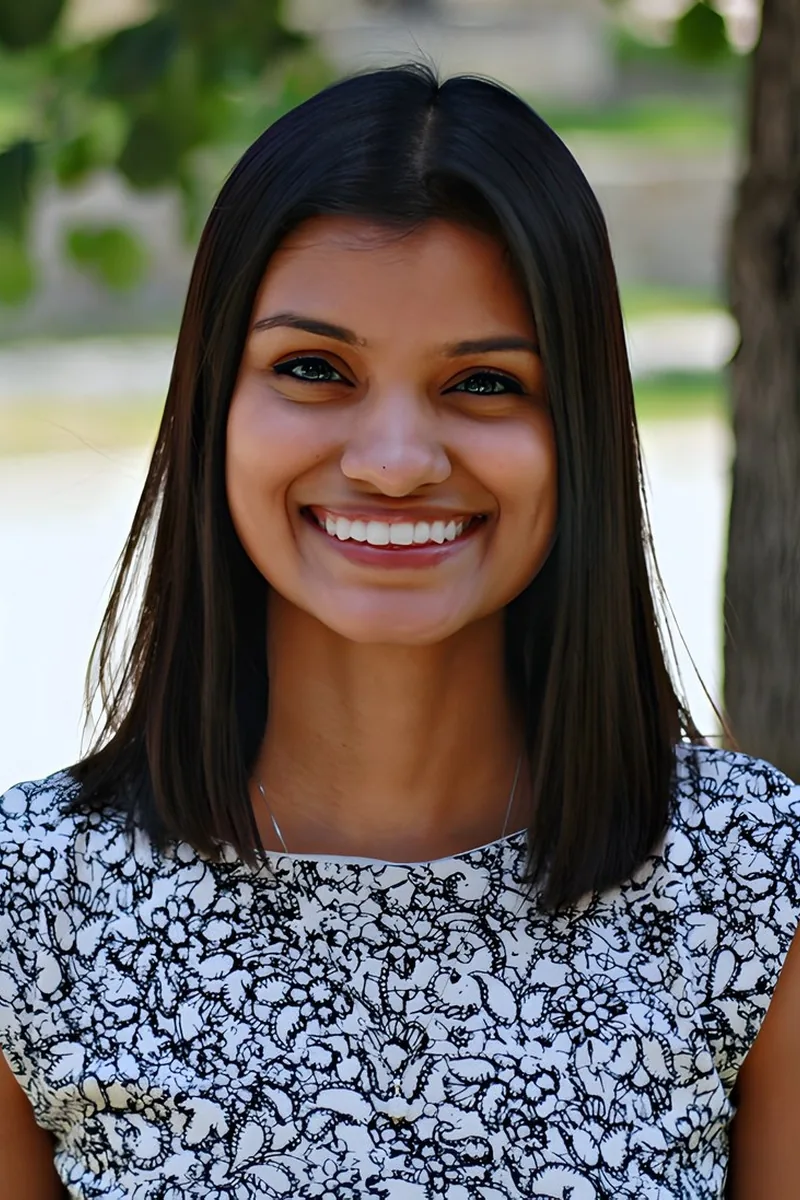
Serving on admissions committees at both Rice and Baylor College of Medicine trained Sugi to evaluate how people construct narratives from evidence — the same skill that separates strong history students from ones who just recite facts. Her cognitive science background adds a layer most history tutors lack: she teaches students to recognize how memory, perception, and bias shaped the way historical actors interpreted their own moments. Rated 5.0 by students.
Elena treats history as an exercise in evidence-based reasoning, not a list of names and dates to memorize. Her training at Washington University and SMU — spanning ancient archaeology through modern political history — means she can move fluidly between eras while teaching students to ask the questions real historians ask: who created this source, why, and what does it leave out?
A biophysics major at Rice, Aadith isn't the obvious pick for history — but his science training translates surprisingly well when it comes to structuring an argument and weighing evidence critically. He teaches students to break down essay prompts and build responses that tie specific events to larger themes, rather than listing everything they remember. His 1590 SAT score speaks to the kind of close reading and reasoning that history coursework demands.
Jessy approaches history as a discipline built on reading and argumentation rather than memorization of dates. She teaches students to evaluate primary sources, identify cause-and-effect relationships, and write document-based responses that demonstrate genuine historical thinking. Her broad background in both sciences and humanities at Rice gives her a knack for making connections across time periods.
Cognitive science at Rice trained Adam to ask how people think, perceive, and make decisions — questions that turn out to be the interesting ones in history, too, especially when analyzing why movements gained traction or why leaders miscalculated. He brings that framework to document analysis and essay writing, pushing students to ground their arguments in how ideas actually spread through populations rather than just narrating a sequence of events.
College essays taught William something applicable to history: how to build a compelling argument from specific, well-chosen evidence under tight constraints. As a CS and math student at Rice, he brings a programmer's instinct for logical structure to historical writing — outlining causal chains and organizing document-based responses the way he'd architect clean code. He's best suited for students who need help turning what they know into clearly structured essays and exam answers.
Sajel studies social policy analysis at Rice, which means she spends most of her coursework examining how historical forces — migration, public health crises, political movements — shape the policies we live under today. That background makes her especially effective at teaching students to analyze cause and effect, evaluate primary sources, and write document-based essays. She treats history as an argument to be constructed, not a list of dates to memorize.
Applied mathematics at Rice trains you to model complex systems by isolating the variables that actually matter — a habit Alexander carries into history, where he teaches students to cut through surface-level narratives and build causal arguments about why events unfolded the way they did. His mathematical economics coursework, heavy on political economy and institutional analysis, gives him concrete frameworks for topics like industrialization, trade conflicts, and policy-driven social change that go well beyond memorizing dates.
Liz approaches history as an exercise in understanding why people made the choices they did — which draws directly on her psychology training. Instead of memorizing dates and treaties in isolation, she teaches students to analyze cause-and-effect chains and evaluate primary sources for bias, skills that pay off on document-based questions and analytical essays alike.
Computational math training at Rice built Vinson's instinct for spotting patterns in complex systems — an approach he brings to history by teaching students to identify recurring structural forces (economic pressure, ideological shifts, power vacuums) behind seemingly unrelated events. That analytical habit is especially useful for document-based questions, where pulling a coherent argument from multiple sources rewards systematic thinking over surface-level recall. Rated 4.8 by students.
Reading and writing are at the center of every history class, and Raj's heavy diet of literature, essay writing, and analytical reading — reflected in his 36 ACT — means he's comfortable coaching students through the kind of source analysis and argumentative writing that history exams actually test. His biochemistry training at Rice also built a specific habit worth borrowing: pulling the key claim out of a dense, unfamiliar text and evaluating whether the evidence supports it.
Editing for multiple newspapers trained Molly to do exactly what history assignments demand: cut through a pile of sources, find the throughline, and build a persuasive argument around it. Her communications background means she approaches historical writing as rhetoric — teaching students to analyze how documents were crafted to persuade, not just what they describe. That editorial instinct is especially useful for document-based questions where distinguishing argument from information is the whole game.
Kendall's study of Women, Gender, and Sexuality means she already thinks about history the way college-level courses expect — examining how power structures, social norms, and marginalized voices shaped the events that textbooks often flatten into bullet points. That training makes her especially effective at teaching students to craft arguments around themes like identity, reform movements, and institutional change rather than just recounting what happened. Rated 4.9 by students.
Jennifer treats history less as a list of dates and more as a series of cause-and-effect chains — why did this policy lead to that revolution, and who benefited? Her economics training at Rice makes her especially sharp on topics like industrialization, trade policy, and the economic forces behind major political shifts.
Reading history well means evaluating sources the same way a scientist evaluates data — asking who produced it, why, and what's missing. Emily applies that analytical lens to help students move past surface-level summaries and craft arguments grounded in evidence. Her wide reading habits and writing experience make her especially effective at teaching document-based essays.
Lab science at Johns Hopkins drills one thing relentlessly: read primary evidence, figure out what it actually supports, and defend your interpretation against scrutiny. Emmanuel brings that same evidence-first discipline to history, teaching students to build document-based arguments around cause and motivation rather than defaulting to chronological recaps. Rated 5.0 by students.
Theresa's primary training is in biomedical engineering, not history — but her global health work at Rice immersed her in the social, political, and economic contexts behind public health crises across different eras and regions. She brings that interdisciplinary perspective to history tutoring, especially when it comes to constructing evidence-based arguments and analyzing primary sources.
Amanda treats history as a subject built on reading and argumentation, not memorization of dates. Her language-education training makes her especially good at teaching students to decode primary sources and write clear, evidence-driven responses — the exact skills that middle and high school history courses increasingly demand.
Caio studies sociology and history at Rice University, where he's trained to analyze how political movements, economic systems, and cultural shifts shaped the modern world. That dual lens means he teaches history as interconnected cause-and-effect chains — connecting, say, industrialization to imperialism to decolonization — rather than treating each era as an isolated set of facts to memorize.
Cognitive neuroscience trains you to understand why people think and act the way they do — which turns out to be exactly the question at the heart of good historical analysis. Giovanna applies that behavioral lens to help students unpack social movements, cultural shifts, and political decisions in ways that make the past feel psychologically real. Her sociology minor and native Spanish fluency also give her a strong handle on Latin American and cross-cultural history topics.
A biochemistry major at Rice learns to read primary literature critically — pulling apart methodology, questioning conclusions, and building arguments from evidence. Malcolm brings that same disciplined reading to history, where he teaches students to treat primary sources like data: something to interrogate and argue from, not just summarize. His 1520 SAT reflects the kind of analytical reading and writing precision that document-based questions reward.
Mingee approaches history as an exercise in reading sources critically — identifying bias, evaluating context, and constructing arguments from evidence rather than simply memorizing dates and names. Her broad background in both sciences and humanities gives her a cross-disciplinary lens that makes connections between economic, social, and political forces feel intuitive.
Cognitive science at Rice University trains Natalie to think about how people process information, form beliefs, and make decisions — skills that translate surprisingly well to understanding historical actors and movements. She teaches students to unpack the motivations and social pressures behind events, then turn that analysis into structured, thesis-driven essays. Her refugee tutoring experience also gives her a sharp sense of how to make unfamiliar contexts feel accessible.
Too often, history feels like a list of dates and names to memorize. Andria teaches students to read historical events as arguments — asking who benefits, what evidence supports a claim, and how one event creates conditions for the next. Her Duke global health research required deep engagement with historical analysis, and her English training sharpened the writing skills that history courses demand.
Kenneth reads history the way a lawyer reads a case file — evaluating sources for bias, weighing competing accounts, and constructing narratives from evidence rather than accepting them at face value. His political science degree grounds him in the institutional and ideological forces that shape events, making him especially sharp on topics like constitutional development, political movements, and the intersection of policy and social change.
Georgetown's international relations program and the University of Chicago's law school both drill one thing relentlessly: how to read a complex political situation, identify the competing interests, and argue a position with evidence. Erik brings that training directly to history, teaching students to dissect everything from constitutional debates to Cold War diplomacy by analyzing the legal and political frameworks leaders were actually operating within. Rated 5.0 by students.
Art history trains you to place objects in their political, economic, and cultural moment — skills that transfer directly to analyzing any historical period. Sarah's Vanderbilt background in Art History means she naturally teaches students to read context clues in documents and artifacts, then build arguments about what was happening in a society and why. Her communications training also sharpens the essay-writing side, particularly structuring thesis-driven responses under time pressure.
Most history students struggle not with remembering facts but with answering the "so what" — explaining why an event mattered and what caused it. Xavier's computer science training at Vanderbilt built a habit of thinking in logical chains and conditional relationships, which he brings to teaching students how to construct causal arguments in essays and document-based questions. Rated 5.0 by students.
Engineering students learn to ask how systems fail — what pressures build, what breaks first, and what cascading effects follow. Chelsea brings that same diagnostic thinking to history, teaching students to trace how political tensions, economic shifts, and social movements interact to produce events like revolutions or policy collapses. Her writing background at Brown also means she can coach students through the essay side, where a clear thesis and tight evidence matter more than encyclopedic recall.
A double major in History and French Studies means Jocelyn doesn't just read about European events — she reads the original French sources, from Enlightenment pamphlets to Vichy-era documents, with the cultural fluency to catch what translations flatten. That background is especially useful for students tackling European history essays and DBQs, where understanding how language and national identity shaped political movements turns a decent answer into a sharp one.
Training in pure mathematics — where every claim requires a rigorous proof — gives Jacob an unusual edge when it comes to historical reasoning: he instinctively pushes students to back up every assertion with specific evidence and logical structure. That mindset translates directly to essay writing and document analysis, where the difference between a mediocre answer and a strong one is whether the argument actually holds together. Rated 5.0 by students.
Engineering coursework is essentially applied problem-solving — combine what you're given, identify your assumptions, and build toward a conclusion — and Jonathan brings that exact process to historical analysis. When students need to tackle a DBQ or craft a thesis-driven essay, he teaches them to treat sources like data points: figure out what each one actually tells you, spot the gaps, and construct an argument that holds together logically rather than just retelling a narrative.
While history isn't Casey's primary discipline, her science training sharpened one skill that transfers directly: evaluating evidence and constructing logical arguments from it. She teaches students to analyze primary sources, structure document-based essays, and move beyond memorizing dates toward understanding cause and effect.
Public policy analysis is essentially applied history — Briana's graduate work meant dissecting how past legislation, political coalitions, and economic conditions produced the policies we live with today. That training makes her especially effective at teaching students to write the kind of causal, argument-driven essays history courses demand, where connecting a policy outcome to its historical roots matters more than recounting a sequence of events.
Too many students approach history as a list of names and dates to memorize, then struggle when an exam asks them to analyze a primary source or evaluate competing interpretations. Adi teaches historical thinking as a skill: how to read a document for bias, construct a cause-and-effect chain, and write arguments grounded in evidence rather than summary.
Wendel approaches history as a discipline built on argument and evidence, teaching students to read primary sources critically and construct claims about cause, consequence, and change over time. His English MA background sharpens the textual analysis skills that make the difference between summarizing events and actually interpreting them. Rated 4.8 by students.
Teaching Pre-K through 5th grade means JeKaya knows how to make historical events land for younger learners — turning abstract concepts like government, community roles, and cultural traditions into stories kids actually remember. Her elementary education background and Masters in Education give her a toolkit for building early social studies skills like reading maps, understanding timelines, and comparing how people lived in different eras.
Alfonso approaches history as a discipline built on evidence and argument, not just names and dates to memorize. He teaches students to read primary sources critically — asking who wrote something, why, and what context shaped it — which is the skill that separates a B paper from an A. His bilingual background also means he can bring in Spanish-language sources and perspectives that most tutors can't.
Logan's background spans physics, writing, and philosophy — a combination that makes him unusually comfortable jumping between eras and disciplines when a history topic demands it. He teaches students to build arguments by connecting political, scientific, and cultural threads rather than treating each as a separate chapter. His IB Theory of Knowledge experience is especially useful for students learning to evaluate how historical knowledge is constructed and contested.
Testimonials
Because the right History tutor makes all the difference.
Average Session Rating – Based on 3.4M Learner Ratings
Nearby History Tutors
Other Houston Tutors
Related Social Studies Tutors in Houston
Frequently Asked Questions
Many students struggle with memorizing dates and facts without understanding the bigger picture, or they have difficulty connecting historical events to their causes and consequences. Others find it hard to analyze primary sources, construct arguments based on evidence, or see how historical patterns relate to current events. Personalized tutoring helps students move beyond memorization to develop critical thinking skills that make History more meaningful and easier to retain.
Tutors in Houston are familiar with Texas Essential Knowledge and Skills (TEKS) standards and the specific History courses taught across the district's 45 school districts, from elementary Texas History through high school U.S. History and World History. They work with your student's current curriculum, textbooks, and assignments to provide targeted support that complements classroom learning and addresses gaps in understanding.
The tutor will assess your student's current understanding of History concepts, identify specific challenges (whether it's essay writing, source analysis, or content gaps), and learn about upcoming tests or assignments. From there, they'll develop a personalized plan that might focus on study strategies, writing skills, test preparation, or deeper understanding of particular time periods or themes—whatever your student needs most.
Yes—essay writing and document analysis are core strengths of History tutoring. Tutors work with students on thesis development, organizing arguments with historical evidence, analyzing primary and secondary sources, and crafting compelling narratives that demonstrate understanding. This is especially valuable for AP History, IB History, and standardized tests where analytical writing is crucial.
Rather than generic test prep, personalized instruction targets your student's specific weak areas—whether that's understanding a particular era, mastering chronology, or improving essay responses. Tutors use practice tests, spaced repetition, and retrieval practice to build both content knowledge and test-taking confidence. This focused approach typically leads to measurable improvement in grades and standardized test scores.
Varsity Tutors connects you with expert tutors who specialize in History and understand Houston's schools and curriculum. You'll share details about your student's grade level, specific challenges, and goals, and we'll match them with a tutor whose expertise fits their needs. The process is straightforward, and you can get started quickly with personalized 1-on-1 instruction.
Many students see noticeable improvement within 4-6 weeks of consistent tutoring, especially when working on specific skills like essay writing or test preparation. However, the timeline depends on your student's starting point and goals—some need help with immediate test prep, while others benefit from longer-term support to build deeper understanding and confidence in the subject.
In a classroom with a 16.3:1 student-teacher ratio, it's difficult for teachers to address each student's unique learning style or gaps in understanding. Personalized tutoring allows a tutor to focus entirely on your student's needs—adjusting pacing, choosing examples that resonate with them, and spending extra time on challenging concepts. This individualized approach helps students develop deeper understanding and stronger critical thinking skills than classroom instruction alone can provide.
Let’s find your perfect tutor
Answer a few quick questions. We’ll recommend the right plan and match you with a top 5% tutor.