Award-Winning Data Science Tutors
serving Memphis, TN
Data Science
Tutors in Memphis
Private 1-on-1 tutoring, weekly live classes for academic support, test prep & enrichment, practice tests and diagnostics, and more to elevate grades and test scores.
Based on 3.4M Learner Ratings
UniversitiesSchools & Universities
DeliveredHours Delivered
ProficiencyGrowth in Proficiency
Who needs tutoring?
No obligation. Takes ~1 minute.
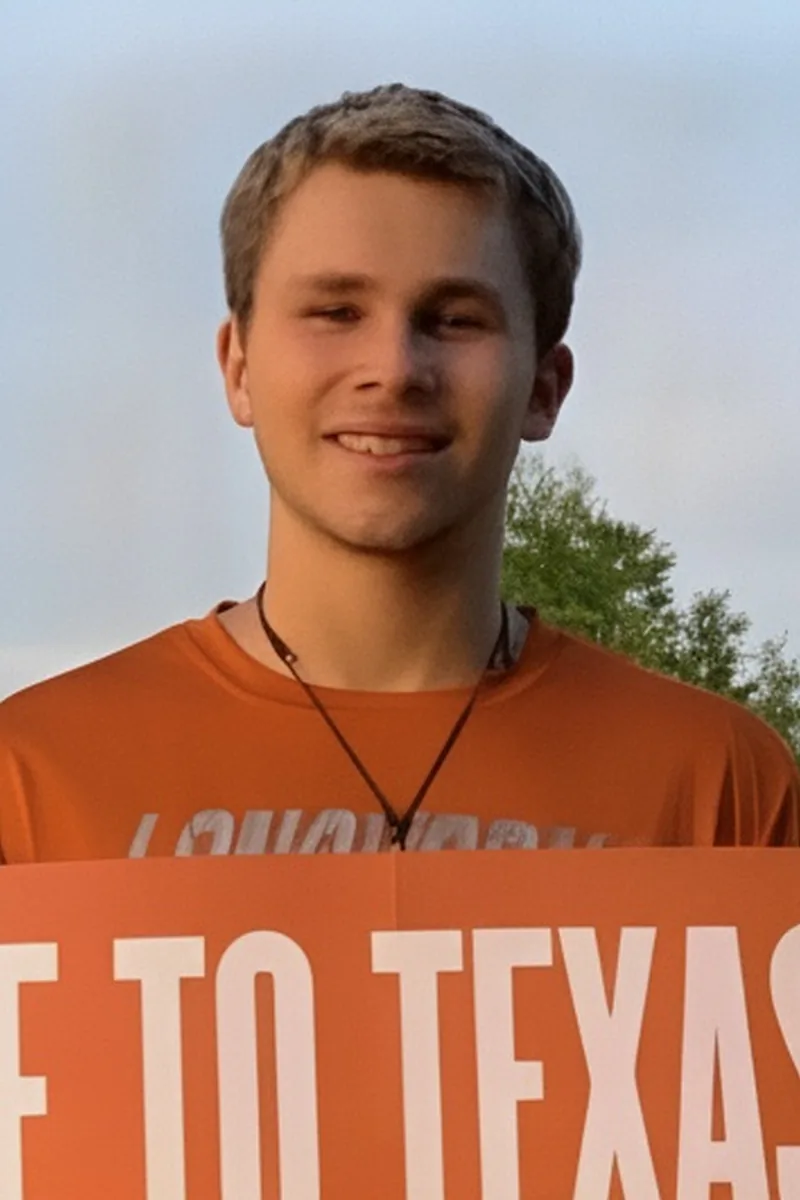
Sitting at the intersection of his mathematics degree and computer science certificate at UT Austin, data science is where Austin's two disciplines converge. He digs into the full pipeline — cleaning data in Python or R, exploratory analysis, statistical modeling, and interpreting results — with particular emphasis on the mathematical reasoning behind techniques like regression and classification.
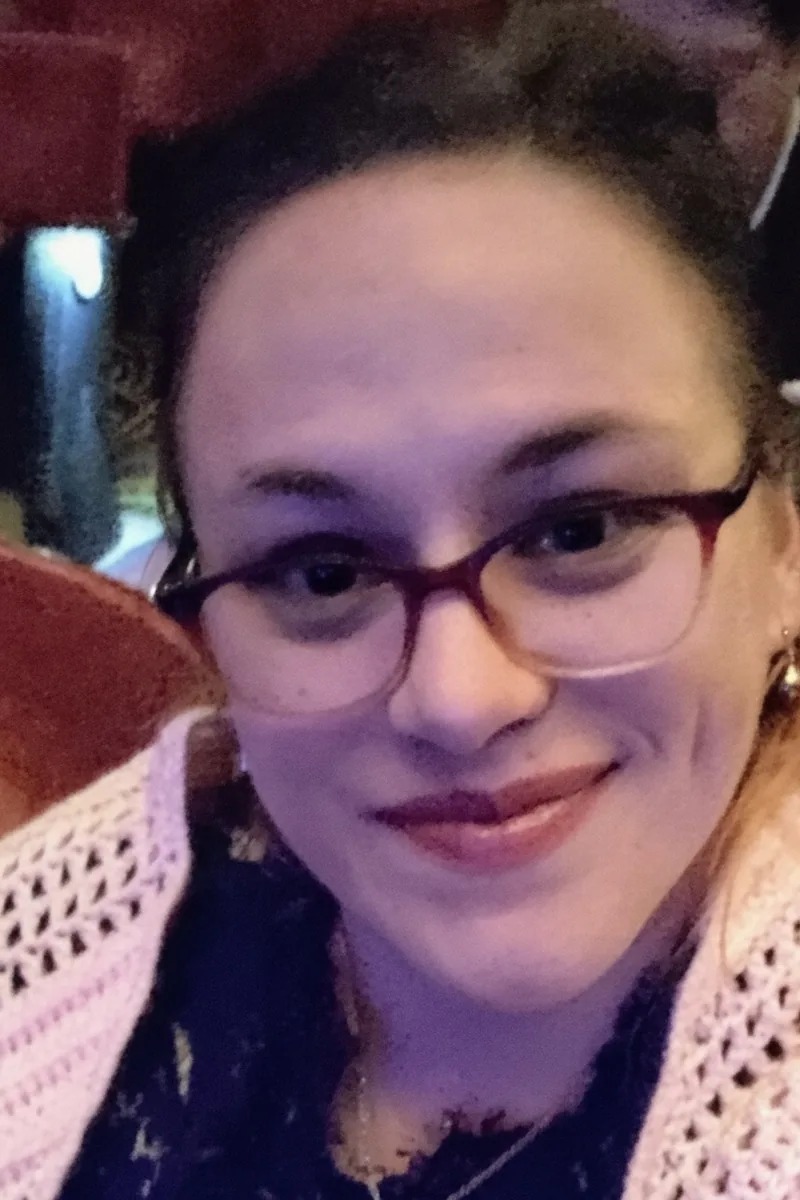
Having built her career at the intersection of computer science and biology — including work in bioinformatics — Samantha understands how to clean, analyze, and draw conclusions from messy real-world datasets. She teaches the full data science pipeline, from exploratory analysis and statistical modeling to visualization and communicating findings clearly.
A Mathematical Statistics and Probability major at Smith College, Kate brings real fluency with the quantitative backbone of data science — probability distributions, hypothesis testing, and exploratory data analysis. She breaks down concepts like regression modeling and data visualization so students understand not just the code but the statistical reasoning driving every decision.
Econometrics is essentially data science applied to economic questions — regression modeling, hypothesis testing, cleaning messy datasets to find real signals. Chica brings that statistical rigor to lessons on R programming, exploratory data analysis, and building reproducible workflows from raw data to insight.
Cleaning messy datasets is where most data science students lose momentum — missing values, inconsistent formats, and ambiguous features can derail a project before any modeling begins. Bryan brings a computer science engineer's rigor to data wrangling and exploratory analysis, teaching students to think critically about their data before jumping to regression or classification.
A PhD in statistics and hands-on experience with R programming and SPSS give Bahaeddine a strong grip on the full data science pipeline — from exploratory analysis and probability modeling to regression and visualization. He breaks down concepts like feature selection, hypothesis testing, and predictive modeling in ways that connect statistical theory to practical coding workflows.
Penn's computer science program gave Patrick a solid grounding in the algorithmic and mathematical thinking that data science actually demands — probability, linear algebra, and the logic behind model selection. He teaches Python and SQL not as isolated tools but as parts of a larger analytical process, walking students through how to move from a vague question to a structured dataset to a defensible conclusion.
As a dedicated tutor with over 2 years of experience, I am passionate about fostering a supportive learning environment where students can thrive in subjects like Algebra, Business Analytics, and Data Science. Currently pursuing my Bachelor's in Informatics at the University of Washington, I incorporate real-world applications into my teaching to engage students and enhance their understanding of complex concepts. My approach emphasizes personalized learning, encouraging students to ask questions and develop critical thinking skills. I find great joy in witnessing my students' growth and success, and I strive to instill a love for learning that extends beyond the classroom.
Statistical reasoning is the backbone of data science, and Irene's PhD in Mathematics and Computer Science means she can teach the probability, optimization, and quantitative logic underneath the algorithms — not just the syntax for running them. Her deep background in biostatistics, graph theory, and applied math translates directly into the kind of analytical thinking that separates someone who understands a model from someone who just calls a library function. Rated 4.9 by students.
Running genomics and biophysics analyses during her PhD at the University of Toronto, Bianca lives the full data science workflow — cleaning messy datasets, applying statistical models, building visualizations, and drawing defensible conclusions. She unpacks concepts like probability distributions, regression, hypothesis testing, and machine learning fundamentals with the rigor of someone who depends on getting them right in published research.
Pursuing his master's in Interdisciplinary Data Science at Duke, Eric lives this subject — from exploratory data analysis and feature engineering to building predictive models and communicating results. His prior role as a data analyst in Puerto Rico means he can connect classroom concepts like regression, classification, and data wrangling to the messy datasets students will encounter in real work.
Studying both industrial engineering and statistics gives Juan a natural entry point into data science — he regularly works with regression models, probability distributions, and exploratory data analysis. He unpacks concepts like hypothesis testing, feature selection, and data visualization so students understand not just how to run an analysis but why each step matters for drawing valid conclusions. Rated 4.9 by students.
Testimonials
Because the right Data Science tutor makes all the difference.
Average Session Rating – Based on 3.4M Learner Ratings
Nearby Data Science Tutors
Other Memphis Tutors
Related Technology and Coding Tutors in Memphis
Frequently Asked Questions
Data Science tutoring covers foundational skills like statistics, probability, and data visualization, along with programming languages such as Python and R. Advanced topics include machine learning algorithms, data cleaning, exploratory data analysis, and real-world project work. A tutor can tailor the curriculum to your specific goals—whether you're preparing for AP Statistics, building a portfolio for college applications, or developing skills for a career transition.
Many students struggle with the mathematical foundations—particularly statistics and probability concepts—that underpin data analysis. Others find it difficult to bridge the gap between theory and practical application, or to debug code when working with large datasets. With Memphis's average student-teacher ratio of 18.2:1, classroom instruction may not allow time for personalized problem-solving. Personalized 1-on-1 instruction helps you work through these challenges at your own pace and build confidence with hands-on projects.
Your first session is an opportunity to discuss your goals, current skill level, and any specific challenges you're facing with Data Science. The tutor will assess your understanding of foundational concepts like statistics and programming, then create a personalized learning plan that addresses your needs. This might include identifying gaps in prerequisite knowledge, outlining a project roadmap, or focusing on exam preparation—whatever helps you succeed.
No—many students begin without programming experience, and tutors can teach you Python or R from the ground up. However, having some coding familiarity helps you progress faster into data analysis and machine learning topics. A tutor can assess your starting point and either build programming fundamentals first or integrate coding instruction alongside statistical concepts, depending on your goals and timeline.
In a classroom setting, instruction moves at a fixed pace for all students, which can leave gaps if you need more time on statistics or coding concepts. Personalized 1-on-1 instruction lets you focus on exactly what you need—whether that's deeper understanding of a specific algorithm, debugging help on a project, or targeted exam prep. You also get immediate feedback and can ask questions without worrying about falling behind or slowing down the class.
Results vary based on your starting point and goals, but students typically see improved understanding of statistical concepts, stronger coding skills, and greater confidence tackling data projects independently. If you're preparing for AP Statistics or a college entrance exam, many students achieve score improvements through focused practice and concept review. For those building a portfolio or preparing for data-focused careers, tutoring helps you complete meaningful projects and develop skills employers value.
That depends on your starting point and goals. Grasping foundational statistics and basic Python programming typically takes 2-3 months with consistent tutoring. Building intermediate skills in data visualization and exploratory analysis may take another 2-3 months, while advanced machine learning concepts require additional time and practice. A tutor can give you a more specific timeline after understanding your current level and objectives.
Varsity Tutors connects you with expert tutors who have strong backgrounds in statistics, programming, and data analysis. You can share your goals, preferred learning style, and availability, and we'll match you with a tutor who fits your needs. Whether you're looking to strengthen foundational skills, prepare for an exam, or build a portfolio project, the right tutor can provide the personalized instruction that helps you succeed.
Let’s find your perfect tutor
Answer a few quick questions. We’ll recommend the right plan and match you with a top 5% tutor.