Award-Winning Elementary School Reading Tutors
serving Memphis, TN
Elementary School Reading
Tutors in Memphis
Private 1-on-1 tutoring, weekly live classes for academic support, test prep & enrichment, practice tests and diagnostics, and more to elevate grades and test scores.
Based on 3.4M Learner Ratings
UniversitiesSchools & Universities
DeliveredHours Delivered
ProficiencyGrowth in Proficiency
Who needs tutoring?
No obligation. Takes ~1 minute.
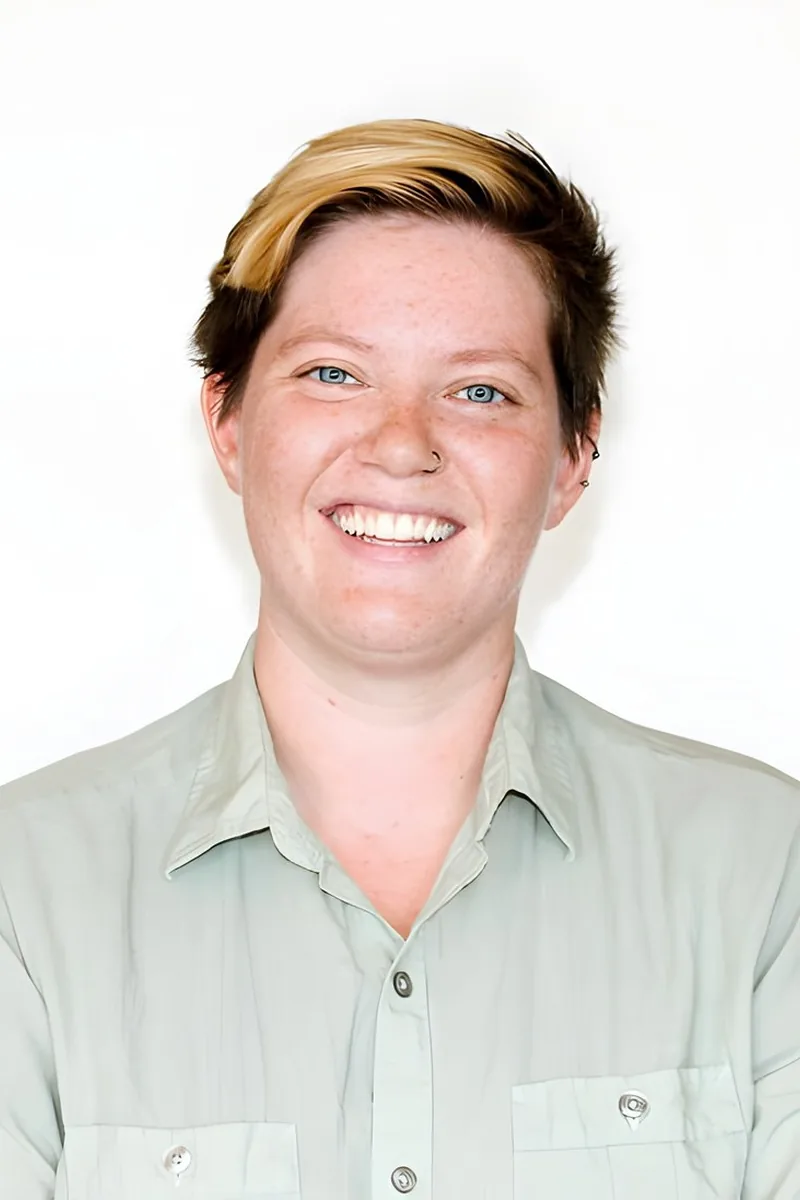
Phonics, sight words, and fluency are the building blocks, but the real goal is a kid who actually wants to pick up a book. Lindsey connects decoding skills to comprehension early, asking young readers to predict what happens next or describe a character's feelings as they go. Her psychology degree informs how she adapts pacing and encouragement to each child's reading level.

Phonics, sight words, and fluency drills all matter — but so does making reading feel like something worth doing. Christean pairs foundational decoding skills with age-appropriate stories that keep young readers curious, building both accuracy and the kind of enthusiasm that turns practice into habit.
Teaching a child to read is the thing Brian trained specifically to do. His Master's in Elementary School Teaching grounds his approach in phonics, sight-word fluency, and the gradual shift from decoding individual words to understanding what a full passage means. He makes that transition feel natural rather than overwhelming.
Early reading instruction lives and dies on the details — phonics patterns, sight word fluency, and the confidence to try sounding out an unfamiliar word. McKenna taught elementary students with literacy struggles for two years, building their decoding and comprehension skills from the ground up. That hands-on experience with emerging readers is hard to replicate from a textbook alone.
When a passage feels confusing, the issue usually isn't vocabulary — it's that a young reader hasn't learned to pause and check their own understanding. Eileen teaches active reading strategies like predicting, summarizing, and asking questions mid-paragraph, skills she sharpened through years of close reading across science and humanities at Vanderbilt.
Early reading instruction lives right at the core of Mary's expertise as a speech-language pathology graduate student at Vanderbilt, where she studies how children acquire and process language. She tackles foundational skills — sight word recognition, fluency building, and reading comprehension strategies — with methods grounded in current literacy research. Her 5.0 rating speaks to how well young readers respond to her approach.
Building fluency at the elementary level means connecting phonics skills to real comprehension — not just sounding out words but understanding what a sentence means and predicting what comes next. Ruiy's cognitive science training at Vanderbilt gives her insight into how young brains develop reading pathways, and she uses that knowledge to match each student's current level with the right mix of decoding practice and story engagement.
Leanna breaks reading down into the specific skills younger students need — decoding unfamiliar words, making predictions, and pulling meaning from context clues rather than just guessing. Her cognitive science training at Vanderbilt gives her a real understanding of how children process language, which means she can pinpoint exactly where a struggling reader is getting stuck.
Early reading instruction lives or dies on the details — phonemic awareness, sight word fluency, decoding strategies, and the ability to retell what just happened on the page. Megan's dual expertise in special education and ESL means she's trained to identify precisely where a young reader is getting stuck and adjust her methods accordingly. She holds a 5.0 rating from families who've seen that precision pay off.
Phonics, sight words, fluency, and reading for meaning each require a different instructional approach, and mixing them up is where a lot of young readers stall. Jessica's Vanderbilt coursework in Elementary Education covers the science of how children learn to decode and comprehend text. She brings that research-based knowledge directly into her sessions, whether a student is sounding out CVC words or tackling their first chapter book.
Early reading confidence comes from decoding strategies that actually stick — sounding out unfamiliar words, using context clues, and retelling what just happened in a passage. Julia's psychology training gives her insight into how young learners process new information, so she adapts her pacing and methods to match each child's reading level.
Alexandra's special education training at Vanderbilt gave her deep expertise in how children actually learn to read — from phonemic awareness and decoding strategies to fluency and comprehension. She pinpoints exactly where a young reader is getting stuck and adjusts her approach accordingly. Her 5.0 rating speaks to how well that precision works.
Early reading is about more than sounding out words — it's building the comprehension habits that carry a student through every grade after. Meredith teaches elementary readers to make predictions, ask questions about what they've read, and connect stories to their own experiences, turning passive page-turning into active understanding.
Early reading skills like decoding unfamiliar words, making predictions, and retelling a story in sequence all need different kinds of practice. Maggie tailors her approach to how each child's brain processes information, so a visual learner and an auditory learner walk away with the same comprehension but through different paths. She holds a 5.0 rating from families she's worked with.
Early reading instruction is about more than decoding words — it's about building the habits that turn a kid into someone who actually understands and enjoys what they read. Carrie works on skills like making predictions, identifying main ideas, and connecting stories to a child's own experience, drawing on her English training to make reading feel purposeful from the start.
I am able to get back to my passion of teaching students.
Early reading skills like phonics, sight words, and fluency need to click before a child can enjoy books on their own. Charlotte's Child Development coursework at Vanderbilt's Peabody College gives her a research-informed understanding of how young readers decode language and build vocabulary. She tailors each session to where a child actually is in that progression, whether they're sounding out words or starting chapter books.
Early reading clicks when a child connects decoding skills to actual meaning — sounding out a word and then understanding what just happened in the story. Ria reinforces phonics, sight words, and fluency alongside comprehension strategies like retelling and predicting, so reading feels like discovery rather than a chore. Her warm, encouraging approach keeps younger learners motivated through the trickiest stages.
Early reading confidence comes down to a few key skills: decoding unfamiliar words, understanding what a sentence actually says, and retelling a story's beginning, middle, and end. Elizabeth zeroes in on whichever skill a young reader needs most, using leveled texts and guided questions to build fluency without frustration.
I'm from New Jersey and of Italian decent, so I naturally love cooking and all things pizza. My favorite childhood book is The Giver by Lois Lowry, and favorite high school class was physics (rockets, easy winner). I enjoy playing guitar and ride my bicycle on a sunny day.
As a pediatric audiologist who specializes in childhood language development, Emily understands the building blocks of early literacy at a scientific level — phonemic awareness, decoding strategies, sight word fluency, and reading comprehension. She makes these foundational skills engaging and accessible for young learners just starting to connect sounds to letters and letters to meaning.
Decoding, fluency, and comprehension don't always develop at the same pace, and a reading specialist knows how to identify exactly where a child is getting stuck. Mary-Lloyd holds a Reading Specialist endorsement and a graduate degree from Vanderbilt Peabody, giving her deep training in phonemic awareness, guided reading strategies, and vocabulary development. She tailors her approach to each reader — whether they're sounding out CVC words or tackling chapter books for the first time.
Learning to read is really learning to think — connecting sounds to letters, letters to words, and words to meaning. Todd breaks down phonics, fluency, and comprehension into small, confidence-building steps that keep young readers engaged. His background in social work gives him a sharp sense of how to match his approach to each child's pace and personality.
For early readers, the difference between frustration and excitement often comes down to finding the right book at the right level. Maya builds phonics, sight-word recognition, and basic comprehension skills through stories that match each child's interests, keeping motivation high. Her experience with differently-abled learners means she adapts pacing and techniques to fit how each student actually processes language.
Reading intervention has been a core part of Molly's classroom work across 2nd, 3rd, and 4th grade, so she's fluent in phonics-based decoding, sight word fluency, and comprehension strategies like predicting and retelling. She pulls from multiple curricula to match the approach that clicks for each reader rather than defaulting to one program.
Early reading skills like phonics, fluency, and basic comprehension set the trajectory for everything that comes after in school. Sugi's cognitive science degree from Rice included extensive study of how the brain acquires language, giving her practical insight into why some students struggle with decoding or retention — and what specific techniques actually move them forward.
Early readers need someone who can match the right strategy to the right moment — whether that's sounding out unfamiliar words, using picture clues, or retelling a story to check comprehension. Nova's background working with younger students at camps and in classroom settings gives her a natural sense of pacing and encouragement that keeps kids engaged through each reading level.
Before a child can love reading, they need to feel successful at it. Vansh zeroes in on the specific skill holding a young reader back — whether that's decoding unfamiliar words, tracking a character's motivations, or retelling a story in sequence — and builds confidence around that one thing before moving on.
Early reading skills like phonics and sight words are only part of the picture — Angela also digs into comprehension strategies like predicting, summarizing, and making connections to a story's characters. Her psychology background at the University of Pennsylvania gives her insight into how young learners process new information and build vocabulary. She's rated 5.0 by the families she tutors.
Learning to read confidently means more than sounding out words — it's building the comprehension skills to retell a story, identify a main idea, and make predictions about what comes next. Natalie spent years tutoring young readers in West Philadelphia, where she developed a patient, encouraging approach to phonics, fluency, and vocabulary that keeps kids engaged rather than frustrated.
Early reading clicks when a child can connect what's on the page to what they already know. Daniel builds that bridge by teaching phonics patterns alongside comprehension strategies like predicting and retelling, keeping sessions interactive enough that younger readers stay engaged rather than frustrated.
Getting a child to love reading early changes everything that comes after. Annabel teaches phonics, sight words, and basic comprehension strategies like predicting and summarizing, turning each reading session into an active conversation about the story rather than a passive exercise.
Learning to read confidently at a young age changes everything that comes after — from following a story's plot to sounding out unfamiliar words. Eliza breaks down phonics patterns, sight words, and basic comprehension strategies in ways that keep younger learners engaged and moving forward. Rated 5.0 by students and families.
Early reading clicks when a child connects phonics and vocabulary to stories they actually care about. Skyler's background spans multiple languages and literatures, giving her a sharp sense of how decoding, fluency, and comprehension build on each other. She makes reading practice feel less like a chore by matching books and passages to each student's interests.
Testimonials
Because the right Elementary School Reading tutor makes all the difference.
Average Session Rating – Based on 3.4M Learner Ratings
Nearby Elementary School Reading Tutors
Other Memphis Tutors
Related English Tutors in Memphis
Frequently Asked Questions
Many elementary students struggle with phonics foundations, fluency, and comprehension—especially when transitioning from learning to read to reading to learn. With Memphis's average student-teacher ratio of 18.2:1, personalized attention to individual reading gaps can be difficult in traditional classrooms. Personalized 1-on-1 instruction helps identify whether a student needs support with decoding, sight words, reading speed, or understanding what they've read, and tutors can target instruction to each child's specific needs.
Tutors work with students using evidence-based strategies like predicting, questioning, visualizing, and summarizing to deepen understanding. They provide guided practice with texts at the right level for your child, ask targeted questions to check comprehension, and teach students how to identify main ideas and supporting details. With personalized feedback and repeated practice, students build confidence and develop habits that transfer to independent reading.
Fluency is the ability to read smoothly and at an appropriate pace, while comprehension is understanding what you've read—and both are essential. When students struggle with fluency, they use so much mental energy on decoding that comprehension suffers. Tutors address both by building automaticity with sight words and phonics patterns, increasing reading speed through repeated practice, and then layering in comprehension strategies so students can focus on meaning.
Tutors use informal assessments like running records, comprehension checks, and oral reading observations to pinpoint your child's current level and identify specific strengths and gaps. They select texts that are challenging enough to promote growth but accessible enough to build confidence—often called the 'just right' level. This personalized approach ensures your child isn't frustrated or bored, and progress happens faster than with one-size-fits-all instruction.
In the first session, a tutor will typically get to know your child, assess current reading skills through informal activities or reading samples, and learn about specific goals or concerns. They'll observe how your child approaches a text, ask comprehension questions, and note strengths to build on and areas needing support. This foundation allows the tutor to create a personalized plan and hit the ground running in subsequent sessions.
Many students show noticeable improvements in confidence and engagement within 4-6 weeks of consistent tutoring, though the timeline depends on the specific challenge and frequency of sessions. Students working on phonics or fluency often see measurable gains quickly, while comprehension and critical thinking skills develop more gradually over months. Regular communication with your tutor helps track progress and adjust the plan as needed.
Tutors often recommend reading aloud together daily, even for older elementary students, to model fluency and discuss stories. You can also ask simple comprehension questions during reading, visit the library regularly to let your child choose books, and create a distraction-free reading time at home. Your tutor can suggest specific strategies and book recommendations tailored to your child's level and interests to reinforce progress between sessions.
Varsity Tutors connects you with expert tutors who specialize in elementary reading and understand the needs of Memphis students. You'll share information about your child's current level, specific challenges, and goals, and you'll be matched with a tutor whose expertise and availability align with your family's needs. From there, you can work together to schedule sessions and create a personalized plan to help your child become a confident, engaged reader.
Let’s find your perfect tutor
Answer a few quick questions. We’ll recommend the right plan and match you with a top 5% tutor.