Award-Winning Organic Chemistry Tutors
serving Memphis, TN
Organic Chemistry
Tutors in Memphis
Private 1-on-1 tutoring, weekly live classes for academic support, test prep & enrichment, practice tests and diagnostics, and more to elevate grades and test scores.
Based on 3.4M Learner Ratings
UniversitiesSchools & Universities
DeliveredHours Delivered
ProficiencyGrowth in Proficiency
Who needs tutoring?
No obligation. Takes ~1 minute.
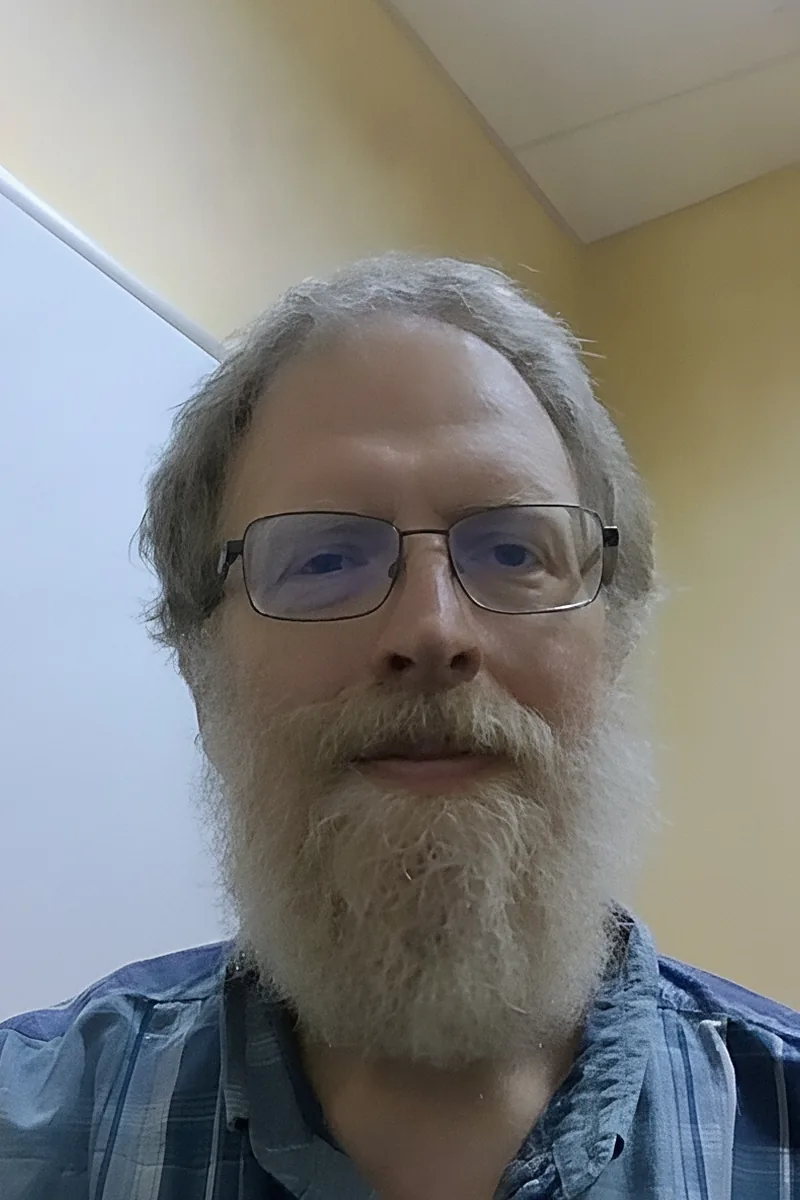
Having taught General Chemistry, Organic Chemistry, and GOB courses for health professions repeatedly at the college level, Jeremy approaches reaction mechanisms as skills to be practiced — not facts to be memorized. His PhD in Chemistry from Yale means he can trace arrow-pushing, stereochemical analysis, and multi-step synthesis all the way down to first principles, then rebuild them at whatever level a student needs. He holds a 4.6 rating.
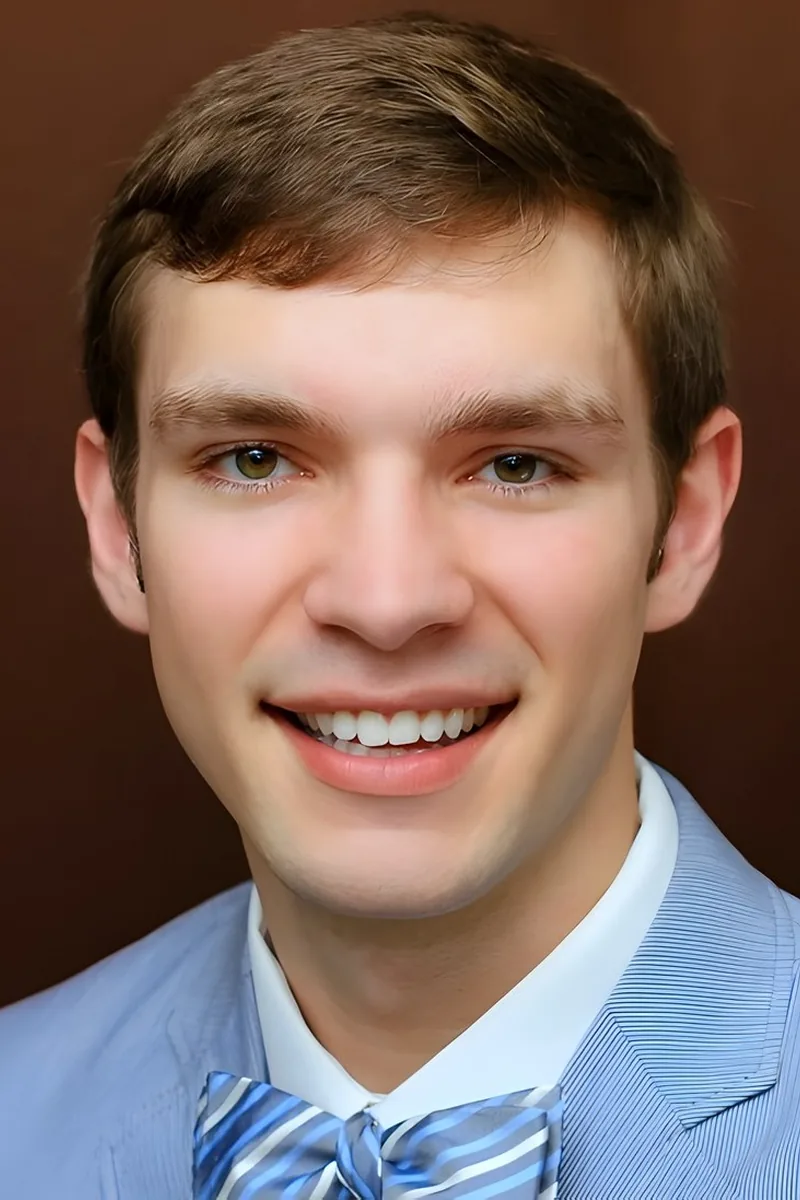
Surviving organic chemistry as a chemistry major and then revisiting it for dental school admissions gave Jackson two passes through reaction mechanisms, stereochemistry, and spectroscopy interpretation. That repetition means he knows exactly where students get lost — arrow-pushing notation, carbonyl chemistry, substitution vs. elimination — and can walk through each step without skipping the reasoning.
I am a freshman at Vanderbilt University studying biochemistry and involved in analytical chemistry research. Despite my studies being very science oriented, I also enjoy studying English and the humanities. I'd be happy to tutor you in any of these areas!
Jacob lists organic chemistry among his favorite subjects to teach, and his economics-trained habit of tracing systems through chains of cause and effect gives him a structured way to walk through multi-step mechanisms — particularly carbonyl chemistry and aromatic substitution patterns. He approaches each reaction type by building the logic from scratch: what's electron-rich, what's electron-poor, and why that determines everything. Rated 5.0 by students.
Reaction mechanisms are the language of organic chemistry, and Kathleen reads them fluently. She completed her undergraduate Chemistry degree at the University of Arkansas and went on to apply organic principles daily during her Vanderbilt Ph.D. research, where understanding molecular structure and reactivity was essential to her lab work. She walks students through arrow-pushing, stereochemistry, and synthesis design by connecting each reaction type to a clear underlying logic.
Reaction mechanisms are the backbone of organic chemistry, and most students struggle because they try to memorize arrow-pushing patterns without understanding electron density or orbital interactions. Fay's biochemistry background means she approaches orgo from a structural and energetic perspective — explaining why an E2 elimination is favored over SN1, not just that it is.
Pre-med coursework in psychology and biology gave Kristen a biomolecular entry point into organic chemistry — she learned reaction mechanisms through the lens of how drugs bind receptors and how metabolic pathways depend on functional group transformations. She tackles arrow-pushing by walking students through the "why" behind electron movement, connecting nucleophilicity and leaving group ability to the biological molecules that make those concepts tangible.
I am a chemistry tutor with a solid academic and teaching background, possessing more than seven years of experience in chemistry. Being a tutor is an exciting interaction surpassing anything else I have experienced. I want to continue tutoring because I can positively influence students to reach their full potential academically. Enabling students to understand the basic knowledge and skills they may use for the rest of their lives is mightily rewarding. I have had a tremendously positive experience of both high school and college education. I received a chemistry bachelor's degree at the Cross River University of Technology, Nigeria, and a master's degree in chemistry at East Tennessee State University, TN. As a high school classroom teacher, and a graduate assistant, I taught a Chemistry course and instructed Organic Chemistry laboratory sessions, respectively. These teaching assignments have kindled positive and gratifying responses. The work of Howard Gardner has influenced my learning style. He theorized that we have many kinds of intelligence and that everyone has the potential to be brilliant but tends to express it uniquely. Therefore, all students have a unique learning style that is suitable for them. As a tutor, I can meet my students' academic needs provided I know their right learning style. Outside teaching, I volunteer in my local church youth weekly program to set up the gym so that the youths could have some fun games before listening to Bible-based teaching. I believe the spiritual well-being of an individual is just as important as their academic success. Volunteering my time to something that makes young people spiritually and mentally fit is fulfilling. Having decided to teach, I look forward to working as a tutor. It will be an honor to make a real difference in the life of those I tutor.
Penn's pre-health track put Brittany through rigorous chemistry coursework alongside her psychology degree, and she spent her undergraduate years tutoring General Chemistry I and II at the university's Tutoring Center — building the kind of fluency with reaction fundamentals that carries directly into organic mechanisms. She approaches topics like nucleophilic substitution and carbonyl reactivity by connecting them back to the foundational principles of electron behavior and molecular structure, making each new reaction type feel like an extension of something students already know.
Reaction mechanisms are the core of organic chemistry, and most students struggle because they try to memorize arrow-pushing patterns instead of understanding why electrons move where they do. Jamie has tutored organic chemistry extensively alongside his pre-med and medical coursework, and he teaches students to read a mechanism the way you'd read a sentence — identifying the nucleophile, the electrophile, and the driving force before ever drawing an arrow.
Reaction mechanisms become far more intuitive when you understand the electron-level logic behind each arrow push. Andrew earned his biochemistry degree and continues working in biochemical laboratories, so he teaches organic chemistry as a language of molecular behavior — connecting nucleophilic substitutions, elimination pathways, and carbonyl chemistry to the biological contexts where they actually matter.
Siddharth's biology degree means he first encountered organic chemistry through the lens of biomolecules — amino acid reactivity, lipid structures, and the functional group behavior that drives metabolic pathways. That biological framing gives him a practical way to teach arrow-pushing and reaction classifications, connecting each mechanism to molecules students can visualize rather than treating them as abstract exercises.
Preparing for medical school means Benjamin ground through organic chemistry with the kind of intensity that only MCAT stakes demand — reaction mechanisms, carbonyl chemistry, and spectroscopy all studied until the logic behind each transformation became second nature. His evolutionary anthropology background at Duke also gives him a knack for seeing patterns across complex systems, which is exactly the skill that separates students who struggle with synthesis problems from those who can map a retrosynthetic pathway confidently. Rated 5.0 by students.
David is earning his PhD in organic chemistry at Northwestern, where he teaches undergraduate orgo labs and recitations and has co-written exam questions for the department. That means he knows exactly which reaction mechanisms, stereochemistry problems, and retrosynthesis challenges professors test — and how to break them down so the logic clicks. Rated 5.0 by students, he ties each mechanism to real-world applications that make the material stick.
Four years of tutoring organic chemistry at Yale — while simultaneously doing pre-med coursework — gave Marcus a sharp sense of where students get stuck, particularly with carbonyl reactivity and multi-step synthesis planning. His current research at the Hospital for Special Surgery keeps him actively applying these concepts, so he teaches functional group transformations as interconnected tools rather than an isolated reaction catalog.
Reaction mechanisms are the backbone of organic chemistry, and most students struggle not because the material is impossibly hard but because they try to memorize hundreds of reactions instead of learning the handful of electron-pushing patterns that explain almost all of them. Rebecca's science training means she teaches students to read a mechanism the way you'd read a sentence — subject, verb, object — so new reactions become predictable rather than surprising.
Reaction mechanisms are the language of organic chemistry, and Josef teaches students to read them — arrow pushing, stereochemistry, and functional group reactivity — rather than memorize hundreds of individual reactions. His biochemistry focus at Cornell means he can connect orgo concepts like nucleophilic substitution and carbonyl chemistry directly to biological molecules students will encounter later.
Reaction mechanisms are the language of organic chemistry, and Troy spent two semesters teaching that language as an organic chemistry TA. He walks students through arrow-pushing, stereochemical outcomes, and retrosynthetic analysis by emphasizing the handful of recurring electronic patterns that make hundreds of reactions predictable rather than random.
Reaction mechanisms are the heart of organic chemistry, and they only make sense when a student can track electron movement and predict how functional groups behave. Malcolm is studying biochemistry and cell biology at Rice, where organic chemistry is foundational — he knows which arrow-pushing patterns show up repeatedly and teaches students to recognize them instead of memorizing hundreds of individual reactions.
Reaction mechanisms are the backbone of organic chemistry, and learning to predict products means recognizing electron-density patterns, not memorizing hundreds of individual reactions. Alec's approach — honed through years of TA work in Cornell's chemistry department — emphasizes arrow-pushing logic and functional group reactivity so that substitution, elimination, and addition reactions start to feel like variations on a theme rather than separate things to memorize.
Testimonials
Because the right Organic Chemistry tutor makes all the difference.
Average Session Rating – Based on 3.4M Learner Ratings
Practice Organic Chemistry
Free practice tests, flashcards, and AI tutoring for Organic Chemistry
Nearby Organic Chemistry Tutors
Other Memphis Tutors
Related Science Tutors in Memphis
Frequently Asked Questions
Organic chemistry requires you to visualize molecules in 3D space and understand how they interact—skills that don't come naturally to most students. Beyond memorization, you need to grasp reaction mechanisms, predict products, and apply concepts across different scenarios. Many students struggle because they try to memorize reactions instead of understanding the underlying principles of how electrons move and bonds form. Personalized tutoring helps you build these foundational concepts so reactions make logical sense rather than feeling random.
Your first session focuses on understanding where you are right now—what topics feel solid, where you're getting stuck, and what your specific goals are (acing an exam, improving your grade, preparing for the MCAT). A tutor will likely review a problem or concept you find challenging to see how you approach it and identify gaps in understanding. From there, you'll develop a personalized plan that targets your weak areas while building on your strengths, whether that's mechanisms, synthesis problems, or spectroscopy.
Organic chemistry is inherently visual—you need to see how atoms bond, rotate, and rearrange in 3D. Expert tutors use molecular models, drawings, and interactive explanations to help you build mental models of structures and reactions. Instead of staring at 2D formulas on a page, you'll learn to rotate molecules mentally, predict stereochemistry, and understand why certain reactions happen. This hands-on visualization approach transforms abstract concepts into concrete understanding you can actually apply to problems.
Reaction mechanisms show you the 'why' behind every transformation—how electrons move, which bonds break and form, and what intermediates form along the way. When you understand mechanisms, you can predict products, explain reactivity, and solve unfamiliar problems instead of relying on memorization. This deeper understanding is especially critical for cumulative exams and standardized tests like the MCAT. Tutoring focused on mechanisms helps you see organic chemistry as a logical system rather than a collection of disconnected facts.
Lab work brings organic chemistry to life—you see reactions happen in real time, learn proper technique, and understand why procedures matter. A tutor can help you prepare for lab by explaining what you'll observe, why you're following specific steps, and how lab results connect to theory. They can also help you interpret lab data, write reports, and troubleshoot when experiments don't go as planned. This bridge between theory and practice deepens your understanding and boosts your confidence in the lab.
Effective exam prep goes beyond cramming—it involves practicing problems, reviewing weak topics, and building speed and accuracy. A tutor will work with you to identify which reaction types, mechanisms, or problem-solving strategies trip you up, then focus practice time there. You'll work through past exams or practice problems together, learn test-taking strategies specific to organic chemistry, and build confidence before exam day. Starting prep several weeks out rather than the night before makes a huge difference in retention and performance.
Synthesis problems ask you to plan a multi-step route from starting material to product—a skill that requires both deep knowledge of reactions and strategic thinking. Many students freeze because they don't know where to start. Tutors teach you a systematic approach: work backwards from the target, identify key functional groups and transformations needed, then plan your route using reactions you know. With practice and guidance, synthesis problems shift from intimidating to manageable, and you'll develop the problem-solving skills that make organic chemistry click.
Look for tutors with strong chemistry backgrounds—ideally advanced coursework, research experience, or professional chemistry work. They should be able to explain concepts clearly and adapt to your learning style, whether you're a visual learner, prefer working through problems, or need conceptual breakdowns. Experience tutoring organic chemistry specifically matters because the subject has unique challenges and teaching strategies. Varsity Tutors connects you with expert tutors who understand organic chemistry deeply and know how to make it accessible.
Let’s find your perfect tutor
Answer a few quick questions. We’ll recommend the right plan and match you with a top 5% tutor.