Award-Winning AP Computer Science Principles Tutors
serving Memphis, TN
AP Computer Science Principles
Tutors in Memphis
Private 1-on-1 tutoring, weekly live classes for academic support, test prep & enrichment, practice tests and diagnostics, and more to elevate grades and test scores.
Based on 3.4M Learner Ratings
UniversitiesSchools & Universities
DeliveredHours Delivered
ProficiencyGrowth in Proficiency
Who needs tutoring?
No obligation. Takes ~1 minute.
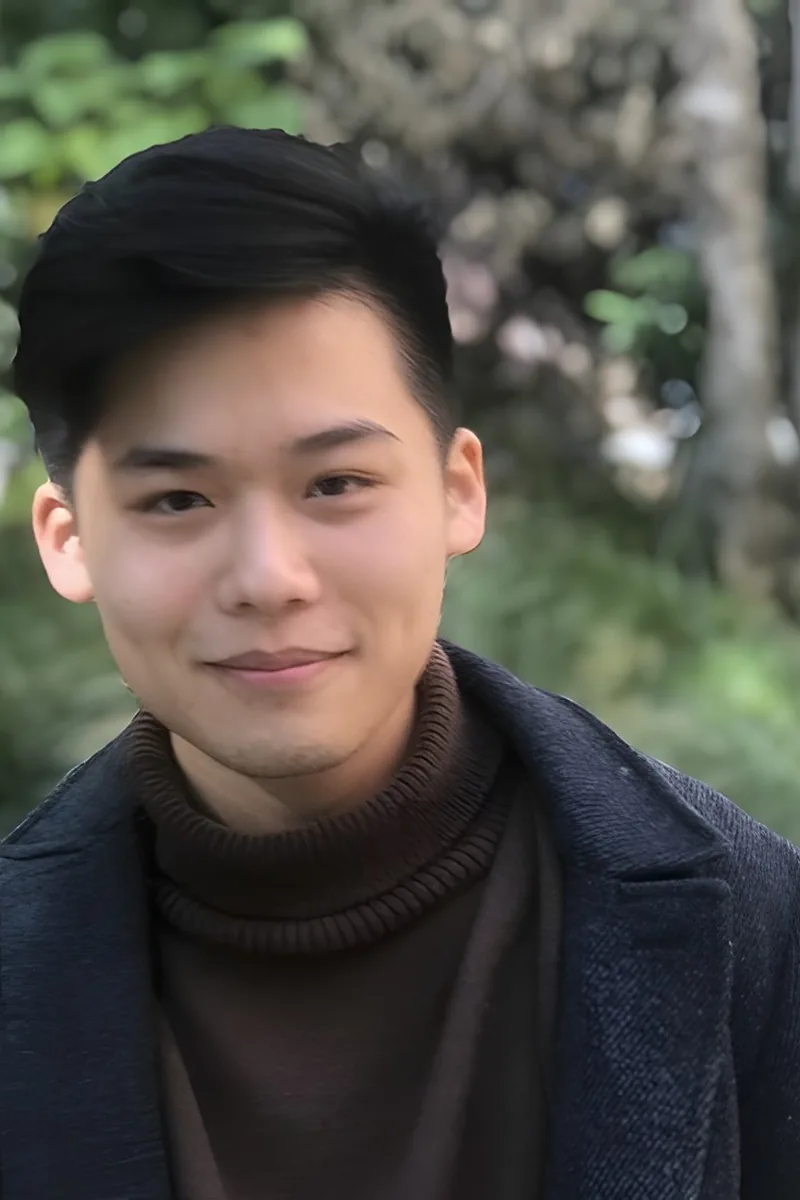
Kerr is currently building iOS apps and games as a CS major at Vanderbilt, which means the programming and design thinking in AP CSP's Create Task mirrors what he does every week. He teaches pseudocode logic and algorithm design by connecting them to real development decisions — like why a particular data structure speeds up a game or how abstraction keeps an app's codebase manageable. Rated 4.9 by students.
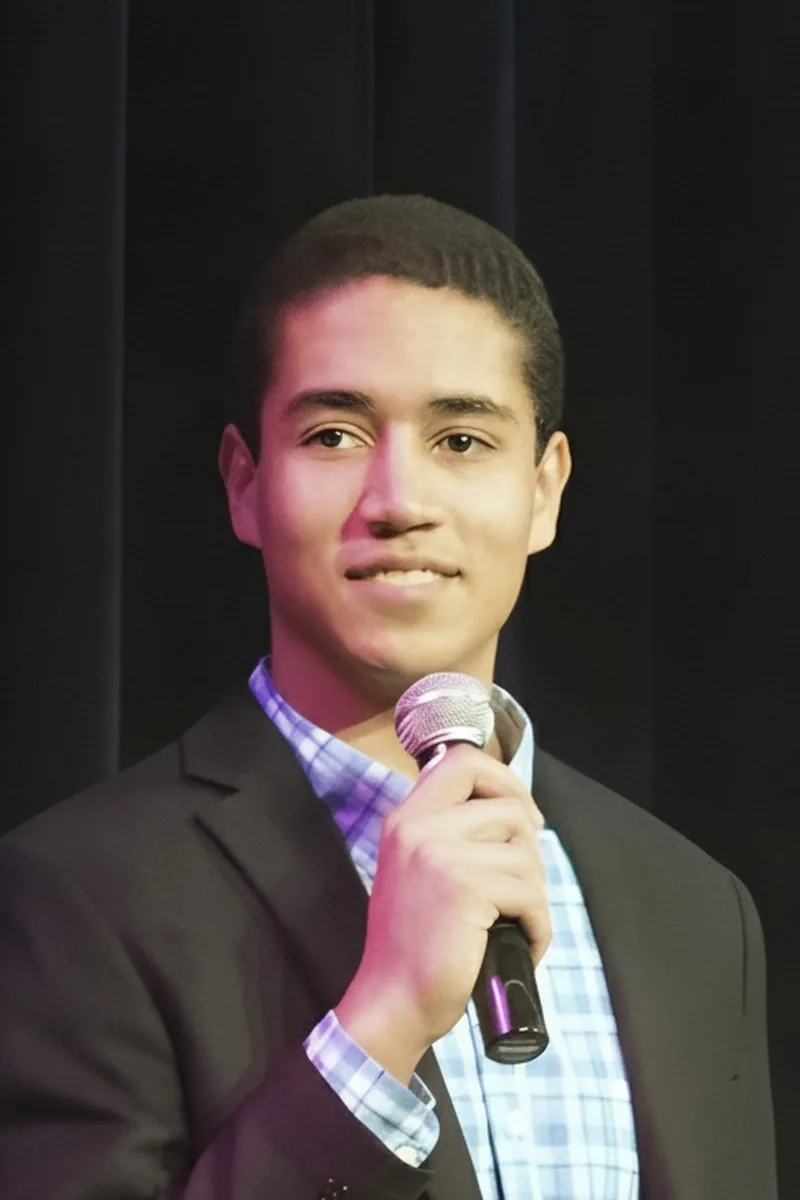
Coming from Thomas Jefferson High School for Science and Technology — one of the most competitive STEM programs in the country — and now studying computer engineering at Vanderbilt, Rhamy brings real depth to the algorithms and abstraction concepts that AP CSP tests. He digs into how programming logic actually maps to hardware, which gives students an intuitive grasp of topics like data representation and protocol layers that most review guides gloss over. Rated 5.0 by students.
Daniel's electrical engineering coursework at Vanderbilt means he writes actual code in Java and works with hardware-software interfaces daily — background that makes the pseudocode and abstraction concepts in AP CSP click faster for students. He zeroes in on algorithm design and data representation, breaking down how binary encoding and compression work at the circuit level so the logic sticks. His 36 ACT composite speaks to the kind of structured, analytical thinking he brings to Create Task coaching and exam prep.
With a strong background in STEM education and administration, I am passionate about helping students achieve academic success through personalized learning. My experience as a high school STEM teacher has allowed me to guide students in subjects such as artificial intelligence, machine learning, renewable energy technology, supply chain management, and manufacturing systems. Additionally, my administrative expertise has honed my ability to provide structured and efficient support to learners of all levels. I have earned certifications from the Massachusetts Institute of Technology, International Business Machines (IBM), and the New York Institute of Finance, dedicating years to making complex concepts more engaging and accessible. My tutoring style is adaptive, ensuring that each student's unique learning needs are met with patience and clarity. I believe in creating a supportive learning environment where students feel confident in tackling challenges and mastering new skills. While I tutor a broad range of subjects, I am particularly passionate about STEM-related fields, as they shape the future of technology and innovation. Beyond academics, I enjoy exploring advancements in artificial intelligence, renewable energy solutions, and automotive technology. My goal is to inspire curiosity, critical thinking, and a lifelong love of learning in every student I work with.
Ritesh's physics training at Cornell actually maps neatly onto AP CSP — both demand thinking about systems in layers, whether that's abstraction in computing or modeling forces in mechanics. He teaches the pseudocode and algorithm-tracing portions by treating them like physics problem-solving: break the system into parts, track what changes at each step, and verify the output makes sense.
Susanna codes in Java, Python, and MATLAB — but for AP CSP, she shifts gears from syntax to the bigger questions: how does data move across the internet, why does abstraction matter, and what makes an algorithm efficient? Her physics training at UC Berkeley means she's used to translating messy real-world problems into clean logical models, which is exactly the skill the Create Task and exam reward.
Victoria's CS coursework at Washington University in St. Louis means she can ground AP CSP's abstract Big Ideas — like how abstraction layers simplify complex systems or why algorithms have different efficiencies — in actual programming experience across Java, Python, and C++. That real coding fluency is especially useful when students need to move from pseudocode on the exam to functional code in the Create Task. Rated 5.0 by students.
I'm always up for the challenge of changing my methods of instruction and breaking down topics to foster a deeper understanding of a subject. On a different note, I generally spend my spare time playing lacrosse or running outdoors when possible. I also play the violin with a school quartet, and teach lessons to beginning students working through the Suzuki program.
Dalila's math degree gives her a sharper lens on the algorithmic and data-representation units that carry the most weight in AP CSP — she can explain why a particular sorting approach scales better than another or how abstraction layers simplify a complex problem. For the Create Performance Task, she emphasizes building clean pseudocode logic first, then translating it into a written response that hits every rubric point without overcomplicating the code.
Studying neuroscience at Rice means Brett regularly writes code to analyze brain imaging data and model biological systems — practical computing experience that maps directly onto AP CSP's emphasis on data analysis, algorithms, and the real-world impact of technology. He teaches the pseudocode logic and abstraction concepts the exam tests by grounding them in problems students can actually picture. Rated 5.0 by students.
Irene's PhD in Mathematics and Computer Science means she understands the computational thinking that underpins AP CSP — not just the vocabulary, but the discrete math and logic behind how algorithms work and why abstraction matters. She unpacks pseudocode problems by connecting them to the mathematical structures students rarely see in a survey course, which makes exam questions feel less like guesswork.
Ronit studies computer science at Yale and knows AP CSP's curriculum from the student side — which Big Ideas actually trip people up on the multiple-choice and where the Create Task rubric quietly punishes vague written responses. He digs into the explanatory writing piece that most students underestimate, teaching how to describe an algorithm's purpose and trace through pseudocode with the precision the exam expects. Rated 5.0 by students.
AP CSP covers a surprisingly wide range — the internet, data analysis, cybersecurity, and the societal impacts of computing — without going deep into any single programming language. Samuel connects these broad topics back to concrete examples from his own CS studies at Florida Tech, making the create task and multiple-choice exam feel far more manageable. Rated 5.0 by students.
Daniel's biomedical engineering coursework at Rice means he writes algorithms to process real biological data — exactly the kind of computational thinking AP CSP tests through its Big Ideas on data analysis and abstraction. He brings that applied perspective to the Create Task, coaching students to plan, build, and document projects that hit every rubric criterion without overcomplicating the code.
Matthew codes in Java, C++, Python, and JavaScript — so when AP CSP asks students to reason about algorithms or explain how a program works in pseudocode, he can ground those abstractions in actual programming logic most students haven't seen yet. His Harvard math and CS coursework also means he's sharp on the data analysis and binary representation questions that trip up students who only studied the vocabulary. Rated 4.9 by students.
Testimonials
Because the right AP Computer Science Principles tutor makes all the difference.
Average Session Rating – Based on 3.4M Learner Ratings
Nearby AP Computer Science Principles Tutors
Other Memphis Tutors
Related Technology and Coding Tutors in Memphis
Frequently Asked Questions
AP Computer Science Principles focuses on broad computational thinking concepts rather than heavy programming. The course covers data representation, algorithms, programming, the internet and cybersecurity, big data and privacy, and the societal impacts of computing. You'll work on the Create Performance Task (a coding project) and the Explore Performance Task (research about computing innovations), plus take the multiple-choice exam in May. For students in Memphis, understanding this balanced approach—combining coding with real-world applications—helps you prepare strategically for both the performance tasks and the exam.
Score improvement depends on your starting point and how consistently you work with a tutor. Many students see meaningful gains—typically 1-2 points on the 1-5 scale—when they focus on weak areas like algorithm design or understanding network concepts. The performance tasks (which make up 40% of your grade) often show the biggest improvement with personalized feedback, since tutors can help you refine your project documentation and explanations. Realistic progress comes from regular practice, targeted feedback on your Create and Explore tasks, and understanding the AP rubrics deeply.
Students often struggle most with the performance tasks—especially explaining their thinking clearly and meeting the specific AP rubric requirements. The Create Task requires strong documentation of your code and design process, while the Explore Task demands thorough research and analysis of a computing innovation. Many students also find the breadth of topics challenging; you need solid understanding of everything from binary representation to cybersecurity to societal impacts. Tutors can help you break down each task's requirements, develop strong coding practices from the start, and build confidence across all content areas.
The multiple-choice section (60% of your grade) requires careful reading—many questions test conceptual understanding rather than coding syntax. Effective strategies include reading questions fully before jumping to answers, eliminating obviously wrong choices, and managing your time (you have about 2.5 minutes per question). For the performance tasks, start early, follow the AP rubric line-by-line, and get feedback from tutors before submission deadlines. Practice tests help you identify which content areas need more review and build familiarity with question formats.
Ideally, tutoring works best when you start in the fall or early winter—this gives you time to build strong coding habits, complete your performance tasks with feedback, and review all content areas before the May exam. If you're starting later in the year, tutors can help you prioritize the highest-impact areas and focus intensively on performance task refinement. Even a few months of consistent tutoring can help you strengthen weak concepts and boost confidence on exam day.
AP Computer Science Principles doesn't require a specific programming language—you can use Python, JavaScript, Java, or any language your school supports. The key is choosing a language you're comfortable with and can document clearly. Tutors can help you decide based on your experience level and school resources, then guide you through strong coding practices like clear variable names, comments, and modular design. The AP rubric focuses on your algorithm design and explanation, not the language choice itself.
Your first session focuses on understanding where you stand. Tutors will ask about your current coursework, which topics feel strongest and weakest, and what your goals are (improving overall score, nailing the performance tasks, building coding confidence). If you have course materials or practice work, bring those along. From there, tutors create a personalized plan—whether that's deep dives into specific algorithms, practice with the Create Task, or targeted exam prep. This personalized approach ensures your tutoring time directly addresses your needs.
Varsity Tutors connects you with expert tutors who have strong backgrounds in computer science and AP exam preparation. You can specify your needs—whether you want help with coding fundamentals, performance task development, or exam strategy—and get matched with tutors who fit your learning style and schedule. Tutors work with you flexibly, whether you need consistent weekly sessions or intensive prep as the exam approaches. Getting started is simple: just reach out and describe what you're looking for.
Let’s find your perfect tutor
Answer a few quick questions. We’ll recommend the right plan and match you with a top 5% tutor.