Award-Winning AP US History Tutors
serving Charleston, SC
AP US History
Tutors in Charleston
Private 1-on-1 tutoring, weekly live classes for academic support, test prep & enrichment, practice tests and diagnostics, and more to elevate grades and test scores.
Based on 3.4M Learner Ratings
UniversitiesSchools & Universities
DeliveredHours Delivered
ProficiencyGrowth in Proficiency
Who needs tutoring?
No obligation. Takes ~1 minute.
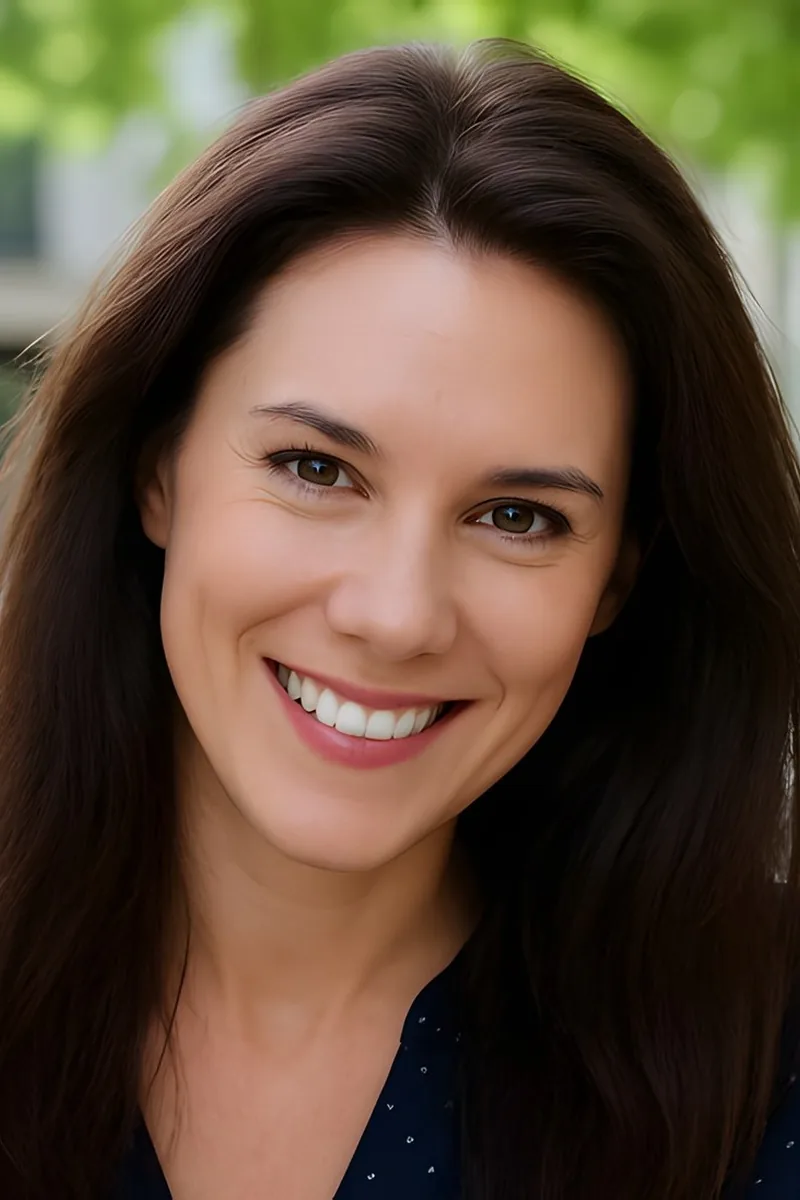
Michelle's history degree means she actually studied the primary source analysis and periodization thinking that APUSH tests — not just the content, but the discipline's methods for constructing arguments from evidence. She zeroes in on the essay skills that trip students up most, like turning a stack of DBQ documents into a coherent thesis instead of a chronological summary. Rated 5.0 by students.
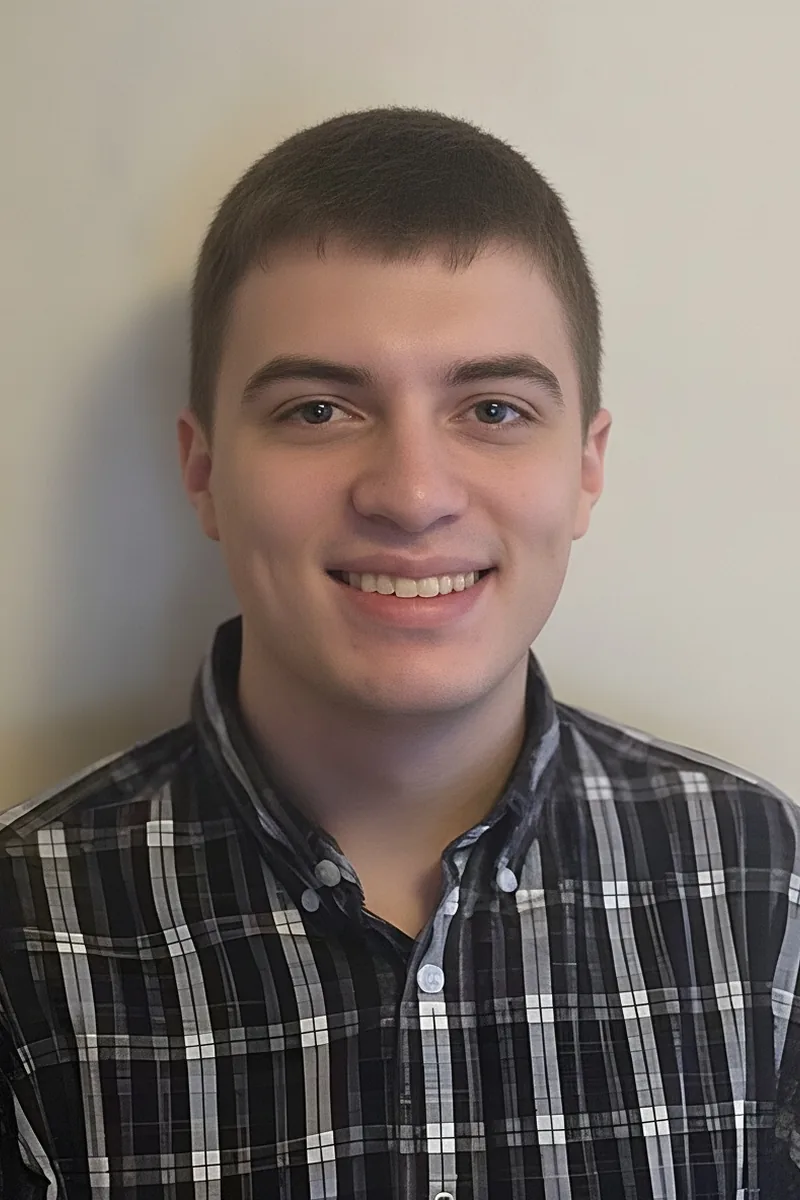
Tom earned his PhD in American Studies, which means AP US History content — from colonial mercantilism through Reconstruction amendments to Cold War containment policy — is his scholarly home turf. He breaks down DBQ and LEQ writing by teaching students to build arguments from documents rather than just summarizing them, a skill that consistently separates 4s and 5s from lower scores.
A European history major at Johns Hopkins who also tutored AP US and World History for years, Alexander knows exactly where the overlap between these curricula pays off — students who can trace how Enlightenment thought shaped the Declaration of Independence or how WWI's aftermath drove American isolationism earn the cross-period connections APUSH essays reward. He zeroes in on the causation and contextualization skills that turn a content-dump essay into one that actually scores well on the DBQ and LEQ. Rated 4.7 by students.
Evaluating hundreds of fellowship candidates' writing and academic work at a nonprofit gave Will a finely tuned sense for what makes a historical argument land — clear thesis, precise evidence, purposeful structure — which is exactly what APUSH's DBQ and LEQ score for. His humanities and political science degree from Villanova, plus coursework at Cambridge, means he can connect American political development to broader intellectual currents in ways that strengthen periodization and contextualization essays. Holds a 5.0 rating.
Theater training builds a surprisingly useful APUSH skill — Amber knows how to read a text for subtext, audience, and intent, which is exactly what document-based questions ask students to do with political speeches, editorials, and propaganda. Her 1570 SAT and 35 ACT reflect the kind of timed analytical performance the exam rewards, and her casting background means she's practiced at quickly sizing up what someone is really trying to communicate. Rated 5.0 by students.
The AP US History exam rewards students who can construct a defensible thesis under time pressure — not just recall facts but deploy them as evidence in a DBQ or LEQ. Aaron unpacks primary documents with students, teaching them to identify point of view, purpose, and historical context before writing a single sentence. His interdisciplinary background in geology and biochemistry also brings an unusual lens to topics like industrialization and environmental policy.
The IB program's emphasis on extended essays and Theory of Knowledge — where students defend interpretive claims with structured evidence — builds the exact muscles APUSH's DBQ and LEQ require. Dalton completed the full IB diploma and now draws on that training to teach how to frame a historical argument around periodization or causation rather than just retelling events. His 35 ACT and 4.9 rating speak to the timed analytical performance the exam rewards.
Studying religion and psychology alongside Spanish gave Sydney an unusual toolkit for APUSH — she reads primary sources through the lens of cultural belief systems and social motivation, which is exactly what document-based questions reward when they ask about audience, purpose, and historical context. Her CLEP prep across American government, American literature, and humanities means she's already fluent in the political and cultural turning points the exam covers most heavily. Rated 4.9 by students.
Jake's marketing degree might seem like an odd fit for APUSH, but marketing is fundamentally about understanding how audiences are persuaded — the same skill students need when analyzing primary sources for purpose, context, and intended effect on the DBQ. He pairs that rhetorical instinct with strong SAT-level reading and writing chops (1580 composite) to drill the thesis construction and evidence integration that separate high-scoring essays from ones that just retell history. Rated 4.9 by students.
AP US History's document-based questions reward a specific skill: synthesizing multiple sources into a coherent argument under time pressure. Maggie teaches students to quickly categorize documents by perspective and purpose, then build a thesis that doesn't just describe events but explains why they mattered. Her perfect SAT score reflects the same analytical rigor she brings to historical reasoning.
The AP US History exam tests a student's ability to construct document-based arguments under pressure, not just recall dates. Samantha tackles DBQ and LEQ writing head-on, teaching students to identify historical context, weigh evidence, and write essays that earn synthesis and complexity points. Her background in English gives her a particular edge on the writing-heavy portions of the exam.
Studying both biology and philosophy at Boston College means Andrew spends his days toggling between empirical evidence and argumentative reasoning — the exact combination APUSH essays demand when students must marshal specific historical evidence into a persuasive thesis. He's particularly strong on causation and contextualization questions, where his philosophy training kicks in to untangle why events unfolded as they did rather than just when. Rated 5.0 by students.
Testimonials
Because the right AP US History tutor makes all the difference.
Average Session Rating – Based on 3.4M Learner Ratings
Practice AP US History
Free practice tests, flashcards, and AI tutoring for AP US History
Nearby AP US History Tutors
Other Charleston Tutors
Related Social Studies Tutors in Charleston
Frequently Asked Questions
Your first session is designed to understand your current level and goals. A tutor will assess your familiarity with key historical periods, review your previous test scores or practice exam results, and identify specific areas where you need the most support—whether that's document-based questions, multiple-choice pacing, or essay writing. This foundation helps create a personalized study plan tailored to your timeline before the May AP exam.
Score improvement depends on your starting point and consistency with tutoring. Students who work with a tutor typically see gains by focusing on their weakest areas—whether that's time management on the multiple-choice section, analyzing primary sources for the DBQ, or structuring long-essay arguments. Most students benefit from identifying exactly where they're losing points, then practicing targeted strategies rather than reviewing material passively.
The DBQ rewards students who can quickly identify a document's perspective, purpose, and historical context, then use it to support their argument rather than just summarizing it. A tutor can teach you how to spend your 55 minutes efficiently—typically 5-10 minutes reading and annotating documents, then 40-45 minutes writing a clear thesis and body paragraphs with specific evidence. Practice with released AP exams is essential; working through several DBQs with feedback helps you internalize what graders are looking for.
The 3-hour exam has three sections: 55 questions in 80 minutes (multiple-choice), 3 short-answer questions in 40 minutes, and 2 essays in 100 minutes. Many students struggle with the multiple-choice section because they overthink questions or spend too long on difficult ones. A tutor can help you practice moving through questions at the right pace, knowing when to flag and return to a question, and building confidence in your historical knowledge so you can answer more quickly and accurately.
AP US History covers a lot of ground, and most students find some periods more challenging than others—whether it's colonial America, Reconstruction, or the Cold War. A tutor can help you focus on the themes and key events that appear most frequently on the exam, rather than trying to memorize every detail. They can also show you how to connect events across periods, which is what the exam actually tests, so you understand the big picture rather than isolated facts.
The long-essay section rewards a clear, historically-grounded thesis and specific evidence from at least 6 relevant examples. Many students lose points by writing vague arguments or using general statements instead of specific facts. A tutor can teach you how to structure your essay for maximum points, help you practice identifying the strongest examples to support your argument, and give you feedback on drafts so you can see exactly what AP graders are looking for.
Taking full-length practice tests under timed conditions is one of the most effective ways to prepare. Most students benefit from taking at least one practice test every 2-3 weeks starting 2-3 months before the exam, then increasing frequency as test day approaches. After each test, working with a tutor to review your mistakes—understanding not just what you got wrong, but why—helps you avoid repeating the same errors and builds confidence in your test-taking strategy.
Look for tutors who have strong knowledge of US history content and, ideally, experience teaching or tutoring AP-level students. They should understand the specific format and grading rubrics of the AP exam, not just general history. Varsity Tutors connects you with expert tutors in Charleston who can teach both the historical content and the test-taking strategies that help students perform well on exam day.
Let’s find your perfect tutor
Answer a few quick questions. We’ll recommend the right plan and match you with a top 5% tutor.