Award-Winning Computer Science Tutors
serving Providence, RI
Computer Science
Tutors in Providence
Private 1-on-1 tutoring, weekly live classes for academic support, test prep & enrichment, practice tests and diagnostics, and more to elevate grades and test scores.
Based on 3.4M Learner Ratings
UniversitiesSchools & Universities
DeliveredHours Delivered
ProficiencyGrowth in Proficiency
Who needs tutoring?
No obligation. Takes ~1 minute.

Most CS tutors come from pure software backgrounds — Clive's path runs through economics at Brown, where he picked up Java, Python, JavaScript, SQL, and HTML as tools for data analysis and building real projects rather than just completing problem sets. That applied angle makes him especially effective at teaching programming fundamentals and web technologies to students who learn better when code solves a tangible problem.
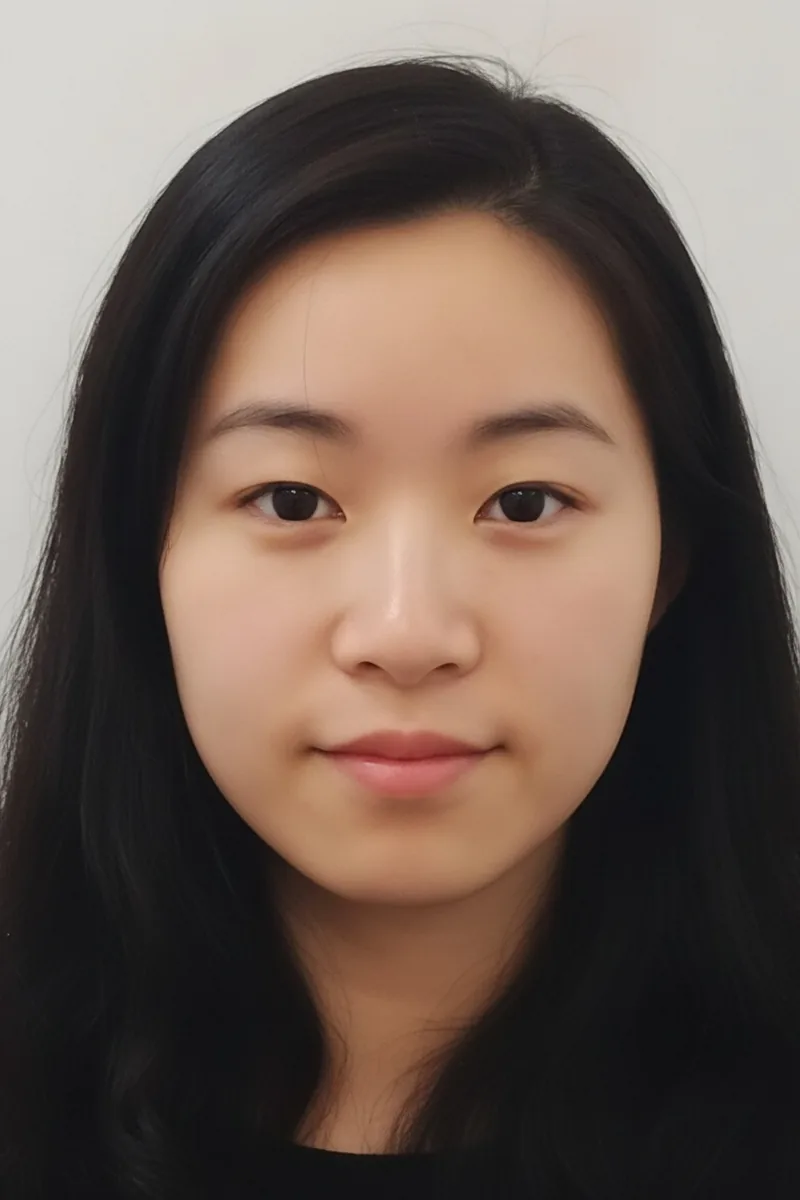
Programming starts making sense when you stop memorizing syntax and start thinking about what the computer is actually doing step by step. June's electrical engineering background at Brown gives her insight into both the hardware and software sides — she can explain why an algorithm is efficient, not just how to write it. From loops and conditionals to data structures and recursion, she connects each concept to real projects she's built in robotics and hackathons.
As an engineering student at Brown, Kashish works with programming languages and computational thinking daily — from writing algorithms to debugging code and understanding data structures like arrays, linked lists, and trees. She breaks down abstract CS concepts by connecting them to concrete problems, making topics like recursion or object-oriented design click for students encountering them for the first time. Her analytical precision and 5.0 rating make her a strong fit for introductory through intermediate computer science.
I am currently a student at Brown University seeking a degree in molecular biophysics. I love studying physics and its many applications in the realms of the life sciences. I have a strange penchant for ultimate frisbee and anything that involves golf (mini golf, frisbee golf, actual golf, etc.). One can often find me at Clark Park or Walnut Greens trying to shoot for par or die trying.
I'm a former physics and mathematics student from the University of Rhode Island. There, I discovered the teachings of renowned physicist Richard Feynman which, compressed, might read: "if you really understand something, then you can explain it to your grandmother."
Studying computer science at Cornell's College of Engineering, Ravnoor digs into topics like data structures, algorithms, and object-oriented design on a daily basis. He breaks complex problems — recursion, linked lists, sorting efficiency — into smaller, concrete steps so students build genuine understanding they can apply to new challenges independently.
Sakibul's graduate work at Rice sits at the intersection of computer science and applied mathematics, which means he tackles programming concepts — loops, recursion, data structures — with the analytical rigor of a mathematician. He breaks down abstract ideas like algorithmic complexity into concrete, step-by-step reasoning that clicks for students encountering CS for the first time.
Earning a certificate in Statistics and Machine Learning at Princeton gave Julie hands-on experience with core computer science concepts — algorithm design, data structures, and computational complexity. She approaches CS the way she approaches philosophy: by asking students to reason through *why* a solution works, not just whether it compiles.
From data structures and algorithms to computational complexity, Victoria covers the core CS concepts that show up in both coursework and technical interviews. Studying computer science and math simultaneously at WashU gave her a knack for explaining the mathematical reasoning behind topics like recursion, sorting efficiency, and graph traversal. She holds a 5.0 rating from students.
Isabella TA'd multiple computer science courses at MIT, so she's seen exactly where students get stuck — whether it's tracing recursive calls, understanding how data structures like linked lists and trees actually work in memory, or debugging logic errors in their code. She explains the underlying concepts so that writing correct programs becomes intuitive rather than trial-and-error. Rated 5.0 by students.
From data structures and algorithms to systems-level thinking, computer science covers enormous ground. John earned a BS in Computer Science and codes in Java, C++, and SQL, giving him the range to dig into whatever topic is causing trouble — whether that's recursion, Big-O analysis, or database design.
Pursuing a CS master's at Penn while TAing discrete math means Keenan lives in both the theoretical and practical sides of computer science every day. He unpacks core topics like algorithm complexity, data structure tradeoffs, and computational logic in a way that connects abstract ideas to real code. Rated 5.0 across all sessions.
From automata theory and computational complexity to practical algorithm design, Firas covers computer science as both a theoretical discipline and a hands-on craft. His Ph.D. research at the intersection of machine learning and big data means he can connect abstract CS concepts — graph traversals, runtime analysis, NP-completeness — to the systems that actually use them. Rated 5.0 by students.
Benjamin's finance and economics training at Notre Dame means he learned to code as a problem-solving tool — building models, analyzing datasets, and automating calculations — rather than through a traditional CS curriculum. That pragmatic entry point makes him effective at teaching programming logic and computational thinking to students who want to understand how code actually gets used in business and quantitative fields. Rated 5.0 by students.
Margaret studies Computer Science at Stanford alongside Political Science, giving her a broad perspective on how computational thinking applies beyond just writing code. She breaks down core topics like data structures, algorithms, and recursion by connecting each one to real problems students can visualize. Rated 4.8 by her students.
From sorting algorithms to recursion to object-oriented architecture, computer science rewards the ability to think in layers of abstraction. Joel is pursuing CS at Cornell alongside physics, which means he approaches programming problems with both mathematical rigor and practical debugging instincts. He's comfortable across Python and Java and adapts to whatever language a student's course requires.
John transitioned from law into co-founding a software company, which meant teaching himself to think in algorithms, data structures, and system design under real deadlines. He approaches computer science the same way — breaking problems into smaller, solvable pieces before writing a single line of code. That builder's mindset makes debugging and logic design feel less intimidating.
Testimonials
Because the right Computer Science tutor makes all the difference.
Average Session Rating – Based on 3.4M Learner Ratings
Other Providence Tutors
Related Technology and Coding Tutors in Providence
Frequently Asked Questions
During your first session, a tutor will assess your current coding experience, understand your goals (whether that's mastering Python fundamentals, building web applications, or preparing for AP Computer Science), and identify specific challenges like debugging or algorithmic thinking. From there, they'll create a personalized learning plan that matches your pace and interests, so you're not just memorizing syntax—you're building real problem-solving skills.
Debugging is one of the most valuable skills in computer science, and tutors excel at teaching you how to approach errors systematically rather than just fixing them for you. They'll walk you through reading error messages, using debugging tools, and breaking down your code to isolate problems—techniques that transfer to every programming language and project you'll encounter.
Syntax is the specific rules of a programming language (like Python or JavaScript), while logic is the thinking process behind solving problems algorithmically. Many students struggle when they focus only on memorizing syntax without understanding the underlying logic. Personalized tutoring helps you build strong logical foundations first, so learning new languages and tackling complex problems becomes much easier.
Data structures like arrays, linked lists, and hash tables are fundamental to writing efficient code and solving real-world problems. Tutors break down these abstract concepts through hands-on coding practice and visual explanations, helping you understand not just how to use them, but when and why to choose one structure over another for different situations.
Absolutely. Tutors can guide you through different specializations—whether you're interested in front-end web development, data science, game development, or other areas—and help you build projects that showcase real skills. This project-based approach keeps learning practical and engaging while you discover which path resonates most with you.
Code review is where experienced programmers catch inefficiencies, suggest better practices, and help you write cleaner, more maintainable code. During tutoring sessions, tutors review your work line-by-line, explaining not just what could be better, but why—teaching you professional coding standards that go far beyond what you'd learn from online tutorials alone.
Yes. Tutors work with students across all levels—from introductory programming courses to AP Computer Science A and beyond. They can help you master the specific curriculum requirements, prepare for exams, and understand concepts your classroom might move through quickly, ensuring you build a solid foundation rather than just memorizing for tests.
Computer science requires hands-on practice and immediate feedback to develop strong problem-solving intuition. Personalized tutoring lets you work at your own pace, ask questions without holding back a group, and get real-time code review and debugging help—addressing your specific gaps rather than following a one-size-fits-all curriculum. This focused approach helps students grasp concepts faster and build confidence in their coding abilities.
Let’s find your perfect tutor
Answer a few quick questions. We’ll recommend the right plan and match you with a top 5% tutor.