Award-Winning Python Tutors
serving Portland, OR
Python
Tutors in Portland
Private 1-on-1 tutoring, weekly live classes for academic support, test prep & enrichment, practice tests and diagnostics, and more to elevate grades and test scores.
Based on 3.4M Learner Ratings
UniversitiesSchools & Universities
DeliveredHours Delivered
ProficiencyGrowth in Proficiency
Who needs tutoring?
No obligation. Takes ~1 minute.
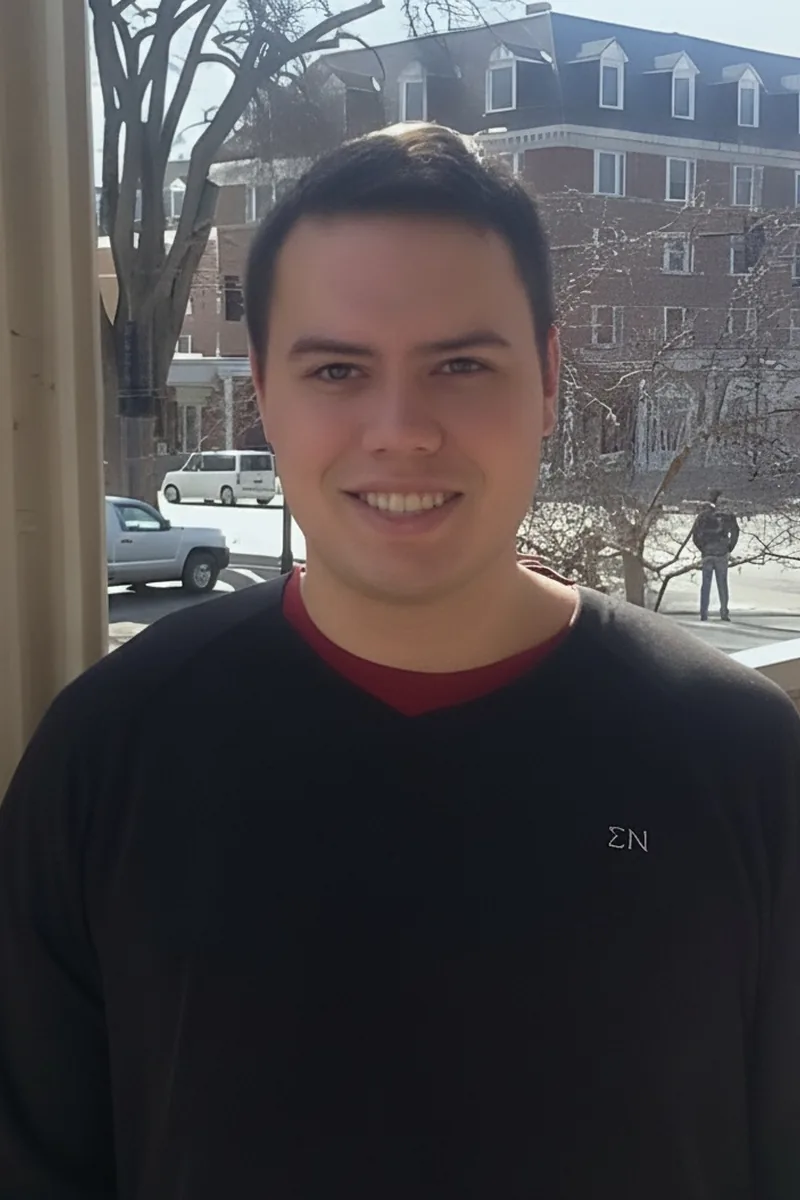
Getting comfortable with Python means moving past copy-pasting code snippets and actually understanding what loops, functions, and data structures are doing under the hood. Gray approaches Python through hands-on problem-solving, connecting syntax to logic so students can debug confidently instead of guessing.
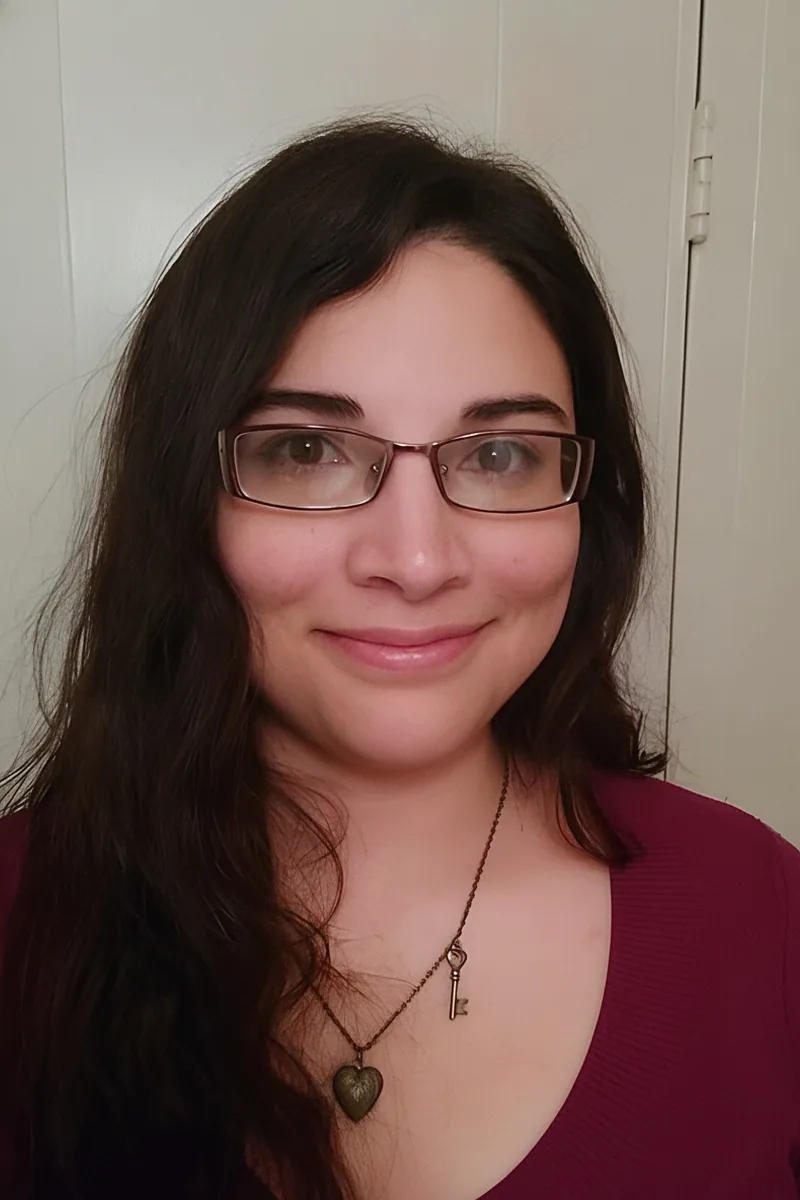
Tashina picked up Python as a research tool during her PhD in Psychological and Brain Sciences — writing scripts for data cleaning, statistical analysis with pandas and NumPy, and automating repetitive lab tasks. That practical origin means she teaches coding the way she learned it: by building something useful, not just running through syntax exercises.
Python's clean syntax makes it a great first language, but students still struggle when they hit list comprehensions, recursion, or the jump to libraries like NumPy and pandas. Firas uses Python daily in his machine learning research at Princeton, so he teaches it the way working engineers actually write it — readable, modular, and testable. He's equally comfortable introducing beginners to variables and control flow or walking advanced students through data pipelines.
Python's readability makes it a great first language, but students still stumble on list comprehensions, recursion, and knowing when to use dictionaries versus lists. Kiran uses Python across both his physics simulations and his CS coursework at Stony Brook, so he can teach it from the basics of control flow all the way through libraries like NumPy and Pandas for data analysis.
Python's simplicity makes it a great first language, but students still get tripped up by list comprehensions, object-oriented design, and debugging logic errors they can't quite see. Corrina writes Python regularly and teaches it by building small projects — from data analysis scripts to simple games — so each new concept has an immediate, visible purpose.
Python's readability makes it a great first language, but students still stumble on list comprehensions, class inheritance, and debugging logic errors they can't see. Jonathan uses Python in his own Cornell coursework across both CS and engineering projects, so he teaches the language the way it's actually used — not just syntax drills, but writing clean, functional code that solves real problems.
Between hackathons, robotics challenges, and neuroscience research at Brown, June has used Python for everything from scripting quick data analyses to building full project prototypes. She teaches the language the way she learned it — by solving real problems — so students pick up not just syntax but habits like writing readable functions, using libraries effectively, and debugging without panic.
Bioinformatics at Stanford meant writing Python daily — parsing genomic datasets, automating lab analyses, and building scripts to visualize biological data. Matthew teaches Python fundamentals like loops, functions, and data structures through real problem-solving rather than abstract exercises. Students who want to see what coding looks like in a scientific or data-driven context get a tutor who's lived that workflow.
Materials engineering PhD research generates mountains of experimental data, and Nivedina writes Python scripts to process, plot, and make sense of it all — from automating repetitive file parsing to running statistical analyses on lab results. That science-driven coding background means she teaches core concepts like loops, conditionals, and data structures through tasks that solve actual problems, not toy examples. Her chemistry training adds another layer, since students working on scientific computing or data cleanup get a tutor who genuinely understands the data they're handling.
Applied mathematics at Rice means writing code daily — Alexander uses Python for everything from numerical simulations to data analysis in his coursework, so he teaches the language the way it's actually used: loops, functions, libraries like NumPy, and debugging strategies that save hours. He's especially good at bridging the gap for students who understand math concepts but struggle to translate them into working scripts.
A computer science bachelor's and ongoing PhD work at Columbia and Chicago mean David writes code to answer research questions — scraping datasets, running statistical models, and automating the kind of tedious data processing that social science demands. That research-driven workflow translates directly into teaching Python, because he can show students how core concepts like loops, dictionaries, and file I/O come together in scripts that actually produce answers. Rated 4.9 by students.
Python's readability makes it a popular first language, but students still hit walls on list comprehensions, class inheritance, and debugging logic errors they can't see. Milo teaches Python within a computer science framework — connecting syntax to the underlying concepts — drawing on both his CS master's work at UMass Amherst and years of tutoring experience. He's rated 5.0 by students.
As experienced and passionated educator with a Bachelor's degree in Computer Science from Rice University, I am passionate about empowering students to achieve their academic goals. With over 3 years of tutoring experience in subjects such as AP Computer Science A, Machine Learning, and SAT Math, I adapt to different learning styles and create a supportive learning environment. My teaching philosophy centers on personalized instruction, where I connect with each student to understand their unique learning styles and challenges. I take pride in guiding students through the complexities of computer science and college application essays, equipping them with the skills they need for future success. Outside of tutoring, I enjoy exploring new technologies and engaging in coding projects to improve my teaching approach.
Dane's double major in Electrical & Computer Engineering and Computer Science at Duke means Python is part of his daily toolkit — from scripting hardware simulations to automating data pipelines across engineering coursework. He teaches students to think like engineers when they code: breaking a problem into small, testable functions before writing a single line, then building up to structured programs that actually solve something. His 35 ACT composite reflects the same methodical problem-solving he brings to debugging and logic design.
Testimonials
Because the right Python tutor makes all the difference.
Average Session Rating – Based on 3.4M Learner Ratings
Nearby Python Tutors
Other Portland Tutors
Related Technology and Coding Tutors in Portland
Frequently Asked Questions
Your first session is all about understanding where you're starting from. A tutor will ask about your coding experience, what you're trying to learn (whether that's web development, data science, game development, or general programming), and what challenges you're facing. From there, they'll work with you to create a personalized plan that matches your goals and learning pace.
Both matter, but logic comes first. Understanding how to think algorithmically—breaking problems into steps, using loops and conditionals, managing data—is what makes you a programmer. Syntax is just the Python-specific way of writing those ideas. A tutor helps you build logical thinking through hands-on coding practice, then reinforces the syntax naturally as you write real code.
Debugging is one of the most valuable skills in programming, and it's hard to learn alone. Tutors teach you how to read error messages systematically, use print statements and debugging tools effectively, and think through where your logic might have gone wrong. By working through bugs together, you'll develop problem-solving strategies that apply to any code challenge you encounter.
Absolutely—project-based learning is one of the most effective ways to develop real programming skills. Whether you're interested in building web applications, analyzing data, creating games, or automating tasks, a tutor can guide you through building projects that teach you both Python fundamentals and practical development practices like code organization and testing.
Data structures are how you organize and manage information in your programs. Lists, dictionaries, sets, and tuples are Python's fundamental tools for storing and accessing data efficiently. Understanding when and how to use each one is critical for writing clean, efficient code. Tutors help you practice with these structures through real coding examples so they become second nature.
That depends on your interests and goals. A tutor can help you explore different paths early on and guide you toward the one that fits you best. If you're unsure, starting with Python fundamentals and core programming concepts gives you a strong foundation for any direction. Many students discover their passion once they start building things, and a tutor can adapt their approach as your interests evolve.
Code review teaches you to write cleaner, more efficient code and helps you learn best practices you might not discover on your own. When a tutor reviews your code, they point out patterns, suggest improvements, and explain the reasoning behind better approaches. This feedback loop accelerates your learning far more than writing code in isolation.
Look for tutors with solid Python experience and, ideally, real-world programming background—whether that's professional development, data science work, or significant project experience. Beyond technical skills, the best tutors can explain concepts clearly, be patient with debugging frustration, and adapt their teaching to your learning style. Varsity Tutors connects you with tutors who have both the expertise and teaching ability to help you succeed.
Let’s find your perfect tutor
Answer a few quick questions. We’ll recommend the right plan and match you with a top 5% tutor.