Award-Winning Economics Tutors
serving Oklahoma City, OK
Economics
Tutors in Oklahoma City
Private 1-on-1 tutoring, weekly live classes for academic support, test prep & enrichment, practice tests and diagnostics, and more to elevate grades and test scores.
Based on 3.4M Learner Ratings
UniversitiesSchools & Universities
DeliveredHours Delivered
ProficiencyGrowth in Proficiency
Who needs tutoring?
No obligation. Takes ~1 minute.
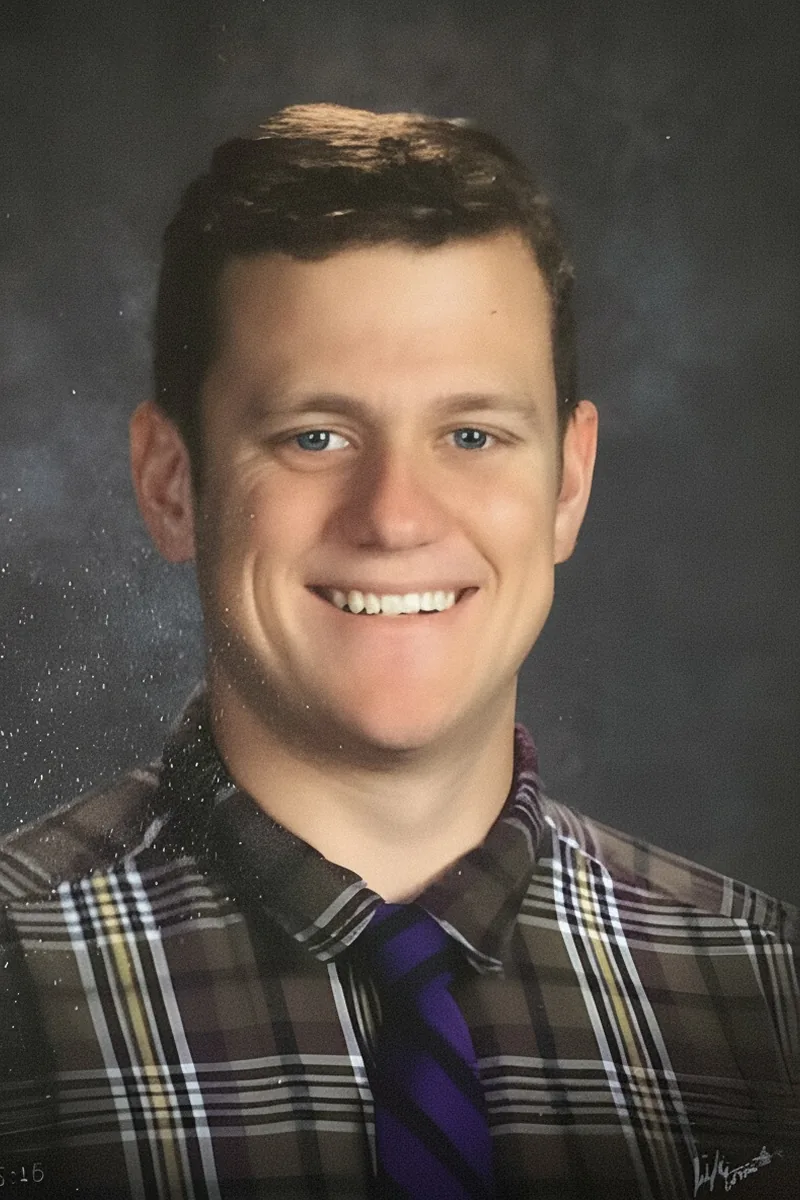
I am excited to be working with Varsity Tutors. I currently teach middle and high school social studies at Bishop Dunne Catholic School in Dallas. I teach 8th Grade US History, Spanish 3, AP Microeconomics, and Economics. I also have experience tutoring middle school Math while in college.

As an economics major at the University of Oklahoma, Joseph is immersed in supply-and-demand models, market structures, and macroeconomic policy every day — not just tutoring them from memory. He unpacks concepts like elasticity and comparative advantage using real-world examples that make the graphs and equations click, rather than leaving students to wrestle with abstract curves on their own.
Supply and demand curves are simple enough on the surface, but economics gets tricky fast once students hit elasticity, market structures, or macroeconomic models. Emma minored in economics at Harvard, so she can unpack concepts like comparative advantage or fiscal policy with real-world examples that make the math and the theory click together. She holds a 5.0 client rating.
Studying Politics, Philosophy, and Economics at Penn means Esther encounters economic concepts not in isolation but tangled up with the political incentives and philosophical arguments that shape them — why a carbon tax gets framed as market efficiency in one class and as an ethical obligation in another. That interdisciplinary wiring is especially useful for students who need to understand the reasoning behind economic models, not just the graphs themselves. Rated 5.0 by her students.
An MBA in Finance and Management gives Hari the kind of fluency with economic reasoning that comes from applying it — building financial models, analyzing market conditions, weighing strategic trade-offs in real business contexts. He teaches micro and macro concepts like elasticity, monetary policy, and market structures by connecting them to the finance and accounting decisions where those ideas actually matter. Rated 5.0 by his students.
Physics training builds a specific habit that transfers directly to economics: modeling complex systems with graphs, equations, and simplifying assumptions. Avram's three physics degrees mean he's deeply practiced at translating real-world behavior into formal models — exactly the skill students need when working through supply-and-demand curves, elasticity calculations, or equilibrium analysis.
Supply and demand curves are simple enough on the surface, but the real challenge is applying them — shifting curves correctly, interpreting elasticity, or reasoning through market failures. Benjamin's Economics degree from Notre Dame gave him deep fluency with both micro and macro frameworks, and he teaches students to think through cause-and-effect chains rather than memorize graph shapes.
Studying both engineering and economics at Duke gave Natalie a quantitative lens on economic reasoning — she's comfortable moving between supply-and-demand intuition and the math behind elasticity, optimization, and equilibrium. She digs into the "why" behind each model so students can apply concepts to unfamiliar problems, not just textbook examples.
Peter's journalism degree trained him to research, synthesize, and explain complex systems to a general audience — skills that translate directly to breaking down economic concepts like market structures, trade-offs, and policy impacts into clear, logical narratives. His Master's in Education means he knows how to structure those explanations so they actually land, whether a student is wrestling with supply-and-demand graphs or trying to connect micro principles to bigger macro questions.
Studying economics and finance at Wharton means Samica encounters micro and macroeconomic theory daily — supply and demand curves, market structures, GDP modeling — and can translate those concepts into clear, intuitive explanations. She connects abstract ideas like elasticity or comparative advantage to real-world business cases, which makes the material stick far better than rote definition review.
Joshua earned his bachelor's in Economics and International Studies, which means he learned economic concepts — trade theory, exchange rates, development policy — through the lens of how they actually shape relationships between countries. That global perspective is especially useful for students who need to connect microeconomic and macroeconomic models to the messy reality of international markets and policy decisions.
Studying economics at Dartmouth with a computational emphasis, Eric digs into both the theoretical models and the real-world data that test them. He's particularly effective at unpacking concepts like elasticity, comparative advantage, and market equilibrium — translating the math into plain-language reasoning that sticks.
An MBA from the University of Chicago and an undergraduate economics degree mean David has encountered the full spectrum of economic reasoning — from microeconomic models of firm behavior to the macroeconomic policy debates that shape real markets. Running a startup gives him a founder's perspective on how concepts like pricing strategy, marginal cost, and competitive dynamics actually play out when you're the one making the decisions.
An economics degree from Brown means Bryan doesn't just know supply-and-demand diagrams — he understands the theoretical frameworks behind market behavior, game theory, and macroeconomic policy. He unpacks concepts like elasticity, comparative advantage, and monetary policy by grounding abstract models in real-world examples that make the logic intuitive.
Testimonials
Because the right Economics tutor makes all the difference.
Average Session Rating – Based on 3.4M Learner Ratings
Nearby Economics Tutors
Other Oklahoma City Tutors
Related Business Tutors in Oklahoma City
Frequently Asked Questions
Many students struggle with connecting abstract economic concepts—like supply and demand, inflation, or GDP—to real-world situations. Others find it difficult to interpret graphs, analyze data, or understand how policy decisions create ripple effects through an economy. Personalized tutoring helps break down these complex ideas into digestible pieces and builds confidence in applying economic thinking to current events and problem-solving.
Oklahoma schools follow the Oklahoma Academic Standards for Social Studies, which include Economics content at multiple grade levels. High school students typically take Economics or Personal Finance courses that cover microeconomics, macroeconomics, consumer economics, and financial literacy. Tutors working with students in Oklahoma City are familiar with these standards and can align instruction with what's being taught in your student's classroom.
In a classroom with an average student-teacher ratio of 16.6:1, it's challenging for teachers to address each student's specific learning gaps or pace. Personalized tutoring allows a tutor to focus entirely on your student's needs—whether that's reinforcing foundational concepts like opportunity cost, diving deeper into supply chain economics, or practicing for the AP Economics exam. This one-on-one approach means your student gets immediate feedback and instruction tailored to their learning style.
The best time to start is as soon as your student feels confused or begins falling behind—don't wait until grades drop significantly. If your student is struggling with foundational concepts like scarcity, trade-offs, or basic supply and demand in the first few weeks, early tutoring can prevent knowledge gaps from widening. For students preparing for the AP Economics exam or aiming for strong performance in a college-level course, starting several months in advance allows time for comprehensive review and skill-building.
During the first session, a tutor will assess your student's current understanding of Economics—their strengths, specific areas of confusion, and learning preferences. They'll discuss your student's goals, whether that's improving a grade, preparing for a test, or building confidence with the subject. From there, the tutor creates a personalized plan that targets the most impactful areas and establishes a foundation for ongoing progress.
Clear indicators of progress include improved quiz and test scores, stronger performance on problem sets and essays, better ability to explain economic concepts in their own words, and increased confidence participating in class discussions. Many students also show progress through their ability to analyze current events using economic principles or successfully tackle more complex problems they previously found overwhelming. Your tutor will track these improvements and adjust the approach as needed to keep your student moving forward.
Yes. Tutors can help students prepare for both AP Microeconomics and AP Macroeconomics exams by reviewing key concepts, practicing free-response questions, analyzing graphs and data, and building test-taking strategies. With focused preparation, students develop the analytical skills needed to score well on the multiple-choice and free-response sections. Starting prep several months before the exam allows time for thorough review and practice.
Varsity Tutors connects you with expert tutors who have strong backgrounds in Economics and experience working with students in Oklahoma City schools. You can share your student's specific needs, grade level, and goals, and we'll match them with a tutor who's the right fit. The process is straightforward, and you can often get started within days.
Let’s find your perfect tutor
Answer a few quick questions. We’ll recommend the right plan and match you with a top 5% tutor.