Award-Winning Microbiology Tutors
serving New York, NY
Who needs tutoring?
FEATURED BY


TUTORS FROM
- YaleUniversity
- PrincetonUniversity
- StanfordUniversity
- CornellUniversity
Award-Winning Microbiology Tutors serving New York, NY
Certified Tutor
Matthew
A Stanford Human Biology degree with a concentration in bioinformatics gave Matthew a computational angle on microbiology — he thinks about microbial populations in terms of gene expression data, genomic analysis, and the quantitative patterns underlying concepts like antibiotic resistance and patho...
Stanford University
Bachelors in Human Biology (concentration in Bioinformatics and Stem Cell Science)
Certified Tutor
14+ years
Garrett's biology degree paired with his coursework in physiology and anatomy means he understands microorganisms in the context of the systems they infect — not as isolated names on a flashcard. He walks through topics like microbial cell structure, pathogen life cycles, and immune evasion strategi...
University of Pennsylvania
Bachelor in Arts
Certified Tutor
Sam
Sam's Yale degree in Molecular Biophysics and Biochemistry gave him deep exposure to the cellular and molecular mechanisms that microbiology courses demand — membrane transport, metabolic pathways, bacterial genetics, and immune response. He connects these topics to their biochemical underpinnings, ...
Yale University
Bachelor of Science in Molecular Biophysics and Biochemistry
Certified Tutor
14+ years
Anni
Gram stains, bacterial metabolic pathways, and viral replication cycles all require a kind of systematic memorization that falls apart without conceptual scaffolding. Anni's graduate work in biomedical sciences at UMDNJ gave her direct experience with microbial concepts, and she teaches them by link...
Cornell University
Bachelor of Science, Biological Sciences; Nutritional Sciences; Cognitive Sciences
Certified Tutor
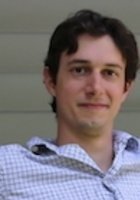
Josef's life sciences research at Cornell gave him hands-on familiarity with microbial systems, from bacterial cell structure and gram staining to pathogenic mechanisms and antibiotic resistance. He teaches microbiology by linking each organism's biology to its clinical or ecological significance, w...
Cornell University
Bachelor of Science
Certified Tutor
Michael
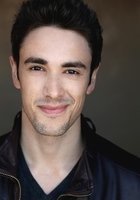
Teaching introductory chemistry lab at Grand Valley State University meant Michael worked closely with bacterial cultures, aseptic technique, and growth curve analysis — exactly the hands-on context that makes microbiology concepts stick. His cellular and molecular biology background lets him explai...
University of Michigan-Ann Arbor
Bachelor of Science, Cell & Molecular Biology

Certified Tutor
14+ years
Miguel
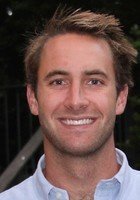
Most microbiology students drown in taxonomic details without a framework for why organisms behave differently — Miguel cuts through that by linking microbial concepts like metabolic pathways and cell structure back to the chemistry and biology principles that explain them. His broad science teachin...
Harvard University
Bachelor in Arts, History and Science; Comparative Literature (French, German)
Certified Tutor
9+ years
Ryan
Ryan's master's work in cellular and molecular biology at Stanford, combined with hands-on synthetic biology research at NASA Ames, gave him deep fluency in microbial genetics, metabolic pathways, and laboratory techniques like PCR and gene cloning. He unpacks topics like bacterial pathogenesis and ...
Stanford University
Master of Science (Biology)
Stanford University
Bachelor of Science (Biology)
Certified Tutor
10+ years
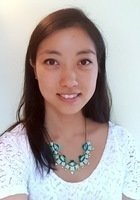
Gram stains, virulence factors, antibiotic resistance mechanisms — microbiology throws a wall of terminology at students before they've had time to build a framework for organizing it. Rachel's medical school training required mastering microbial pathogenesis in clinical context, so she teaches each...
Yale College
Bachelors, Biology, General
Certified Tutor
6+ years
Ruby
Ruby's pre-med coursework at Columbia covers microbial pathogenesis, bacterial cell structure, and immune response — topics she tackles alongside her broader interest in medicine and public health. Her experience teaching health curricula to ninth graders through Columbia's Peer Health Exchange shar...
Columbia University in the City of New York
Bachelor in Arts, Premedicine
Other New York Tutors
Related Science Tutors in New York
Frequently Asked Questions
Students often find it challenging to visualize microscopic structures and understand how invisible organisms cause visible effects—like connecting bacterial cell wall composition to antibiotic resistance or grasping how viruses replicate at the molecular level. Additionally, many struggle with the balance between memorizing microbial characteristics and understanding the underlying principles of how microorganisms function and interact with their environments.
Personalized 1-on-1 instruction helps you connect lab observations to the theory behind them—understanding not just what you observed in a culture or stain preparation, but why the scientific method led you to those conclusions. A tutor can walk through experimental design, help you interpret results, and teach you how to troubleshoot when experiments don't go as expected, building both technical skills and scientific reasoning.
While microbiology does require learning terminology and structures, true mastery comes from understanding how these concepts connect—why certain bacteria are gram-positive, how that relates to their cell wall structure, and why that matters for treatment. The most effective approach combines both: you'll learn key facts, but a tutor will help you build mental models so you can apply your knowledge to new scenarios rather than just recalling isolated information.
Many microbiology problems involve working with different scales—from colony-forming units to dilution factors to bacterial growth rates—which can feel abstract. Tutors break down the logic behind these conversions, use visual representations to show what the numbers actually mean, and work through practice problems so you develop confidence recognizing when and how to apply different calculations in context.
Yes. Varsity Tutors connects you with tutors who can help you master the content while developing the analytical skills exam questions demand. They'll work with you on recall and terminology, but also on interpreting microscopy images, analyzing experimental data, and applying microbial concepts to real-world scenarios—the types of questions that appear on AP Biology, college microbiology, and health sciences exams.
Varsity Tutors offers flexible scheduling so you can connect with expert tutors at times that fit your life—whether that's after school, weekends, or during study breaks. With personalized instruction tailored to your learning pace and goals, you make efficient progress in fewer sessions compared to classroom settings, making it realistic to fit quality tutoring around your other commitments.
Connect with Microbiology Tutors in New York
Get matched with local expert tutors