Award-Winning Microbiology Tutors
serving Manhattan, NY
Microbiology
Tutors in Manhattan
Private 1-on-1 tutoring, weekly live classes for academic support, test prep & enrichment, practice tests and diagnostics, and more to elevate grades and test scores.
Based on 3.4M Learner Ratings
UniversitiesSchools & Universities
DeliveredHours Delivered
ProficiencyGrowth in Proficiency
Who needs tutoring?
No obligation. Takes ~1 minute.
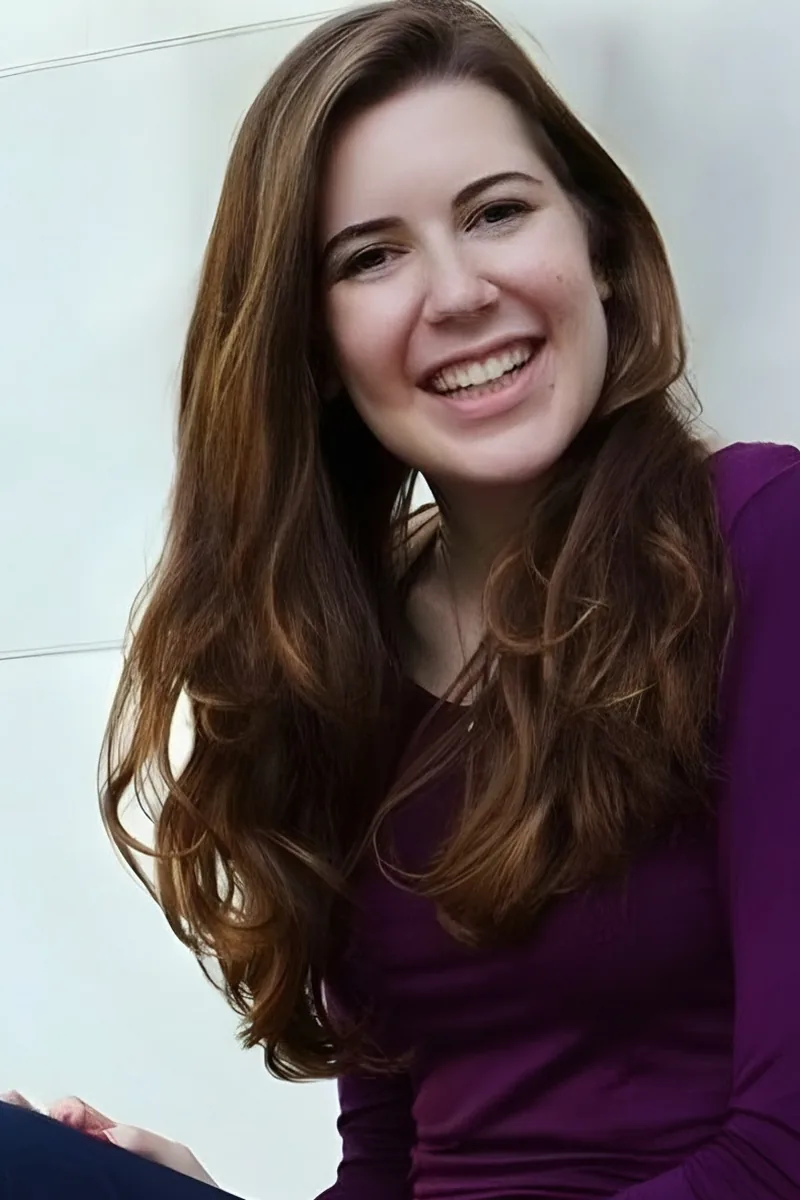
Emily studied molecular, cellular, and developmental biology at Yale and then earned her MPH in epidemiology, giving her a dual lens on microbiology — she knows the bench science of bacterial genetics and viral replication cycles, and she understands how those organisms behave in populations. She digs into topics like gram staining, metabolic pathways, and host-pathogen interactions with the detail a college-level course demands.
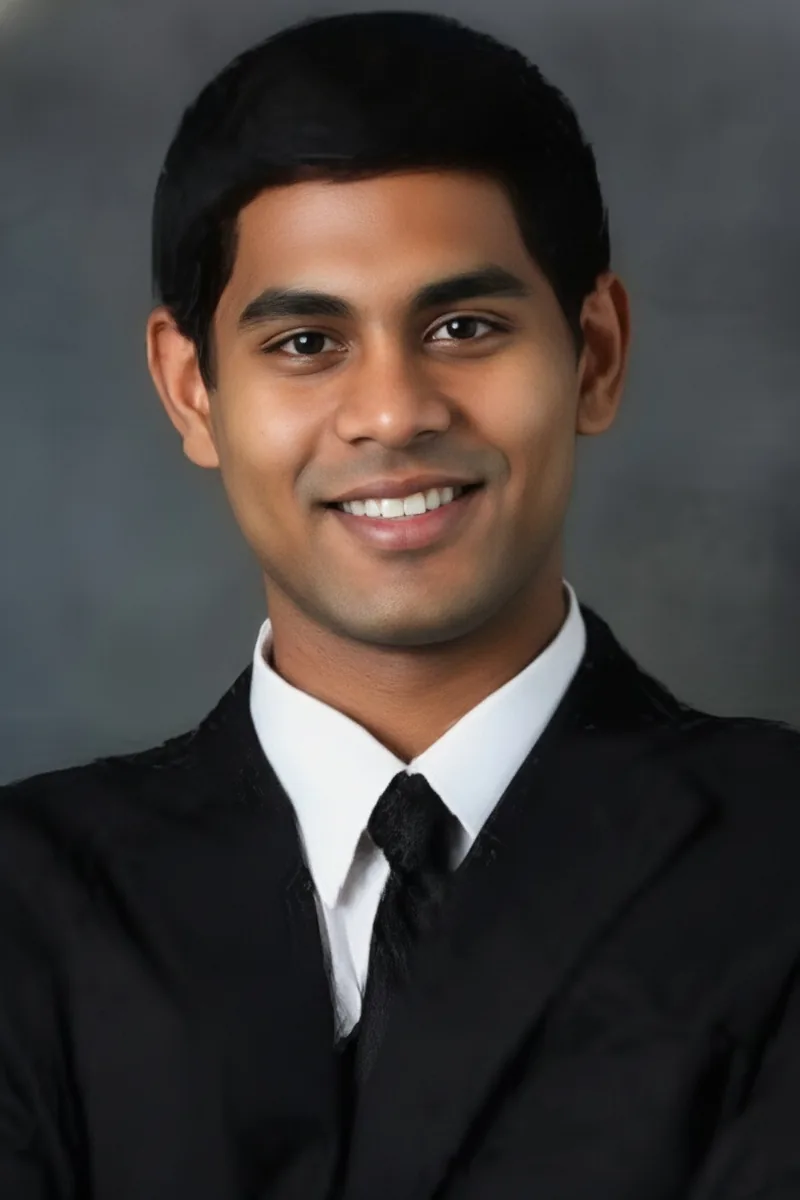
Studying microbiology in preparation for medical school gave Nishad a detailed command of bacterial physiology, viral replication cycles, and immune response pathways. He teaches students to connect structure to function — understanding why Gram-negative bacteria resist certain antibiotics, for instance, by tracing the architecture of their outer membrane.
Bacterial genetics, microbial metabolism, and pathogenesis mechanisms can feel like an overwhelming amount of detail to absorb at once. Akarsh earned both his bachelor's and master's degrees in cellular and molecular biology, so he unpacks microbiology at the molecular level — connecting gene regulation to virulence factors and metabolic pathways in ways that make the material stick.
Josef's life sciences research at Cornell gave him hands-on familiarity with microbial systems, from bacterial cell structure and gram staining to pathogenic mechanisms and antibiotic resistance. He teaches microbiology by linking each organism's biology to its clinical or ecological significance, which makes classification and virulence factors far easier to retain.
Studying microbiology at the college level means juggling bacterial classification, metabolic pathways, virulence factors, and immune response mechanisms all at once. Kristin earned her biology degree at the University of Chicago and now applies microbiology daily in her nursing graduate program at Penn, where pathogen behavior and infection control are part of clinical reality rather than just textbook diagrams.
Garrett's biology degree paired with his coursework in physiology and anatomy means he understands microorganisms in the context of the systems they infect — not as isolated names on a flashcard. He walks through topics like microbial cell structure, pathogen life cycles, and immune evasion strategies by anchoring each organism to the tissue-level damage it actually causes, which turns a massive taxonomy into something students can reason through.
Understanding microbiology means more than memorizing bacterial classifications — it requires seeing how metabolic pathways, genetic regulation, and environmental pressures shape microbial behavior. Alec studied genetics, genomics, and development at Cornell and taught biology content in both lecture and small-group settings, giving him a knack for making concepts like quorum sensing or virulence factor regulation feel intuitive rather than overwhelming.
Understanding microbiology means keeping dozens of organisms, metabolic pathways, and virulence mechanisms straight — and knowing when the differences actually matter. Jonathan's human biology training and pre-med preparation at Cornell gave him a clinical lens for bacterial genetics, host-pathogen interactions, and antimicrobial resistance that makes the material more intuitive than rote flashcard review.
A Stanford Human Biology degree with a concentration in bioinformatics gave Matthew a computational angle on microbiology — he thinks about microbial populations in terms of gene expression data, genomic analysis, and the quantitative patterns underlying concepts like antibiotic resistance and pathogen evolution. That top-down, systems-level perspective is especially useful for students who struggle to see how individual topics like bacterial metabolism or viral replication fit into the bigger biological picture. Rated 4.9 by students.
As a second-year medical student with an undergraduate degree in Molecular, Cell, & Developmental Biology from UCLA, Vinay brings clinical context to microbiology topics like bacterial pathogenesis, viral replication cycles, and antimicrobial resistance mechanisms. He connects each organism's structure to its behavior — explaining *why* gram-negative bacteria respond differently to antibiotics, not just *that* they do. His pharmacology knowledge adds an extra layer for students studying micro in a pre-health context.
Understanding bacterial metabolism, viral replication cycles, and immune response pathways requires more than memorizing diagrams — it requires seeing how microorganisms interact with living systems. Li's training in both speech-and-hearing science and medicine gives her a clinical lens that makes microbiology concepts feel relevant and interconnected.
Studying cancer biology at the University of Chicago means Jessica spends time with microbial mechanisms at the cellular and molecular level — bacterial gene regulation, pathogenesis, and immune evasion strategies. She unpacks these dense topics by tying them to specific experimental techniques students encounter in their own coursework.
Keeping bacterial classification, virulence factors, and immune evasion strategies straight requires a system, not just flashcards. As a medical student at the Medical College of Wisconsin, Abrahim deals with microbiology in a clinical context daily — he teaches students to organize pathogens by mechanism of action and host response, which makes exam recall far more reliable.
Medical school demands a granular understanding of pathogens — bacterial cell wall differences, viral replication cycles, antibiotic resistance mechanisms. Daniel earned his M.D. and brings that clinical lens to microbiology, connecting each organism's structure and behavior to the disease processes students are expected to know for exams.
Between her molecular biology degree and her current biomedical science graduate program, Sierra has spent years working with bacterial physiology, microbial genetics, and host-pathogen interactions. She explains dense topics like gram staining protocols, metabolic pathways, and antimicrobial resistance mechanisms by tying them back to real clinical and research scenarios that make the material stick.
Medical school gave Kruti an unusually practical understanding of microbiology — she learned bacteria, viruses, fungi, and parasites not as abstract taxonomy but as organisms that cause specific diseases through specific mechanisms. She digs into concepts like virulence factors, antibiotic resistance pathways, and immune evasion strategies with the kind of detail that sticks. Students preparing for college-level micro exams or USMLE-style questions get someone who's recently navigated both.
Ryan's master's work in cellular and molecular biology at Stanford, combined with hands-on synthetic biology research at NASA Ames, gave him deep fluency in microbial genetics, metabolic pathways, and laboratory techniques like PCR and gene cloning. He unpacks topics like bacterial pathogenesis and antimicrobial resistance by connecting them to the molecular mechanisms driving each process. Rated 5.0 by students.
Neuroscience training at the undergraduate level means Jhonatan spent significant time with the microbial world — understanding how pathogens cross the blood-brain barrier, how CNS infections progress, and how the gut microbiome communicates with neural tissue. He teaches microbial physiology and host interactions by anchoring them to these neuroimmune connections, giving students a narrative thread through what can otherwise feel like an overwhelming catalog of organisms. Rated 5.0 by students.
Medical school gave Amanda a front-row seat to microbiology that matters — bacterial pathogenesis, viral replication cycles, immune evasion strategies, and antimicrobial resistance. She teaches microbiology by organizing organisms around the mechanisms that make them dangerous or clinically important, which turns a subject that can feel like pure memorization into a set of logical patterns. Students preparing for exams or applying to health professions get a tutor who knows exactly how this material shows up later.
Neuroscience at Brown doesn't let you skip the micro — Owen's coursework in biology and chemistry built a working understanding of how microorganisms operate at the cellular level, from membrane transport to metabolic regulation. He brings that mechanistic thinking to topics like bacterial growth curves and immune evasion, breaking down each process into the molecular steps that actually explain it.
Environmental science and public policy might seem distant from microbiology, but Ethan's coursework in biology, chemistry, and ecology covered the microbial ecology and nutrient cycling that underpin environmental systems — how soil bacteria drive nitrogen fixation, how waterborne pathogens behave in different conditions, and why microbial communities matter for public health policy. That environmental angle gives him a unique way of explaining concepts like bacterial metabolism and population dynamics, grounding abstract processes in real-world ecological contexts. Holds a 5.0 rating.
Between his biochemistry degree from Rice and his medical school training, Sanjay has spent years immersed in the microbial world — bacterial cell structure, pathogenic mechanisms, antimicrobial resistance, and the metabolic pathways that distinguish different organisms. He connects microbiology concepts to clinical scenarios, which makes memorizing genera, gram stain results, and virulence factors far more intuitive.
Rebecca tutored microbiology throughout her time at Cornell while completing her biological sciences degree, so she knows exactly where students get lost — distinguishing bacterial metabolic pathways, interpreting Gram stain results, or connecting virulence factors to clinical outcomes. She teaches the subject by building a logical framework around microbial structure and function, which makes memorizing hundreds of organisms far more manageable.
Medical school at Penn's Perelman School of Medicine gave Daniel hands-on exposure to microbiology that goes well beyond a standard textbook — from bacterial virulence factors to antibiotic resistance mechanisms to the clinical presentations they produce. He connects microbial physiology to real infectious disease scenarios, which makes distinguishing gram-positive from gram-negative organisms or understanding viral replication cycles far more intuitive.
Richard's PhD research at Northwestern is in microbiology, which means he's not teaching this subject from a textbook — he's living it. He digs into topics like bacterial pathogenesis, microbial genetics, and host-immune interactions with the kind of detail that comes from years at the bench. Students preparing for exams or struggling with lab reports get someone who can connect microscopic mechanisms to the bigger public health picture.
Bacterial morphology, Gram staining techniques, viral replication cycles — microbiology throws a lot of vocabulary at students before asking them to think critically about pathogenesis and immune response. Ade's biology degree gives him the foundation to break down these interconnected systems and show how individual microorganisms actually behave in clinical and environmental contexts.
Rashida's PhD in Cellular and Molecular Biology means she teaches microbiology from the inside out — starting at the level of gene regulation, membrane transport, and molecular signaling before zooming out to how microorganisms behave in populations. Her doctoral research and experience leading discussions in cell biology and Mendelian genetics give her a particular knack for explaining how bacteria acquire and express resistance genes, or how horizontal gene transfer reshapes microbial communities. Rated 5.0 by students.
Keeping bacterial classification, metabolic pathways, and virulence factors straight requires more than flashcards — it requires a framework. Rachel approaches microbiology by organizing organisms around how they survive: their energy sources, their structural defenses, and how they interact with host immune responses. That structure turns a sprawling subject into something students can actually reason through on exams.
The IB Biology program — both SL and HL — drills deep into microbial topics like cell theory, pathogen classification, and antibiotic resistance, and Kinjal completed that rigorous track before earning her biology degree at Texas A&M. That combination means she can walk through bacterial structure, microbial metabolism, and host-pathogen dynamics with the kind of layered understanding that comes from studying the material twice at increasing depth. Rated 5.0 by students.
Gram stains, bacterial metabolic pathways, and viral replication cycles all require a kind of systematic memorization that falls apart without conceptual scaffolding. Anni's graduate work in biomedical sciences at UMDNJ gave her direct experience with microbial concepts, and she teaches them by linking each organism's structure to its clinical significance.
Daniel earned his bachelor's degree in microbiology before completing dental school, giving him deep familiarity with bacterial morphology, metabolic pathways, and host-pathogen interactions. He approaches topics like gram staining protocols and viral replication cycles with the kind of specificity that turns a dense subject into something students can reason through rather than just memorize.
Studying both Biology and Political Science at the college level, Andrea is immersed in microbiology coursework — from bacterial cell structure and metabolic pathways to viral replication cycles. She unpacks dense material by tying molecular-level processes to bigger-picture concepts like immune response and antibiotic resistance, which makes the details easier to retain.
Between bacterial genetics, metabolic pathways, and immune evasion strategies, microbiology covers an enormous range of material in a single semester. Emily's current research position at UTHealth keeps her immersed in lab techniques and microbial concepts daily, so she explains topics like Gram staining, virulence factors, and antibiotic resistance with the fluency of someone who actually uses this knowledge at the bench.
Jean's medical training at Harvard Medical School gave her deep familiarity with the microbiology that matters most: bacterial pathogenesis, viral replication cycles, immune evasion strategies, and antimicrobial resistance. She breaks down complex host-pathogen interactions by tying them to clinical scenarios, which makes the material stick far better than rote memorization of genus and species lists.
Michelle's PhD thesis centered on bacterial infections, so microbiology isn't a textbook subject for her — it's the system she lived in for years. She digs into topics like biofilm formation, antimicrobial resistance mechanisms, and host-pathogen dynamics with the kind of specificity that comes from designing experiments around those exact processes.
Before pursuing her graduate degree, Kelsey taught microbiology at a community college, designing her own review materials and walking students through bacterial metabolism, microbial genetics, and lab techniques like Gram staining and culture analysis. That classroom experience means she knows which concepts trip students up — and how to explain them differently the second time around. Rated 4.9 by students.
Bacterial classification, viral replication cycles, and host-pathogen interactions are central to both microbiology coursework and clinical medicine. As a medical student at UMKC, Evelyn encounters these concepts in a clinical context every week, which means she can explain the difference between gram-positive and gram-negative organisms — or how antibiotic resistance develops — with real diagnostic scenarios in mind.
A Harvard-trained biologist with classroom teaching experience, Elizabeth digs into microbial structure, metabolism, and pathogenesis with genuine enthusiasm for the subject. She's particularly strong at connecting micro-level processes — bacterial gene regulation, viral replication cycles — to the bigger biological picture. Her science teaching background means she can unpack dense material without losing the thread.
A Stanford-trained biologist, Abhinav digs into microbiology topics like bacterial cell structure, metabolic pathways, and host-pathogen interactions with the detail they demand. He connects concepts across scales — linking molecular mechanisms like quorum sensing to broader outcomes like biofilm formation — so students see microbiology as a story rather than a catalog of organisms.
Haley's day job in a public health laboratory gives her hands-on experience with the bacterial cultures, staining techniques, and antimicrobial susceptibility testing that microbiology courses cover in theory. She brings real bench context to topics like gram-negative vs. gram-positive classification, metabolic pathways, and pathogenesis — turning textbook organisms into something tangible. Rated 5.0 by students.
Testimonials
Because the right Microbiology tutor makes all the difference.
Average Session Rating – Based on 3.4M Learner Ratings
Nearby Microbiology Tutors
Other Manhattan Tutors
Related Science Tutors in Manhattan
Frequently Asked Questions
Your first session is all about understanding your current level and goals. A tutor will assess what you're working on—whether that's cell structure, bacterial identification, or lab techniques—and identify specific areas where you need support. From there, they'll create a personalized plan to help you build both conceptual understanding and hands-on skills.
Yes. Tutors can help you understand the scientific reasoning behind lab procedures, prepare you for what to expect in the lab, and review your results and data analysis afterward. This bridges the gap between theory and practice, so you're not just following steps—you're understanding why each technique matters and how to troubleshoot when things don't go as planned.
Great tutors focus on building understanding rather than rote memorization. By connecting concepts—like how bacterial cell structures relate to their functions, or why certain staining techniques work—you'll retain information more deeply and be able to apply it to new situations. This approach actually reduces the memorization burden because you're learning the 'why' behind the facts.
Tutors use multiple strategies to make the invisible visible: drawing diagrams, using models, breaking down processes step-by-step, and connecting abstract concepts to real-world examples you can relate to. When you can mentally picture how bacteria reproduce or how antibiotics interact with cell membranes, the material becomes much more concrete and easier to understand.
Students often struggle with distinguishing between similar organisms, understanding metabolic pathways, applying the scientific method to experimental design, and connecting microscopic processes to their macroscopic effects. Tutors help you develop the critical thinking skills to work through these challenges systematically rather than just memorizing facts in isolation.
Tutors create targeted study plans based on your exam format and content areas, help you practice with realistic problems, and teach you how to approach different question types—from identification and mechanism questions to experimental design scenarios. Regular practice combined with conceptual review ensures you're ready to apply your knowledge under pressure.
Varsity Tutors connects you with tutors who have strong backgrounds in microbiology and experience teaching at your level. You can discuss your specific needs—whether you're in an introductory course, AP Biology, or college-level microbiology—and get matched with someone who can provide personalized instruction tailored to your goals.
Absolutely. Beyond teaching microbiology content, tutors help you develop skills like designing experiments, interpreting data, forming hypotheses, and troubleshooting problems—all core to scientific thinking. These skills transfer across science courses and prepare you for higher-level study or careers in science and healthcare.
Let’s find your perfect tutor
Answer a few quick questions. We’ll recommend the right plan and match you with a top 5% tutor.