Award-Winning Physics Tutors
serving Reno, NV
Award-Winning
Physics
Tutors in Reno
Private 1-on-1 tutoring, weekly live classes for academic support, test prep & enrichment, practice tests and diagnostics, and more to elevate grades and test scores.
Based on 3.4M Learner Ratings
UniversitiesSchools & Universities
DeliveredHours Delivered
ProficiencyGrowth in Proficiency
Who needs tutoring?
No obligation. Takes ~1 minute.
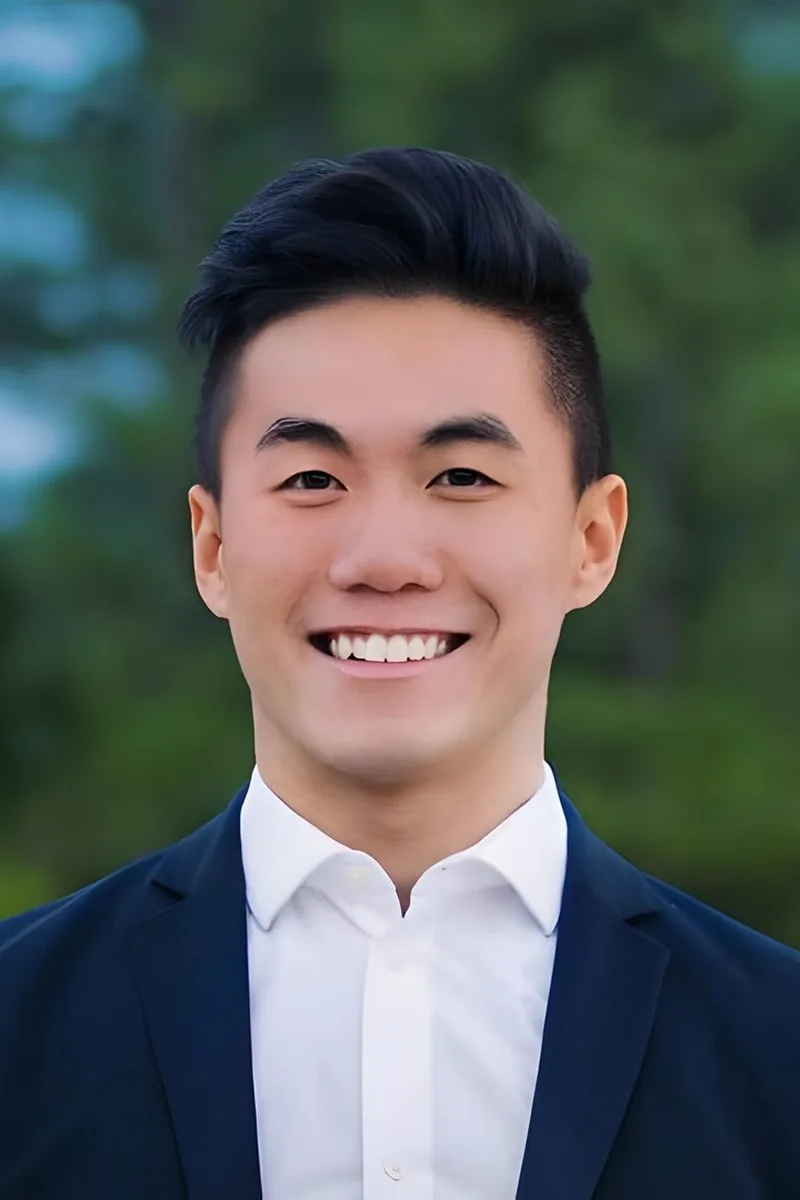
Mechanical engineering grad school is essentially applied physics on repeat — Aaron solves statics, dynamics, thermodynamics, and fluid mechanics problems daily, so the concepts in introductory and AP-level courses are second nature rather than something he has to dust off. He's especially sharp at breaking down free-body diagrams and energy conservation setups, connecting the physical picture to the math so students see why an equation applies instead of guessing which one to use. Rated 5.0 by students.
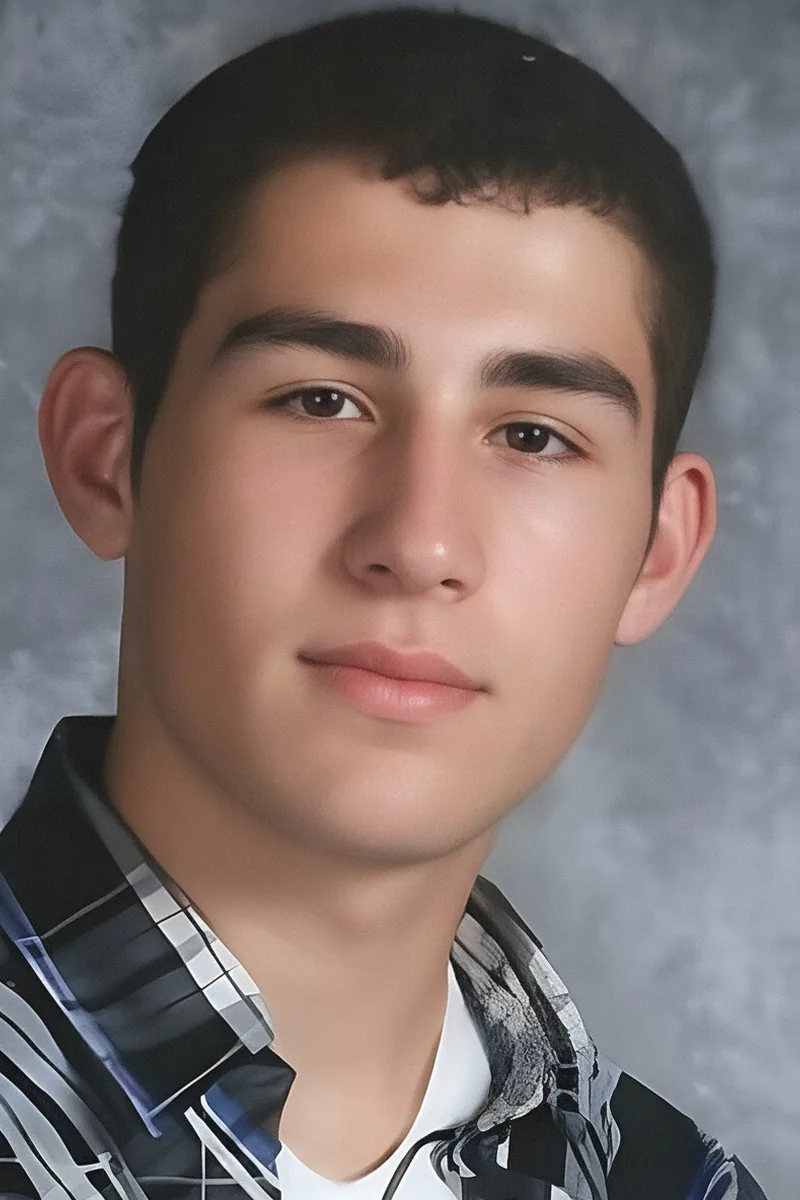
Studying mechanical engineering at Harvard means Christopher doesn't just remember physics — he's actively building on it every semester, from Newtonian mechanics and thermodynamics to electromagnetism and wave behavior. He breaks down complex problems by teaching students to draw clean free-body diagrams, identify which conservation law applies, and translate word problems into solvable equations. That systematic approach turns intimidating multi-step problems into manageable sequences.
Engineering is applied physics, which means Charles doesn't just remember the formulas for kinematics, energy conservation, or rotational dynamics — he uses them to solve design problems at Yale every week. That practical fluency lets him explain not just how to set up a free-body diagram but why each force matters and what happens when you change a variable. Rated across math and science subjects, he's especially sharp on real-world application problems.
Three years of tutoring introductory physics at Washington University gave Justin a sharp sense of where students get stuck — usually at the gap between understanding a concept verbally and translating it into a free-body diagram or equation. His dual bachelor's degrees in physics and math, plus doctoral training in computational methods, let him attack problems from both the physical intuition side and the mathematical machinery side. Rated 5.0 by students.
A PhD in biomedical engineering built on a bachelor's in physics means Andrew has spent years solving problems across mechanics, electromagnetism, and thermodynamics. He teaches physics by emphasizing free-body diagrams, unit analysis, and the habit of translating word problems into mathematical models before reaching for formulas. That systematic approach turns intimidating multi-step problems into manageable sequences.
Engineering students see physics differently than most tutors do — every force diagram, energy conservation problem, and wave equation is a tool they actually use. Ellie's biomedical engineering program at Yale means she tackles mechanics, electricity, and thermodynamics regularly in applied contexts. She unpacks the math behind each physics concept so students understand the equations instead of just memorizing them.
Engineering is applied physics, so Kate spent years solving the exact kinds of problems — free-body diagrams, energy conservation, circuit analysis — that show up in introductory physics courses. She walks through each problem by identifying what physical principle applies and why, which builds the kind of intuition that makes new problems feel approachable instead of intimidating.
Akarsh's cellular and molecular biology training — both bachelor's and master's — required grinding through the same mechanics, thermodynamics, and electromagnetism that physics students face, particularly in biophysics coursework where forces, pressure gradients, and energy transfer aren't optional. He tackles problem sets by first isolating which physical law is actually at work, then mapping the math onto it step by step, so students stop guessing at formulas and start reasoning through solutions.
Most physics struggles come down to one thing: not knowing how to start a problem. Phillip teaches a systematic approach — draw the diagram, identify the forces, pick the right coordinate system — that turns intimidating multi-step problems into a sequence of smaller, solvable ones. He's taken physics through the college level as part of his biomedical engineering degree at Brown and knows exactly where conceptual gaps tend to hide.
Three science degrees from Yale — including one in chemistry — mean Zosia has worked through mechanics, thermodynamics, and electromagnetism problems repeatedly across disciplines, building the kind of cross-subject fluency that makes her especially clear on where physics concepts connect to the math underneath. She digs into the specific step where a student's reasoning breaks down, whether that's setting up Newton's second law for a pulley system or tracking signs through a conservation-of-energy equation. Rated 4.9 by students.
A Caltech economics and computer science graduate, Brian brings serious quantitative depth to physics — from Newtonian mechanics and energy conservation through electromagnetism and wave behavior. He teaches students to set up problems systematically, identifying which principles apply before touching a single equation, which is the skill that separates students who understand physics from those who just memorize formulas.
Between a mechanical engineering bachelor's and a PhD program at Rice, Jeffrey has spent years solving statics, dynamics, and thermodynamics problems that most students only encounter in their first physics course. He taught calculus-based physics at Notre Dame and assisted in Differential Equations and Mechanics, so he knows exactly where students lose the thread — especially when multi-step force and energy problems demand both physical reasoning and clean math. Rated 4.9 by students.
Testimonials
Because the right Physics tutor makes all the difference.
Average Session Rating – Based on 3.4M Learner Ratings
Practice Physics
Free practice tests, flashcards, and AI tutoring for Physics
Other Reno Tutors
Related Science Tutors in Reno
Frequently Asked Questions
Students often struggle with connecting abstract concepts like forces, energy, and motion to real-world applications. Many find it difficult to visualize invisible phenomena—how electromagnetic fields work, why objects fall at the same rate, or how momentum transfers in collisions. Additionally, balancing equations, unit conversions, and applying the right formulas to problem-solving can feel overwhelming without personalized guidance that breaks concepts into manageable pieces.
Your first session focuses on understanding your specific challenges and learning style. A tutor will assess which concepts need clarification—whether it's kinematics, thermodynamics, or circuits—and identify gaps in foundational knowledge. From there, you'll work together to create a personalized plan that builds confidence and tackles your most pressing physics struggles, whether that's upcoming exams, lab work, or general conceptual understanding.
Absolutely. Tutors help you understand the scientific method, design experiments thoughtfully, and interpret results accurately. Whether you're learning to use lab equipment, troubleshooting unexpected data, or writing lab reports, personalized instruction clarifies the reasoning behind each step. This support strengthens both your experimental skills and your ability to think like a scientist—skills that extend far beyond the lab.
Rather than just memorizing formulas, tutors teach you when and why to use them. You'll learn to identify what a problem is asking, organize given information, and select the right approach—building genuine problem-solving skills instead of relying on memorization. This method transforms how you tackle unfamiliar problems and helps formulas stick because you understand the concepts behind them.
Tutors use diagrams, real-world examples, and hands-on explanations to make invisible forces and phenomena tangible. Whether it's sketching free-body diagrams for forces, animating wave behavior, or connecting gravity to everyday experiences, personalized instruction transforms abstract ideas into concepts you can actually see and understand. This visual and conceptual clarity makes physics feel less mysterious and more intuitive.
Look for tutors with strong physics backgrounds—ideally someone who has studied physics at the college level or has extensive teaching experience. They should understand the Reno-area curriculum and be able to explain concepts clearly in multiple ways. Most importantly, they should connect with your learning style and show patience in breaking down complex ideas until they click for you.
Many students notice improved understanding and confidence within 3-4 sessions, especially when tutoring targets specific problem areas. However, building strong foundational skills and consistent problem-solving ability usually takes 8-12 weeks of regular sessions. The timeline depends on your starting point, how frequently you meet, and how actively you practice between sessions—personalized tutoring accelerates progress by focusing directly on your needs.
Yes. Varsity Tutors connects you with tutors experienced in AP Physics 1, AP Physics 2, AP Physics C, and honors physics courses. These advanced classes demand deeper conceptual understanding and stronger problem-solving skills, and personalized tutoring helps you master both. Whether you're preparing for the AP exam or strengthening your grade in an honors class, tutors tailor their approach to your specific curriculum and goals.
Let’s find your perfect tutor
Answer a few quick questions. We’ll recommend the right plan and match you with a top 5% tutor.