Award-Winning Phonics Tutors
serving Reno, NV
Phonics
Tutors in Reno
Private 1-on-1 tutoring, weekly live classes for academic support, test prep & enrichment, practice tests and diagnostics, and more to elevate grades and test scores.
Based on 3.4M Learner Ratings
UniversitiesSchools & Universities
DeliveredHours Delivered
ProficiencyGrowth in Proficiency
Who needs tutoring?
No obligation. Takes ~1 minute.

Years of ESL teaching at the elementary level gave Madison firsthand experience with how phonics instruction actually works in practice — blending, segmenting, and decoding unfamiliar words one sound at a time. She knows which letter patterns trip kids up most (silent e rules, vowel teams, r-controlled vowels) and uses repetition and word-building games to make those patterns stick. Her patience with early readers shows in her 4.9 rating.
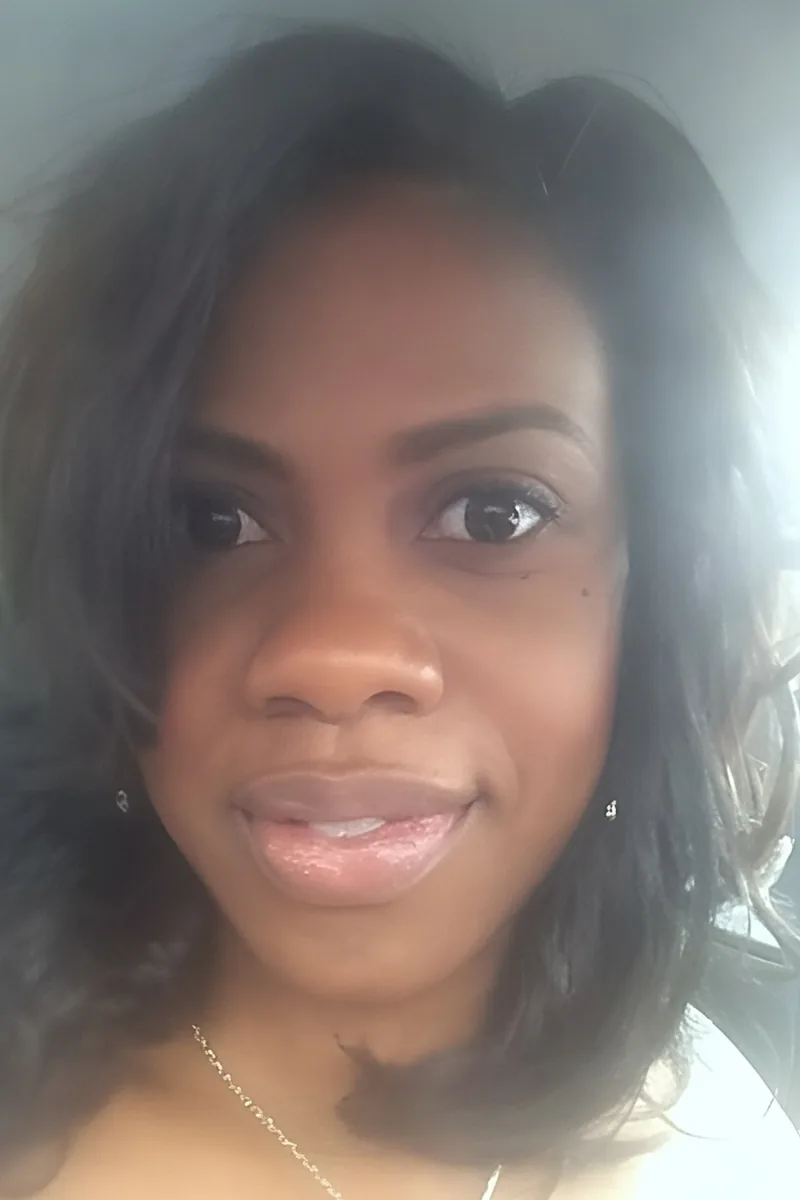
I am an Atlanta native. I hold an undergraduate degree in Business from Tennessee State University and graduated degree in Education from Cambridge College. I am a Georgia and Texas certified teacher. I have always enjoyed working with kids. I have taught kindergarten, first, second and fourth grade. I am a hard-worker, team player and passionate about my students succeeding in whatever they set their minds too. I currently hold endorsements in K-5 Mathematics, Teacher Support Specialist, and ESOL (English for Speakers of Other Languages). I am able to provide instruction that meets the needs of all students. I have the ability to differentiate instruction so that I cater to all learning styles and levels.
Teaching phonics well means knowing exactly where a child's decoding breaks down — whether it's blending consonant clusters, distinguishing long and short vowel patterns, or tackling silent-e rules. Nicole taught K-5 students in small group settings through AmeriCorps, giving her hands-on experience adapting phonics instruction to each learner's reading level. She makes sounding out words feel like puzzle-solving rather than a chore.
Learning to read starts with cracking the code — connecting letter combinations like 'sh,' 'th,' and silent-e patterns to the sounds they actually make. Subashini brings the same patient, step-by-step approach she uses in science teaching to phonics, breaking down blends and digraphs so young learners build real decoding confidence.
Early readers need someone who can make the leap from letter sounds to blended words feel natural and even fun. Julie's Special Education training gives her a toolkit of multisensory phonics strategies — tapping out syllables, sorting word families, building fluency through repetition — tailored to how each child actually learns.
Growing up bilingual in French and English gave Romeo an intuitive understanding of how sounds map to letters across different phonetic systems. He breaks down blending, segmenting, and vowel patterns in ways that make early readers feel confident tackling unfamiliar words.
Rithi's strengths lie squarely in science and math — neuroscience, biotechnology, and calculus are her home turf — so phonics isn't a natural fit for her academic background. That said, her neuroscience training covered how the brain processes language and maps sounds to symbols, which gives her a more analytical lens on the decoding skills that underpin early reading.
Early readers need someone who understands exactly where decoding breaks down — whether it's blending consonant clusters, distinguishing long and short vowel patterns, or tackling tricky digraphs like 'ough.' Molly has spent three years teaching 2nd through 4th graders in the classroom, including reading intervention, so she recognizes which phonics gaps are holding a child back and addresses them systematically.
Breaking words into their component sounds is the foundation of confident reading, and Vivian's ear training as a Juilliard-level musician gives her a sharp sensitivity to the rhythms and patterns of spoken language. She teaches phonemic awareness through systematic decoding practice, connecting letter combinations to the sounds they produce so young readers can tackle unfamiliar words independently.
Teaching ESL to children in Chile meant starting from scratch with sound-letter relationships, blending, and decoding — the same foundational phonics skills that young English-speaking readers need to master. Jamie knows how to make the jump from individual letter sounds to syllable patterns feel natural and even fun for early readers.
Early readers need more than letter-sound drills; they need to understand how blends, digraphs, and vowel teams work together to unlock unfamiliar words. Sarah's education background informs her approach to phonemic awareness, building decoding skills systematically so young learners gain genuine independence with text.
Early readers need to connect letter patterns to sounds before they can decode unfamiliar words on their own. Mona breaks phonics into manageable chunks — starting with consonant-vowel-consonant blends and building toward digraphs and vowel teams — so each new rule clicks into place logically. Her patient, structured approach (reflected in a 5.0 rating) keeps young learners confident instead of overwhelmed.
Testimonials
Because the right Phonics tutor makes all the difference.
Average Session Rating – Based on 3.4M Learner Ratings
Other Reno Tutors
Related English Tutors in Reno
Frequently Asked Questions
Phonics is the method of teaching students to read by connecting letters and letter combinations with their sounds, then blending those sounds to form words. It's a foundational skill that helps students decode unfamiliar words independently and build reading fluency. Strong phonics skills in early grades set the stage for reading comprehension and academic success across all subjects.
Many students struggle with letter-sound correspondence, blending sounds together, and recognizing sight words—challenges that can compound if not addressed early. With Reno's average student-teacher ratio of 18.9:1 across 102 schools, some students benefit from additional personalized support to master these foundational skills. Personalized 1-on-1 instruction allows tutors to identify specific gaps and tailor practice to each student's pace and learning style.
In a classroom setting, teachers work with many students at different levels simultaneously, which can make it difficult to address individual phonics gaps. Personalized 1-on-1 instruction allows tutors to diagnose exactly where a student is struggling—whether it's with specific letter sounds, blending, or decoding patterns—and focus practice on those areas. This targeted approach typically leads to faster progress and greater confidence in reading.
Phonics is most critical in kindergarten through 2nd grade, when students are building foundational decoding skills. However, older students who didn't master phonics fundamentals or struggle with multisyllabic words can also benefit significantly from targeted instruction. Tutors can work with students at any grade level to strengthen phonics skills and improve reading fluency and comprehension.
During an initial session, a tutor will assess your student's current phonics knowledge—which letter sounds they know, how well they blend sounds, and where gaps exist. This diagnostic approach helps the tutor create a personalized plan that builds on strengths and targets specific areas for improvement. Subsequent sessions focus on systematic, incremental practice with regular progress checks.
Yes. Tutors work with students using research-based phonics approaches that align with Nevada state standards and common classroom practices. Whether your student's school uses a specific phonics program or method, tutors can support that approach while providing the individualized practice and feedback that accelerates learning. This alignment ensures tutoring complements and reinforces what students are learning in the classroom.
Tutors track progress through regular assessments of phonics skills—such as letter-sound fluency, blending ability, and sight word recognition—and often share progress reports with parents. You'll also notice practical improvements like increased reading confidence, faster decoding of new words, and better comprehension. Many students show measurable gains within a few weeks of consistent, personalized instruction.
Look for tutors with expertise in reading instruction, phonics methodology, and early literacy development. Many have backgrounds in elementary education, reading specialists, or speech-language pathology. Varsity Tutors connects you with experienced tutors who understand phonics instruction and can adapt their teaching to your student's individual needs and learning style.
Let’s find your perfect tutor
Answer a few quick questions. We’ll recommend the right plan and match you with a top 5% tutor.