Award-Winning Python Tutors
serving St. Louis, MO
Python
Tutors in St. Louis
Private 1-on-1 tutoring, weekly live classes for academic support, test prep & enrichment, practice tests and diagnostics, and more to elevate grades and test scores.
Based on 3.4M Learner Ratings
UniversitiesSchools & Universities
DeliveredHours Delivered
ProficiencyGrowth in Proficiency
Who needs tutoring?
No obligation. Takes ~1 minute.
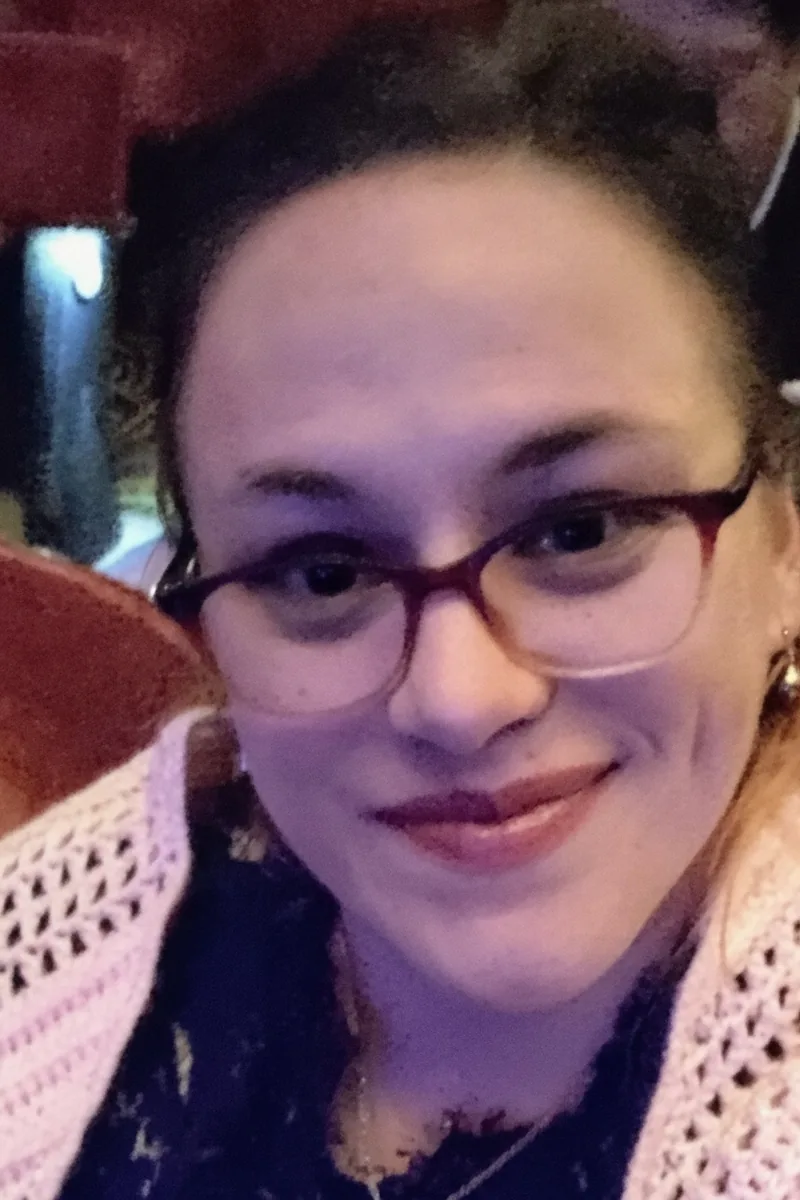
With a PhD in computer science, Samantha doesn't just teach Python syntax — she's spent years writing code for research, which means she understands how to structure programs that scale beyond a homework assignment. She's especially effective at walking through debugging strategies and helping students move from copying examples to designing their own solutions using classes, data structures, and clean modular logic. Rated 5.0 by students.
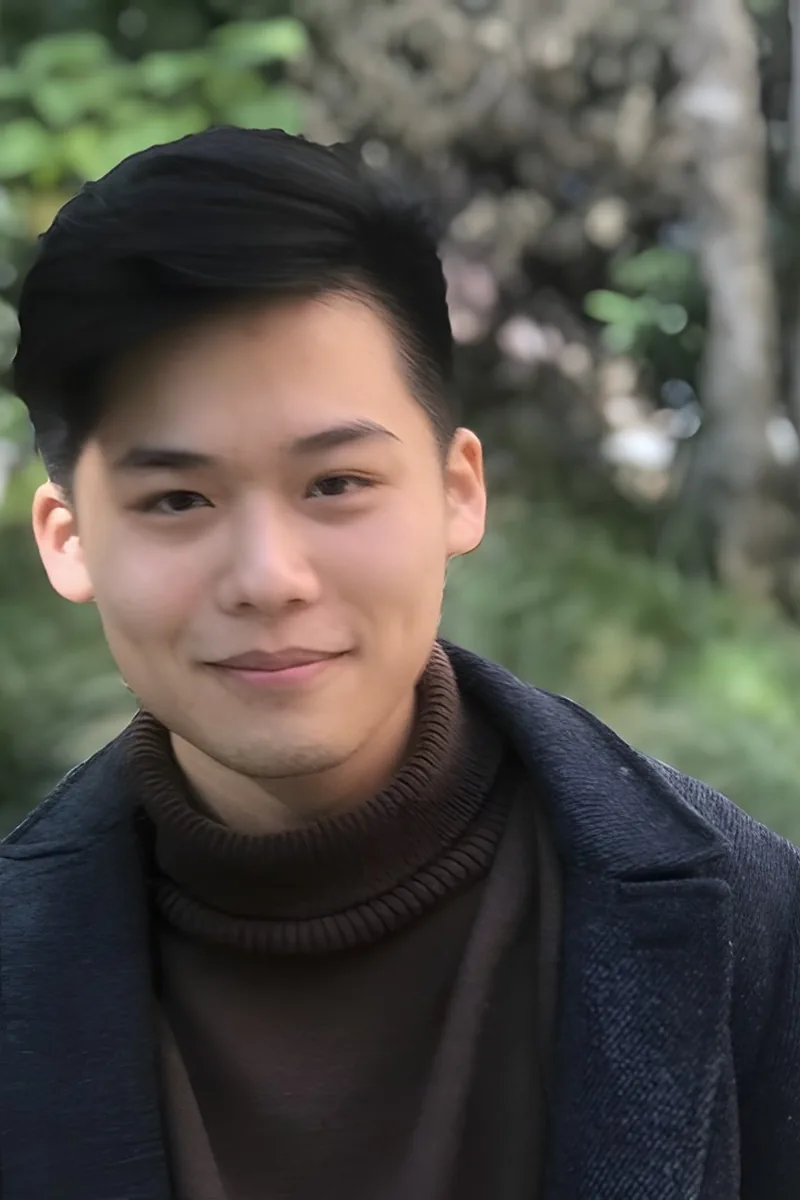
Learning Python means learning to think in loops, conditionals, and data structures before worrying about syntax. Kerr, a computer science student at Vanderbilt currently building iOS and game projects, walks students through writing actual programs — from simple scripts to projects involving lists, dictionaries, and file I/O — so the logic sticks. He emphasizes understanding *why* code works, which makes debugging feel intuitive rather than frustrating.
Pratik's subject list is heavy on science and math — AP Chemistry, AP Biology, college physics — which means he picked up Python the way most STEM students do: writing scripts to process data, automate calculations, and solve problems that would take forever by hand. That practical entry point lets him teach core concepts like loops, conditionals, and functions through tasks students can immediately see the purpose of, rather than abstract exercises disconnected from anything real.
From writing first scripts with loops and conditionals to building out classes and working with libraries like pandas or matplotlib, Elyse tailors Python sessions to wherever a student's project or coursework demands. Her Stanford CS training means she doesn't just teach syntax — she instills habits like clean code structure and meaningful variable naming that prevent headaches later.
Applied mathematics at Rice means writing code daily — Alexander uses Python for everything from numerical simulations to data analysis in his coursework, so he teaches the language the way it's actually used: loops, functions, libraries like NumPy, and debugging strategies that save hours. He's especially good at bridging the gap for students who understand math concepts but struggle to translate them into working scripts.
At Cornell, Ryan's computer science coursework has him writing Python across a range of contexts — from implementing data structures and algorithms to building out projects in classes that demand clean, readable code. He's especially effective at teaching students who are just starting out how to break a problem into smaller pieces and translate pseudocode into working functions, loops, and conditionals. Rated 4.8 by students.
Gabriel's computer science studies at Penn give him daily fluency in Python, from writing clean functions and loops to working with libraries like pandas for data analysis. He walks beginners through debugging line by line so they learn to read error messages instead of fearing them.
Python's clean syntax makes it a great first language, but students still struggle when they hit list comprehensions, recursion, or the jump to libraries like NumPy and pandas. Firas uses Python daily in his machine learning research at Princeton, so he teaches it the way working engineers actually write it — readable, modular, and testable. He's equally comfortable introducing beginners to variables and control flow or walking advanced students through data pipelines.
Python's readability makes it a great first language, but students still stumble on list comprehensions, class inheritance, and debugging logic errors they can't see. Jonathan uses Python in his own Cornell coursework across both CS and engineering projects, so he teaches the language the way it's actually used — not just syntax drills, but writing clean, functional code that solves real problems.
Python's readability makes it a great first language, but students still stumble on list comprehensions, scope rules, and debugging recursive functions. Anna teaches Python by connecting each concept to a concrete use case — data manipulation with dictionaries, file I/O, or building small projects that make abstract syntax feel purposeful. Her interdisciplinary background in neuroscience and CS means she's comfortable whether the course leans scientific computing or software development.
Studying Computer Science at Carleton College means Meagen writes Python regularly — not just toy scripts, but projects involving data structures, algorithms, and object-oriented design. She explains concepts like loops, conditionals, and functions by connecting the logic to what the code actually does step by step, which makes debugging feel less mysterious.
As a statistics graduate student, Evan writes Python daily — building data pipelines, running simulations, and using libraries like pandas and NumPy for real analysis. He teaches programming the way he learned it: by solving actual problems, so students understand not just syntax but why specific data structures and control flows matter.
Physics research at Carnegie Mellon means Madeline writes Python daily — from NumPy arrays for data analysis to matplotlib visualizations and automating lab simulations. She teaches scripting the way she learned it: by building real projects that make loops, functions, and debugging feel purposeful rather than abstract.
Testimonials
Because the right Python tutor makes all the difference.
Average Session Rating – Based on 3.4M Learner Ratings
Nearby Python Tutors
Other St. Louis Tutors
Related Technology and Coding Tutors in St. Louis
Frequently Asked Questions
Your first session focuses on understanding your goals—whether you're learning Python for a class, building web applications, or exploring data science. The tutor will assess your current coding level, identify specific challenges like debugging or understanding loops, and create a personalized plan. You'll likely work through a simple coding exercise together to establish a baseline and get comfortable with the tutoring process.
Many students struggle with the difference between knowing Python syntax (the rules of writing code) and understanding the logic (how to solve problems algorithmically). Tutors help by walking you through problem-solving approaches first, then showing how to express those solutions in Python. This means you'll learn to think like a programmer before perfecting your syntax, which builds stronger foundational skills.
Absolutely. Debugging is one of the most valuable skills a tutor can teach. Rather than just fixing errors for you, tutors guide you through reading error messages, tracing code execution, and identifying where logic breaks down. This hands-on code review process helps you develop independence in troubleshooting—a skill that transfers to every programming project you'll ever tackle.
Yes. Python is incredibly versatile, and tutors can tailor instruction to your interests. Whether you're building web applications with Django or Flask, analyzing data with pandas and NumPy, or creating games, your tutor can focus on the libraries, frameworks, and projects most relevant to your goals. This project-based approach keeps learning practical and motivating.
Data structures and algorithms are abstract concepts that benefit greatly from personalized explanation and practice. Tutors break down concepts like lists, dictionaries, and sorting algorithms into digestible pieces, then guide you through coding exercises that reinforce understanding. Regular practice with feedback helps these ideas click faster than self-study alone.
Yes. Varsity Tutors connects students across the St. Louis area—spanning all 9 school districts and 40+ schools—with expert Python tutors. Whether you're at a public or private school, or homeschooled, you can get matched with a tutor who understands your curriculum and learning style. Personalized 1-on-1 instruction adapts to your pace and goals.
Absolutely. Project-based learning is one of the most effective ways to solidify Python skills. Tutors can guide you through building real applications—whether that's a web scraper, a data analysis project, or a game—while teaching best practices like clean code and version control. Working on something meaningful keeps you engaged and builds a portfolio you can be proud of.
If you're taking a computer science or programming class at a St. Louis school, a tutor can help you understand assignments, prepare for tests, and develop stronger problem-solving skills. Tutors review your code, explain concepts your teacher covered, and help you move beyond just getting assignments done to truly understanding how Python works. This targeted support often leads to better grades and genuine confidence in coding.
Let’s find your perfect tutor
Answer a few quick questions. We’ll recommend the right plan and match you with a top 5% tutor.