Award-Winning AP Chinese Language and Culture Tutors
serving Springfield, MA
AP Chinese Language and Culture
Tutors in Springfield
Private 1-on-1 tutoring, weekly live classes for academic support, test prep & enrichment, practice tests and diagnostics, and more to elevate grades and test scores.
Based on 3.4M Learner Ratings
UniversitiesSchools & Universities
DeliveredHours Delivered
ProficiencyGrowth in Proficiency
Who needs tutoring?
No obligation. Takes ~1 minute.

The AP Chinese Language and Culture exam tests more than vocabulary — it requires students to compare cultural practices, narrate stories in real time, and write structured responses under pressure. Yiyu, educated in Beijing before earning her M.S. in Education, unpacks the cultural knowledge embedded in each task type and drills the specific speaking and writing patterns that earn top scores.
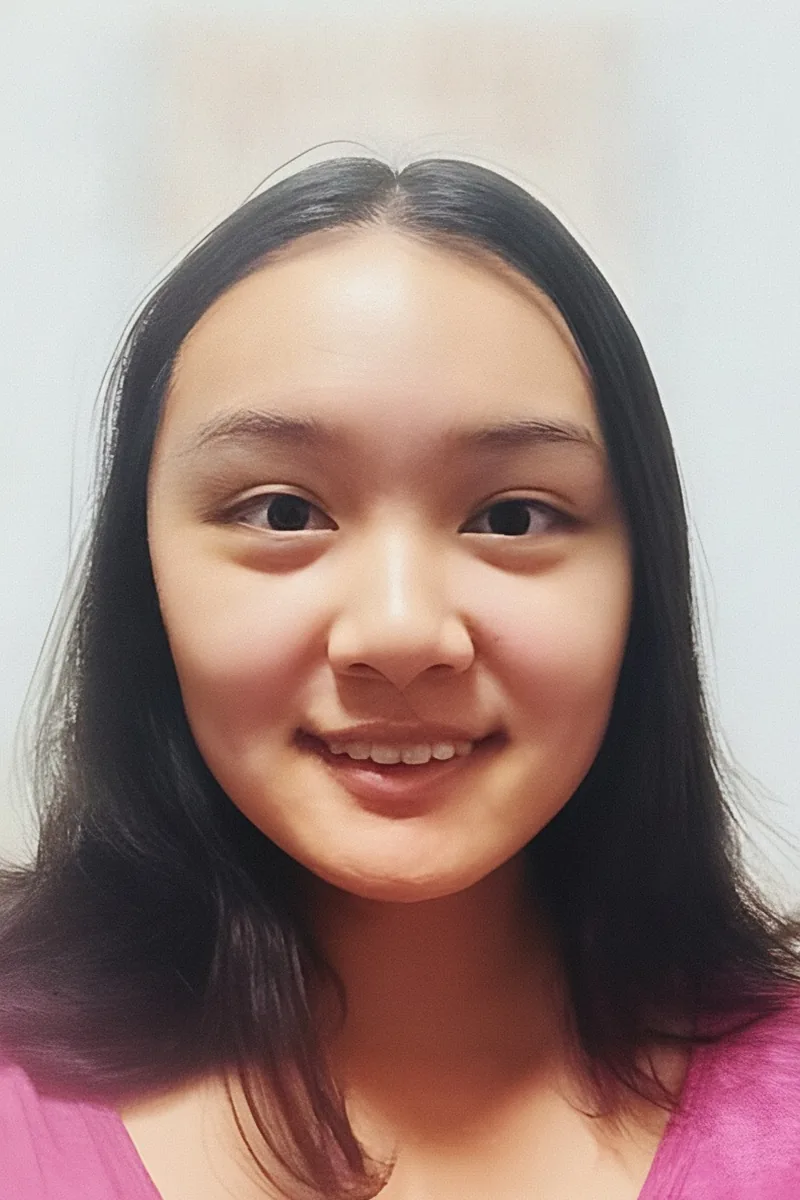
Minoring in Chinese at Northeastern while pursuing a pharmacy degree, Amy uses the language daily in academic contexts — reading research, discussing coursework — which builds the kind of formal register fluency the AP Chinese exam's interpretive reading and presentational writing sections actually test. Her 4.9 rating from students reflects a knack for breaking complex characters and grammatical structures into manageable patterns, and she draws on her own experience as a heritage learner to bridge gaps between conversational Mandarin and the academic-level precision the exam demands.
Because Karen teaches both traditional and simplified characters — and has tutored business Chinese alongside academic prep — her AP Chinese students get comfortable with the full range of written forms and registers the exam throws at them, from formal presentational writing to the interpretive reading passages that mix literary and contemporary styles. As a native Mandarin speaker with direct experience preparing students for the AP level, she zeroes in on the tonal precision and grammatical control that separate a 4 from a 5.
Scoring well on AP Chinese Language and Culture means navigating presentational writing, interpersonal speaking prompts, and cultural comparison essays — all in Mandarin. Alex is fluent in Mandarin Chinese and understands the tonal pitfalls and character-recognition challenges that trip up American students. He connects language drills to real cultural contexts so the exam's thematic units feel less like abstract categories and more like actual conversations.
Eileen scored well enough on the SAT Subject Test in Chinese with Listening to understand both the language mechanics and the test strategy behind AP Chinese. She tackles the interpersonal and presentational communication tasks by drilling real conversational patterns and teaching students how to structure spoken and written responses under timed conditions.
Melody teaches Mandarin Chinese and is currently studying at Columbia, where her coursework in AP Chinese Language and Culture aligns closely with the exam's cultural comparison prompts — the section where students need to articulate specific, nuanced differences between Chinese and American practices rather than recite generalities. Her 4.9 rating from students speaks to her ability to break down both the interpretive listening tasks and the presentational speaking prompts, where tonal clarity and organized delivery under timed pressure make the difference.
The AP Chinese Language and Culture exam uniquely blends language proficiency with cultural comparison, asking students to present on practices and perspectives across Chinese-speaking communities. Christina's Mandarin instruction spans beginner through advanced levels, giving her a clear sense of where students' gaps tend to hide — whether it's measure words, aspect markers, or the formal tone the exam's interpersonal writing section expects. She builds targeted practice around the exam's six themes so students aren't just fluent but exam-ready.
The cultural comparison essay on the AP Chinese Language and Culture exam trips up even strong speakers because it requires analytical writing, not just language proficiency. Julie's philosophy training at Princeton sharpens exactly that skill — breaking down a prompt, organizing a clear argument, and supporting it with specific cultural knowledge. She brings that structured thinking to every section of the exam.
Ten years teaching Mandarin in public schools — from absolute beginners through AP — means Paulkey has watched hundreds of students hit the same walls on the AP Chinese exam, especially the interpersonal response tasks where students freeze up trying to produce spontaneous, culturally appropriate Mandarin in real time. He pairs that classroom experience with a computer science background that makes his prep unusually structured: timed drills, systematic vocabulary review, and targeted practice on the listening comprehension passages that reward quick processing over perfect translation.
Patricia's favorite subjects to tutor include beginner's and intermediate Chinese, and she brings that same enthusiasm to AP-level prep — particularly the listening comprehension and reading sections where students need to parse formal written Mandarin beyond everyday conversation. She also teaches across multiple Mandarin levels, so she can quickly identify which foundational gaps in grammar or vocabulary are holding a student back on timed exam tasks.
The AP Chinese Language and Culture exam tests more than vocabulary — it demands cultural literacy, formal register switching, and the ability to compare Chinese and American perspectives in real time. Ya grew up in Taiwan and earned her master's in Foreign Language Education (Chinese) at NYU, so she teaches students to navigate the interpersonal and presentational speaking tasks with native-level cultural nuance. She also drills the specific reading and listening strategies that trip up heritage and non-heritage speakers alike.
Jason is a Mandarin speaker who understands both the linguistic and cultural dimensions the AP Chinese exam tests — from formal vs. informal register in presentational writing to the cultural comparisons required in the free-response section. He walks students through listening comprehension strategies and character recognition alongside the cultural knowledge that earns top scores.
After a decade teaching middle schoolers in a Chinese immersion school in California, Ruth knows exactly where students' spoken Mandarin starts to buckle under the pressure of timed AP tasks — especially the presentational speaking prompts that demand formal structure and clear tonal precision on the fly. She also taught History and Theater entirely in Chinese, which means her students get exposure to the kind of cross-disciplinary cultural vocabulary that the exam's reading and listening passages actually test. Rated 5.0 by students.
As a native Mandarin speaker who taught a beginning Chinese course at the Wheeler School in Providence, Jennifer knows exactly where English-speaking learners stumble — tonal accuracy, measure words, and the leap from textbook dialogue to real conversation. She covers all four AP exam skills (interpersonal and presentational speaking, listening, and reading) with particular attention to the cultural comparison essay, where strong structure can make or break a score.
Testimonials
Because the right AP Chinese Language and Culture tutor makes all the difference.
Average Session Rating – Based on 3.4M Learner Ratings
Nearby AP Chinese Language and Culture Tutors
Other Springfield Tutors
Related Languages Tutors in Springfield
Frequently Asked Questions
The AP Chinese Language and Culture exam tests proficiency across five key areas: interpretive listening, interpretive reading, interpersonal writing, presentational writing, and presentational speaking. The exam emphasizes real-world communication skills and cultural understanding, requiring students to demonstrate proficiency at the intermediate-high level of the ACTFL proficiency scale. For students in Springfield, understanding the breadth of these skills helps identify which areas need the most focused practice.
Most students benefit from 6-12 months of focused preparation, though this varies based on prior Chinese language experience. Students who have completed Chinese language courses typically need less time than those starting from intermediate proficiency. Consistent practice—ideally 3-5 hours per week—helps build the listening comprehension, speaking fluency, and writing accuracy needed for a strong score. A personalized tutor can create a timeline based on your current level and target score.
The speaking and listening sections challenge many students because they require real-time processing without the ability to review or revise. Regular practice with native speakers or tutors, combined with exposure to authentic Chinese media (news, podcasts, films), builds confidence and familiarity with natural speech patterns. Mock exams and timed practice sessions help reduce test-day anxiety by making the format feel routine. Varsity Tutors connects you with tutors who can provide targeted speaking practice and feedback on pronunciation and fluency.
Strong writing on the AP Chinese exam requires mastery of grammar, appropriate vocabulary, and cultural awareness. The interpersonal and presentational writing sections demand different skills—interpersonal writing focuses on conversational tone and responsiveness, while presentational writing requires formal structure and coherent argumentation. Regular practice with detailed feedback on character accuracy, tone, and organization is essential. A tutor can review your writing samples, identify patterns in your errors, and provide targeted exercises to strengthen weak areas.
Reading comprehension challenges often stem from unfamiliar vocabulary, complex sentence structures, or difficulty recognizing cultural references. Building a strong vocabulary base specific to AP Chinese test topics—current events, cultural practices, social issues—helps you recognize key information quickly. Timed practice with authentic materials like Chinese news articles, essays, and literary excerpts trains your brain to process information faster. Working with a tutor allows you to tackle difficult passages together and develop strategies for handling unknown characters and idioms.
AP Chinese scores range from 1 to 5, with a score of 3 or higher considered passing. Most colleges grant credit for scores of 4 or 5. Your target score depends on your college goals and program requirements—competitive universities often prefer 4s and 5s. Personalized tutoring helps by identifying your specific weak areas, providing intensive practice in challenging sections, and teaching test-taking strategies that maximize your performance. Students who work with tutors typically see measurable improvement in 2-3 months with consistent effort.
Look for tutors with native or near-native fluency in Mandarin Chinese, proven experience teaching AP Chinese Language and Culture, and familiarity with the exam format and scoring rubrics. Ideally, your tutor should have a background in linguistics, education, or cultural studies to explain grammar concepts and cultural nuances effectively. Varsity Tutors connects you with expert tutors who understand the specific demands of the AP exam and can tailor instruction to your learning style and goals.
Your first session is an opportunity to assess your current proficiency level, understand your goals, and identify your strongest and weakest areas. Your tutor will likely ask you to complete a diagnostic activity—such as a short conversation, reading passage, or writing sample—to gauge your skills across all five exam domains. From there, you'll develop a personalized study plan focused on the areas where you need the most improvement. This foundation ensures every future session builds strategically toward your target score.
Let’s find your perfect tutor
Answer a few quick questions. We’ll recommend the right plan and match you with a top 5% tutor.