Award-Winning History Tutors
serving Indianapolis, IN
History
Tutors in Indianapolis
Private 1-on-1 tutoring, weekly live classes for academic support, test prep & enrichment, practice tests and diagnostics, and more to elevate grades and test scores.
Based on 3.4M Learner Ratings
UniversitiesSchools & Universities
DeliveredHours Delivered
ProficiencyGrowth in Proficiency
Who needs tutoring?
No obligation. Takes ~1 minute.

Teaching history in a high school classroom every day gives Ben something most tutors don't have — a real-time sense of what's actually tripping students up, from interpreting primary sources to structuring an evidence-based argument. Rated 5.0 by students, he adapts his approach depending on whether someone needs help with content retention, analytical writing, or both.
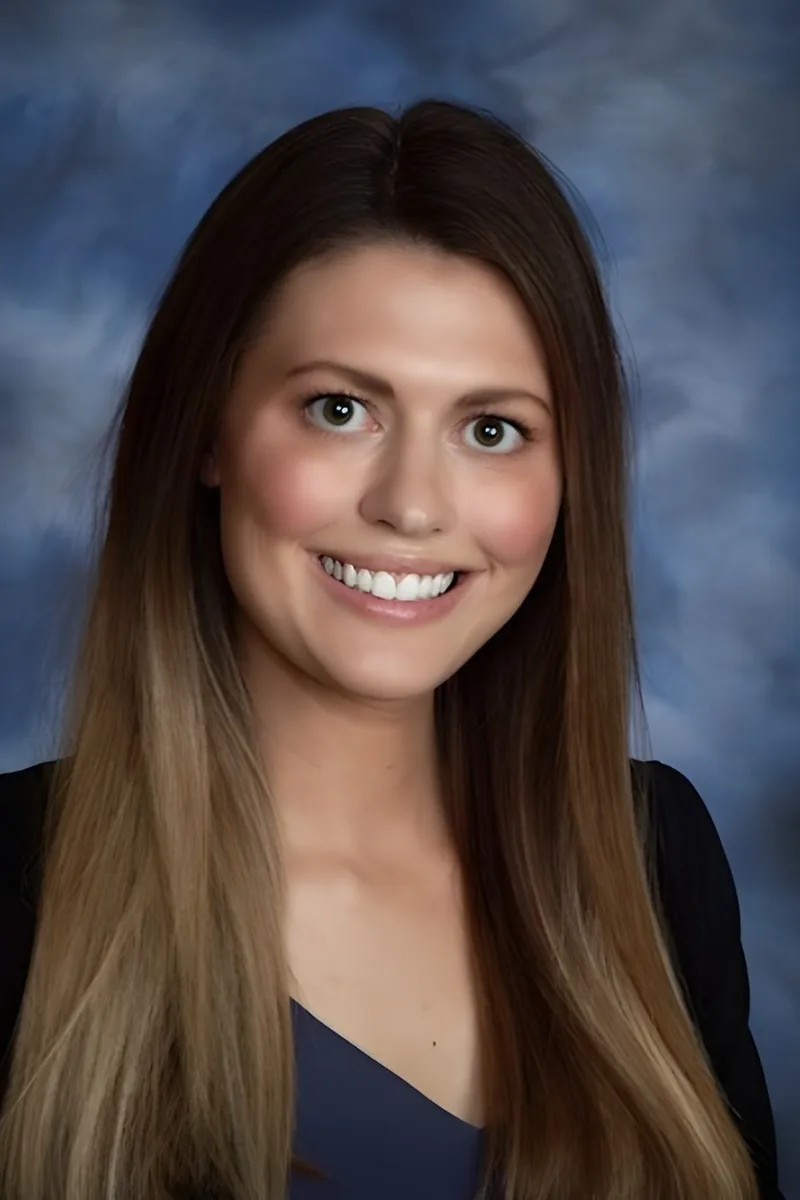
While history isn't Emily's primary discipline, her liberal arts education at Indiana University and her strengths in analytical writing make her a strong fit for students who struggle with the reading-and-writing side of history courses. She teaches students to construct document-based arguments and identify cause-and-effect relationships rather than relying on rote memorization of dates.
Owen approaches history the way he approaches everything else: by asking "why does this matter?" instead of demanding students memorize dates. He connects events to cause-and-effect chains — showing, for example, how economic pressures drove both the American Revolution and the Civil Rights Movement — so students can build arguments on exams rather than rely on rote recall.
Aleta wrote *Indiana Avenue: Life and Musical Journey from 1915 to 2015*, a work of narrative history that required years of archival research and primary source analysis. That experience shapes how she teaches history — not as a list of dates, but as a discipline built on evaluating sources, constructing arguments, and understanding how communities change over time.
I'm currently a Process Assistant at an Amazon warehouse, which is like an assistant manager. My job is interesting, active, and varied, but I missed tutoring and want to make math and other subjects as easy as possible to approach and grasp for students. With the right time and a commitment to tailoring a tutoring style for the person being assisted, any student can pass their classes and retain lifelong knowledge and experience. I'm looking forward to working with you!
Chemical engineering coursework is essentially applied problem-solving under constraints — and Joubert brings that same diagnostic mindset to history, teaching students to identify the political, economic, and technological pressures that made certain outcomes almost inevitable. When a student struggles to explain why the Industrial Revolution started in Britain rather than elsewhere, he walks through it like an engineering case study: what resources were available, what incentives existed, what bottlenecks had to break. Rated 4.9 by students.
Bill approaches history the way a lawyer builds a case — by weighing evidence, questioning sources, and constructing arguments that hold up under scrutiny. His legal education gave him deep experience analyzing how institutions, laws, and social movements shape each other over time. Students walk away not just knowing what happened, but understanding how to think critically about why.
Learning history well means learning to read like a historian: evaluating who wrote a source, why, and what it leaves out. Thomas's master's in Modern History trained him in exactly this kind of critical analysis, and he applies it whether a student is tackling ancient civilizations or twentieth-century geopolitics. His 5.0 rating speaks to how well that approach clicks with students.
Lauren treats history as a discipline built on interpreting evidence, not memorizing dates. She teaches students to analyze primary sources, identify cause-and-effect relationships across eras, and build arguments that go beyond surface-level summaries. Her 4.9 rating speaks to how well that analytical approach clicks with students.
Economic forces drive much of history, and Jack's background lets him illuminate connections that most tutors skip — how trade policy shaped colonial conflicts, or why monetary decisions triggered depressions. He teaches students to analyze primary sources and build document-based arguments, especially where economic and political history intersect.
An economics degree trains you to think in terms of incentives, scarcity, and competing interests — John takes that same framework and uses it to unpack the *decisions* behind historical events, from wartime alliances to immigration policy. Where most students default to memorizing dates, he teaches them to build causal arguments around what people stood to gain or lose, which is what DBQ prompts and essay questions are really asking for.
I am a professional tutor with years of experience. I have helped students jump letter grades and improve as much as 8 composite points on the ACT and 200 points on the SAT. I have over 6 years and 1000 hours of test prep experience and over 6 years of experience tutoring math up to and including calculus, various science subjects, English, and Spanish. I like to meet all the tutoring needs of a student. This includes covering not only the academic subjects (including math, science, and language) and test prep (ACT and SAT) but also assisting with study skills and organization. I also have experience in working with students with various learning disabilities, including ADD/ADHD. I have helped students in all levels of courses, including honors and AP levels.
Lauren's linguistics training gives her an unusual edge in history: she knows how to unpack the language of a primary source — its rhetorical choices, cultural context, and what's deliberately left unsaid. Add fluency in Spanish and proficiency in Mandarin, and she can walk students through non-English-language documents and perspectives that most tutors skip entirely. That cross-cultural literacy makes her especially useful for world history and any assignment involving document-based analysis.
Studying history as a psychology major gave Ryan a particular lens: understanding why people and societies made the choices they did, not just memorizing when events happened. He teaches students to analyze primary sources and trace cause-and-effect chains across eras, which is exactly what DBQ and essay prompts demand.
Darren's economics major gives him a useful entry point into history: he naturally frames events through the lens of incentives, resource competition, and institutional decision-making. For students who find dates and names hard to retain, that economic logic provides a throughline that makes causes and consequences stick.
Testimonials
Because the right History tutor makes all the difference.
Average Session Rating – Based on 3.4M Learner Ratings
Nearby History Tutors
Other Indianapolis Tutors
Related Social Studies Tutors in Indianapolis
Frequently Asked Questions
Many students struggle with memorizing dates and facts without understanding the broader context and connections between events. Others find it difficult to analyze primary sources, construct evidence-based arguments, or see how historical events relate to the present day. Personalized tutoring helps students move beyond memorization to develop critical thinking skills, learn effective study strategies, and build confidence in written and verbal analysis—skills that are essential for success in History courses and standardized tests.
Tutors working with Varsity Tutors understand Indiana's academic standards and the specific curricula used across Indianapolis's 82 school districts. Whether your student is studying U.S. History, World History, AP U.S. History, or AP World History, tutors can tailor instruction to match classroom expectations, pacing, and assessment formats. This alignment ensures that tutoring reinforces what students are learning in class while filling gaps and deepening understanding where needed.
During the initial session, a tutor will assess your student's current understanding of History concepts, identify specific challenges (whether it's essay writing, source analysis, or chronological thinking), and learn about their learning style and goals. From there, the tutor creates a personalized plan that addresses weak areas, builds on strengths, and prepares your student for upcoming assignments, tests, or exams. This foundation ensures that every session that follows is focused and productive.
History essays require more than just knowing facts—students need to construct clear arguments, support claims with evidence from primary and secondary sources, and organize ideas coherently. Tutors help students develop thesis statements, learn how to integrate quotes effectively, practice organizing complex arguments, and receive feedback on their writing before submitting to teachers. This targeted practice builds the analytical and writing skills that improve grades and prepare students for college-level History work.
Yes. Tutors connect with students preparing for AP U.S. History, AP World History, and AP European History exams. They focus on mastering the specific skills tested—analyzing primary sources, understanding periodization, making thematic connections, and writing the DBQ (Document-Based Question) and FRQ (Free Response Question) essays. With personalized instruction, students can target weak content areas, practice under timed conditions, and develop strategies that lead to higher scores on exam day.
In a classroom with a 19:1 student-teacher ratio, it's difficult for teachers to reinforce learning in ways that work for each individual student. Personalized tutoring uses spaced repetition, active recall, and connections to real-world events to help information stick. Tutors also help students create effective study systems—timelines, concept maps, and practice questions—that transform passive memorization into active learning, leading to better retention and deeper understanding.
Varsity Tutors matches you with qualified History tutors who understand both the subject and the specific needs of students in Indianapolis. Simply share your student's grade level, current challenges, and learning goals, and we'll connect you with a tutor who's a great fit. You can start with a single session to see if it's the right match, and adjust as needed based on your student's progress.
Tutors work with students across all grade levels—from middle school U.S. History and World History to high school courses like AP U.S. History, AP World History, and college-level History seminars. Whether your student is building foundational skills, preparing for state assessments, or tackling advanced coursework, personalized instruction can be customized to meet them where they are and help them progress toward their goals.
Let’s find your perfect tutor
Answer a few quick questions. We’ll recommend the right plan and match you with a top 5% tutor.