Award-Winning Statistics Tutors
serving Colorado Springs, CO
Statistics
Tutors in Colorado Springs
Private 1-on-1 tutoring, weekly live classes for academic support, test prep & enrichment, practice tests and diagnostics, and more to elevate grades and test scores.
Based on 3.4M Learner Ratings
UniversitiesSchools & Universities
DeliveredHours Delivered
ProficiencyGrowth in Proficiency
Who needs tutoring?
No obligation. Takes ~1 minute.
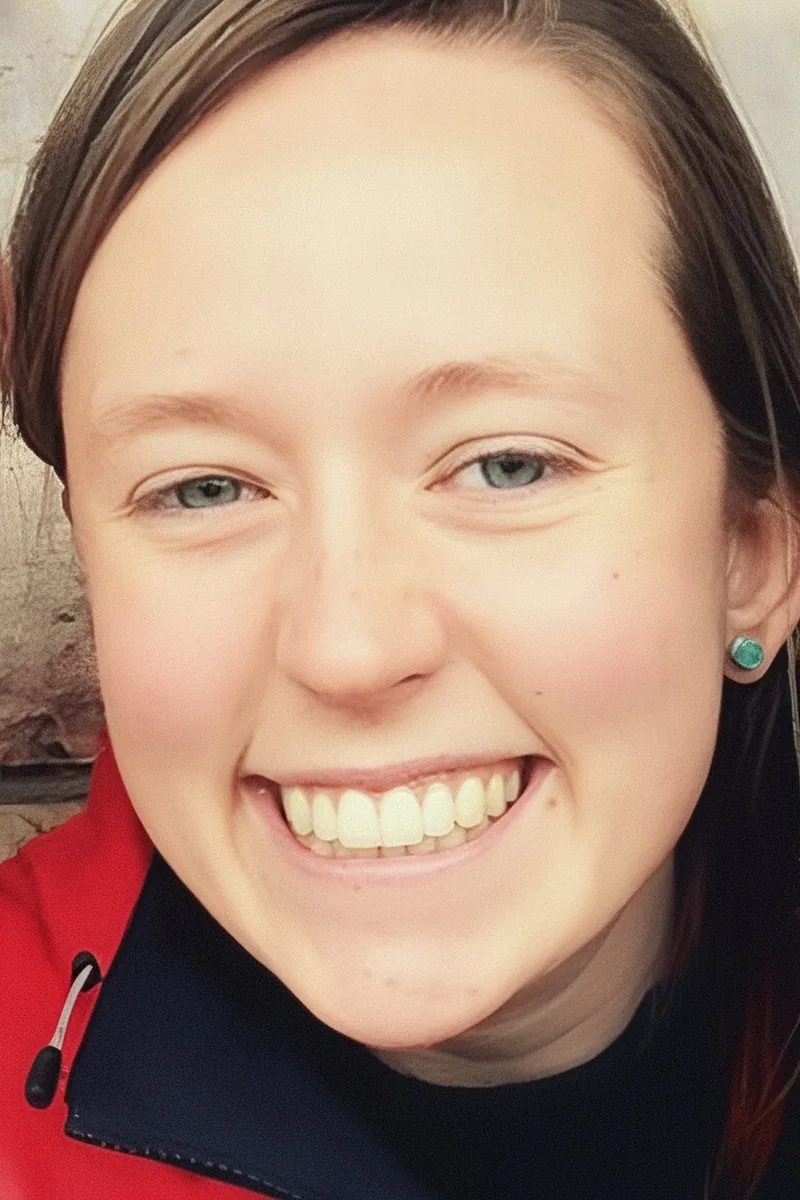
Graduating from an IB high school with top marks and then completing a math degree at Brown means Zofia encountered statistics from both sides — the structured hypothesis testing and chi-square analyses of the IB curriculum, and the rigorous probability theory that underpins it all at the university level. She breaks down concepts like conditional probability and sampling distributions by connecting them to the mathematical machinery students rarely get to see in a standard stats course. Her 3.87 GPA in a demanding program speaks to the precision she brings to every session.
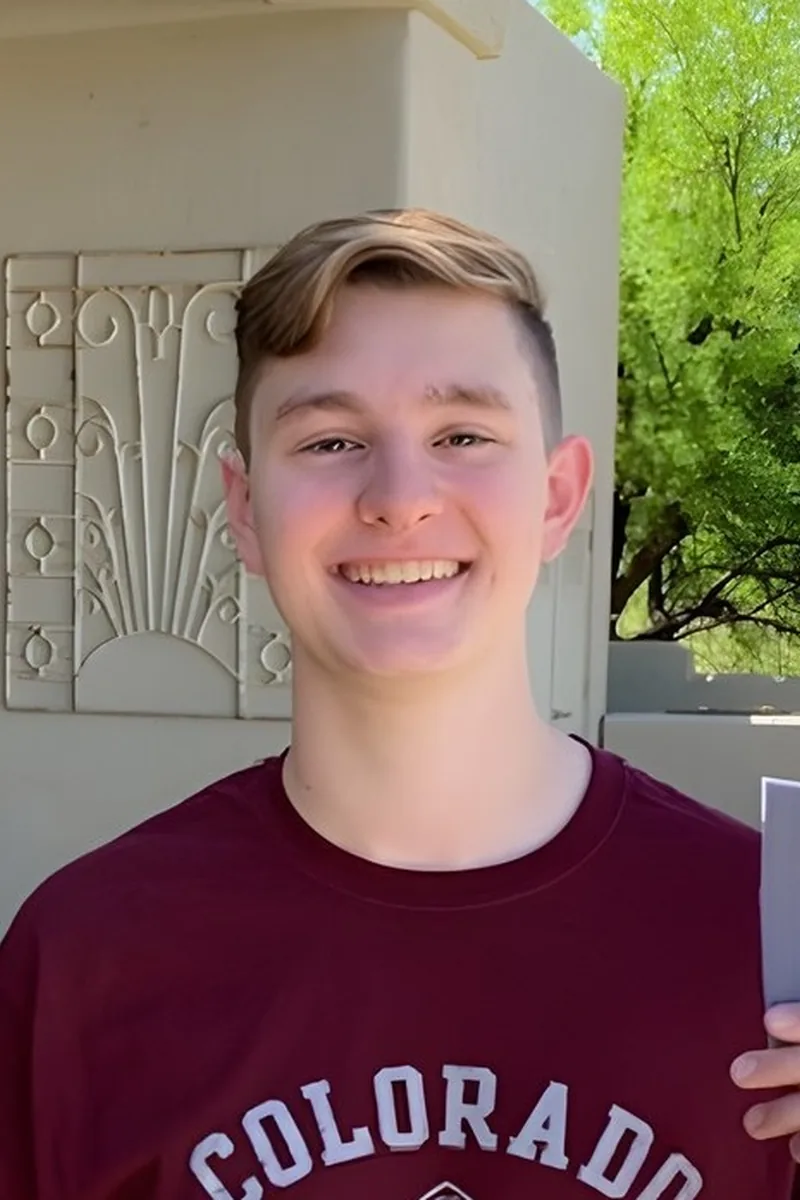
Physics majors at Colorado School of Mines don't just encounter statistics in a standalone course — they use it constantly to analyze experimental uncertainty, fit models to noisy data, and determine whether measured results are statistically significant. Jude brings that lab-bench perspective to topics like probability distributions, hypothesis testing, and regression, treating each one as a tool for answering real questions rather than an exercise in formula memorization. His 36 ACT and 4.9 rating speak to the rigor and clarity he brings to every session.
Understanding statistics requires a different kind of mathematical thinking — interpreting data, recognizing distributions, and knowing when a correlation actually means something. Marcus's dual background in biological sciences and political science gave him extensive practice with statistical analysis in two very different contexts, from lab data to polling methodology. He teaches students to read data critically rather than just calculate means and standard deviations by formula.
Ed holds a master's in Applied Statistics from Colorado State, where he conducted statistical consultations for researchers across departments. That hands-on experience means he teaches probability distributions, hypothesis testing, and regression analysis through real datasets and practical interpretation, not just formula sheets.
I am a student at the Georgia Institute of Technology studying Chemical Engineering. For the past several years, I have worked with students extensively. Through hosting events for younger kids to learn about STEM and for older teens to practice empathetic design, I know the importance of teaching students in ways that engage them rather than frustrate them, which I apply to my teaching. I have tutored high school students in a drop-in resource center in various subjects including math of all levels, chemistry, and English, making me adequately equipped in a variety of topics. I have also tutored several students long-term. Establishing relationships with students and exploring their unique learning styles is my favorite part of tutoring. I prioritize helping students discover HOW to learn in a manner that is the most effective for them, so they can begin to use those skills on their own throughout their education. Learning is a lifelong skill that requires practice for improvement; I strive to help my students gain confidence in their ability to learn.
Collecting data was a daily reality in Rosemary's environmental biology program — field samples, population counts, water quality measurements — so she understands statistics as a practical tool, not just a textbook exercise. She digs into concepts like hypothesis testing, confidence intervals, and regression by walking through what each calculation actually tells you about your data. That applied perspective makes abstract ideas like p-values and standard deviation far more intuitive.
Sarah's graduate-level research in public health and epidemiology means she uses statistics daily — hypothesis testing, confidence intervals, regression models, and probability distributions are part of her working vocabulary. She teaches these concepts through real-world data scenarios, making abstract formulas feel purposeful and concrete.
Most students memorize the formulas for z-scores or standard deviation without ever seeing where they come from — Kathleen's math degree from Washington University means she can derive them from scratch and explain each piece along the way. She treats every statistics concept as an extension of the algebra and calculus her students already know, which makes new material feel like a logical next step rather than a disconnected set of rules.
A PhD statistician who also holds a biomedical engineering degree, Sam teaches introductory and intermediate statistics with an unusual amount of real-world context. Whether the topic is hypothesis testing, confidence intervals, or regression, he unpacks the logic behind each method so students can interpret results critically, not just run calculations.
Engineering Physics at Cornell requires serious statistical reasoning — error analysis, probability distributions, hypothesis testing — so Daniel brings a practical lens to statistics rather than a purely textbook one. He walks through concepts like standard deviation, regression, and confidence intervals by tying them to real data questions, which makes the logic behind each formula click.
During her psychology degree at Penn, Brittany used statistics constantly — hypothesis testing, probability distributions, regression analysis — as core tools for understanding research. She also tutored middle schoolers in introductory statistics as a volunteer in West Philadelphia, so she's comfortable adjusting her explanations whether someone is learning mean and median or wrestling with p-values.
Probability distributions, hypothesis testing, and regression can feel like a foreign language the first time through. Nina breaks these concepts down by connecting them to real datasets and research questions drawn from her biostatistics training at Columbia and NYU. Rated 5.0 by students, she's especially effective at making the jump from formulas to interpretation feel intuitive.
Understanding statistics means learning to ask the right questions about data before running any test: Is the sample random? What's the shape of the distribution? Could this result have happened by chance? Ethan's policy background gave him years of practice interrogating datasets and translating statistical output into plain-language conclusions, a skill he now brings directly to topics like hypothesis testing and regression analysis.
Understanding probability distributions or interpreting a confidence interval requires a different kind of thinking than most math classes demand. Dillon spent years applying statistics in engineering contexts — quality control, data analysis, experimental design — and he brings that applied lens to topics like standard deviation, z-scores, and regression so students see what the numbers actually tell them.
Probability distributions, hypothesis testing, and confidence intervals require a different kind of mathematical thinking than most students are used to. Nicholas pairs his applied mathematics background at Johns Hopkins with real problem-solving instincts, teaching students to interpret what a p-value actually means and when to apply which test. He's especially effective at connecting statistical reasoning to the kind of data analysis students encounter in science and engineering contexts.
An economics degree means Maggie didn't just study statistics in a textbook — she applied distributions, hypothesis testing, and regression analysis to real datasets. She teaches students to interpret what a p-value actually tells them and how to choose the right test for a given scenario, building the kind of statistical intuition that carries through exams and research projects alike.
A Quantitative Methods minor at Vanderbilt means Heather spent semesters immersed in regression analysis, hypothesis testing, and probability — the exact material that trips up most statistics students. She teaches the reasoning behind each test so students can choose the right method on their own, not just follow a decision flowchart. Her 4.9 rating speaks to that approach.
Probability distributions, hypothesis testing, and confidence intervals all hinge on one skill: knowing what question you're actually answering with the data. Ade's biology background means he's applied statistical reasoning to real research contexts, and he brings that practical lens to everything from z-tests to regression analysis.
Industrial engineering at Georgia Tech is essentially applied statistics — probability distributions, hypothesis testing, and regression analysis were daily tools throughout Ilesh's coursework. He teaches statistics by grounding abstract formulas in real data scenarios, so concepts like standard deviation and confidence intervals actually make intuitive sense.
Testimonials
Because the right Statistics tutor makes all the difference.
Average Session Rating – Based on 3.4M Learner Ratings
Practice Statistics
Free practice tests, flashcards, and AI tutoring for Statistics
Nearby Statistics Tutors
Other Colorado Springs Tutors
Related Math Tutors in Colorado Springs
Frequently Asked Questions
Tutors work with students using their specific textbooks and curriculum materials, whether students are in AP Statistics, introductory Statistics, or college-level courses. They understand how different Colorado Springs school districts approach Statistics—from hypothesis testing frameworks to data visualization methods—and tailor instruction accordingly. This alignment means students can immediately apply tutoring concepts to their classroom work and assessments.
Many students struggle with interpreting word problems and translating real-world scenarios into statistical models, as well as understanding when to use specific tests (t-tests, chi-square, correlation vs. causation). Others find probability concepts counterintuitive or have difficulty reading and creating graphs and distributions. Tutors help students build conceptual understanding of these ideas rather than just memorizing formulas, which builds confidence and deeper mastery.
Tutors teach students to break down complex statistical problems into manageable steps—identifying what the data represents, selecting the appropriate method, and interpreting results in context. They emphasize showing work and explaining reasoning, which is critical for Statistics where the interpretation matters as much as the calculation. This strategic approach helps students tackle unfamiliar problems with confidence rather than feeling stuck.
Absolutely. Statistics anxiety is common, and tutors create a low-pressure environment where you can ask questions and work through concepts at your own pace. By focusing on understanding patterns and real-world applications rather than just calculations, many students discover that Statistics is more logical and less intimidating than they expected. Personalized instruction builds confidence through small wins and clear explanations.
The first session is typically diagnostic and conversational. Tutors learn about your current Statistics course, specific topics you're struggling with, and your learning style. They may work through a sample problem or concept to understand your strengths and gaps, then create a personalized plan focused on your goals—whether that's improving test scores, understanding a specific unit, or building overall confidence.
Tutors teach students to think critically about data—asking questions like "What does this graph actually show?" and "Is correlation the same as causation?" They help students recognize patterns, identify bias in data collection, and understand confidence intervals and margins of error in context. This conceptual foundation makes data interpretation feel logical rather than mysterious.
Yes. Tutors can target specific exam formats and question types, help you master high-yield topics like probability and inference, and build test-taking strategies. They work through practice problems from actual exams, identify patterns in your mistakes, and focus on areas where you need the most improvement. This targeted approach helps students feel prepared and reduces test anxiety.
Varsity Tutors matches you with expert tutors who have Statistics expertise and experience teaching students in Colorado Springs. You share your goals and availability, and we handle the matching process. Tutors work with you using personalized instruction tailored to your learning style and specific challenges, whether you need help with a single concept or ongoing support throughout the course.
Let’s find your perfect tutor
Answer a few quick questions. We’ll recommend the right plan and match you with a top 5% tutor.