Award-Winning Computer Science Tutors
serving Colorado Springs, CO
Computer Science
Tutors in Colorado Springs
Private 1-on-1 tutoring, weekly live classes for academic support, test prep & enrichment, practice tests and diagnostics, and more to elevate grades and test scores.
Based on 3.4M Learner Ratings
UniversitiesSchools & Universities
DeliveredHours Delivered
ProficiencyGrowth in Proficiency
Who needs tutoring?
No obligation. Takes ~1 minute.

Ritesh's applied physics program at Cornell involves significant programming, from numerical simulations to data analysis, giving him hands-on fluency with core computer science concepts like algorithm design, data structures, and debugging logic. He unpacks topics such as recursion, sorting algorithms, and object-oriented principles by tying them to concrete problems rather than abstract definitions.
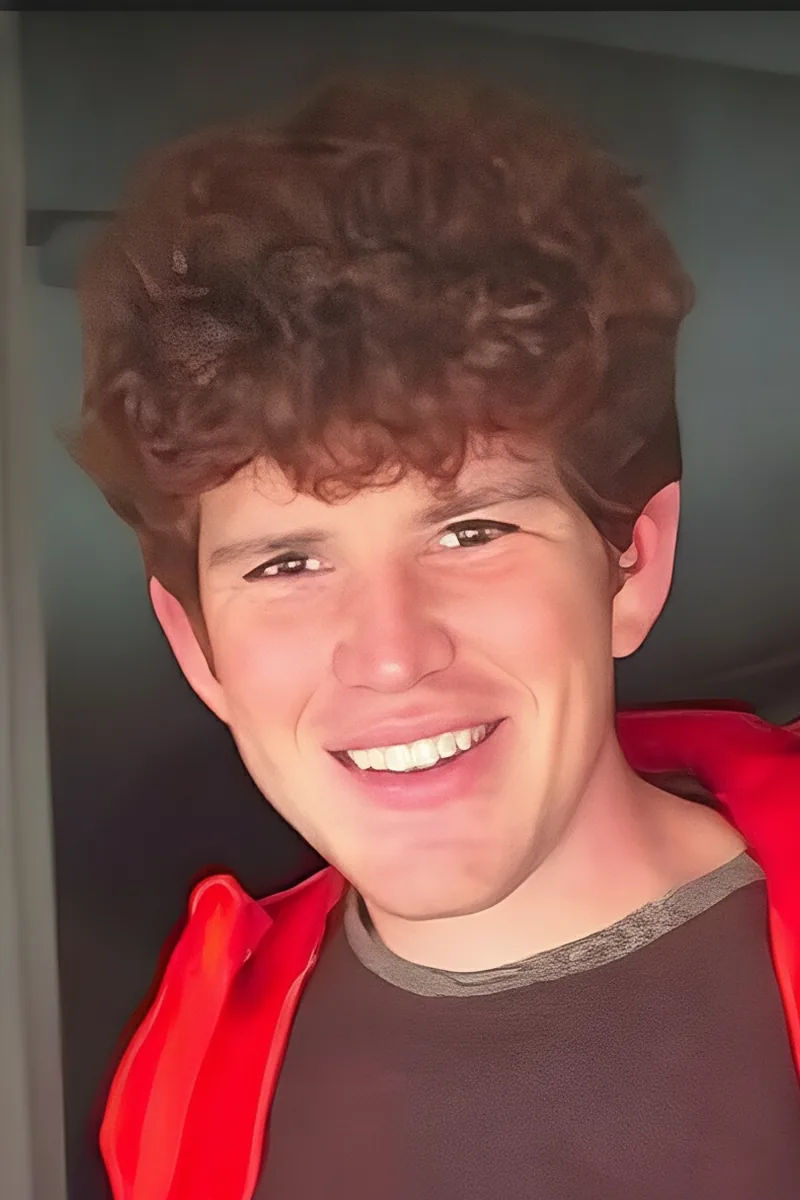
Most CS tutors come from pure software backgrounds — Clive's path runs through economics at Brown, where he picked up Java, Python, JavaScript, SQL, and HTML as tools for data analysis and building real projects rather than just completing problem sets. That applied angle makes him especially effective at teaching programming fundamentals and web technologies to students who learn better when code solves a tangible problem.
Studying Computer Science alongside Math/Stats at Carleton College, Thomas lives at the intersection of algorithms, data structures, and mathematical reasoning. He digs into topics like recursion, sorting algorithms, and object-oriented design by building understanding from first principles rather than rote code memorization.
Holding both a B.S. in Computer Science from the University of Kentucky and a game development master's in progress at SCAD, Evan covers the full stack of CS fundamentals: data structures, algorithm analysis, object-oriented design, and software architecture. He connects abstract concepts like Big-O complexity or recursion to concrete implementations in C, C++, and Java so the theory actually sticks.
Between his coursework at Rice and his background in algorithms, Daniel tackles computer science from both the practical and theoretical sides — writing clean code and understanding why one sorting algorithm outperforms another for a given dataset. He's especially strong at breaking down recursion, data structures, and algorithmic complexity into steps that build logically on each other.
As an engineering student at Brown, Kashish works with programming languages and computational thinking daily — from writing algorithms to debugging code and understanding data structures like arrays, linked lists, and trees. She breaks down abstract CS concepts by connecting them to concrete problems, making topics like recursion or object-oriented design click for students encountering them for the first time. Her analytical precision and 5.0 rating make her a strong fit for introductory through intermediate computer science.
Eric treats coding problems the same way he treats logical puzzles — by breaking them apart, finding the pattern, and building a solution step by step. As a CS major at Washington University in St. Louis, he's deep in Java and JavaScript right now, which means he can walk students through everything from writing their first function to structuring a full object-oriented program. His approach emphasizes learning to think through problems algorithmically before jumping to syntax.
Corrina's mechanical engineering degree required extensive programming coursework, and she now teaches core computer science concepts — data structures, algorithms, Boolean logic, and computational thinking — in a way that makes abstract ideas tangible. She connects each concept to real applications, whether that's sorting algorithms in a search engine or conditionals inside a robot's control loop.
Biomedical engineering at Rice requires heavy computational coursework, so Theresa has tackled core computer science concepts — from object-oriented programming and data structures to algorithm complexity — in the context of solving real problems. She explains abstract ideas like recursion and sorting algorithms by connecting them to concrete examples rather than letting students drown in theory. Rated 5.0 by students.
Ryan is a computer science major at Cornell, which means he's actively working through the same core curriculum — algorithms, data structures, computational complexity — that college CS students encounter. He explains concepts like recursion, Big-O analysis, and graph traversal by tracing through concrete examples rather than relying on abstract definitions. Rated 4.8 across his sessions.
Margaret studies Computer Science at Stanford alongside Political Science, giving her a broad perspective on how computational thinking applies beyond just writing code. She breaks down core topics like data structures, algorithms, and recursion by connecting each one to real problems students can visualize. Rated 4.8 by her students.
Recursion, data structures, algorithmic complexity — these topics trip up students who try to memorize patterns without understanding why they work. Kevin holds both a bachelor's and master's in computer science from NYU, and he's the kind of tutor who will explain a concept three different ways until the logic genuinely lands. Rated 4.8 by students.
Testimonials
Because the right Computer Science tutor makes all the difference.
Average Session Rating – Based on 3.4M Learner Ratings
Nearby Computer Science Tutors
Other Colorado Springs Tutors
Related Technology and Coding Tutors in Colorado Springs
Frequently Asked Questions
Your first session is an opportunity to discuss your coding goals—whether you're learning Python basics, building web applications, or preparing for AP Computer Science. The tutor will assess your current skill level, understand what you're working on in class, and identify specific challenges like debugging or algorithmic thinking. Together, you'll create a personalized plan that focuses on hands-on coding practice and real-world problem-solving.
Syntax is the specific rules of a programming language (like how to write a for loop), while logic is understanding *why* and *when* to use that loop to solve a problem. Many students can memorize syntax but struggle with algorithmic thinking—breaking down complex problems into steps. Tutoring focuses on both: reinforcing syntax through practice, but more importantly, developing the problem-solving skills that transfer across all programming languages.
Absolutely. Debugging is one of the most valuable skills in computer science, and many students find error messages frustrating or confusing. A tutor can teach you systematic debugging approaches—reading stack traces, isolating problems, and using print statements or debuggers effectively. Rather than just fixing your code, they'll help you develop the mindset to identify and solve errors independently.
Data structures (arrays, linked lists, trees) and algorithms are abstract concepts that benefit greatly from hands-on practice and visualization. Tutors can walk you through how data is organized in memory, why certain structures are better for specific problems, and how to implement them from scratch. With personalized instruction, you'll move beyond memorization to truly understanding when and why to use each data structure.
Yes. Whether you're building a web application, game, or data analysis project, tutors can guide you through the development process—from planning and design to implementation and testing. They'll help you break large projects into manageable tasks, review your code for best practices, and troubleshoot issues as they arise. This hands-on approach reinforces concepts while building a portfolio of real work.
A tutor can help you explore different paths based on your interests and goals. If you're interested in web development, you might focus on JavaScript and frameworks; data science emphasizes Python and statistical thinking; game development combines graphics, physics, and optimization. During your first sessions, you can discuss what excites you most, and your tutor will tailor the curriculum to build foundational skills while pointing you toward your chosen specialty.
AP Computer Science A focuses on Java programming and object-oriented design, while AP Principles covers broader computational thinking and digital citizenship. Tutors can help you master the specific language and concepts tested, work through practice problems, and develop efficient problem-solving strategies for the exam. With Colorado Springs having 18 school districts and varying AP offerings, personalized tutoring ensures you're ready regardless of your school's curriculum pace.
Look for tutors with real-world coding experience—whether through software development careers, computer science degrees, or extensive project portfolios. They should be able to explain concepts clearly, write clean code, and stay current with industry practices. Varsity Tutors connects you with experienced tutors who can teach the fundamentals while sharing practical insights from their own programming experience.
Let’s find your perfect tutor
Answer a few quick questions. We’ll recommend the right plan and match you with a top 5% tutor.