Award-Winning AP Environmental Science Tutors
serving San Diego, CA
AP Environmental Science
Tutors in San Diego
Private 1-on-1 tutoring, weekly live classes for academic support, test prep & enrichment, practice tests and diagnostics, and more to elevate grades and test scores.
Based on 3.4M Learner Ratings
UniversitiesSchools & Universities
DeliveredHours Delivered
ProficiencyGrowth in Proficiency
Who needs tutoring?
No obligation. Takes ~1 minute.
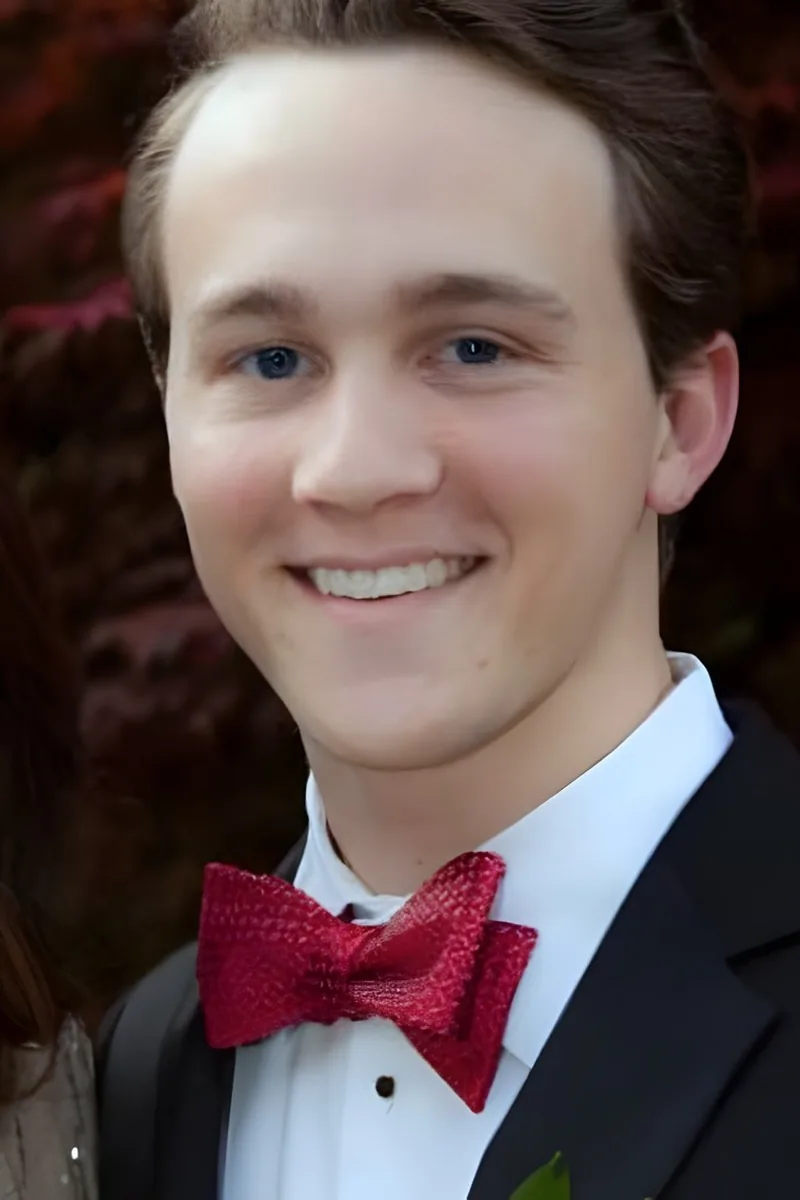
Studying neuroscience at Vanderbilt means Elliot spends his coursework tracing how organisms respond to environmental stressors at the biological level — a perspective that sharpens his teaching of APES topics like toxicology, bioaccumulation, and dose-response relationships. His chemistry minor adds depth when unpacking biogeochemical cycles and the math behind pollution concentration problems, areas where students who rely on vocabulary alone tend to lose free-response points.
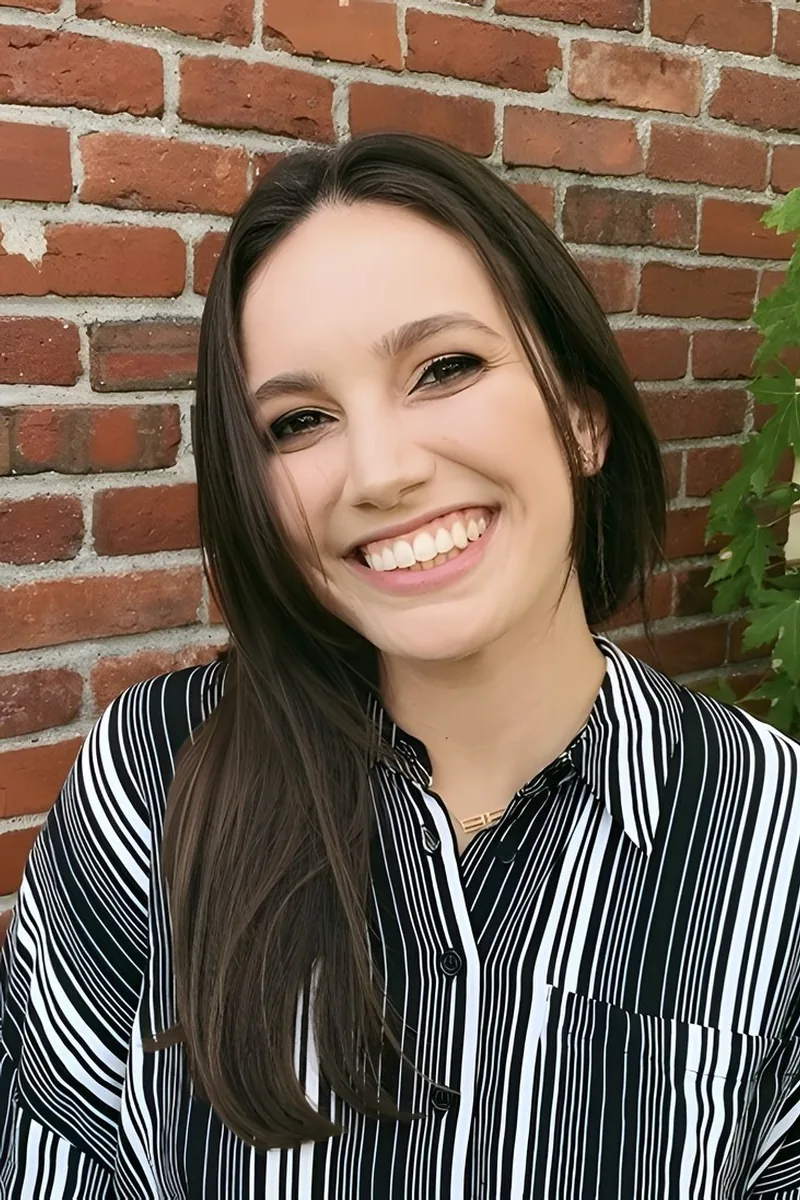
Studying biological sciences means Liana is learning the underlying mechanisms — cellular respiration, nutrient cycling, population growth models — that APES questions are built on, rather than encountering them as isolated vocabulary terms. She breaks down topics like energy flow and species interactions using the same biological logic her college coursework demands, which pays off on free-response questions that ask students to explain processes rather than just name them. Rated 4.9 by students.
Sofia's ecology concentration at the University of Chicago means AP Environmental Science isn't a subject she just studied — it's her field. She unpacks FRQ-heavy topics like biogeochemical cycles, biodiversity loss, and energy resource tradeoffs with the depth of someone who does research in a neurobiology lab and thinks about ecosystems professionally. That firsthand scientific context makes the difference between memorizing vocabulary and actually understanding environmental systems.
Shawn's master's in chemistry gives him a molecular-level understanding of the processes that drive APES content — ocean acidification equilibria, nitrogen fixation pathways, ozone depletion mechanisms — so he can explain the why behind environmental phenomena instead of just naming them. He also teaches the course's surprisingly tricky math, from parts-per-million conversions to energy budget calculations, with the comfort of someone who's done far harder stoichiometry. Rated 4.9 by students.
Scott earned his Master's in Ecology studying exactly the systems the AP Environmental Science exam tests — biogeochemical cycles, biodiversity loss, population dynamics, and resource management. He breaks down free-response questions by teaching students to connect data interpretation with the underlying ecological principles, which is where most points are won or lost on exam day.
Eric's degree in Ecology & Evolutionary Biology means he studied the actual science behind APES — population ecology, species interactions, and ecosystem-level processes — not just the survey-course version. He teaches students to think about environmental problems the way an ecologist would, tracing how a disturbance like deforestation or nutrient loading ripples through trophic levels and feedback loops until the full picture clicks.
Before she ever tutored APES, Jenna was on the other side — she used tutoring herself in high school to push through tough coursework and earned a 31 ACT and full-tuition scholarship along the way. That experience gives her a sharp read on where students get stuck, especially on the policy and legislation units where environmental science intersects with the kind of big-picture cause-and-effect reasoning she sharpened across her humanities and writing coursework. Rated 4.9 by students.
Supervising an AmeriCorps conservation program in New Mexico means Rachel doesn't just teach APES concepts like land management, resource depletion, and habitat restoration — she manages real projects dealing with them daily. Her Johns Hopkins master's in Environmental Health Sciences adds the scientific rigor behind topics like pollution pathways and risk assessment, while her public health training sharpens the kind of systems-level thinking the exam's free-response questions demand.
Most APES tutors come at the subject from biology or policy — Courage holds a Master's in Environmental Science, meaning he studied climate systems, land degradation, and resource management as his primary discipline, not a sidebar. He digs into the interconnections between Earth systems that the exam's free-response questions demand, teaching students to trace how a single disruption — deforestation, nutrient runoff, atmospheric CO₂ increases — ripples across multiple units.
Medical training reshapes how you think about environmental health — Amanda's MD/MPH work means she understands toxicology pathways, epidemiological data, and the public health consequences of pollution at a clinical level, which gives her a distinctive angle on APES units covering air and water quality, disease vectors, and human impact. She teaches students to read dose-response data and environmental risk assessments the way a physician would, building the analytical reasoning the free-response section rewards.
Cellular and molecular biology at Johns Hopkins means Christopher studies the biochemical machinery behind processes like photosynthesis, decomposition, and nitrogen fixation — the same mechanisms that drive the ecosystem-level concepts APES tests on. He bridges that molecular understanding to big-picture topics like climate feedback loops and biodiversity loss, giving students the mechanistic "why" behind each environmental process instead of just a surface-level definition.
Organismal physiology — Steven's concentration at Drexel — is essentially the study of how living systems respond to their environments, which maps directly onto APES topics like how pollutants move through organisms, how species adapt to habitat changes, and why bioaccumulation works the way it does. That biological depth, paired with a 34 ACT and 5.0 tutoring rating, means he can teach both the conceptual ecology and the math-heavy questions on energy calculations and resource analysis that the exam increasingly emphasizes.
Testimonials
Because the right AP Environmental Science tutor makes all the difference.
Average Session Rating – Based on 3.4M Learner Ratings
Practice AP Environmental Science
Free practice tests, flashcards, and AI tutoring for AP Environmental Science
Nearby AP Environmental Science Tutors
Other San Diego Tutors
Related Science Tutors in San Diego
Frequently Asked Questions
Score improvement depends on your starting point and how consistently you prepare. Students who work with tutors typically see meaningful gains by focusing on their weakest areas—whether that's free-response questions, data analysis, or specific content units. Most students find that 4-6 weeks of targeted tutoring, combined with regular practice tests, helps them move from a 2 or 3 to a 4 or 5. The key is identifying gaps early and building confidence in exam format and timing.
Free-response questions require more than just knowing content—you need to apply concepts to unfamiliar scenarios, support claims with evidence, and manage your time carefully across three 20-minute questions. Many students struggle because they haven't practiced explaining their thinking in writing, or they run out of time trying to be too thorough. Tutors can help you develop a strategic approach: understanding what each question type expects, learning to outline quickly, and practicing under timed conditions so you're comfortable on test day.
Data analysis is woven throughout the exam—both in multiple-choice questions and free-response prompts. You'll need to interpret graphs, calculate percentages and rates, understand relationships between variables, and sometimes evaluate experimental design. While you don't need calculus, comfort with basic statistics and visual literacy makes a real difference. Tutors can work with you on translating graphs into words, catching common mistakes in calculations, and building the speed to move through data questions confidently.
A typical prep timeline spans 2-4 months, with 5-8 hours per week of focused study. In the final month, ramp up to full practice tests every 1-2 weeks so you're comfortable with pacing and format. Tutoring works best when it's consistent—weekly 1-on-1 sessions help you stay accountable, tackle tough topics as they come up in class, and refine your exam strategy before May. If you're starting closer to exam day, compressed tutoring (twice weekly) can still be effective for targeting your biggest weak spots.
While the AP exam is standardized nationwide, individual schools in San Diego's 52 school districts may emphasize different topics or labs based on teacher preference and local environmental issues. Some schools go deeper on water quality, others on local air quality or conservation. The good news: the AP exam covers a fixed curriculum across all testing centers. Tutors can bridge any gaps by reviewing your specific course materials while ensuring you're prepared for the full scope of the exam, so local curriculum differences won't catch you off guard on test day.
Test anxiety often stems from feeling unprepared or unsure of what to expect. The antidote is familiarity and confidence. Taking full-length practice tests under timed conditions—ideally with a tutor who can debrief your performance—builds comfort with the format and pacing. You'll learn where you actually stand, which quiets the fear of the unknown. Tutors also help you develop a test-day strategy: which section to tackle first, how long to spend on each question, and what to do if you get stuck. Knowing you have a plan reduces anxiety significantly.
Look for someone with strong content knowledge in environmental science—ideally with teaching experience or AP exam familiarity. They should understand the specific question types you'll face and be able to explain concepts clearly when you hit a wall. It also helps if they've worked with students from your school district or similar schools, since they may be familiar with how your course is structured. Varsity Tutors connects you with experienced tutors who know the AP Environmental Science exam inside and out and can tailor sessions to your learning pace and goals.
Let’s find your perfect tutor
Answer a few quick questions. We’ll recommend the right plan and match you with a top 5% tutor.