Award-Winning Special Education Tutors
serving Tucson, AZ
Special Education
Tutors in Tucson
Private 1-on-1 tutoring, weekly live classes for academic support, test prep & enrichment, practice tests and diagnostics, and more to elevate grades and test scores.
Based on 3.4M Learner Ratings
UniversitiesSchools & Universities
DeliveredHours Delivered
ProficiencyGrowth in Proficiency
Who needs tutoring?
No obligation. Takes ~1 minute.
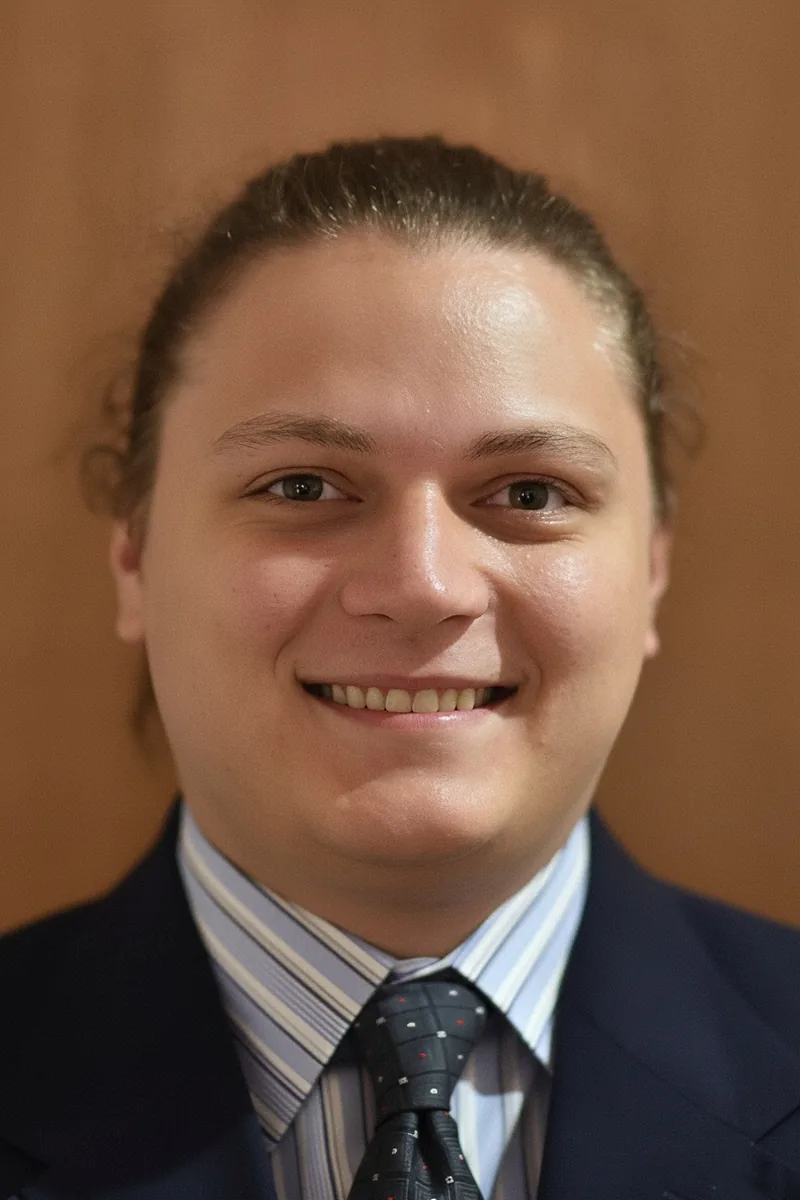
Creating a comfortable, low-pressure environment is central to how Adrian teaches — he's naturally attuned to students who need more processing time, alternative explanations, or simply patience that a crowded classroom doesn't offer. He adapts math and reading concepts into smaller, scaffolded steps, checking understanding at each stage before moving forward so nothing gets lost in translation.

Maurice earned his Master's in Special Education specifically to understand how different learners process information — and he builds that knowledge into every session. Whether a student needs modified pacing, multi-sensory instruction, or alternative ways to demonstrate understanding, he designs lessons around how each individual actually learns rather than forcing a one-size-fits-all approach.
As a Vanderbilt-trained and Tennessee-licensed special educator, Megan understands the full landscape — IEP goal writing, behavior intervention plans, differentiated instruction, and the legal framework of IDEA and Section 504. She tailors her approach to each learner's profile, whether that means building phonemic awareness for a student with dyslexia or creating visual math supports for a student who processes information differently. Her 5.0 rating speaks to how well that individualized approach works.
Grant has spent two decades working successfully with students across a wide range of learning differences, from processing disorders to ADHD to math-specific anxiety. His approach strips away the shame many students carry — he slows down, re-explains using different models, and builds lessons around how each individual learner actually thinks rather than forcing a one-size-fits-all method.
Rosemary's graduate work in occupational therapy included extensive training in adaptive learning strategies, sensory processing, and task analysis — the clinical side of what special education looks like in practice. She volunteers regularly with the Down syndrome community, giving her hands-on experience tailoring instruction to different cognitive and developmental profiles. That combination means she doesn't just know accommodations exist; she knows how to implement them in real learning moments.
Teaching across dozens of NYC public schools exposed James to students with a wide range of learning differences, from processing delays to attention challenges. He builds individualized approaches — breaking instructions into smaller steps, using multi-sensory reinforcement, and adjusting pacing in real time. His current doctoral work in physical therapy deepens his understanding of how neurological and developmental factors shape the way students learn.
Loretta holds a degree in Special Education alongside her math and secondary education credentials, which means she understands IEP goals, learning accommodations, and differentiated instruction from the inside out. She breaks concepts into manageable steps and adapts her pacing to each student's processing style — whether that means using visual models for abstract ideas or building in structured repetition. Her background practicing law also sharpens her ability to advocate for students navigating the special education system.
Rachel holds a B.S. in Special Education, which means she doesn't just know the content — she knows how to adapt it. Whether a student needs modified pacing for reading comprehension, visual supports for math concepts, or alternative assessment strategies, she designs sessions around how each learner actually processes information. Her background spans both general and special education classrooms, so she's comfortable navigating IEP goals alongside grade-level standards.
Certified in special education, Elise designs sessions around how each learner actually processes information — visual cues, hands-on activities, scaffolded instructions, or a mix of all three. She covers core academics like reading, writing, and math while building the self-advocacy skills that let students speak up for what they need in the classroom. Her background in studio arts adds a creative dimension that keeps learners engaged rather than overwhelmed.
Sabrina holds certification in special education and brings a classroom teacher's instinct for identifying where a lesson loses a student. She redesigns explanations on the fly — using manipulatives, visual models, or simplified language — so learners with IEPs or 504 plans can access grade-level math, reading, and writing content at their own pace.
Ivan holds a master's degree in both General and Special Education for grades 5–9 and has taught in self-contained classrooms, Collaborative Team Teaching settings, and Resource Rooms across New York City. That range means he can adapt pacing, modify assignments, and scaffold reading or writing tasks based on each student's IEP goals and learning profile. Rated 4.8 by families he's worked with.
Victoria spent three years as a certified classroom teacher through Teach for America, working with first through third graders who had a wide range of learning needs, including IEP-supported students. She adapts lessons to different processing styles and paces, breaking academic content into structured, manageable steps that build genuine understanding rather than frustration.
Every learner processes information differently, and Yan's entire educational philosophy centers on adapting how material is presented until it connects. Her master's in Curriculum and Instruction trained her to design differentiated lessons, and her years in Boston elementary and middle school classrooms gave her hands-on experience modifying content for diverse learning needs — whether that means breaking math problems into visual steps or restructuring reading assignments for accessibility.
Twelve years of combined elementary and special education classroom experience give Elizabeth a deep understanding of how learning differences like dyslexia, ADHD, and processing disorders actually show up in day-to-day schoolwork. Now working as an Educational Diagnostician, she identifies where a student's learning profile creates specific barriers and adapts instruction accordingly — adjusting pacing, breaking multi-step tasks into manageable pieces, and choosing strategies matched to how each learner processes information.
Testimonials
Because the right Special Education tutor makes all the difference.
Average Session Rating – Based on 3.4M Learner Ratings
Other Tucson Tutors
Frequently Asked Questions
Special education tutoring addresses individualized learning needs across academics, social-emotional development, and life skills. Tutors work with students who have IEPs, 504 plans, or learning differences to reinforce classroom instruction, build confidence, and develop strategies for academic success. This might include reading comprehension, math fundamentals, executive function skills, or social communication—tailored to each student's unique goals and learning style.
Personalized tutoring complements your child's IEP by providing focused practice on specific academic and functional goals outside the classroom. Tutors can reinforce strategies recommended by your school team, break down complex concepts into manageable steps, and track progress in real time. This targeted support helps students generalize skills learned in therapy or special education classes to everyday situations and builds momentum toward IEP objectives.
With 67 school districts across Tucson and an average student-teacher ratio of 15.2:1, many special education students struggle to get individualized attention in larger classroom settings. Common challenges include gaps in foundational reading and math skills, difficulty with executive function and organization, social communication barriers, and trouble generalizing skills across different environments. One-on-one tutoring addresses these gaps by providing the focused, repetitive practice and customized feedback that accelerates learning.
In a classroom setting, teachers must balance the needs of many students with varying abilities. Personalized tutoring allows a tutor to adapt pacing, teaching methods, and materials in real time based on how your child learns best—whether that's visual supports, hands-on practice, or frequent breaks. Tutors also build strong relationships with students, which increases engagement and motivation, and they can focus entirely on your child's specific goals without competing demands.
Look for tutors with experience working with students who have specific diagnoses or learning differences relevant to your child—such as autism, dyslexia, ADHD, or intellectual disabilities. Ideally, they should understand IEP development, be familiar with evidence-based interventions (like structured literacy or applied behavior analysis), and have training in differentiated instruction. Varsity Tutors connects you with expert tutors who have the background and expertise to support your child's unique needs.
The first session is typically a get-to-know-you meeting where the tutor learns about your child's strengths, challenges, learning style, and current goals—including any IEP or 504 plan objectives. The tutor may do some informal assessment to understand where your child is academically and socially, and you'll discuss what success looks like. From there, the tutor develops a personalized plan and begins building the relationship and trust that makes learning effective.
Progress in special education is often best tracked through concrete, observable goals—like improved reading fluency, increased independence with a task, or better use of a specific strategy. Tutors should provide regular updates on what your child is working on, celebrate wins (big and small), and share data or examples of improved performance. Many families also notice improvements in confidence, willingness to try new things, and reduced anxiety around academics—all important markers of success.
Start by identifying your child's primary learning needs and any IEP or 504 goals you want to focus on. Varsity Tutors connects you with tutors who have experience in those specific areas and can work with your family's schedule and preferences. You'll be matched with a tutor who's a good fit, and you can discuss your child's needs, goals, and learning style before committing to ongoing sessions.
Let’s find your perfect tutor
Answer a few quick questions. We’ll recommend the right plan and match you with a top 5% tutor.