Award-Winning Special Education Tutors
serving Mesa, AZ
Special Education
Tutors in Mesa
Private 1-on-1 tutoring, weekly live classes for academic support, test prep & enrichment, practice tests and diagnostics, and more to elevate grades and test scores.
Based on 3.4M Learner Ratings
UniversitiesSchools & Universities
DeliveredHours Delivered
ProficiencyGrowth in Proficiency
Who needs tutoring?
No obligation. Takes ~1 minute.
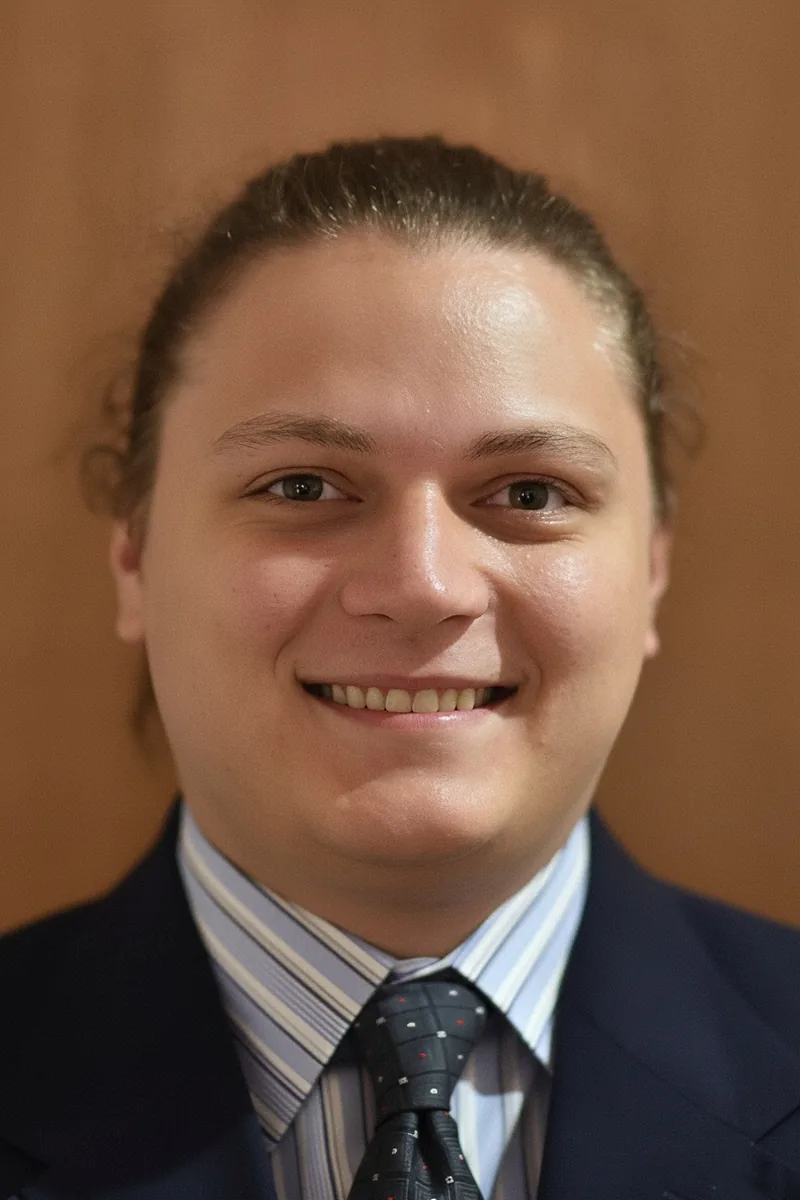
Creating a comfortable, low-pressure environment is central to how Adrian teaches — he's naturally attuned to students who need more processing time, alternative explanations, or simply patience that a crowded classroom doesn't offer. He adapts math and reading concepts into smaller, scaffolded steps, checking understanding at each stage before moving forward so nothing gets lost in translation.

Maurice earned his Master's in Special Education specifically to understand how different learners process information — and he builds that knowledge into every session. Whether a student needs modified pacing, multi-sensory instruction, or alternative ways to demonstrate understanding, he designs lessons around how each individual actually learns rather than forcing a one-size-fits-all approach.
I am persuasive and capable of developing rapport and trust, as well as experienced in influencing the attitudes and ideas of others.
Theresa adapts her teaching pace, format, and explanations to match how each learner actually processes information, whether that means visual organizers for reading comprehension or step-by-step scaffolding in math. Her range across subjects — from writing to algebra to study skills — means she can meet a student's needs without constantly switching tutors.
Kim's approach starts with identifying the specific barrier a student faces — whether it's processing speed, attention, or difficulty transferring skills across contexts — and then adapting instruction around it. Her background spanning anthropology and business gives her an unusually flexible toolkit for reframing concepts in ways that click for different learners. She holds a 5.0 rating across her students.
Rosemary's graduate work in occupational therapy included extensive training in adaptive learning strategies, sensory processing, and task analysis — the clinical side of what special education looks like in practice. She volunteers regularly with the Down syndrome community, giving her hands-on experience tailoring instruction to different cognitive and developmental profiles. That combination means she doesn't just know accommodations exist; she knows how to implement them in real learning moments.
Annie's graduate training in counseling psychology gave her direct experience with IEPs, learning accommodations, and the cognitive frameworks behind conditions like dyslexia, ADHD, and processing disorders. She adapts lesson pacing, breaks tasks into smaller chunks, and uses multi-sensory techniques tailored to each learner's profile — not a one-size-fits-all script.
I am a teacher who is certified in all core subjects for grades 4 through 8, Special Education, and English as a Second Language. I am eager for the opportunity to tutor you or your student, because I feel that small group instruction is the single best tool in increasing understanding. I love lesson design and as your tutor, I will be sure to work with you to create lessons that you find both engaging and effective.
A PhD in neuropsychology means Bill understands learning differences — ADHD, dyslexia, processing speed challenges — at the neurological level, not just as labels on an IEP. He adapts his teaching to how each student's brain actually processes information, whether that means restructuring how material is presented or building in specific compensatory strategies for memory and attention.
James holds a Master's in Education and brings deep experience adapting lessons for students with diverse learning needs, whether that means restructuring a math problem into smaller visual steps or reframing a reading assignment to reduce cognitive overload. He identifies where a student feels confident and builds outward from that anchor point. His 5.0 rating speaks to the trust and patience he brings to every session.
Rebecca's graduate training in social work at the University of Chicago, combined with her undergraduate psychology research, gives her a sharp understanding of how different learners process information and what accommodations actually look like in practice. She adapts pacing, breaks down multi-step instructions, and uses individualized reinforcement techniques to keep students engaged and progressing. Rated 4.9 by families she's worked with.
Liz holds a master's in Special Education (Mild to Moderate Disabilities, grades 5–12) from Simmons College and has worked extensively with students who have learning disabilities, ADHD, dyslexia, and emotional impairments. That clinical training, paired with her hands-on experience teaching and directing tutors at a charter school in Boston, means she knows how to adapt instruction on the fly — whether that's restructuring a math lesson for a student with dyscalculia or building reading fluency strategies for a student with dyslexia. She designs individualized approaches grounded in each student's IEP goals and actual learning profile.
Jamie holds a Master's in Special Education, which means he doesn't just adapt lessons on the fly — he designs instruction around how each student processes, retains, and demonstrates understanding. Whether a learner has an IEP addressing executive function challenges, reading disabilities, or autism spectrum needs, Jamie builds structured, multi-sensory approaches that connect to the student's strengths rather than spotlighting gaps.
Grant has spent two decades working successfully with students across a wide range of learning differences, from processing disorders to ADHD to math-specific anxiety. His approach strips away the shame many students carry — he slows down, re-explains using different models, and builds lessons around how each individual learner actually thinks rather than forcing a one-size-fits-all method.
Testimonials
Because the right Special Education tutor makes all the difference.
Average Session Rating – Based on 3.4M Learner Ratings
Other Mesa Tutors
Frequently Asked Questions
Special education tutoring addresses individualized learning needs for students with disabilities, learning differences, or developmental delays. Tutors work with students across various areas including reading and literacy, math, executive functioning, social-emotional skills, and speech-language support. The focus is on meeting each student where they are and building confidence while working toward their specific IEP (Individualized Education Program) goals.
Personalized tutoring complements IEP services by providing targeted, one-on-one instruction focused on your student's specific goals and learning style. Tutors can work directly with your student's IEP team, review documented goals, and use strategies recommended by special educators and therapists. This coordination ensures tutoring reinforces classroom learning and helps students make measurable progress toward their IEP objectives.
While classroom special education provides essential services and accommodations, personalized tutoring offers dedicated one-on-one attention tailored entirely to your student's pace and learning preferences. With a typical student-teacher ratio of 15.7:1 in Mesa schools, classroom teachers manage many students simultaneously. Tutors can spend focused time on specific skill gaps, use multisensory approaches, break concepts into smaller steps, and adjust strategies in real time based on your student's response.
Students often struggle with foundational skills like phonemic awareness, decoding, and basic math facts, which can compound into larger gaps over time. Many also face challenges with executive functioning—organization, time management, and working memory—that impact academic performance across subjects. Social-emotional difficulties, attention regulation, and building confidence after repeated academic struggles are equally important to address. Personalized tutoring can target these specific areas with proven strategies like explicit instruction, frequent practice opportunities, and immediate feedback.
The first session focuses on getting to know your student, understanding their strengths, learning style, and specific challenges. Tutors will review any available information about your student's IEP, previous assessments, or documented learning differences to establish a baseline. This initial meeting helps tutors develop a personalized plan and identify the best instructional approaches, so subsequent sessions can begin making targeted progress on your student's priority goals.
Varsity Tutors connects you with tutors who have specialized training and experience in special education, learning disabilities, and evidence-based intervention strategies. When you describe your student's specific needs—whether that's dyslexia support, autism-friendly instruction, ADHD strategies, or speech-language reinforcement—we match you with tutors qualified in those areas. You can discuss your student's IEP goals and learning style to ensure the right fit from the start.
Tutors use progress monitoring tools and regular check-ins to track measurable improvements in targeted skills. You'll see concrete evidence through work samples, skill assessments, and documented progress toward IEP goals. Many tutors also provide session summaries and feedback so you can reinforce learning at home and communicate progress to your student's IEP team and classroom teachers.
Frequency depends on your student's specific needs, IEP goals, and the skill gaps being addressed. Some students benefit from 1-2 sessions per week for targeted support, while others may need more intensive instruction. Tutors can recommend a schedule based on your student's current performance level and the complexity of skills being taught, and you can adjust frequency as progress is made.
Let’s find your perfect tutor
Answer a few quick questions. We’ll recommend the right plan and match you with a top 5% tutor.